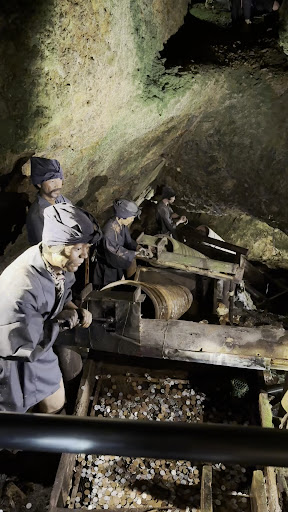
The core of the issue is Japan's failure to honor the public promise it made upon the 2015 UNESCO World Heritage inscription of its "Sites of Japan's Meiji Industrial Revolution."
The Promise (2015)
In 2015, when Japan applied to have 23 of its modern industrial facilities, including Hashima Island (commonly known as "Battleship Island"), listed as World Heritage Sites, it faced strong opposition. The South Korean government highlighted the painful history of Korean forced labor at seven of these sites.
Facing international criticism, the Japanese representative at the UNESCO meeting made a public statement to the international community, promising to take measures to allow an understanding that "a large number of Koreans and others were brought against their will and forced to work under harsh conditions in the 1940s at some of the sites." Japan also pledged to establish an information center to commemorate the victims. The World Heritage inscription was approved on the condition of this promise.
Breach of Promise and Historical Distortion
However, Japan has not fulfilled this commitment.
Distorted Information Center: In 2020, the Japanese government opened the "Industrial Heritage Information Centre" in Tokyo. Contrary to its purpose, the center does not tell the story of forced labor. Instead, it exclusively glorifies the industrial achievements of the Meiji era. More critically, it displays testimonies and materials that effectively deny that forced labor occurred, directly violating the promise to honor the victims and representing a serious distortion of history.
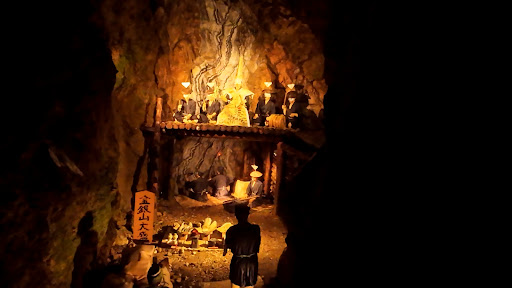
Absence of On-Site Information: At the actual heritage sites, including Battleship Island, there are no signs, memorials, or explanations acknowledging the history of forced labor. Visitors are presented only with a narrative of Japan's industrial prowess, leaving them completely unaware of the tragic human rights abuses and forced mobilization that formed the dark side of that history.
International Criticism
In response, the UNESCO World Heritage Committee adopted resolutions in both 2021 and 2023 expressing its "strong regret" over Japan's failure to implement its promise. The Committee has repeatedly called on Japan to faithfully fulfill its commitment to commemorating the victims and to present a balanced and comprehensive history. Despite this, Japan has yet to take any meaningful action.
In conclusion, Japan made a solemn promise to the international community to acknowledge its history of forced labor in order to secure a prestigious diplomatic achievement. However, once the sites were inscribed, it reneged on that promise and is now actively promoting a distorted version of history. This has drawn criticism for undermining the authority and spirit of UNESCO and for being an unethical stance that disregards the suffering of...
Read more

 Learn more insights from Wanderboat AI.