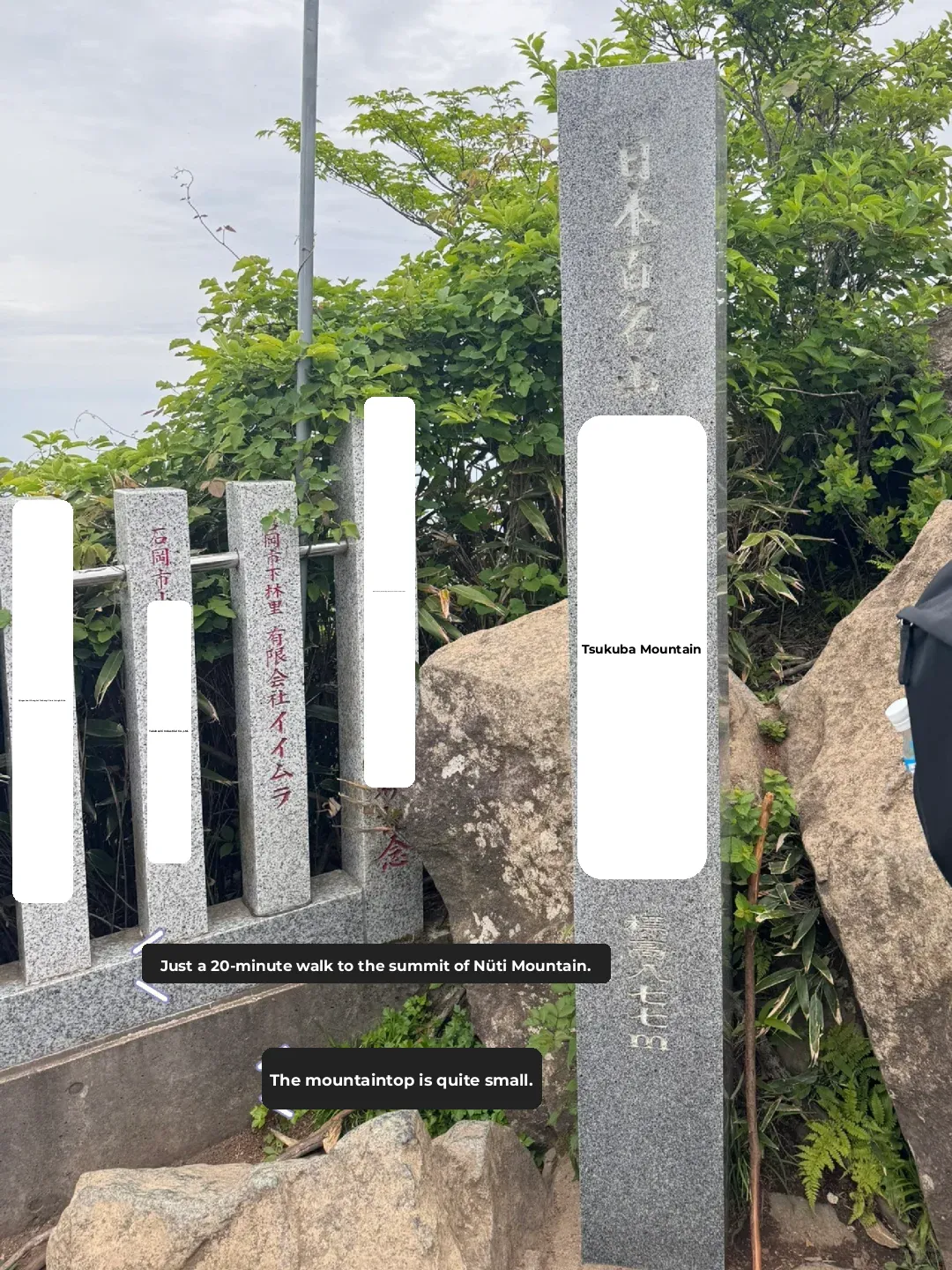
Mount Tsukuba is one of Japan’s most famous mountains, located in Ibaraki Prefecture, about 60 kilometers (37 miles) northeast of Tokyo. Standing at 877 meters (2,877 feet) tall, the mountain is known for its distinctive twin peaks, Nyotai-san and Nantai-san, which symbolize the mountain’s cultural and spiritual significance. Unlike Japan’s other iconic mountain, Mount Fuji, which is a dormant volcano, Mount Tsukuba is composed of non-volcanic rock and has a long history of religious importance, stunning natural beauty, and recreational opportunities.
Twin Peaks
Mount Tsukuba is famous for its twin peaks, each representing a deity in Japanese mythology:
• Nyotai-san (877 meters): The “female” peak, also known as the feminine peak, is the taller of the two and is associated with the goddess Izanami, who, according to legend, helped create Japan.
• Nantai-san (871 meters): The “male” peak represents the god Izanagi, Izanami’s consort, who also played a significant role in the creation myth of the country.
These twin peaks give Mount Tsukuba its unique silhouette, which is easily recognizable and steeped in folklore.
Religious and Cultural Significance
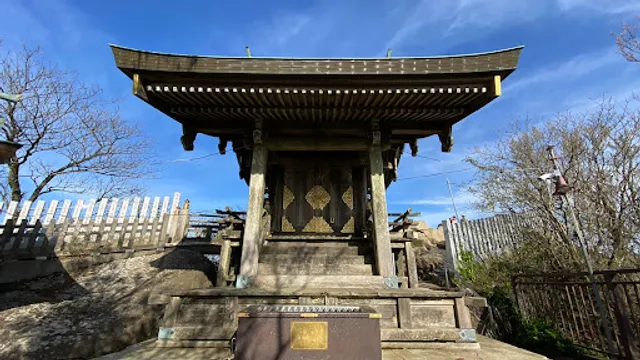
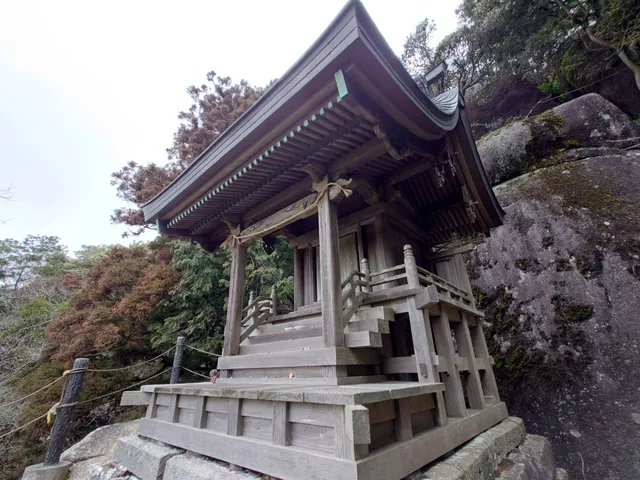
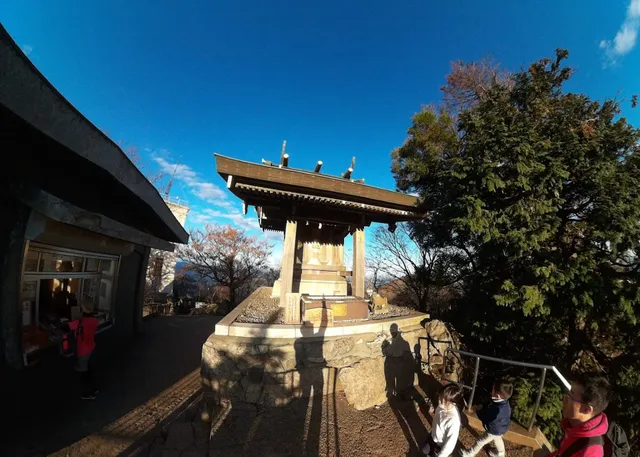
• Tsukubasan Shrine: At the base of Mount Tsukuba sits Tsukubasan Shrine, a significant Shinto shrine that has attracted worshippers for over 1,000 years. The shrine venerates the mountain’s deities and has been a pilgrimage site for those seeking blessings for health, prosperity, and safety. The shrine’s architecture blends harmoniously with its natural surroundings, and visitors can take in the serene atmosphere before ascending the mountain.
• Legend and Myth: According to Japanese legend, Mount Tsukuba was favored by the gods, while Mount Fuji was considered a lonely and aloof mountain. This lore is one reason why Mount Tsukuba has traditionally been seen as a symbol of fertility and good fortune.
Natural Beauty and Flora
Mount Tsukuba’s diverse ecosystems make it a popular destination for nature enthusiasts. The mountain is covered in lush forests that change dramatically with the seasons:
• Spring: In spring, Mount Tsukuba is adorned with blooming cherry blossoms, azaleas, and other flowering plants, attracting hikers and tourists. The Tsukuba Azalea Festival, held in late April and early May, celebrates the vibrant colors of the mountain’s flora.
• Autumn: One of the most popular times to visit is during autumn when the mountain is ablaze with red, orange, and yellow leaves. The autumn foliage attracts both hikers and casual visitors, with the leaves reaching their peak around mid-November.
• Winter: While snow occasionally dusts the peaks, winter hiking remains accessible. The mountain’s higher elevations offer clear, crisp views of the surrounding Kanto region.
Hiking and Outdoor Activities
Mount Tsukuba offers a variety of hiking trails suited to different skill levels, making it an accessible destination for both casual walkers and experienced hikers.
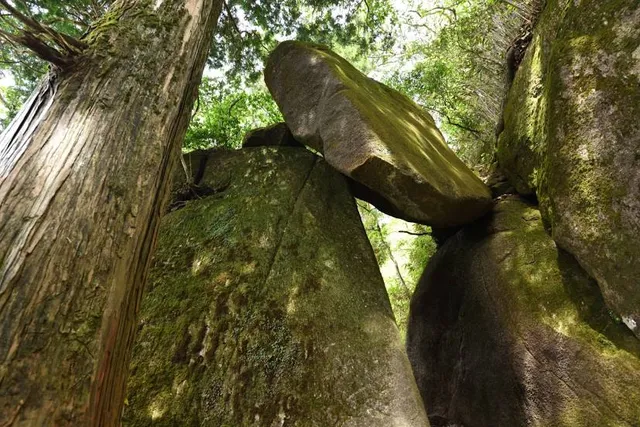
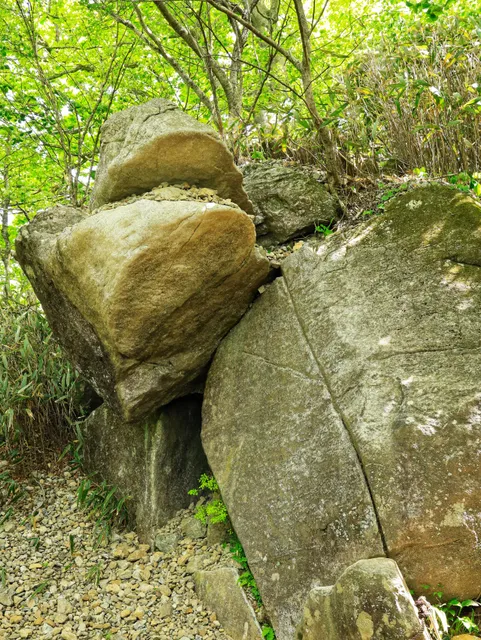
• Hiking Trails: The trails leading up to the twin peaks vary in difficulty. The most popular trail, the Miyukigahara Course, is a moderate hike that takes about 90 minutes to reach the summit from Tsukubasan Shrine. Other trails, such as the Shirakumobashi Course and the Otatsuishi Course, offer more challenging hikes with steeper ascents and scenic views.
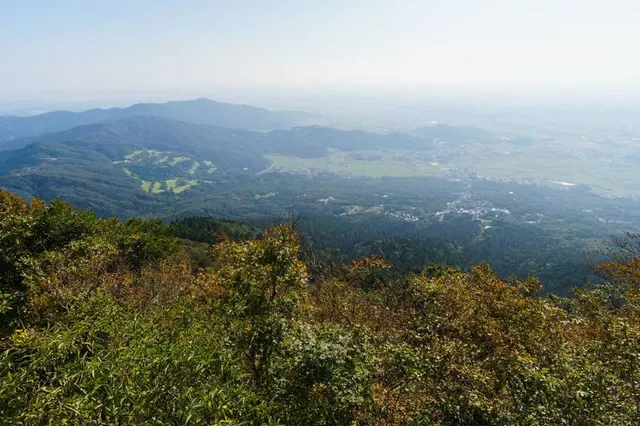
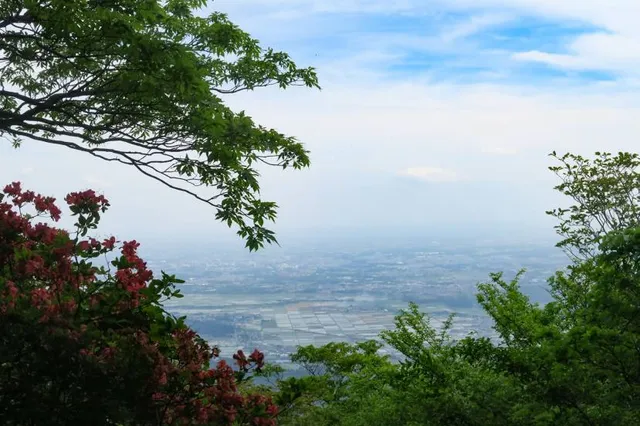
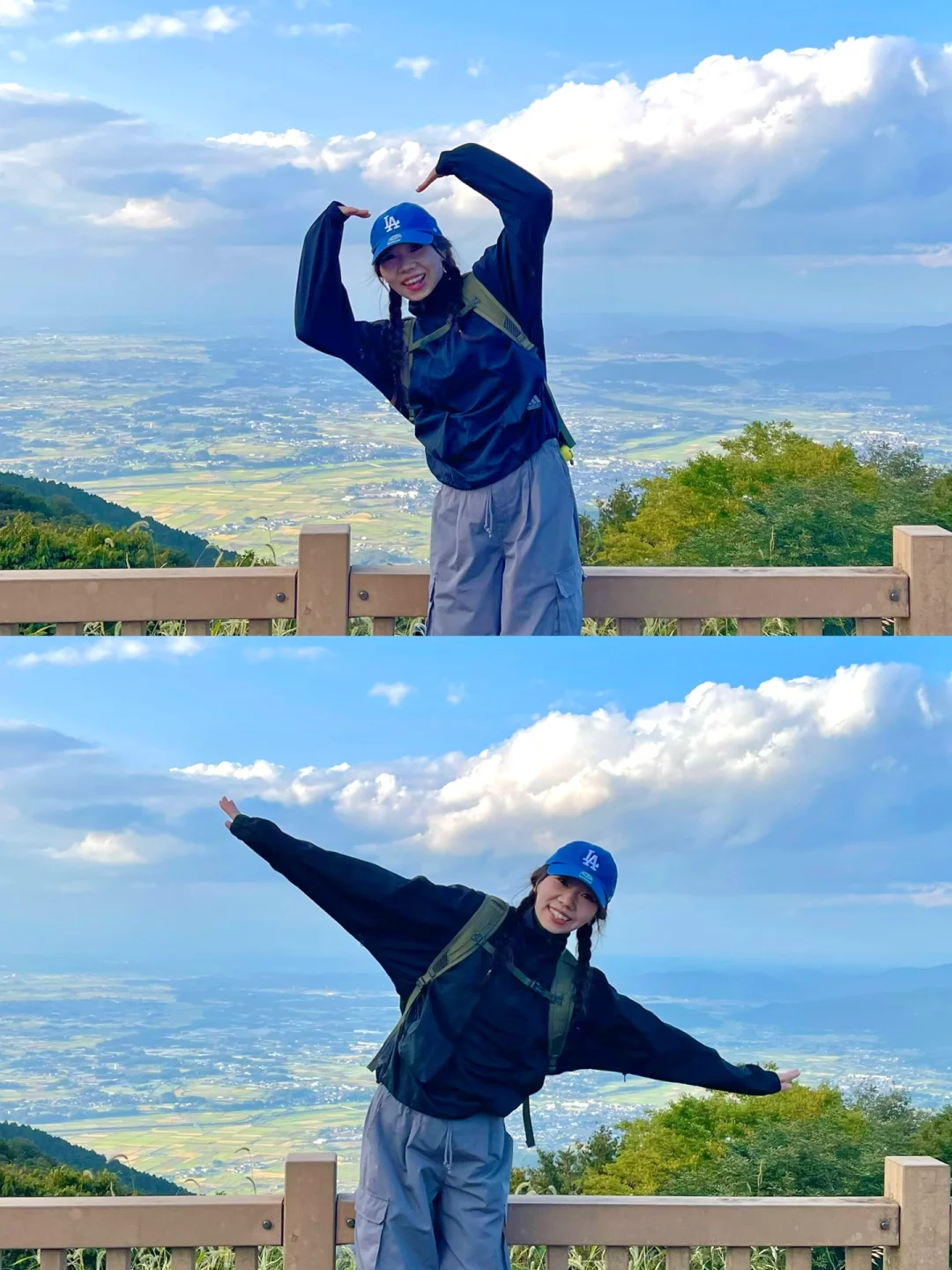
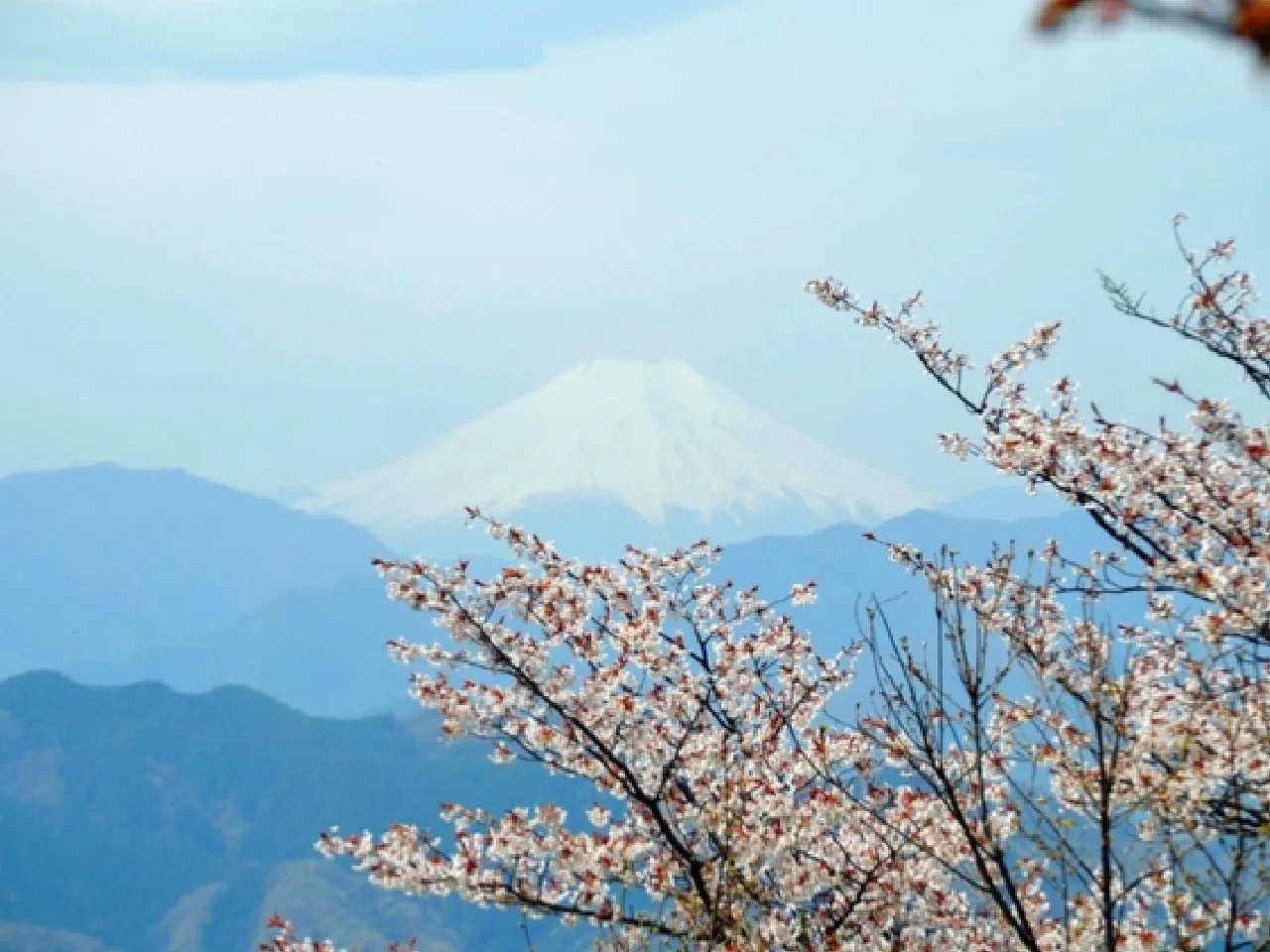
• Summit Views: Reaching the summits of Nyotai-san or Nantai-san rewards hikers with breathtaking panoramic views of the Kanto Plain. On a clear day, visitors can see Tokyo’s skyscrapers, the Pacific Ocean, and even Mount Fuji in the distance. The twin peaks are connected by a short ridge trail, allowing hikers to visit both summits easily.
• Cable Car and Ropeway: For those who prefer not to hike, Mount Tsukuba offers both a cable car and a ropeway that transport visitors to near the summit. The Tsukuba Cable Car ascends from the foothills to the summit of Nantai-san, while the Mount Tsukuba Ropeway takes passengers from near Tsukubasan Shrine to Nyotai-san. Both options provide stunning views of the...
Read more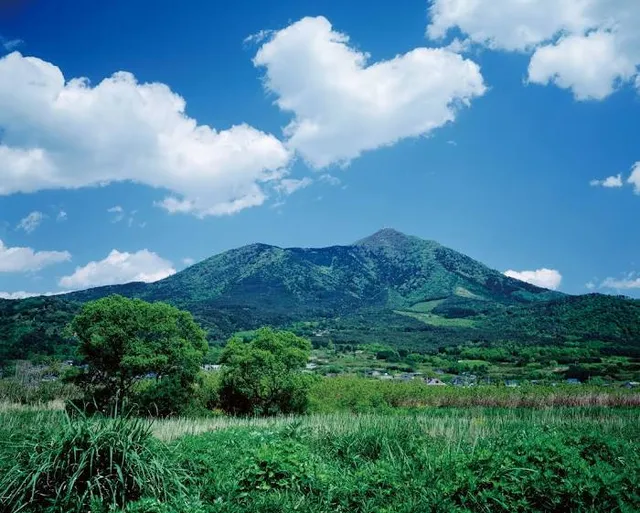
 Learn more insights from Wanderboat AI.