HTML SitemapExplore
logo
Find Things to DoFind The Best Restaurants

Fugoppe Cave — Attraction in Yoichi

Name
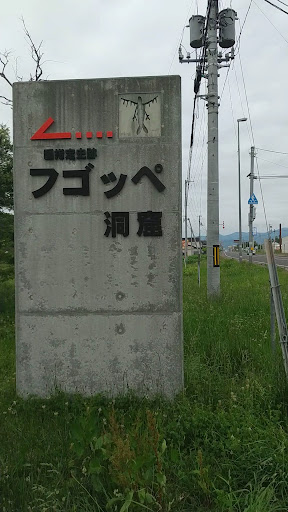
Fugoppe Cave
Description
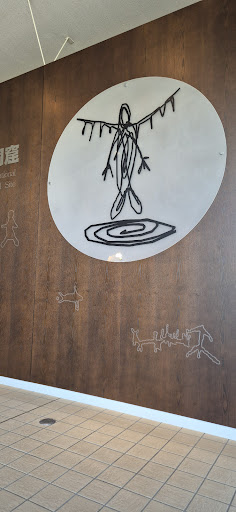
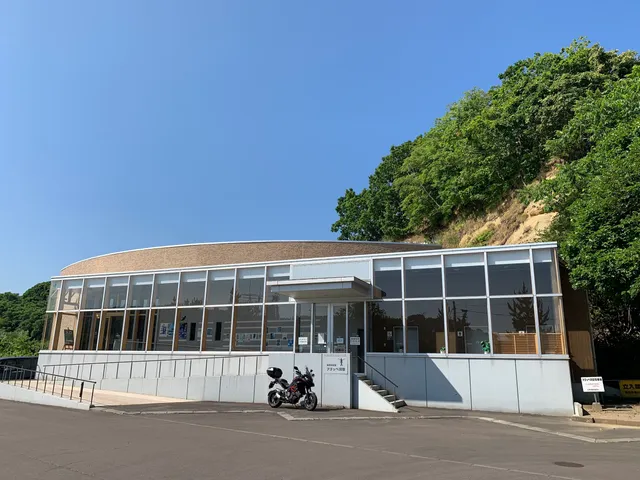
Fugoppe Cave is an archaeological site in Hokkaido, Japan, dating from the Jōmon period. It is located on a hillside known as Maruyama in the town of Yoichi. Along with the nearby Temiya Cave in Otaru City, it is one of only two significant petroglyph sites in Japan.
Nearby attractions
Nishizakiyama Stone Circle
551 Sakaemachi, Yoichi, Yoichi District, Hokkaido 046-0001, Japan
Nearby restaurants
Nearby hotels
Yoichi Holiday - Fugoppe
JP 046-0001, Sakaemachi, Yoichi, Yoichi District, Hokkaido 172, Japan
Related posts
Keywords
Fugoppe Cave tourism.Fugoppe Cave hotels.Fugoppe Cave bed and breakfast. flights to Fugoppe Cave.Fugoppe Cave attractions.Fugoppe Cave restaurants.Fugoppe Cave travel.Fugoppe Cave travel guide.Fugoppe Cave travel blog.Fugoppe Cave pictures.Fugoppe Cave photos.Fugoppe Cave travel tips.Fugoppe Cave maps.Fugoppe Cave things to do.
Fugoppe Cave things to do, attractions, restaurants, events info and trip planning
Fugoppe Cave
JapanHokkaido PrefectureYoichiFugoppe Cave

Basic Info

Fugoppe Cave

87 Sakaemachi, Yoichi, Yoichi District, Hokkaido 046-0001, Japan
3.9(245)
Open 24 hours
Save
spot

Ratings & Description

Info

Fugoppe Cave is an archaeological site in Hokkaido, Japan, dating from the Jōmon period. It is located on a hillside known as Maruyama in the town of Yoichi. Along with the nearby Temiya Cave in Otaru City, it is one of only two significant petroglyph sites in Japan.

Cultural
Scenic
Family friendly
attractions: Nishizakiyama Stone Circle, restaurants:
logoLearn more insights from Wanderboat AI.
Phone
+81 135-22-6170
Website
town.yoichi.hokkaido.jp

Plan your stay

hotel
Pet-friendly Hotels in Yoichi
Find a cozy hotel nearby and make it a full experience.

hotel
Affordable Hotels in Yoichi
Find a cozy hotel nearby and make it a full experience.

hotel
The Coolest Hotels You Haven't Heard Of (Yet)
Find a cozy hotel nearby and make it a full experience.

hotel
Trending Stays Worth the Hype in Yoichi
Find a cozy hotel nearby and make it a full experience.

Reviews

Nearby attractions of Fugoppe Cave

Nishizakiyama Stone Circle
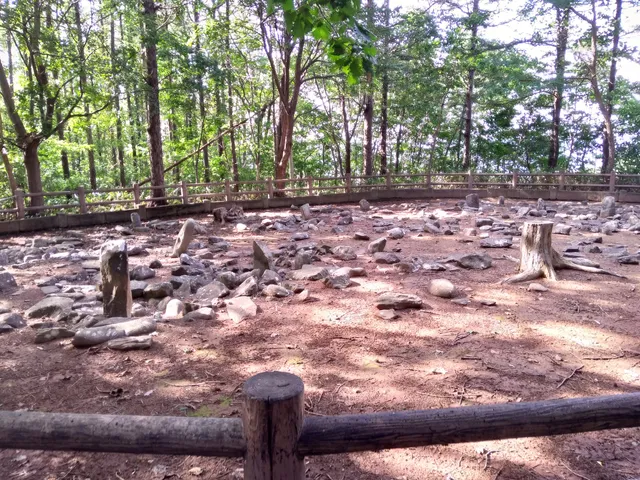
Nishizakiyama Stone Circle

Nishizakiyama Stone Circle

4.1

(62)

Open until 12:00 AM
Click for details
Get the Appoverlay
Get the AppOne tap to find yournext favorite spots!
Wanderboat LogoWanderboat

Your everyday Al companion for getaway ideas

CompanyAbout Us
InformationAI Trip PlannerSitemap
SocialXInstagramTiktokLinkedin
LegalTerms of ServicePrivacy Policy

Get the app

© 2025 Wanderboat. All rights reserved.
logo

Reviews of Fugoppe Cave

3.9
(245)
avatar
5.0
1y

We visited Fugoppe Cave (フゴッペ洞窟) a historical landmark. The cave was found with hieroglyphs.

Fugoppe Cave Fugoppe Cave (フゴッペ洞窟) is indeed a fascinating historical landmark located in Yoichi, Hokkaido. This archaeological site dates back to the Jōmon period and is renowned for its unique petroglyphs, which are among the few found in Japan.

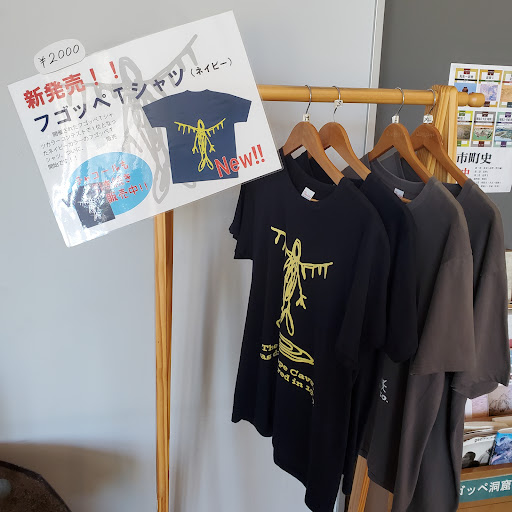
Discovered in 1950, the cave features around 800 figures carved into its walls. These carvings include human figures, some with wings or horns, as well as depictions of boats, marine animals, and fish. The petroglyphs are believed to be from the late Epi-Jōmon culture, which flourished in Hokkaido from the 5th to 7th centuries.

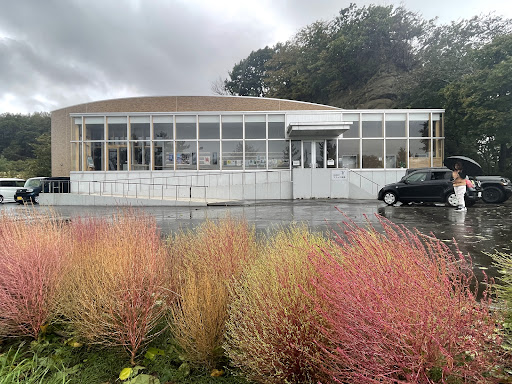
The cave itself is about 7 meters deep and made of soft hyaloclastite, allowing the figures to be carved by abrasion and then polished1. The site has been preserved in a large capsule of reinforced glass that doubles as a museum, ensuring the petroglyphs are protected while allowing visitors to view them.

Interestingly, there has been some debate about the meaning of these carvings. While some believe they represent a lost ancient writing system, others think they depict shamanistic rituals. Regardless of their exact interpretation, the petroglyphs of Fugoppe Cave offer a unique glimpse into the ancient cultures of Hokkaido.

It’s wonderful chance to visit such a...

   Read more
avatar
4.0
18w

Fugoppe Cave is a fascinating and underrated historical site tucked away in Hokkaido. It’s known for its mysterious ancient carvings that are believed to date back over a thousand years. The cave is small, but the experience of seeing the rock engravings up close is truly special. There’s a quiet, almost sacred atmosphere inside, and the surrounding area is peaceful and scenic. The small museum nearby offers some context about the history and discovery of the site. It's a great stop for those interested in archaeology or unique cultural...

   Read more
avatar
5.0
24w

2025年6月15日初訪問です。昔は畚部洞窟とそのまま漢字表記の施設だったようですが、"畚部"と書いて"フゴッペ"、読めませんでした。日本国内に2ヵ所しかない、続縄文文化の洞窟遺跡で大変貴重なものです。不思議なのは岩面刻画として刻まれている「有翼人(身体から翼のようなものが生えている人物像)」や「有角人(虫の触覚のような頭を持つ人物像)」の姿ですね🧐。パンフレットは"仮装した人物像"という表現(別の資料では"シャーマン"とか)になってますが、個人的には「続縄文時代の人々は異星人との交流があって、その姿を刻画に留めた」のではないかと感じてます。 "ウタリの啄木"、"アイヌ民族の三大歌人"と云われた"違星北斗(瀧次郎)"さんは、旧フゴッペ洞窟(今は埋没した旧の方)について独自にアイヌの伝承を調べて(以下要旨)、「余市のアイヌはその土地を、鍋を持たない土人がいてなま物ばかり食べていたというので、フーイベと名付けていた。岩の下に生活する小さな人たちはクルプンウンクル(=コロポックル)とよんだ」、「忍路のアイヌは同じ土地を、蛇が沢山いるところだったのでフウコンベツと呼んでいた」などの話を記録して本にも書いています。(不思議さが増大します) 発見に至る流れは、1904·M37年に鉄道工事で小高い、通称"丸山"が切割りされた後、1927·S2年に当時"畚部古代文字"と云われた「旧フゴッペ岩面刻画」が発見され(こちらはその後崩落のため埋没、外観から確認できるようには現存していないが地点は記録されているらしく(ある意味見ることのできない状態で現存はしている?)、結果的に"埋設保存"の形式となっているようです。紛らわしいけど一般公開されている現在の"国指定史跡のフゴッペ洞窟"とは別物)、1950·S25年の3月頃に付近の農家の小柄ヤストモさん(兄)と小柄義照さん(弟)が客土用の土を採集してた時に崩れ落ちた崖に穴が開いて洞穴を確認(人が這って入れる位の大きさで小さなヘビがたくさんいたらしい。真っ暗で岩面刻画の発見には至らず)したものの、特に誰にも話さなかったらしく調査発掘にも至っていない。その同じ年(1950·S25年)の夏に海水浴に来ていた札幌の中学生だった大塚誠之助さんが、高校生だったお兄さんから遺跡の多いエリアと聞いていたこともあり、付近を探索していたところ洞穴=洞窟入口近くで土器片を発見(海岸から200m程度の距離)、これを兄である大塚似和雄さんに伝えて正式な発掘調査に繋がっていったとのことです。その後発掘調査団も組織され、一次二次と調査が行なわれ、1953·S28.11.14に国指定史跡に指定されました。 公開されている洞窟は幅5m,奥行6m,高さ7m程で、西·北·南の壁画に800以上の人や動物·舟を描いたとみられる刻画が彫られているとのことです。 洞窟の実物展示エリアは保存のために照度を下げていて、なおかつ撮影禁止ですが、手前のスペースの明るいとこにレプリカの展示があります。 入館料300円ですが、「有翼人」と「有角人」は実物を、肉眼で...

   Read more
Page 1 of 7
Previous
Next

Posts

Vincent TanVincent Tan
We visited Fugoppe Cave (フゴッペ洞窟) a historical landmark. The cave was found with hieroglyphs. Fugoppe Cave Fugoppe Cave (フゴッペ洞窟) is indeed a fascinating historical landmark located in Yoichi, Hokkaido. This archaeological site dates back to the Jōmon period and is renowned for its unique petroglyphs, which are among the few found in Japan. Discovered in 1950, the cave features around 800 figures carved into its walls. These carvings include human figures, some with wings or horns, as well as depictions of boats, marine animals, and fish. The petroglyphs are believed to be from the late Epi-Jōmon culture, which flourished in Hokkaido from the 5th to 7th centuries. The cave itself is about 7 meters deep and made of soft hyaloclastite, allowing the figures to be carved by abrasion and then polished1. The site has been preserved in a large capsule of reinforced glass that doubles as a museum, ensuring the petroglyphs are protected while allowing visitors to view them. Interestingly, there has been some debate about the meaning of these carvings. While some believe they represent a lost ancient writing system, others think they depict shamanistic rituals. Regardless of their exact interpretation, the petroglyphs of Fugoppe Cave offer a unique glimpse into the ancient cultures of Hokkaido. It’s wonderful chance to visit such a significant site!
Neil - The Backpack AdventuresNeil - The Backpack Adventures
Fugoppe Cave is a fascinating and underrated historical site tucked away in Hokkaido. It’s known for its mysterious ancient carvings that are believed to date back over a thousand years. The cave is small, but the experience of seeing the rock engravings up close is truly special. There’s a quiet, almost sacred atmosphere inside, and the surrounding area is peaceful and scenic. The small museum nearby offers some context about the history and discovery of the site. It's a great stop for those interested in archaeology or unique cultural landmarks in Japan.
平手実平手実
2025年6月15日初訪問です。昔は畚部洞窟とそのまま漢字表記の施設だったようですが、"畚部"と書いて"フゴッペ"、読めませんでした。日本国内に2ヵ所しかない、続縄文文化の洞窟遺跡で大変貴重なものです。不思議なのは岩面刻画として刻まれている「有翼人(身体から翼のようなものが生えている人物像)」や「有角人(虫の触覚のような頭を持つ人物像)」の姿ですね🧐。パンフレットは"仮装した人物像"という表現(別の資料では"シャーマン"とか)になってますが、個人的には「続縄文時代の人々は異星人との交流があって、その姿を刻画に留めた」のではないかと感じてます。 "ウタリの啄木"、"アイヌ民族の三大歌人"と云われた"違星北斗(瀧次郎)"さんは、旧フゴッペ洞窟(今は埋没した旧の方)について独自にアイヌの伝承を調べて(以下要旨)、「余市のアイヌはその土地を、鍋を持たない土人がいてなま物ばかり食べていたというので、フーイベと名付けていた。岩の下に生活する小さな人たちはクルプンウンクル(=コロポックル)とよんだ」、「忍路のアイヌは同じ土地を、蛇が沢山いるところだったのでフウコンベツと呼んでいた」などの話を記録して本にも書いています。(不思議さが増大します) 発見に至る流れは、1904·M37年に鉄道工事で小高い、通称"丸山"が切割りされた後、1927·S2年に当時"畚部古代文字"と云われた「旧フゴッペ岩面刻画」が発見され(こちらはその後崩落のため埋没、外観から確認できるようには現存していないが地点は記録されているらしく(ある意味見ることのできない状態で現存はしている?)、結果的に"埋設保存"の形式となっているようです。紛らわしいけど一般公開されている現在の"国指定史跡のフゴッペ洞窟"とは別物)、1950·S25年の3月頃に付近の農家の小柄ヤストモさん(兄)と小柄義照さん(弟)が客土用の土を採集してた時に崩れ落ちた崖に穴が開いて洞穴を確認(人が這って入れる位の大きさで小さなヘビがたくさんいたらしい。真っ暗で岩面刻画の発見には至らず)したものの、特に誰にも話さなかったらしく調査発掘にも至っていない。その同じ年(1950·S25年)の夏に海水浴に来ていた札幌の中学生だった大塚誠之助さんが、高校生だったお兄さんから遺跡の多いエリアと聞いていたこともあり、付近を探索していたところ洞穴=洞窟入口近くで土器片を発見(海岸から200m程度の距離)、これを兄である大塚似和雄さんに伝えて正式な発掘調査に繋がっていったとのことです。その後発掘調査団も組織され、一次二次と調査が行なわれ、1953·S28.11.14に国指定史跡に指定されました。 公開されている洞窟は幅5m,奥行6m,高さ7m程で、西·北·南の壁画に800以上の人や動物·舟を描いたとみられる刻画が彫られているとのことです。 洞窟の実物展示エリアは保存のために照度を下げていて、なおかつ撮影禁止ですが、手前のスペースの明るいとこにレプリカの展示があります。 入館料300円ですが、「有翼人」と「有角人」は実物を、肉眼で、絶対見てほしいのです。
See more posts
See more posts
hotel
Find your stay

Pet-friendly Hotels in Yoichi

Find a cozy hotel nearby and make it a full experience.

We visited Fugoppe Cave (フゴッペ洞窟) a historical landmark. The cave was found with hieroglyphs. Fugoppe Cave Fugoppe Cave (フゴッペ洞窟) is indeed a fascinating historical landmark located in Yoichi, Hokkaido. This archaeological site dates back to the Jōmon period and is renowned for its unique petroglyphs, which are among the few found in Japan. Discovered in 1950, the cave features around 800 figures carved into its walls. These carvings include human figures, some with wings or horns, as well as depictions of boats, marine animals, and fish. The petroglyphs are believed to be from the late Epi-Jōmon culture, which flourished in Hokkaido from the 5th to 7th centuries. The cave itself is about 7 meters deep and made of soft hyaloclastite, allowing the figures to be carved by abrasion and then polished1. The site has been preserved in a large capsule of reinforced glass that doubles as a museum, ensuring the petroglyphs are protected while allowing visitors to view them. Interestingly, there has been some debate about the meaning of these carvings. While some believe they represent a lost ancient writing system, others think they depict shamanistic rituals. Regardless of their exact interpretation, the petroglyphs of Fugoppe Cave offer a unique glimpse into the ancient cultures of Hokkaido. It’s wonderful chance to visit such a significant site!
Vincent Tan

Vincent Tan

hotel
Find your stay

Affordable Hotels in Yoichi

Find a cozy hotel nearby and make it a full experience.

Get the Appoverlay
Get the AppOne tap to find yournext favorite spots!
Fugoppe Cave is a fascinating and underrated historical site tucked away in Hokkaido. It’s known for its mysterious ancient carvings that are believed to date back over a thousand years. The cave is small, but the experience of seeing the rock engravings up close is truly special. There’s a quiet, almost sacred atmosphere inside, and the surrounding area is peaceful and scenic. The small museum nearby offers some context about the history and discovery of the site. It's a great stop for those interested in archaeology or unique cultural landmarks in Japan.
Neil - The Backpack Adventures

Neil - The Backpack Adventures

hotel
Find your stay

The Coolest Hotels You Haven't Heard Of (Yet)

Find a cozy hotel nearby and make it a full experience.

hotel
Find your stay

Trending Stays Worth the Hype in Yoichi

Find a cozy hotel nearby and make it a full experience.

2025年6月15日初訪問です。昔は畚部洞窟とそのまま漢字表記の施設だったようですが、"畚部"と書いて"フゴッペ"、読めませんでした。日本国内に2ヵ所しかない、続縄文文化の洞窟遺跡で大変貴重なものです。不思議なのは岩面刻画として刻まれている「有翼人(身体から翼のようなものが生えている人物像)」や「有角人(虫の触覚のような頭を持つ人物像)」の姿ですね🧐。パンフレットは"仮装した人物像"という表現(別の資料では"シャーマン"とか)になってますが、個人的には「続縄文時代の人々は異星人との交流があって、その姿を刻画に留めた」のではないかと感じてます。 "ウタリの啄木"、"アイヌ民族の三大歌人"と云われた"違星北斗(瀧次郎)"さんは、旧フゴッペ洞窟(今は埋没した旧の方)について独自にアイヌの伝承を調べて(以下要旨)、「余市のアイヌはその土地を、鍋を持たない土人がいてなま物ばかり食べていたというので、フーイベと名付けていた。岩の下に生活する小さな人たちはクルプンウンクル(=コロポックル)とよんだ」、「忍路のアイヌは同じ土地を、蛇が沢山いるところだったのでフウコンベツと呼んでいた」などの話を記録して本にも書いています。(不思議さが増大します) 発見に至る流れは、1904·M37年に鉄道工事で小高い、通称"丸山"が切割りされた後、1927·S2年に当時"畚部古代文字"と云われた「旧フゴッペ岩面刻画」が発見され(こちらはその後崩落のため埋没、外観から確認できるようには現存していないが地点は記録されているらしく(ある意味見ることのできない状態で現存はしている?)、結果的に"埋設保存"の形式となっているようです。紛らわしいけど一般公開されている現在の"国指定史跡のフゴッペ洞窟"とは別物)、1950·S25年の3月頃に付近の農家の小柄ヤストモさん(兄)と小柄義照さん(弟)が客土用の土を採集してた時に崩れ落ちた崖に穴が開いて洞穴を確認(人が這って入れる位の大きさで小さなヘビがたくさんいたらしい。真っ暗で岩面刻画の発見には至らず)したものの、特に誰にも話さなかったらしく調査発掘にも至っていない。その同じ年(1950·S25年)の夏に海水浴に来ていた札幌の中学生だった大塚誠之助さんが、高校生だったお兄さんから遺跡の多いエリアと聞いていたこともあり、付近を探索していたところ洞穴=洞窟入口近くで土器片を発見(海岸から200m程度の距離)、これを兄である大塚似和雄さんに伝えて正式な発掘調査に繋がっていったとのことです。その後発掘調査団も組織され、一次二次と調査が行なわれ、1953·S28.11.14に国指定史跡に指定されました。 公開されている洞窟は幅5m,奥行6m,高さ7m程で、西·北·南の壁画に800以上の人や動物·舟を描いたとみられる刻画が彫られているとのことです。 洞窟の実物展示エリアは保存のために照度を下げていて、なおかつ撮影禁止ですが、手前のスペースの明るいとこにレプリカの展示があります。 入館料300円ですが、「有翼人」と「有角人」は実物を、肉眼で、絶対見てほしいのです。
平手実

平手実

See more posts
See more posts