HTML SitemapExplore
logo
Find Things to DoFind The Best Restaurants

Maioka Hachimangu — Attraction in Yokohama

Name
Maioka Hachimangu
Description
Nearby attractions
Maioka Furusato no Mori
Maiokacho, Totsuka Ward, Yokohama, Kanagawa 244-0813, Japan
Yoshidacho Dainichidani Park
Yoshidacho, Totsuka Ward, Yokohama, Kanagawa 244-0817, Japan
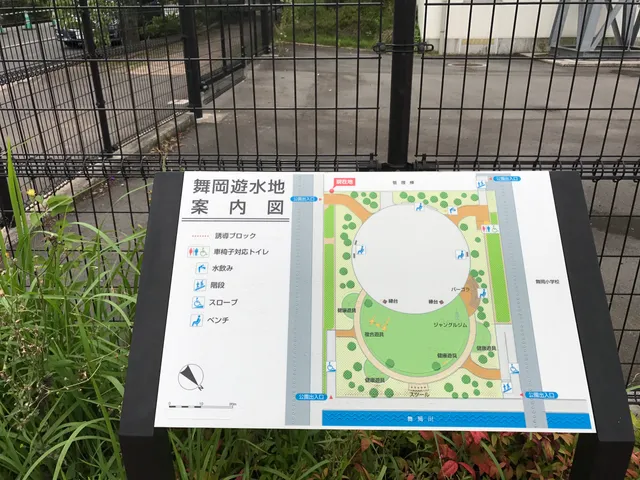
Maiokagawayusuichi Park
534 Maiokacho, Totsuka Ward, Yokohama, Kanagawa 244-0813, Japan
Nearby restaurants
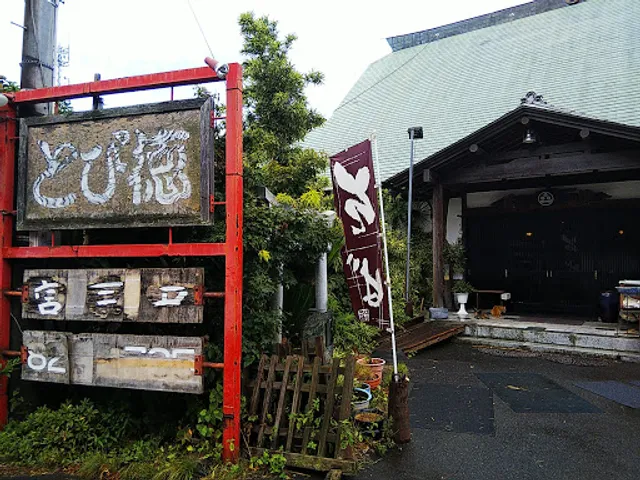
Tobitoku
1126 Maiokacho, Totsuka Ward, Yokohama, Kanagawa 244-0813, Japan
ビストロ・タッキー BistroTakki
1 Chome-66-2 Higiriyama, Konan Ward, Yokohama, Kanagawa 233-0015, Japan
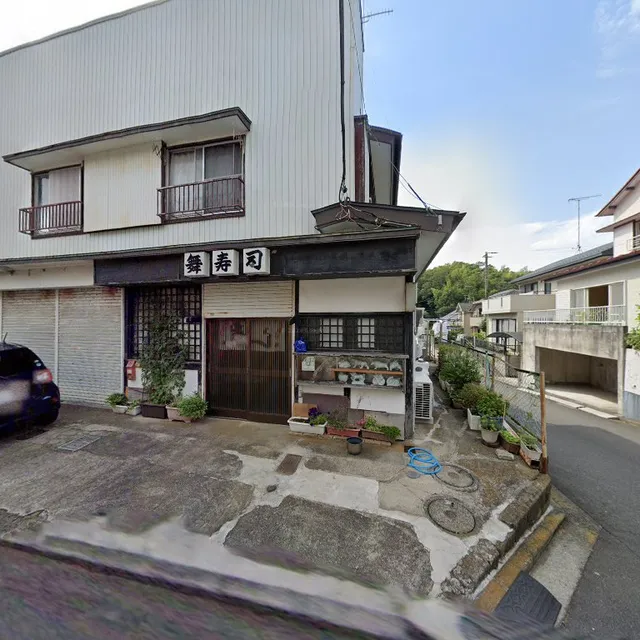
Mai Sushi
4 Chome-45-1 Minamimaioka, Totsuka Ward, Yokohama, Kanagawa 244-0814, Japan
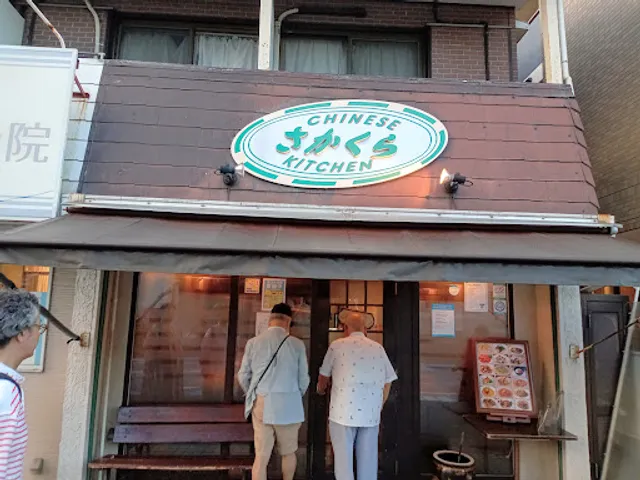
Chinese Kitchen Sakakura
135 Yoshidacho, Totsuka Ward, Yokohama, Kanagawa 244-0817, Japan
Nearby hotels
Related posts
Keywords
Maioka Hachimangu tourism.Maioka Hachimangu hotels.Maioka Hachimangu bed and breakfast. flights to Maioka Hachimangu.Maioka Hachimangu attractions.Maioka Hachimangu restaurants.Maioka Hachimangu travel.Maioka Hachimangu travel guide.Maioka Hachimangu travel blog.Maioka Hachimangu pictures.Maioka Hachimangu photos.Maioka Hachimangu travel tips.Maioka Hachimangu maps.Maioka Hachimangu things to do.
Maioka Hachimangu things to do, attractions, restaurants, events info and trip planning
Maioka Hachimangu
JapanKanagawa PrefectureYokohamaMaioka Hachimangu

Basic Info

Maioka Hachimangu

946 Maiokacho, Totsuka Ward, Yokohama, Kanagawa 244-0813, Japan
4.1(41)
Open 24 hours
Save
spot

Ratings & Description

Info

Cultural
Family friendly
attractions: Maioka Furusato no Mori, Yoshidacho Dainichidani Park, Maiokagawayusuichi Park, restaurants: Tobitoku, ビストロ・タッキー BistroTakki, Mai Sushi, Chinese Kitchen Sakakura
logoLearn more insights from Wanderboat AI.
Phone
+81 45-731-0668

Plan your stay

hotel
Pet-friendly Hotels in Yokohama
Find a cozy hotel nearby and make it a full experience.
hotel
Affordable Hotels in Yokohama
Find a cozy hotel nearby and make it a full experience.
hotel
The Coolest Hotels You Haven't Heard Of (Yet)
Find a cozy hotel nearby and make it a full experience.
hotel
Trending Stays Worth the Hype in Yokohama
Find a cozy hotel nearby and make it a full experience.

Reviews

Nearby attractions of Maioka Hachimangu

Maioka Furusato no Mori

Yoshidacho Dainichidani Park

Maiokagawayusuichi Park

Maioka Furusato no Mori

Maioka Furusato no Mori

4.1

(29)

Open 24 hours
Click for details
Yoshidacho Dainichidani Park

Yoshidacho Dainichidani Park

3.4

(14)

Open 24 hours
Click for details
Maiokagawayusuichi Park

Maiokagawayusuichi Park

3.7

(68)

Open 24 hours
Click for details

Things to do nearby

Kamakura History Walk: Buddha, Bamboo & More
Sat, Dec 13 • 12:30 PM
248-0012, Kanagawa Prefecture, Kamakura, Japan
View details
Hidden Kamakura Walk with a Local Guide
Sat, Dec 13 • 9:00 AM
247-0062, Kanagawa Prefecture, Kamakura, Japan
View details
Practice Judo with a former UfC fighter
Mon, Dec 8 • 7:30 PM
227-0055, Kanagawa Prefecture, Yokohama, Japan
View details

Nearby restaurants of Maioka Hachimangu

Tobitoku

ビストロ・タッキー BistroTakki

Mai Sushi

Chinese Kitchen Sakakura

Tobitoku

Tobitoku

4.0

(59)

Click for details
ビストロ・タッキー BistroTakki

ビストロ・タッキー BistroTakki

4.6

(34)

Click for details
Mai Sushi

Mai Sushi

4.4

(4)

Click for details
Chinese Kitchen Sakakura

Chinese Kitchen Sakakura

4.3

(44)

$$

Click for details
Get the Appoverlay
Get the AppOne tap to find yournext favorite spots!
Wanderboat LogoWanderboat

Your everyday Al companion for getaway ideas

CompanyAbout Us
InformationAI Trip PlannerSitemap
SocialXInstagramTiktokLinkedin
LegalTerms of ServicePrivacy Policy

Get the app

© 2025 Wanderboat. All rights reserved.
logo

Reviews of Maioka Hachimangu

4.1
(41)
avatar
4.0
4y

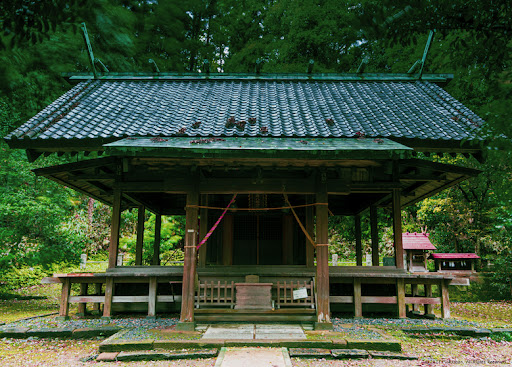
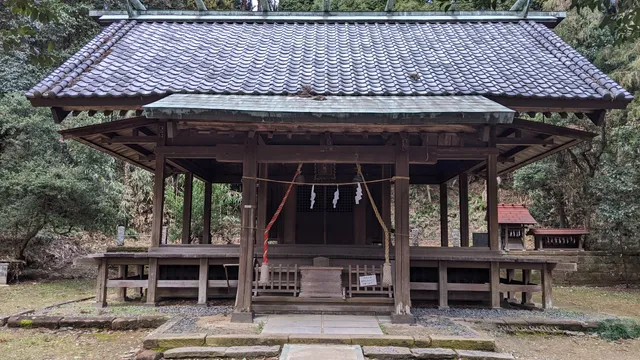
Founded in 1302, this Shinto Shrine was renamed to Maioka Hachimangu Shrine in 1891 upon its merger with three other nearby shrines in Totsuka Ward of Yokohama. The shrine is home to six deity and holds 11 different festivals throughout the year. The shrine is closely associated with the local farmers who primarily grow rice in rice paddies that can be found in the small valley surrounding the shrine. The shrine is also home to a 245-year-old ginkgo tree that has received a Distinguished Historic Tree designation, which aims to preserve and protect the tree for future generations. The smaller shrines on the right side of the main shrine structure were built in 1945 to worship the spirits of the war dead dating from the Sino-Japan War to WWII who were from the Maioka village. On the day of this photo shoot, I was pleasantly surprised to hear so many frogs calling out to each other in the rice paddies. Shinto Shrine in Yokohama Front view of Maioka Hachimangu Shrine, located on a hillside surrounded by rice paddies in Totsuka Ward, Yokohama. This is a relatively obscure shrine known mostly by locals only. I used to live near here many years ago and have wanted to make a return visit for a long time. Shinto Shrine in Yokohama Side view of Maioka Hachimangu Shrine, located on a hillside surrounded by rice paddies in Totsuka Ward, Yokohama (Kanagawa Prefecture). This angle more clearly reveals the large “stage” area where some of the ceremonies associated with certain festivals are performed by the local community. Lion-Dog Statue with Jewel Komainu, or so-called “lion-dogs” according to some translations, are typically in pairs with one on the left and one on the right near the approach to a Shinto shrine for the purpose of protecting the shrine from evil. The sphere under the paw is supposed to be a jewel that symbolizes a ball of vital energy according to some sources. Stone Lantern at Local Shinto Shrine I have always been fascinated by the various types and materials used in the lanterns found at different shrines, temples, and gardens across Japan. Here at the Maioka Hachimangu Shrine (Yokohama, Kanagawa Pref.), there are only two tall stone lanterns on either side of the path leading to the shrine, which are about 2 meters tall each (approx. 6 1/2 feet tall). Nothing unique really, but I love the amount of foliage surrounding the lanterns and buildings of this small rural shrine. Stone Shrine Gate Although sometimes wooden and painted in vermillion red, or several other materials with and without paint, some Shinto shrine torii gates are also made of stone, which I assume require less maintenance and are more resilient against the many earthquakes and typhoons that rack the islands of Japan. I am not a big fan of the type using what looks like PVC pipe painted red, but if the shrine is on or near the ocean, I guess that would be the most resistant material. The shrine at this shrine was nothing special really. I want to come hear again with the rice fields are full of rice just before harvest time. That would make for a nice "rural" landscape shot whilst actually located near several, modern, suburban housing developments. ★★Check out the Pix4Japan YouTube channel for a short video highlighting the vibe of...

   Read more
avatar
3.0
3y

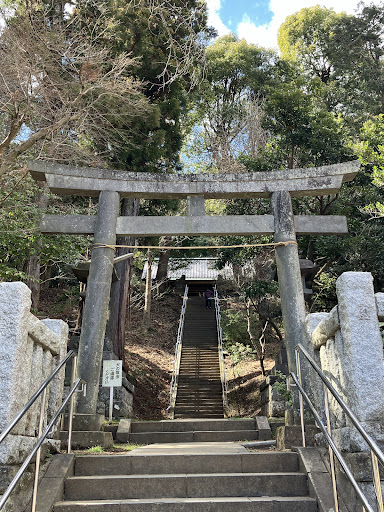
2022/12/11 舞岡町小川アメニティの小径沿いに、参道の鳥居が在る。長い参道を行くと、本殿への階段の前に鳥居が在る。その辺りに、この神社の由来が書いてある。概略は、 「祭神」:主誉田別命、他5柱。 「舞岡の由来/創建」:昔この村は腰村と呼ばれていた。1302年(鎌倉時代 乾元元年=けんげん元年)3月、白旗が空に舞うという奇瑞が起ったのに因み、腰村を 舞岡村 と改称し、且つ石清水八幡宮を勧請したという。明治41年、村内の第六天社/若宮八幡の御嶽社を合祀、昭和4年に舞岡神社と改称、昭和41年以後、旧社号 舞岡八幡宮 に戻る。 白旗が関わるが、白旗神社では無い。 本殿は質素で、風通しの良い作りになっている。 本殿への階段の周りや本殿脇には、いくつかの石塔が有る。

①堅牢地神碑: 「堅牢地神 當郷講民中・維時 元治第ニ星宿之辺三月造建」 初めて見る 第ニ星宿之辺 の意味は不明。 当地の講の民にて、江戸後期(元治年間1864~1865年)に建立。

②合祀碑: 「奉 睦祀 第六天社/白山社/三王社/蔵王社 幸護」 この碑の後ろには、合祀された社の古い祠と石碑(第六天社)や、寄進者の名が彫られた碑が有る。

③忠魂碑: 「英霊殿...」 昭和40年建立。日清/日露戦争の戦没者の忠魂碑に、支那事変/大東亜戦争の戦没者も合祀していた。その碑は旧川上小学校(国道1号線近く、現 山崎製パン横浜第一工場...

   Read more
avatar
5.0
12w

オヤジ駄俳人。 舞浜はディズニー。舞岡はフォレスト。 舞岡駅から出ると、ここどこ? 田んぼと森と道路に囲まれて、東西南北がわからない。これが有名な孔明の鬼門遁甲か?! とりあえず、東西にそれぞれ3歩ぐらい歩いてみれば、東に郵便局、西にファミマがあるので南の道を行けば良い。 もともとは腰(越)村だったが、白幡が空を舞っているのを見つけ(秦野市まで、ただよって落ちたそうだ)、この吉兆に舞岡村と名前を変えた。吉兆ついでに、石清水の八幡宮を勧請してこの神社が誕生した。それは妖怪の「いったんもめん」でないかい?! さて「幡」を調べると軍旗という意味があるそうだ。なるほど、白幡は源氏の旗だから八幡宮を勧請しようとなったのかな。 しかし、この神社、なんだだかスゴイのよ。鳥居入った辺りから「スゴイ」という独り言を連発(あぶない奴やんけ)。普通の山の斜面と竹林なんだか、わからんオーラに当てられた感じ。 本殿は舞台と一緒になっていて、奉納舞を神様のすぐ前で披露できる。これは舞岡という村名を意識して創られたのかな。舞岡踊りも創ればよかったのに。 他、戦没慰霊社が移設され、現在はここにある。 ーーーー 夏の空 いったんもめんも 吉兆に 汗ダクで 木々と田んぼに 道迷う 夏の...

   Read more
Page 1 of 7
Previous
Next

Posts

Daisei Iketani (Pix4Japan)Daisei Iketani (Pix4Japan)
Founded in 1302, this Shinto Shrine was renamed to Maioka Hachimangu Shrine in 1891 upon its merger with three other nearby shrines in Totsuka Ward of Yokohama. The shrine is home to six deity and holds 11 different festivals throughout the year. The shrine is closely associated with the local farmers who primarily grow rice in rice paddies that can be found in the small valley surrounding the shrine. The shrine is also home to a 245-year-old ginkgo tree that has received a Distinguished Historic Tree designation, which aims to preserve and protect the tree for future generations. The smaller shrines on the right side of the main shrine structure were built in 1945 to worship the spirits of the war dead dating from the Sino-Japan War to WWII who were from the Maioka village. On the day of this photo shoot, I was pleasantly surprised to hear so many frogs calling out to each other in the rice paddies. 1. Shinto Shrine in Yokohama Front view of Maioka Hachimangu Shrine, located on a hillside surrounded by rice paddies in Totsuka Ward, Yokohama. This is a relatively obscure shrine known mostly by locals only. I used to live near here many years ago and have wanted to make a return visit for a long time. 2. Shinto Shrine in Yokohama Side view of Maioka Hachimangu Shrine, located on a hillside surrounded by rice paddies in Totsuka Ward, Yokohama (Kanagawa Prefecture). This angle more clearly reveals the large “stage” area where some of the ceremonies associated with certain festivals are performed by the local community. 3. Lion-Dog Statue with Jewel Komainu, or so-called “lion-dogs” according to some translations, are typically in pairs with one on the left and one on the right near the approach to a Shinto shrine for the purpose of protecting the shrine from evil. The sphere under the paw is supposed to be a jewel that symbolizes a ball of vital energy according to some sources. 4. Stone Lantern at Local Shinto Shrine I have always been fascinated by the various types and materials used in the lanterns found at different shrines, temples, and gardens across Japan. Here at the Maioka Hachimangu Shrine (Yokohama, Kanagawa Pref.), there are only two tall stone lanterns on either side of the path leading to the shrine, which are about 2 meters tall each (approx. 6 1/2 feet tall). Nothing unique really, but I love the amount of foliage surrounding the lanterns and buildings of this small rural shrine. 5. Stone Shrine Gate Although sometimes wooden and painted in vermillion red, or several other materials with and without paint, some Shinto shrine torii gates are also made of stone, which I assume require less maintenance and are more resilient against the many earthquakes and typhoons that rack the islands of Japan. I am not a big fan of the type using what looks like PVC pipe painted red, but if the shrine is on or near the ocean, I guess that would be the most resistant material. The shrine at this shrine was nothing special really. I want to come hear again with the rice fields are full of rice just before harvest time. That would make for a nice "rural" landscape shot whilst actually located near several, modern, suburban housing developments. ★★Check out the Pix4Japan YouTube channel for a short video highlighting the vibe of this location.★★
E KE K
2022/12/11 舞岡町小川アメニティの小径沿いに、参道の鳥居が在る。長い参道を行くと、本殿への階段の前に鳥居が在る。その辺りに、この神社の由来が書いてある。概略は、 「祭神」:主誉田別命、他5柱。 「舞岡の由来/創建」:昔この村は腰村と呼ばれていた。1302年(鎌倉時代 乾元元年=けんげん元年)3月、白旗が空に舞うという奇瑞が起ったのに因み、腰村を 舞岡村 と改称し、且つ石清水八幡宮を勧請したという。明治41年、村内の第六天社/若宮八幡の御嶽社を合祀、昭和4年に舞岡神社と改称、昭和41年以後、旧社号 舞岡八幡宮 に戻る。 白旗が関わるが、白旗神社では無い。 本殿は質素で、風通しの良い作りになっている。 本殿への階段の周りや本殿脇には、いくつかの石塔が有る。 ①堅牢地神碑: 「堅牢地神 當郷講民中・維時 元治第ニ星宿之辺三月造建」 初めて見る 第ニ星宿之辺 の意味は不明。 当地の講の民にて、江戸後期(元治年間1864~1865年)に建立。 ②合祀碑: 「奉 睦祀 第六天社/白山社/三王社/蔵王社 幸護」 この碑の後ろには、合祀された社の古い祠と石碑(第六天社)や、寄進者の名が彫られた碑が有る。 ③忠魂碑: 「英霊殿...」 昭和40年建立。日清/日露戦争の戦没者の忠魂碑に、支那事変/大東亜戦争の戦没者も合祀していた。その碑は旧川上小学校(国道1号線近く、現 山崎製パン横浜第一工場 向い辺り)の校庭の隅の高台に有ったが、戦後連合軍の令により忠魂碑が解体された。その礎石は分魂され、各町内の神社に祀ったという。 「忠魂碑の受難の歴史」は最近知った。此処でも、それを確認することになるとは。思うに、学校に有るものは撤去で、必ずしも解体ではなかったようだ。学校に有ったが運良く解体を免れた碑が、矢部町の「谷矢部池公園」の中に有る。
花山進花山進
オヤジ駄俳人。 舞浜はディズニー。舞岡はフォレスト。 舞岡駅から出ると、ここどこ? 田んぼと森と道路に囲まれて、東西南北がわからない。これが有名な孔明の鬼門遁甲か?! とりあえず、東西にそれぞれ3歩ぐらい歩いてみれば、東に郵便局、西にファミマがあるので南の道を行けば良い。 もともとは腰(越)村だったが、白幡が空を舞っているのを見つけ(秦野市まで、ただよって落ちたそうだ)、この吉兆に舞岡村と名前を変えた。吉兆ついでに、石清水の八幡宮を勧請してこの神社が誕生した。それは妖怪の「いったんもめん」でないかい?! さて「幡」を調べると軍旗という意味があるそうだ。なるほど、白幡は源氏の旗だから八幡宮を勧請しようとなったのかな。 しかし、この神社、なんだだかスゴイのよ。鳥居入った辺りから「スゴイ」という独り言を連発(あぶない奴やんけ)。普通の山の斜面と竹林なんだか、わからんオーラに当てられた感じ。 本殿は舞台と一緒になっていて、奉納舞を神様のすぐ前で披露できる。これは舞岡という村名を意識して創られたのかな。舞岡踊りも創ればよかったのに。 他、戦没慰霊社が移設され、現在はここにある。 ーーーー 夏の空 いったんもめんも 吉兆に 汗ダクで 木々と田んぼに 道迷う 夏の果て 鎮魂こめる 奉納舞
See more posts
See more posts
hotel
Find your stay

Pet-friendly Hotels in Yokohama

Find a cozy hotel nearby and make it a full experience.

Founded in 1302, this Shinto Shrine was renamed to Maioka Hachimangu Shrine in 1891 upon its merger with three other nearby shrines in Totsuka Ward of Yokohama. The shrine is home to six deity and holds 11 different festivals throughout the year. The shrine is closely associated with the local farmers who primarily grow rice in rice paddies that can be found in the small valley surrounding the shrine. The shrine is also home to a 245-year-old ginkgo tree that has received a Distinguished Historic Tree designation, which aims to preserve and protect the tree for future generations. The smaller shrines on the right side of the main shrine structure were built in 1945 to worship the spirits of the war dead dating from the Sino-Japan War to WWII who were from the Maioka village. On the day of this photo shoot, I was pleasantly surprised to hear so many frogs calling out to each other in the rice paddies. 1. Shinto Shrine in Yokohama Front view of Maioka Hachimangu Shrine, located on a hillside surrounded by rice paddies in Totsuka Ward, Yokohama. This is a relatively obscure shrine known mostly by locals only. I used to live near here many years ago and have wanted to make a return visit for a long time. 2. Shinto Shrine in Yokohama Side view of Maioka Hachimangu Shrine, located on a hillside surrounded by rice paddies in Totsuka Ward, Yokohama (Kanagawa Prefecture). This angle more clearly reveals the large “stage” area where some of the ceremonies associated with certain festivals are performed by the local community. 3. Lion-Dog Statue with Jewel Komainu, or so-called “lion-dogs” according to some translations, are typically in pairs with one on the left and one on the right near the approach to a Shinto shrine for the purpose of protecting the shrine from evil. The sphere under the paw is supposed to be a jewel that symbolizes a ball of vital energy according to some sources. 4. Stone Lantern at Local Shinto Shrine I have always been fascinated by the various types and materials used in the lanterns found at different shrines, temples, and gardens across Japan. Here at the Maioka Hachimangu Shrine (Yokohama, Kanagawa Pref.), there are only two tall stone lanterns on either side of the path leading to the shrine, which are about 2 meters tall each (approx. 6 1/2 feet tall). Nothing unique really, but I love the amount of foliage surrounding the lanterns and buildings of this small rural shrine. 5. Stone Shrine Gate Although sometimes wooden and painted in vermillion red, or several other materials with and without paint, some Shinto shrine torii gates are also made of stone, which I assume require less maintenance and are more resilient against the many earthquakes and typhoons that rack the islands of Japan. I am not a big fan of the type using what looks like PVC pipe painted red, but if the shrine is on or near the ocean, I guess that would be the most resistant material. The shrine at this shrine was nothing special really. I want to come hear again with the rice fields are full of rice just before harvest time. That would make for a nice "rural" landscape shot whilst actually located near several, modern, suburban housing developments. ★★Check out the Pix4Japan YouTube channel for a short video highlighting the vibe of this location.★★
Daisei Iketani (Pix4Japan)

Daisei Iketani (Pix4Japan)

hotel
Find your stay

Affordable Hotels in Yokohama

Find a cozy hotel nearby and make it a full experience.

Get the Appoverlay
Get the AppOne tap to find yournext favorite spots!
2022/12/11 舞岡町小川アメニティの小径沿いに、参道の鳥居が在る。長い参道を行くと、本殿への階段の前に鳥居が在る。その辺りに、この神社の由来が書いてある。概略は、 「祭神」:主誉田別命、他5柱。 「舞岡の由来/創建」:昔この村は腰村と呼ばれていた。1302年(鎌倉時代 乾元元年=けんげん元年)3月、白旗が空に舞うという奇瑞が起ったのに因み、腰村を 舞岡村 と改称し、且つ石清水八幡宮を勧請したという。明治41年、村内の第六天社/若宮八幡の御嶽社を合祀、昭和4年に舞岡神社と改称、昭和41年以後、旧社号 舞岡八幡宮 に戻る。 白旗が関わるが、白旗神社では無い。 本殿は質素で、風通しの良い作りになっている。 本殿への階段の周りや本殿脇には、いくつかの石塔が有る。 ①堅牢地神碑: 「堅牢地神 當郷講民中・維時 元治第ニ星宿之辺三月造建」 初めて見る 第ニ星宿之辺 の意味は不明。 当地の講の民にて、江戸後期(元治年間1864~1865年)に建立。 ②合祀碑: 「奉 睦祀 第六天社/白山社/三王社/蔵王社 幸護」 この碑の後ろには、合祀された社の古い祠と石碑(第六天社)や、寄進者の名が彫られた碑が有る。 ③忠魂碑: 「英霊殿...」 昭和40年建立。日清/日露戦争の戦没者の忠魂碑に、支那事変/大東亜戦争の戦没者も合祀していた。その碑は旧川上小学校(国道1号線近く、現 山崎製パン横浜第一工場 向い辺り)の校庭の隅の高台に有ったが、戦後連合軍の令により忠魂碑が解体された。その礎石は分魂され、各町内の神社に祀ったという。 「忠魂碑の受難の歴史」は最近知った。此処でも、それを確認することになるとは。思うに、学校に有るものは撤去で、必ずしも解体ではなかったようだ。学校に有ったが運良く解体を免れた碑が、矢部町の「谷矢部池公園」の中に有る。
E K

E K

hotel
Find your stay

The Coolest Hotels You Haven't Heard Of (Yet)

Find a cozy hotel nearby and make it a full experience.

hotel
Find your stay

Trending Stays Worth the Hype in Yokohama

Find a cozy hotel nearby and make it a full experience.

オヤジ駄俳人。 舞浜はディズニー。舞岡はフォレスト。 舞岡駅から出ると、ここどこ? 田んぼと森と道路に囲まれて、東西南北がわからない。これが有名な孔明の鬼門遁甲か?! とりあえず、東西にそれぞれ3歩ぐらい歩いてみれば、東に郵便局、西にファミマがあるので南の道を行けば良い。 もともとは腰(越)村だったが、白幡が空を舞っているのを見つけ(秦野市まで、ただよって落ちたそうだ)、この吉兆に舞岡村と名前を変えた。吉兆ついでに、石清水の八幡宮を勧請してこの神社が誕生した。それは妖怪の「いったんもめん」でないかい?! さて「幡」を調べると軍旗という意味があるそうだ。なるほど、白幡は源氏の旗だから八幡宮を勧請しようとなったのかな。 しかし、この神社、なんだだかスゴイのよ。鳥居入った辺りから「スゴイ」という独り言を連発(あぶない奴やんけ)。普通の山の斜面と竹林なんだか、わからんオーラに当てられた感じ。 本殿は舞台と一緒になっていて、奉納舞を神様のすぐ前で披露できる。これは舞岡という村名を意識して創られたのかな。舞岡踊りも創ればよかったのに。 他、戦没慰霊社が移設され、現在はここにある。 ーーーー 夏の空 いったんもめんも 吉兆に 汗ダクで 木々と田んぼに 道迷う 夏の果て 鎮魂こめる 奉納舞
花山進

花山進

See more posts
See more posts