HTML SitemapExplore
logo
Find Things to DoFind The Best Restaurants

Abu Jaber Museum — Attraction in Al Salt

Name
Abu Jaber Museum
Description
Nearby attractions
As-Salt Archaeological Museum
2PQH+8J5, As-Salt, Jordan
Al Khader Church
2PRG+CX, As-Salt, Jordan
Nearby restaurants
Nearby hotels
Beit Aziz
prince Al Hassan bin Talal St, As-Salt, Jordan
Jordan Heritage Madhafa
77, Alkhader St 75, As-Salt, Jordan
Related posts
Keywords
Abu Jaber Museum tourism.Abu Jaber Museum hotels.Abu Jaber Museum bed and breakfast. flights to Abu Jaber Museum.Abu Jaber Museum attractions.Abu Jaber Museum restaurants.Abu Jaber Museum travel.Abu Jaber Museum travel guide.Abu Jaber Museum travel blog.Abu Jaber Museum pictures.Abu Jaber Museum photos.Abu Jaber Museum travel tips.Abu Jaber Museum maps.Abu Jaber Museum things to do.
Abu Jaber Museum things to do, attractions, restaurants, events info and trip planning
Abu Jaber Museum
JordanBalqaAl SaltAbu Jaber Museum

Basic Info

Abu Jaber Museum

حسين ابن طلال, Prince Hamza St, As-Salt 19110, Jordan
4.3(449)
Open 24 hours
Save
spot

Ratings & Description

Info

Cultural
Scenic
Family friendly
Accessibility
attractions: As-Salt Archaeological Museum, Al Khader Church, restaurants:
logoLearn more insights from Wanderboat AI.

Plan your stay

hotel
Pet-friendly Hotels in Al Salt
Find a cozy hotel nearby and make it a full experience.

hotel
Affordable Hotels in Al Salt
Find a cozy hotel nearby and make it a full experience.

hotel
The Coolest Hotels You Haven't Heard Of (Yet)
Find a cozy hotel nearby and make it a full experience.

hotel
Trending Stays Worth the Hype in Al Salt
Find a cozy hotel nearby and make it a full experience.

Reviews

Nearby attractions of Abu Jaber Museum

As-Salt Archaeological Museum

Al Khader Church

As-Salt Archaeological Museum

As-Salt Archaeological Museum

4.3

(395)

Open 24 hours
Click for details
Al Khader Church

Al Khader Church

4.8

(13)

Open 24 hours
Click for details

Things to do nearby

Eat like a local in Amman
Thu, Dec 11 • 6:00 PM
Amman, Amman Governorate 11110, Jordan
View details

Alternative Downtown Tour Through local Eyes
Thu, Dec 11 • 2:00 PM
Amman, Amman Governorate -, Jordan
View details
Discover*meet*Eat*live*drink*all JO-Amman!
Thu, Dec 11 • 3:00 PM
Amman, Amman Governorate 1191, Jordan
View details
Get the Appoverlay
Get the AppOne tap to find yournext favorite spots!
Wanderboat LogoWanderboat

Your everyday Al companion for getaway ideas

CompanyAbout Us
InformationAI Trip PlannerSitemap
SocialXInstagramTiktokLinkedin
LegalTerms of ServicePrivacy Policy

Get the app

© 2025 Wanderboat. All rights reserved.
logo

Reviews of Abu Jaber Museum

4.3
(449)
avatar
5.0
6y

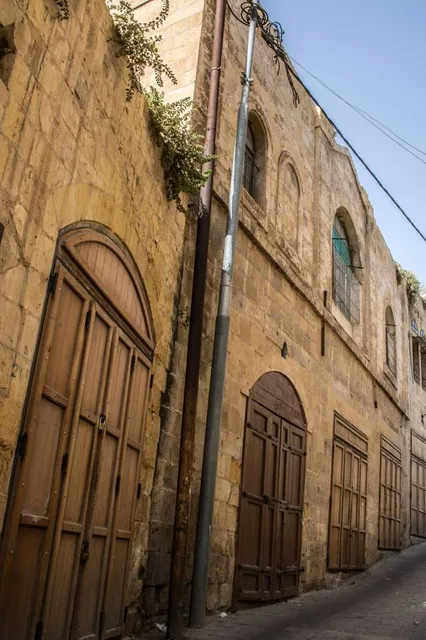
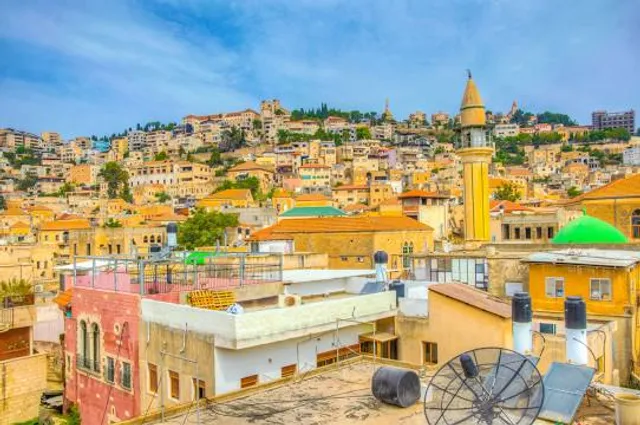
تنفرد مدينة السلط بمبانيها المقامة من الحجر الأصفر، المتناثرة على سفوح تلالها في تناغم وانسجام، ويرتبط تاريخ معظم هذه المباني بالعصر الذهبي للمدينة (1881-1918). ويرتبط هذا الطراز المعماري المتميز بأحداث تاريخية مهمة ويشهد على ازدهار تجاري كبير مما يضفي على المنطقة ثراءً في التنوع، ويكسبها رونقاً وبهاء ويجعلها ذات أهمية للأردن ويؤهلها بالتالي لأن تكون منطقة جذب سياحي.

ربما تكون السلط هي الوحيدة بين مدن المملكة التي تضم عدداً كبير من البيوت والمساجد والكنائس التي يتجاوز عمرها المائة عام بطراز معماري متميز ضمن دائرة لا يتجاوز قطرها 2000 متر، وربما يتجاوز عدد البيوت التراثية في مدينة السلط 1000 بيت شُيدت جميعها بالحجر الأصفر، وهذا عدد قد لا يتوفر في أي مكان آخر في الأردن.

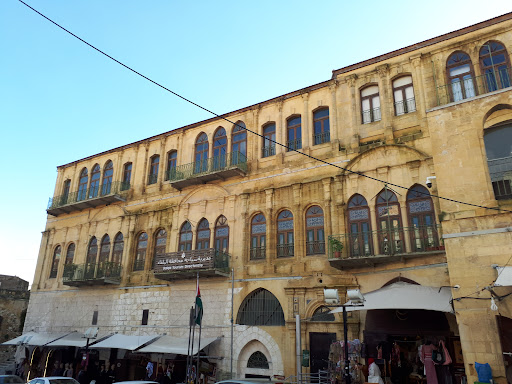
ويعد بيت أبو جابر أحد أبرز البيوت التراثية في وسط مدينة السلط العتيقة، ويعود تاريخه إلى أواخر القرن التاسع عشر.

ففي عام 1890 وبعد شراء الجوابرة للأرض بمساحة إجمالية 700 متر، تم هدم البيت القديم وبوشر ببناء الطابق الأرضي منه عام 1892 على مرحلتين؛ الأولى من الجهة الشرقية من الحجر الأبيض الذي جُلب من منطقة وادي شعيب. أما المرحلة الثانية في الطابق من الجهة الغربية فقد بنيت من الحجر الأصفر الذي جُلب من منطقة السلالم في السلط عام 1896.

وفي عام 1902 بوشر ببناء الطابق الأول نتيجة لتكاثر أفراد العائلة وازدياد المتطلبات الأساسية بحيث قسم الطابق إلى ثلاث شقق مستقلة، فسكنت العائلات هذا الطابق، وجهز هذا الطابق لاستقبال الضيوف وإقامة الولائم واستُغل الطابق الأرضي كاملا كمضافة ومستودع للغلال وخان للدواب ورواحل الضيوف.

إن النمط المعماري لهذا الطابق هو أنموذج للنمط المعماري التقليدي السائد في المنطقة في تلك الحقبة الزمنية، حيث يتكون من غرف عدة بأحجام مختلفة ومسقوفة إما بعقود برميلية أو متقاطعة، ويتطلب هذا النوع من البناء أن تكون الجدران سميكة بحيث تتراوح ما بين 60 سم و100 سم، والأبواب مقنطرة. أما السقف فقد بني على شكل قباب متقاطعة.

أهم استخدامات هذا الطابق تمثلت في السكن، أما الطابق الاول فقد اشتمل على ثلاثة أجنحة في كل منها غرفة رئيسة بعقد برميلي تقود إلى غرف أخرى متقاطعة العقود. وقد انعكس النمو الاقتصادي لمدينة السلط على هذا الطابق، حيث جاء أكثر إتقاناً في تفصيلاته المعمارية، وهو يتميز ببنائه من حجر "الحثّان" المدقق بتفصيلاته الحجرية المتقنة وجدرانه المكسوة بالجبس والمزخرفة، والشرفات البارزة التي استُخدمت الدعامات في بنائها.

وبعد الانتهاء من الطابق الأول والذي اقتصر على السكن، استُخدم الطابق الأرضي كمضافة ومخازن وإسطبلات.

وفي عام 1906 أضيف الطابق الثاني للبناء، حيث استُخدمت فيه حجارة السلط مرة أخرى كما استُخدم في هذا الطابق مواد أخرى جُلبت من الخارج (الرخام من إيطاليا، والقرميد من ألمانيا، والزجاج من بلجيكا)، واشتمل الطابق على ثلاث شقق في كل منها باحة داخلية وقاعة مزخرفة لاستقبال الضيوف. وأهم ما يميز هذا الطابق دقة تفاصيله؛ حيث السقف المزخرف، والسقوف المائلة والأدراج المعلقة. وامتاز أيضا بجدران بسماكة قليلة تصل إلى 30 سم وتحمل سقوفاً مائلة من الخشب مغطاة بالقرميد الأحمر، وقد بنيت جميع طوابق المبنى من قبل البَنَّاء النابلسي عبد...

   Read more
avatar
3.0
5y

An old house that was built in the late 19th century / early 20th century, when King Abdullah the first the founder of the Jordanian Hashemite kingdom first came to Jordan from Hijaz, he lived in this house as a guest until his residence was prepared, it was turned to a museum when he first came to the Kingdom from Hijaz, this three-story building that was owned by a wealthy merchant and turned into a museum in the 21st century is not well used, it contains very few artifacts/furniture on exhibit. It is a nice place to visit if you are in the area, but I wouldn’t recommend taking a special trip to see it, it is...

   Read more
avatar
3.0
6y

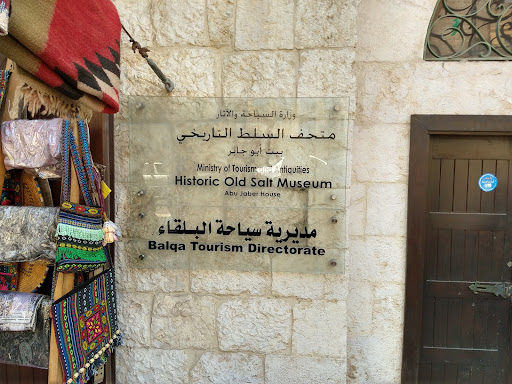
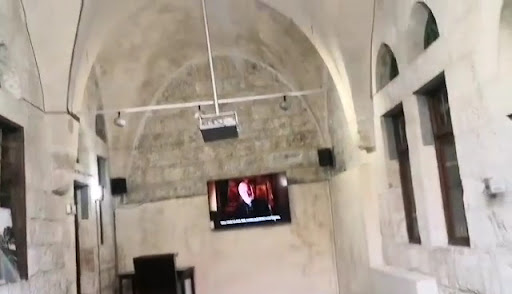
A small museum in the centre of the beautiful old city of As-Salt. Built in the late 19th century and it has coloured glasses on its windows. There is a information office at its entrance with souvenir shops near it. You can get a detail discription and location map of the historic buildings in the area. The first of which is this museum. Its a small yet sweet place. Not much to see but as a whole salt has a beautiful experience to offer. All of the sites to see are just walking distance from this museum. Not far from Ammam. A perfect place to visit for a...

   Read more
Page 1 of 7
Previous
Next

Posts

Mohammad QutishatMohammad Qutishat
An old house that was built in the late 19th century / early 20th century, when King Abdullah the first the founder of the Jordanian Hashemite kingdom first came to Jordan from Hijaz, he lived in this house as a guest until his residence was prepared, it was turned to a museum when he first came to the Kingdom from Hijaz, this three-story building that was owned by a wealthy merchant and turned into a museum in the 21st century is not well used, it contains very few artifacts/furniture on exhibit. It is a nice place to visit if you are in the area, but I wouldn’t recommend taking a special trip to see it, it is not worth it.
G SBLG SBL
A small museum in the centre of the beautiful old city of As-Salt. Built in the late 19th century and it has coloured glasses on its windows. There is a information office at its entrance with souvenir shops near it. You can get a detail discription and location map of the historic buildings in the area. The first of which is this museum. Its a small yet sweet place. Not much to see but as a whole salt has a beautiful experience to offer. All of the sites to see are just walking distance from this museum. Not far from Ammam. A perfect place to visit for a weekend trip.
Gaspar Le MassonGaspar Le Masson
Musée gratuit. Entre 1896 et 1905, l'architecte nabulsi Abdel Rahman al Aqrouq a construit la maison la plus belle et la plus raffinée d'As-Salt pour la famille Abu Jaber. Située bien en vue sur la place principale (Sahet al Ain), la maison d'Abu Jaber éclipse tous les autres bâtiments de la ville - y compris la Saraya du gouvernement ottoman - et reste l'une des icônes architecturales les plus significatives de la Jordanie d'aujourd'hui. Saleh al Nasser abu Jaber a acheté le terrain sur lequel la maison a été construite en 1887 et a commencé à construire le rez-de-chaussée. Le premier étage a été ajouté en 1896 et le rez-de-chaussée a donc été utilisé comme entrepôt et pour les invités. Le deuxième étage a été ajouté en 1905. Le premier étage était donc utilisé pour les invités et le rez-de-chaussée servait de khan et d'écurie pour les chevaux. La maison a reçu la visite de personnalités importantes telles que le roi Abdallah Ier de Jordanie en 1922 et le prince Shakeeb Arsalan du Liban. Les boutiques au rez-de-chaussée sont surmontées de deux étages d'espace résidentiel divisé en trois appartements, un pour chacun des fils de Saleh Abu Jaber. Le bâtiment est couronné d'un toit en pente complexe, composé de tuiles rouges importées spécialement de Marseille, en France. La maison comptait plus de fenêtres que n'importe quelle autre maison de la ville, avec du verre coloré et du fer forgé intégrés dans des linteaux en pierre finement sculptés, encadrés par des colonnes, des moulures en plâtre et des plafonds peints. C'est également l'une des premières maisons de la ville à disposer d'une plomberie interne. La maison Abu Jaber a été transformée en musée en 2010.
See more posts
See more posts
hotel
Find your stay

Pet-friendly Hotels in Al Salt

Find a cozy hotel nearby and make it a full experience.

An old house that was built in the late 19th century / early 20th century, when King Abdullah the first the founder of the Jordanian Hashemite kingdom first came to Jordan from Hijaz, he lived in this house as a guest until his residence was prepared, it was turned to a museum when he first came to the Kingdom from Hijaz, this three-story building that was owned by a wealthy merchant and turned into a museum in the 21st century is not well used, it contains very few artifacts/furniture on exhibit. It is a nice place to visit if you are in the area, but I wouldn’t recommend taking a special trip to see it, it is not worth it.
Mohammad Qutishat

Mohammad Qutishat

hotel
Find your stay

Affordable Hotels in Al Salt

Find a cozy hotel nearby and make it a full experience.

Get the Appoverlay
Get the AppOne tap to find yournext favorite spots!
A small museum in the centre of the beautiful old city of As-Salt. Built in the late 19th century and it has coloured glasses on its windows. There is a information office at its entrance with souvenir shops near it. You can get a detail discription and location map of the historic buildings in the area. The first of which is this museum. Its a small yet sweet place. Not much to see but as a whole salt has a beautiful experience to offer. All of the sites to see are just walking distance from this museum. Not far from Ammam. A perfect place to visit for a weekend trip.
G SBL

G SBL

hotel
Find your stay

The Coolest Hotels You Haven't Heard Of (Yet)

Find a cozy hotel nearby and make it a full experience.

hotel
Find your stay

Trending Stays Worth the Hype in Al Salt

Find a cozy hotel nearby and make it a full experience.

Musée gratuit. Entre 1896 et 1905, l'architecte nabulsi Abdel Rahman al Aqrouq a construit la maison la plus belle et la plus raffinée d'As-Salt pour la famille Abu Jaber. Située bien en vue sur la place principale (Sahet al Ain), la maison d'Abu Jaber éclipse tous les autres bâtiments de la ville - y compris la Saraya du gouvernement ottoman - et reste l'une des icônes architecturales les plus significatives de la Jordanie d'aujourd'hui. Saleh al Nasser abu Jaber a acheté le terrain sur lequel la maison a été construite en 1887 et a commencé à construire le rez-de-chaussée. Le premier étage a été ajouté en 1896 et le rez-de-chaussée a donc été utilisé comme entrepôt et pour les invités. Le deuxième étage a été ajouté en 1905. Le premier étage était donc utilisé pour les invités et le rez-de-chaussée servait de khan et d'écurie pour les chevaux. La maison a reçu la visite de personnalités importantes telles que le roi Abdallah Ier de Jordanie en 1922 et le prince Shakeeb Arsalan du Liban. Les boutiques au rez-de-chaussée sont surmontées de deux étages d'espace résidentiel divisé en trois appartements, un pour chacun des fils de Saleh Abu Jaber. Le bâtiment est couronné d'un toit en pente complexe, composé de tuiles rouges importées spécialement de Marseille, en France. La maison comptait plus de fenêtres que n'importe quelle autre maison de la ville, avec du verre coloré et du fer forgé intégrés dans des linteaux en pierre finement sculptés, encadrés par des colonnes, des moulures en plâtre et des plafonds peints. C'est également l'une des premières maisons de la ville à disposer d'une plomberie interne. La maison Abu Jaber a été transformée en musée en 2010.
Gaspar Le Masson

Gaspar Le Masson

See more posts
See more posts