HTML SitemapExplore
logo
Find Things to DoFind The Best Restaurants

Daugavpils Fortress — Attraction in Daugavpils

Name
Daugavpils Fortress
Description
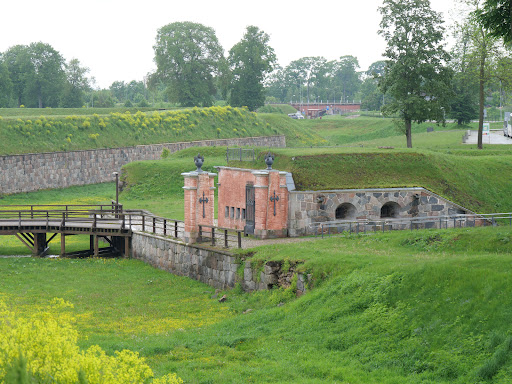
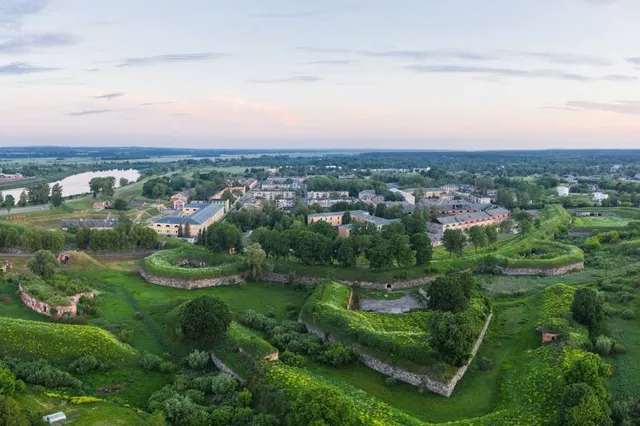
Daugavpils Fortress, also known as Dinaburg Fortress or Dvinsk Fortress, is an early 19th century fortress in Daugavpils, Latvia. It is the only early 19th century military fortification of its kind in Northern Europe that has been preserved without significant alterations.
Nearby attractions
Rotko muzejs
Mihaila iela 3, Daugavpils, LV-5401, Latvia
Nearby restaurants
Nearby hotels
Related posts
Keywords
Daugavpils Fortress tourism.Daugavpils Fortress hotels.Daugavpils Fortress bed and breakfast. flights to Daugavpils Fortress.Daugavpils Fortress attractions.Daugavpils Fortress restaurants.Daugavpils Fortress travel.Daugavpils Fortress travel guide.Daugavpils Fortress travel blog.Daugavpils Fortress pictures.Daugavpils Fortress photos.Daugavpils Fortress travel tips.Daugavpils Fortress maps.Daugavpils Fortress things to do.
Daugavpils Fortress things to do, attractions, restaurants, events info and trip planning
Daugavpils Fortress
LatviaDaugavpilsDaugavpils Fortress

Basic Info

Daugavpils Fortress

Daugavas iela 38, Daugavpils, LV-5401, Latvia
4.5(1.4K)
Open until 12:00 AM
Save
spot

Ratings & Description

Info

Daugavpils Fortress, also known as Dinaburg Fortress or Dvinsk Fortress, is an early 19th century fortress in Daugavpils, Latvia. It is the only early 19th century military fortification of its kind in Northern Europe that has been preserved without significant alterations.

Cultural
Outdoor
Family friendly
attractions: Rotko muzejs, restaurants:
logoLearn more insights from Wanderboat AI.
Phone
+371 65 424 043
Website
visitdaugavpils.lv
Open hoursSee all hours
FriOpen 24 hoursOpen

Plan your stay

hotel
Pet-friendly Hotels in Daugavpils
Find a cozy hotel nearby and make it a full experience.
hotel
Affordable Hotels in Daugavpils
Find a cozy hotel nearby and make it a full experience.
hotel
The Coolest Hotels You Haven't Heard Of (Yet)
Find a cozy hotel nearby and make it a full experience.
hotel
Trending Stays Worth the Hype in Daugavpils
Find a cozy hotel nearby and make it a full experience.

Reviews

Nearby attractions of Daugavpils Fortress

Rotko muzejs

Rotko muzejs

Rotko muzejs

4.5

(1.5K)

Closed
Click for details
Get the Appoverlay
Get the AppOne tap to find yournext favorite spots!
Wanderboat LogoWanderboat

Your everyday Al companion for getaway ideas

CompanyAbout Us
InformationAI Trip PlannerSitemap
SocialXInstagramTiktokLinkedin
LegalTerms of ServicePrivacy Policy

Get the app

© 2025 Wanderboat. All rights reserved.
logo

Posts

David SnethenDavid Snethen
First of all, I recommend that anyone who visits should at least do some cursory research ahead of time. I'm not going to post my research here because there are several websites (start with Wikipedia) where you can discover the rich and unique history on your own. I visited with a group of friends and it was raining off-and-on while we were there. We stayed for about two hours total and barely scratched the surface of just how impressive this fortress is. If I lived in or near this town, I would be at this place a lot. The city has sanctioned this area basically as a park and it is free to enter and walk around. They have a list of rules posted in several languages, but basically if you aren't trashing the place or conducting an unauthorized excavation, you're okay. When we walked inside, I thought "Is that all?" and then we realized we had only passed through the outer walls. We were able to see the water outline of the walls on Google maps and determine an approximate size of the place. We clearly did not have time to see everything, but what we saw was impressive! It would be a great service to the legacy of this citadel to refurbish one of the old buildings into a small museum that explains the history better. When you walk around, there are plaques and signs that explain a little of what is important, but it is difficult to put everything into context without this type of facility. (There is a museum inside the walls, but it was an art museum(??) so we did not go inside.) I'm sure it's nice but we just didn't have time for that. Overall, this was my favorite thing to see in Daugavpils. As I said before, I would like them to put a small museum inside to better explain the historical context of the site. If you are ever in Eastern Latvia and you enjoy history, you should make an effort to visit.
KoenKoen
Big, bigger, biggest! The history of the Daugavpils Fortress actually begins in 1772 with the First Partition of Poland, when Dyneburg (Polish for Daugavpils) fell into Russian hands and became a border town. Although the Second and Third Partitions of Poland moved the border many kilometers away from Dyneburg, the Napoleonic Wars forced Tsar Alexander I to order the construction of a Dyneburg Fortress in 1810. After a slow start and a revision of the plans, some 10,000 workers built a huge Vauban fortress. In 1812, part of Napoleon's Grande Armée attacked the still unfinished fortress. The garrison already stationed there, which had safely retreated behind the Western Dvina, managed to repel the French attacks with artillery fire. The construction of the fortress lasted until 1878, partly due to the invasion of Napoleon, long delays, floods and a slow work pace. Nevertheless, the immense fortress (area = ±2 km2) is a modern and important military stronghold. During the first Latvian independence (1920-1940), the Daugavpils Fort became the base of the Latvian army. After the fortress was captured by the Germans during WWII, they established the POW camp Stalag 340 here. From 1948 to 1993, the fortress was home to the Daugavpils Higher School of Military Aircraft Engineering, but after the regained Latvian independence, the Daugavpils Fort lost its military function. As of 2025, parts of the fortress have been restored, several museums are located there (including the Mark Rothko Art Center) and people live there. Daugavpils Fortress, the best preserved early 19th century citadel in Northern Europe, is definitely worth an (extended) visit!
Edgars RutkovskisEdgars Rutkovskis
Beatiful and historic place. Has remainings of the Fortress and some other old buildings. Nice walk around, although why only 4 stars. Despite having a museum of art, medicine, and war, it feels like it hasn't been used to its full potential. Some work needs to be done on some of the old buildings which are in ruins, which could be used for other cultural or entertaining purposes. Ofcourse it might also be a slight mood killer that it has local residents sharing the routes and part of the grounds of the Fortress. Nevertheless worth your visitx entry into the inside of the fortnerr is free, you can just come in. Hope to see see some potential future development!
See more posts
See more posts
hotel
Find your stay

Pet-friendly Hotels in Daugavpils

Find a cozy hotel nearby and make it a full experience.

First of all, I recommend that anyone who visits should at least do some cursory research ahead of time. I'm not going to post my research here because there are several websites (start with Wikipedia) where you can discover the rich and unique history on your own. I visited with a group of friends and it was raining off-and-on while we were there. We stayed for about two hours total and barely scratched the surface of just how impressive this fortress is. If I lived in or near this town, I would be at this place a lot. The city has sanctioned this area basically as a park and it is free to enter and walk around. They have a list of rules posted in several languages, but basically if you aren't trashing the place or conducting an unauthorized excavation, you're okay. When we walked inside, I thought "Is that all?" and then we realized we had only passed through the outer walls. We were able to see the water outline of the walls on Google maps and determine an approximate size of the place. We clearly did not have time to see everything, but what we saw was impressive! It would be a great service to the legacy of this citadel to refurbish one of the old buildings into a small museum that explains the history better. When you walk around, there are plaques and signs that explain a little of what is important, but it is difficult to put everything into context without this type of facility. (There is a museum inside the walls, but it was an art museum(??) so we did not go inside.) I'm sure it's nice but we just didn't have time for that. Overall, this was my favorite thing to see in Daugavpils. As I said before, I would like them to put a small museum inside to better explain the historical context of the site. If you are ever in Eastern Latvia and you enjoy history, you should make an effort to visit.
David Snethen

David Snethen

hotel
Find your stay

Affordable Hotels in Daugavpils

Find a cozy hotel nearby and make it a full experience.

Get the Appoverlay
Get the AppOne tap to find yournext favorite spots!
Big, bigger, biggest! The history of the Daugavpils Fortress actually begins in 1772 with the First Partition of Poland, when Dyneburg (Polish for Daugavpils) fell into Russian hands and became a border town. Although the Second and Third Partitions of Poland moved the border many kilometers away from Dyneburg, the Napoleonic Wars forced Tsar Alexander I to order the construction of a Dyneburg Fortress in 1810. After a slow start and a revision of the plans, some 10,000 workers built a huge Vauban fortress. In 1812, part of Napoleon's Grande Armée attacked the still unfinished fortress. The garrison already stationed there, which had safely retreated behind the Western Dvina, managed to repel the French attacks with artillery fire. The construction of the fortress lasted until 1878, partly due to the invasion of Napoleon, long delays, floods and a slow work pace. Nevertheless, the immense fortress (area = ±2 km2) is a modern and important military stronghold. During the first Latvian independence (1920-1940), the Daugavpils Fort became the base of the Latvian army. After the fortress was captured by the Germans during WWII, they established the POW camp Stalag 340 here. From 1948 to 1993, the fortress was home to the Daugavpils Higher School of Military Aircraft Engineering, but after the regained Latvian independence, the Daugavpils Fort lost its military function. As of 2025, parts of the fortress have been restored, several museums are located there (including the Mark Rothko Art Center) and people live there. Daugavpils Fortress, the best preserved early 19th century citadel in Northern Europe, is definitely worth an (extended) visit!
Koen

Koen

hotel
Find your stay

The Coolest Hotels You Haven't Heard Of (Yet)

Find a cozy hotel nearby and make it a full experience.

hotel
Find your stay

Trending Stays Worth the Hype in Daugavpils

Find a cozy hotel nearby and make it a full experience.

Beatiful and historic place. Has remainings of the Fortress and some other old buildings. Nice walk around, although why only 4 stars. Despite having a museum of art, medicine, and war, it feels like it hasn't been used to its full potential. Some work needs to be done on some of the old buildings which are in ruins, which could be used for other cultural or entertaining purposes. Ofcourse it might also be a slight mood killer that it has local residents sharing the routes and part of the grounds of the Fortress. Nevertheless worth your visitx entry into the inside of the fortnerr is free, you can just come in. Hope to see see some potential future development!
Edgars Rutkovskis

Edgars Rutkovskis

See more posts
See more posts

Reviews of Daugavpils Fortress

4.5
(1,413)
avatar
4.0
8y

First of all, I recommend that anyone who visits should at least do some cursory research ahead of time. I'm not going to post my research here because there are several websites (start with Wikipedia) where you can discover the rich and unique history on your own.

I visited with a group of friends and it was raining off-and-on while we were there. We stayed for about two hours total and barely scratched the surface of just how impressive this fortress is. If I lived in or near this town, I would be at this place a lot.

The city has sanctioned this area basically as a park and it is free to enter and walk around. They have a list of rules posted in several languages, but basically if you aren't trashing the place or conducting an unauthorized excavation, you're okay.

When we walked inside, I thought "Is that all?" and then we realized we had only passed through the outer walls. We were able to see the water outline of the walls on Google maps and determine an approximate size of the place. We clearly did not have time to see everything, but what we saw was impressive!

It would be a great service to the legacy of this citadel to refurbish one of the old buildings into a small museum that explains the history better. When you walk around, there are plaques and signs that explain a little of what is important, but it is difficult to put everything into context without this type of facility. (There is a museum inside the walls, but it was an art museum(??) so we did not go inside.) I'm sure it's nice but we just didn't have time for that.

Overall, this was my favorite thing to see in Daugavpils. As I said before, I would like them to put a small museum inside to better explain the historical context of the site. If you are ever in Eastern Latvia and you enjoy history, you should make an...

   Read more
avatar
5.0
22w

Big, bigger, biggest! The history of the Daugavpils Fortress actually begins in 1772 with the First Partition of Poland, when Dyneburg (Polish for Daugavpils) fell into Russian hands and became a border town. Although the Second and Third Partitions of Poland moved the border many kilometers away from Dyneburg, the Napoleonic Wars forced Tsar Alexander I to order the construction of a Dyneburg Fortress in 1810. After a slow start and a revision of the plans, some 10,000 workers built a huge Vauban fortress. In 1812, part of Napoleon's Grande Armée attacked the still unfinished fortress. The garrison already stationed there, which had safely retreated behind the Western Dvina, managed to repel the French attacks with artillery fire. The construction of the fortress lasted until 1878, partly due to the invasion of Napoleon, long delays, floods and a slow work pace. Nevertheless, the immense fortress (area = ±2 km2) is a modern and important military stronghold. During the first Latvian independence (1920-1940), the Daugavpils Fort became the base of the Latvian army. After the fortress was captured by the Germans during WWII, they established the POW camp Stalag 340 here. From 1948 to 1993, the fortress was home to the Daugavpils Higher School of Military Aircraft Engineering, but after the regained Latvian independence, the Daugavpils Fort lost its military function. As of 2025, parts of the fortress have been restored, several museums are located there (including the Mark Rothko Art Center) and people live there. Daugavpils Fortress, the best preserved early 19th century citadel in Northern Europe, is definitely worth an...

   Read more
avatar
5.0
5y

Несмотря на то, что можно было оставить машину у гостиницы и пройтись до крепости (минут 30-40), поехали туда на своем авто. Заезд возможен прямо на территорию крепости, а парковка расположена прямо возле действующего регионального отделения полиции, размещенном в отреставрированном бывшем офицерском доме, на втором этаже которого были помещения самого Российского Императора. Как выяснилось, на территории крепости есть несколько жилых домов советской постройки в которых и сейчас живут люди. Вообще, наверное, супер, и в небольшом отдалении от центра города, но имеется и своя «парковая» зона и полицейское управление, так что с порядком, вероятно, проблем нет. В бывшем здании водонапорного пункта располагается туристический инфопункт и там же можно заказать экскурсию по крепости. Оплата, к сожалению, только наличными. Отвыкли мы от этого уже. Но это не проблема. Гид Ксения провела нас по территории крепости, интересно рассказывая об истории самого города, крепости и крепостных зданий (пороховой склад, крепостные казематы и валы, госпиталь, офицерский дом и казармы). Все понравилось! Выяснилось, что все восстановительные и строительные работы – это заслуга местных энтузиастов-историков, которые выбивают деньги и помогают развивать крепость, а с ней и туристическую ценность города. В планах открыть в крепости реставрационную мастерскую и филиал Рижского моторного музея. Во главе всех энтузиастов похоже тот самый молодой человек (если не ошибаюсь,Артем), которого мы встретили году в 2006-ом, прогулявшись по крепости и попытавшись найти ответы на ряд вопросов у "паренька" на кассе. Так тот "паренек" «задержал» нас тогда минут на 45, так увлеченно и интересно рассказывал он об истории своего города и крепости. Было бы здорово, если это действительно он, приятно, когда стремления людей воплощаются в реальность. P.S. Выезд из Даугавпилса в направлении Литвы проходит мимо еще одного редута от старой крепости, расположенного с другой стороны реки, но сейчас там тюрьма, но ведутся переговоры об ее переносе и возвращении территории под владение крепости. Обязательно посетим крепость...

   Read more
Page 1 of 7
Previous
Next