Located on the southern coast of Lebanon, 83 km south of Beirut, the antique town of Tyre was the great Phoenician city that reigned over the seas and founded prosperous colonies such as Cadiz and Carthage and according to legend, was the place of the discovery of purple pigment.
From the 5th century B.C., when Herodotus of Halicarnassus visited Tyre, it was built for the most part on an island reportedly impregnable, considered one of the oldest metropolises of the world, and according to tradition founded in 2750 B.C. Tyre succumbed to the attack of Alexander of Macedonia who had blocked the straits by a dike. First a Greek city, and then a Roman city were constructed on this site, which is now a promontory.
Tyre was directly associated with several stages in the history of humanity, including the production of purple pigment reserved for royalty and nobility, the construction in Jerusalem of the Temple of Solomon, thanks to the material and architect sent by the King Hiram of Tyre; and the exploration of the seas by hardy navigators who founded prosperous trading centres as far away as the western Mediterranean, that ultimately assured a quasi-monopoly of the important maritime commerce for the Phoenician city. The historic role of Tyre declined at the end of the period of the Crusades.
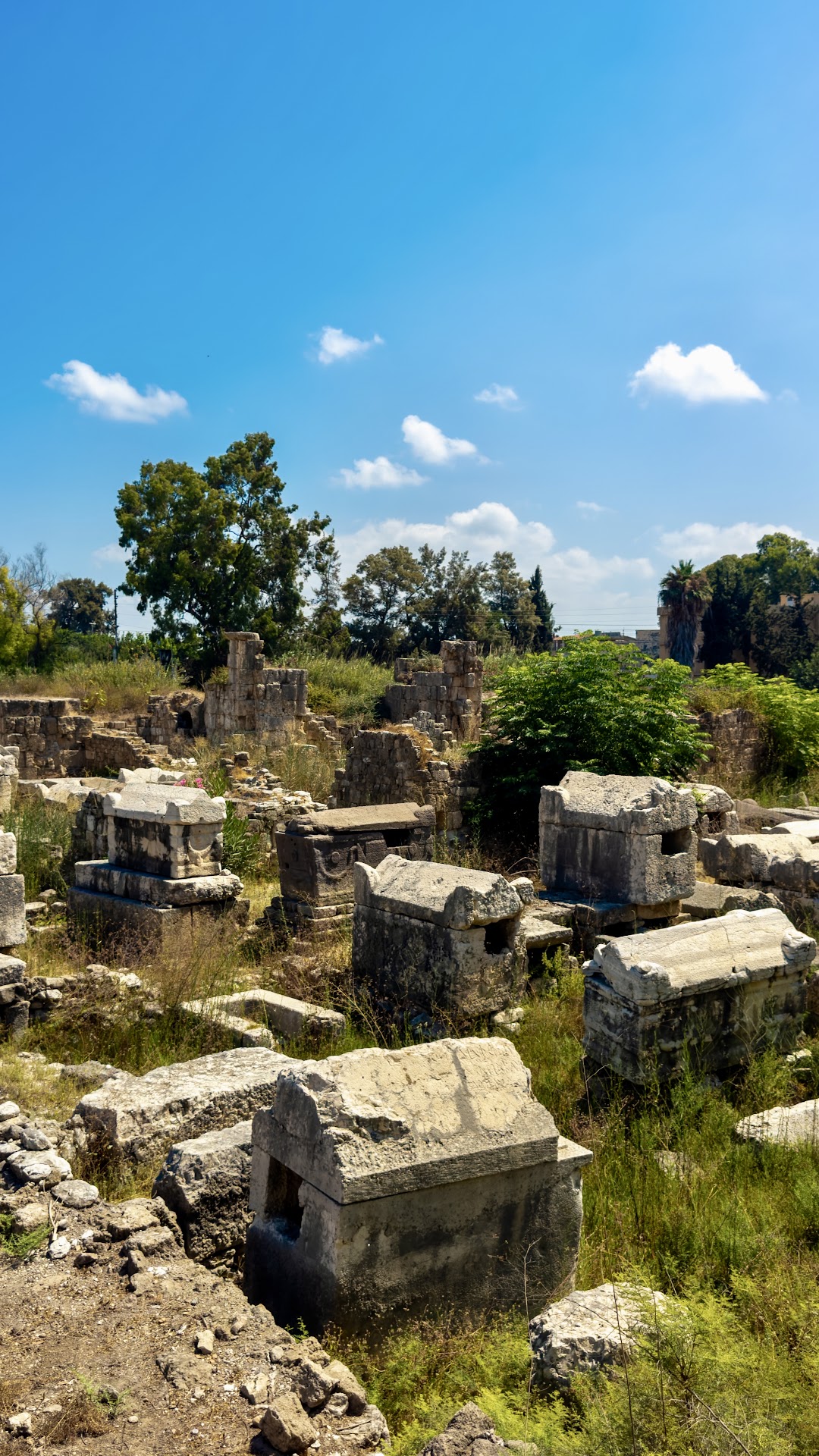
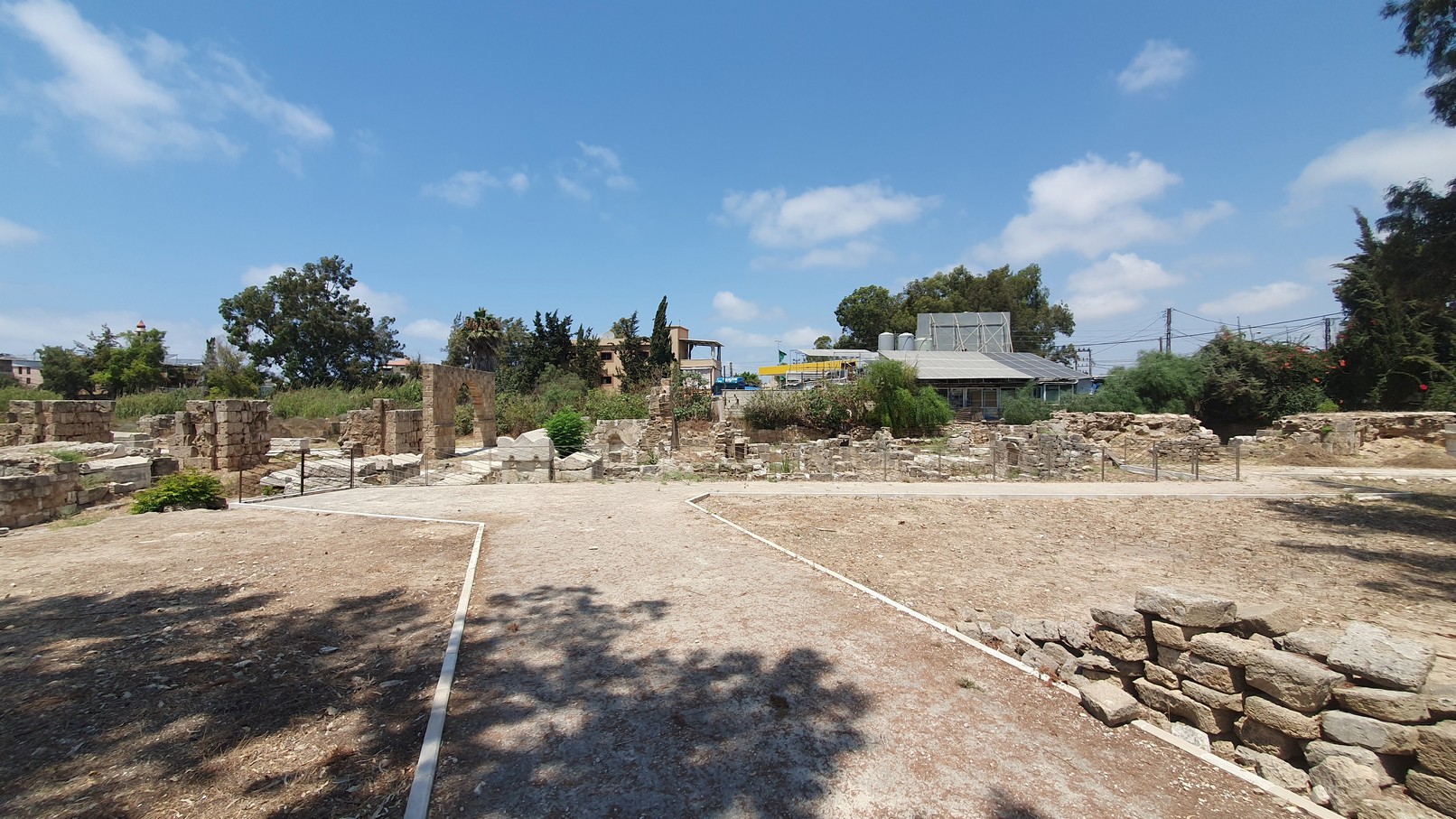
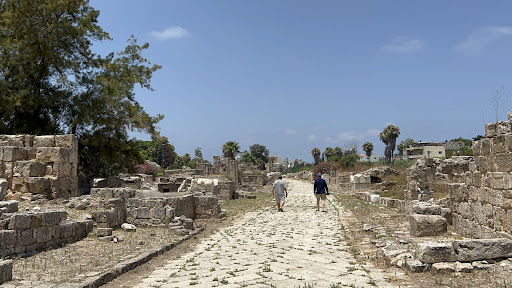
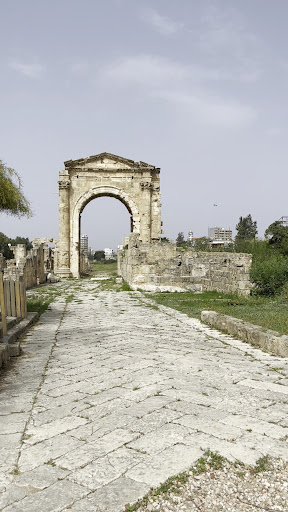
In the modern town of Soûr, the property consists of two distinct sites: the one of the town, on the headland, and the one of the Necropolis of El Bass, on the continent. The site of the town comprises important archaeological vestiges, a great part of which is submerged. The most noteworthy structures are the vestiges of the Roman baths, the two palaestrae, the arena, the Roman colonnaded road, the residential quarter, as well as the remains of the cathedral built in 1127 by the Venetians and some of the walls of the ancient Crusader castle. The sector of Tyre El Bass, constituting the principal entrance of the town in antique times, comprises the remains of the necropolis, on either side of a wide monumental causeway dominated by a Roman triumphal arch dating from the 2nd century AD. Among the other vestiges are an aqueduct and the hippodrome of the 2nd century, one of the largest of the...
Read more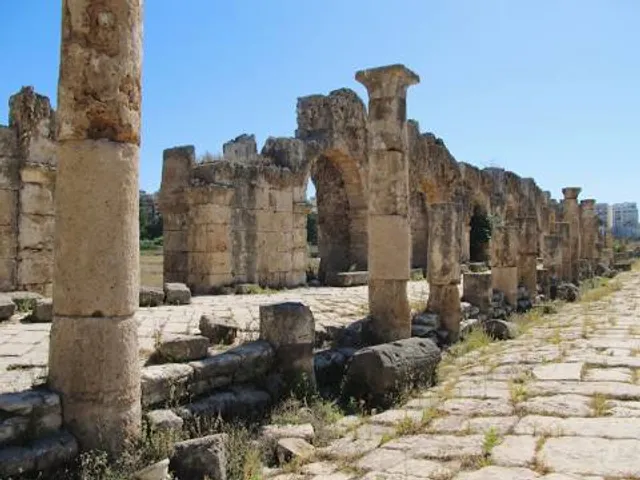
 Learn more insights from Wanderboat AI.