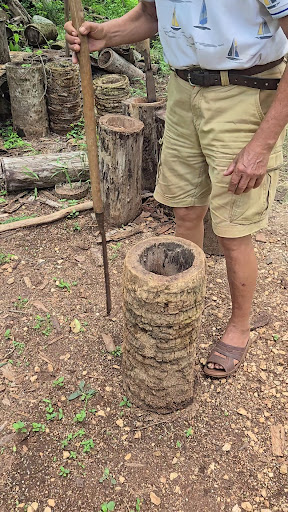
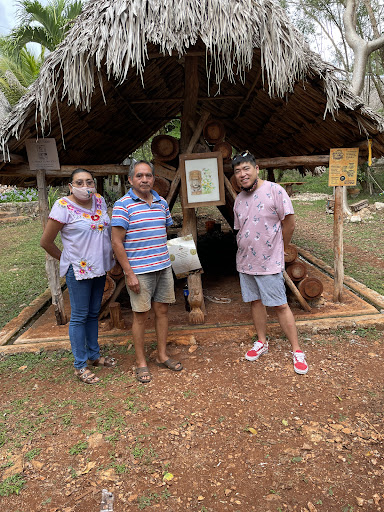
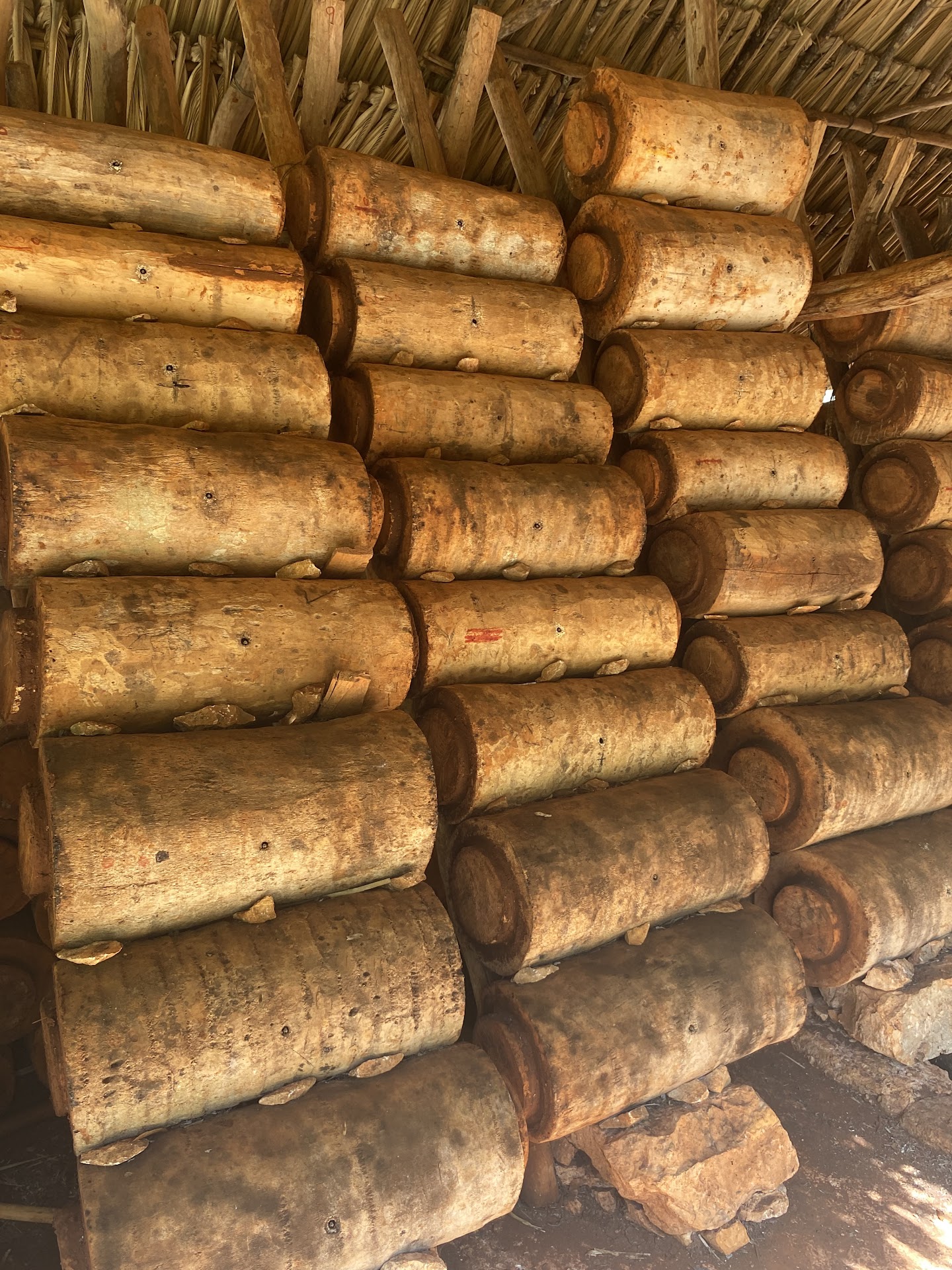
Meliponario "U Naajil Yuum K'iin" things to do, attractions, restaurants, events info and trip planning
Basic Info
Meliponario "U Naajil Yuum K'iin"
Calle 34 Calle 29 &, 97850 Maní, Yuc., Mexico
4.9(103)
Closed
Save
spot
spot
Ratings & Description
Info
Cultural
Outdoor
Family friendly
Off the beaten path
attractions: Cenote XCabachen de Mani, restaurants: El Príncipe Tutul Xiu, Venzze, La Mestiza de Maní, Cocina Tradicional de Maní, Tuuch Kaaj, Restaurante tuz, local businesses: Convento de San Miguel Arcángel
 Learn more insights from Wanderboat AI.
Phone
+52 997 105 8121
Website
tuzbalanm.wixsite.com
Open hoursSee all hours
Sun9 AM - 5 PMClosed
Plan your stay

Pet-friendly Hotels in Maní
Find a cozy hotel nearby and make it a full experience.

Affordable Hotels in Maní
Find a cozy hotel nearby and make it a full experience.

The Coolest Hotels You Haven't Heard Of (Yet)
Find a cozy hotel nearby and make it a full experience.

Trending Stays Worth the Hype in Maní
Find a cozy hotel nearby and make it a full experience.
Reviews
Live events
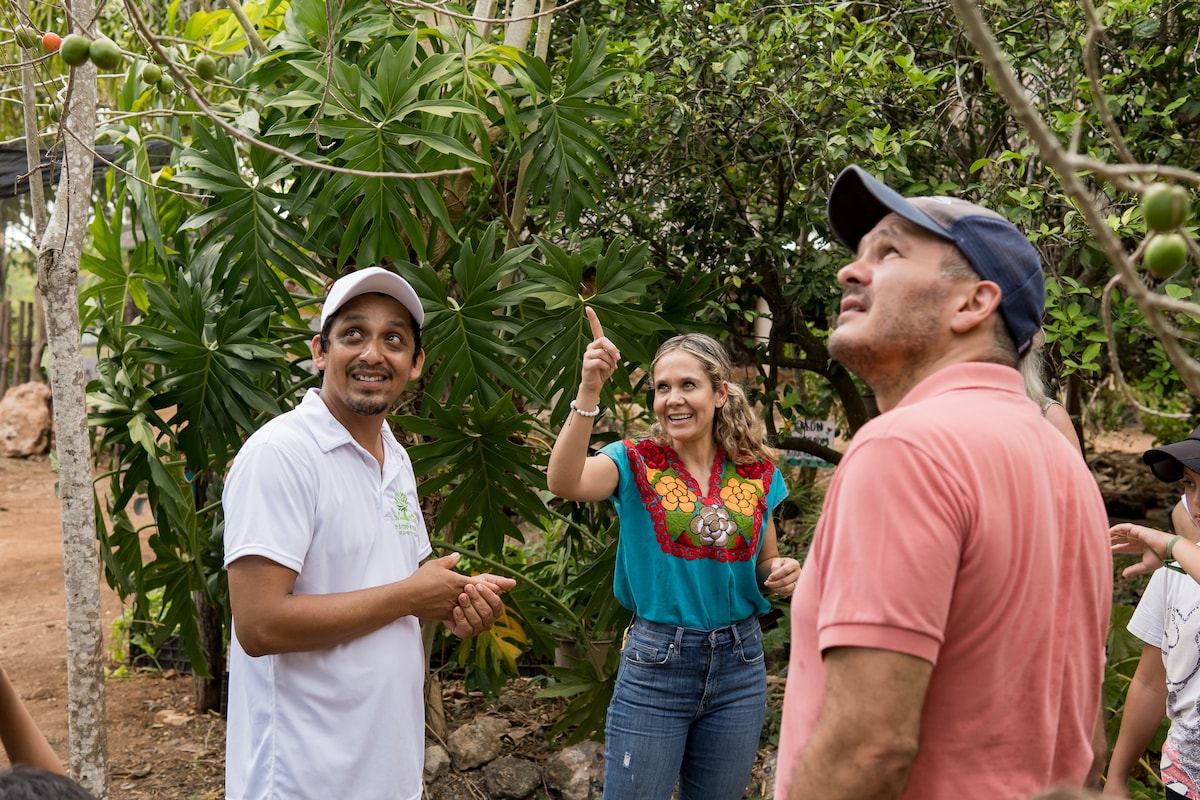
Explore Local Gems
Sun, Feb 22 • 9:00 AM
97850, Merida, Yucatan, Mexico
View details
Mayan Bike Tour: hacienda, cenotes, and food
Sun, Feb 22 • 10:00 AM
97823, Pixyá, Yucatán, Mexico
View details
Nearby attractions of Meliponario "U Naajil Yuum K'iin"
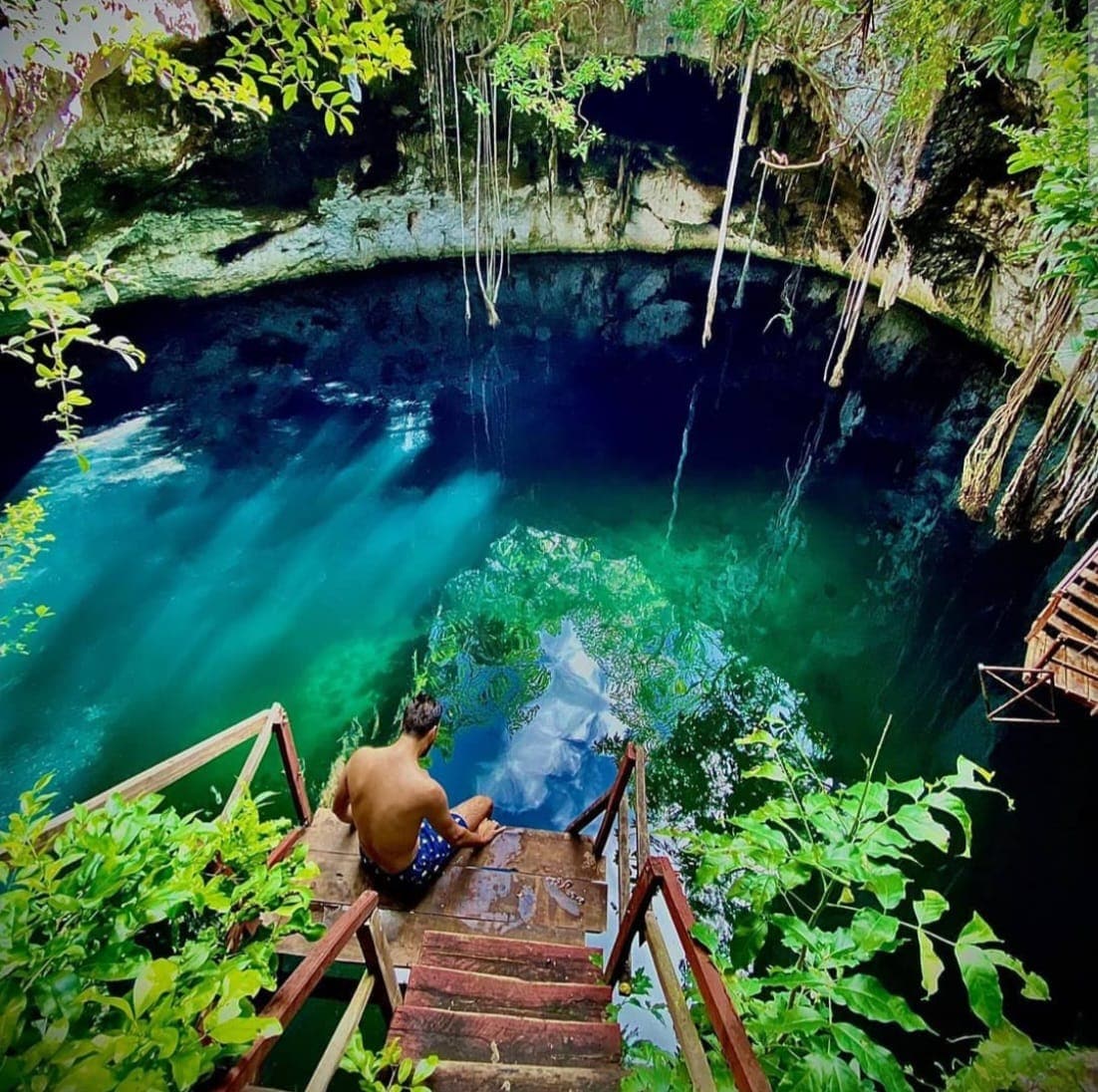
Cenote XCabachen de Mani
Cenote XCabachen de Mani
4.1
(262)
Open 24 hours
Click for details
Nearby restaurants of Meliponario "U Naajil Yuum K'iin"
El Príncipe Tutul Xiu
Venzze
La Mestiza de Maní
Cocina Tradicional de Maní
Tuuch Kaaj
Restaurante tuz
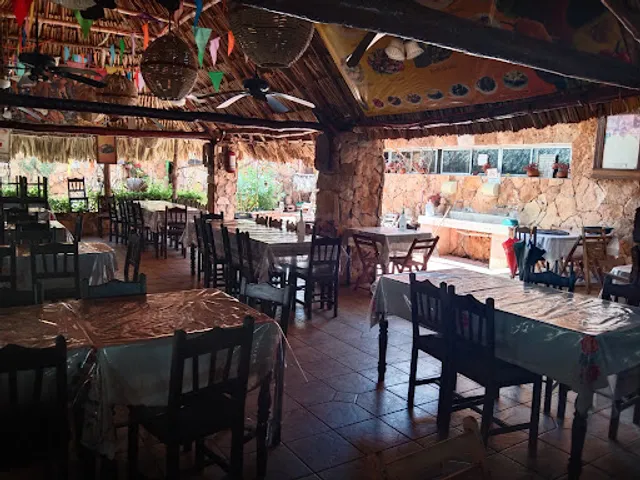
El Príncipe Tutul Xiu
4.6
(2.4K)
Closed
Click for details

Venzze
4.7
(101)
Closed
Click for details
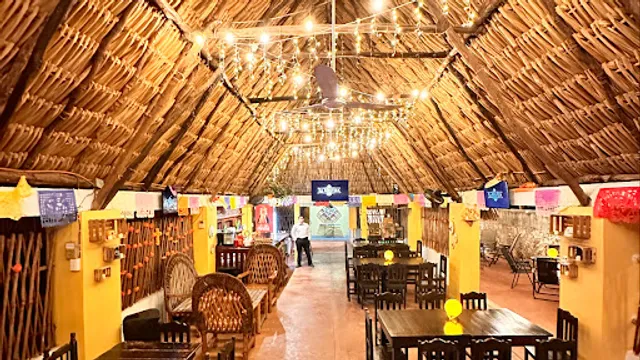
La Mestiza de Maní
4.3
(75)
Closed
Click for details
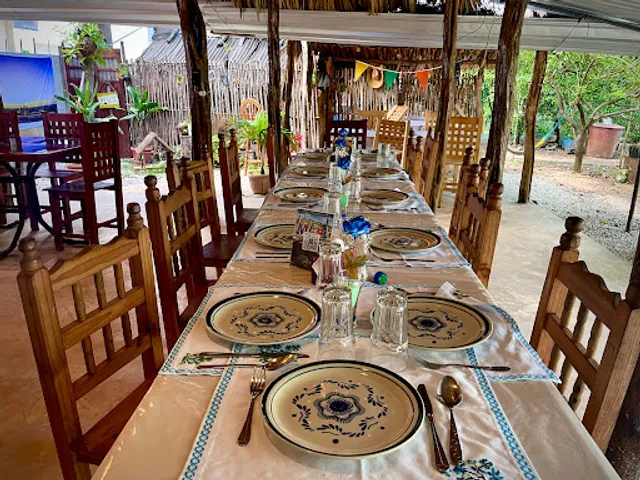
Cocina Tradicional de Maní
4.8
(136)
Closed
Click for details
Nearby local services of Meliponario "U Naajil Yuum K'iin"
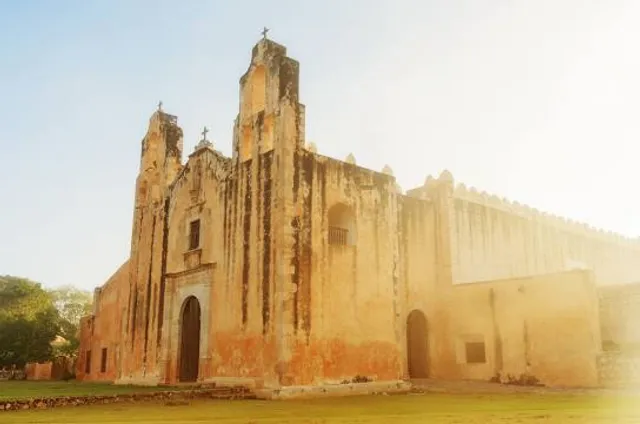
Convento de San Miguel Arcángel
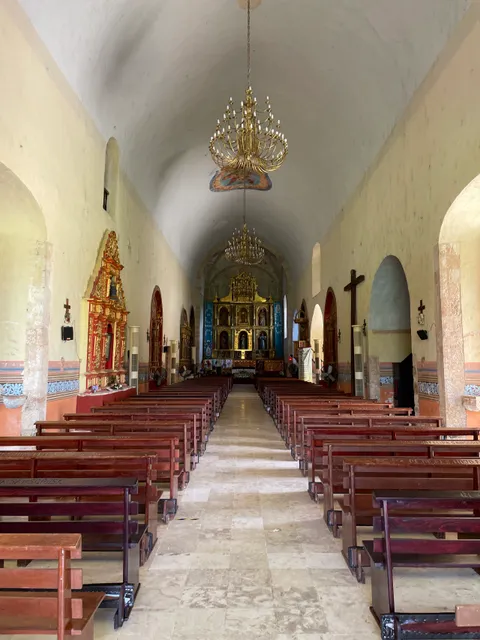
Convento de San Miguel Arcángel
4.8
(67)
Click for details