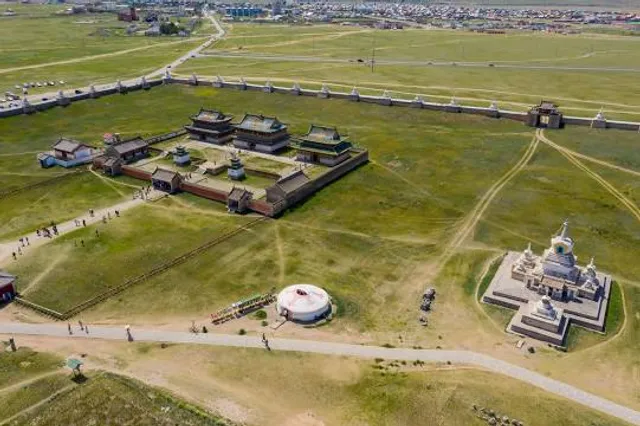
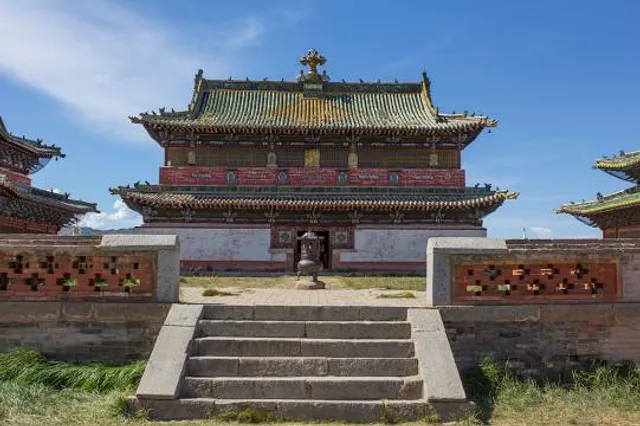
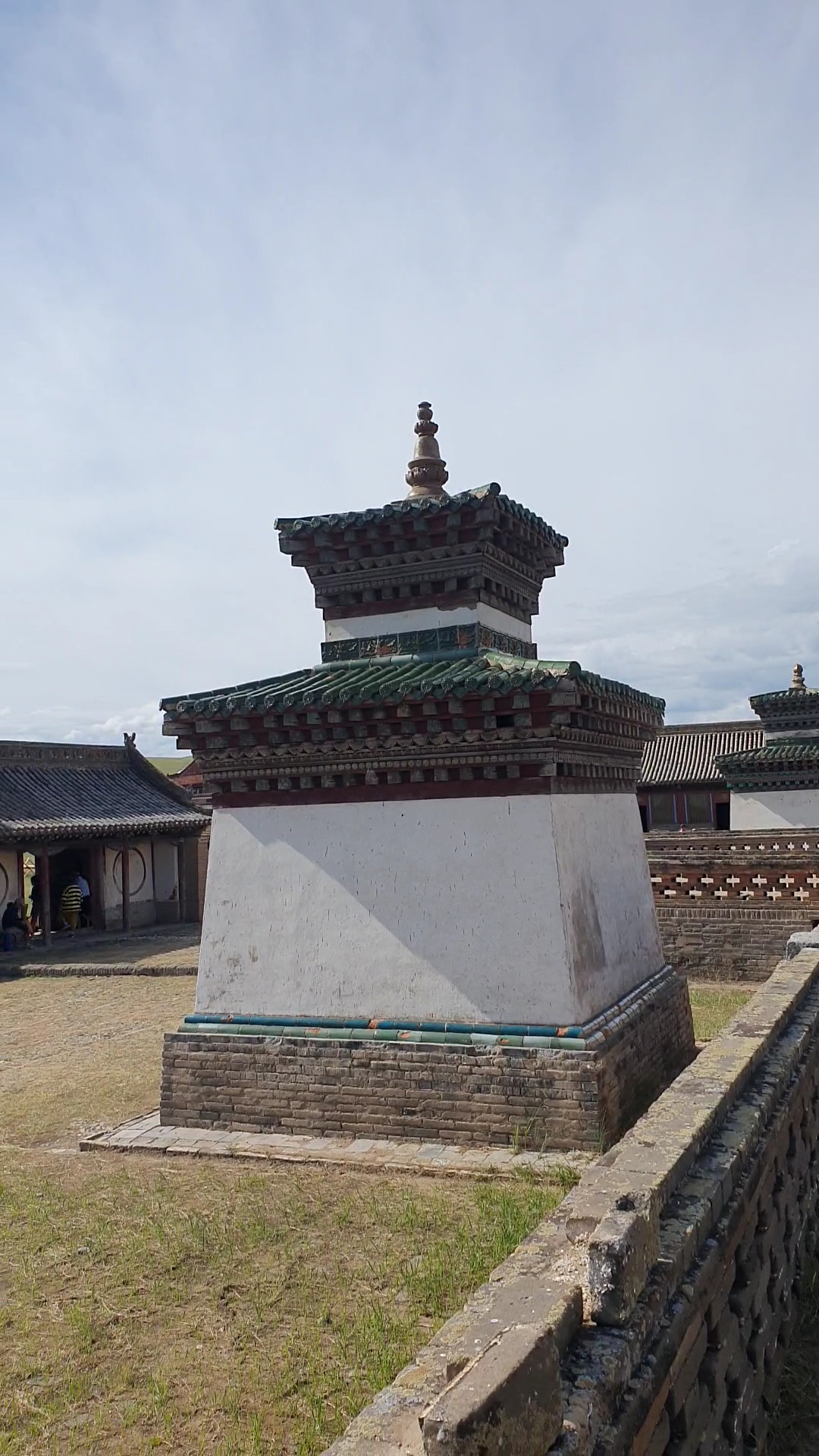
After our awe-inspiring visit to Erdene Zuu Monastery, we continued our exploration of Karakorum, each site revealing another layer of this historically rich area. Our next stop was the intriguing Phallic Rock, also known as the Kharkhorin Rock. This unusual monument, featuring a large stone phallus, sits atop a hill overlooking the town. Local legend says it was placed there by lamas to curb the sexual desires of the monks and thereby maintain their celibacy. Whether true or not, the stone serves as a unique reminder of the interplay between human nature and spiritual discipline in monastic life.
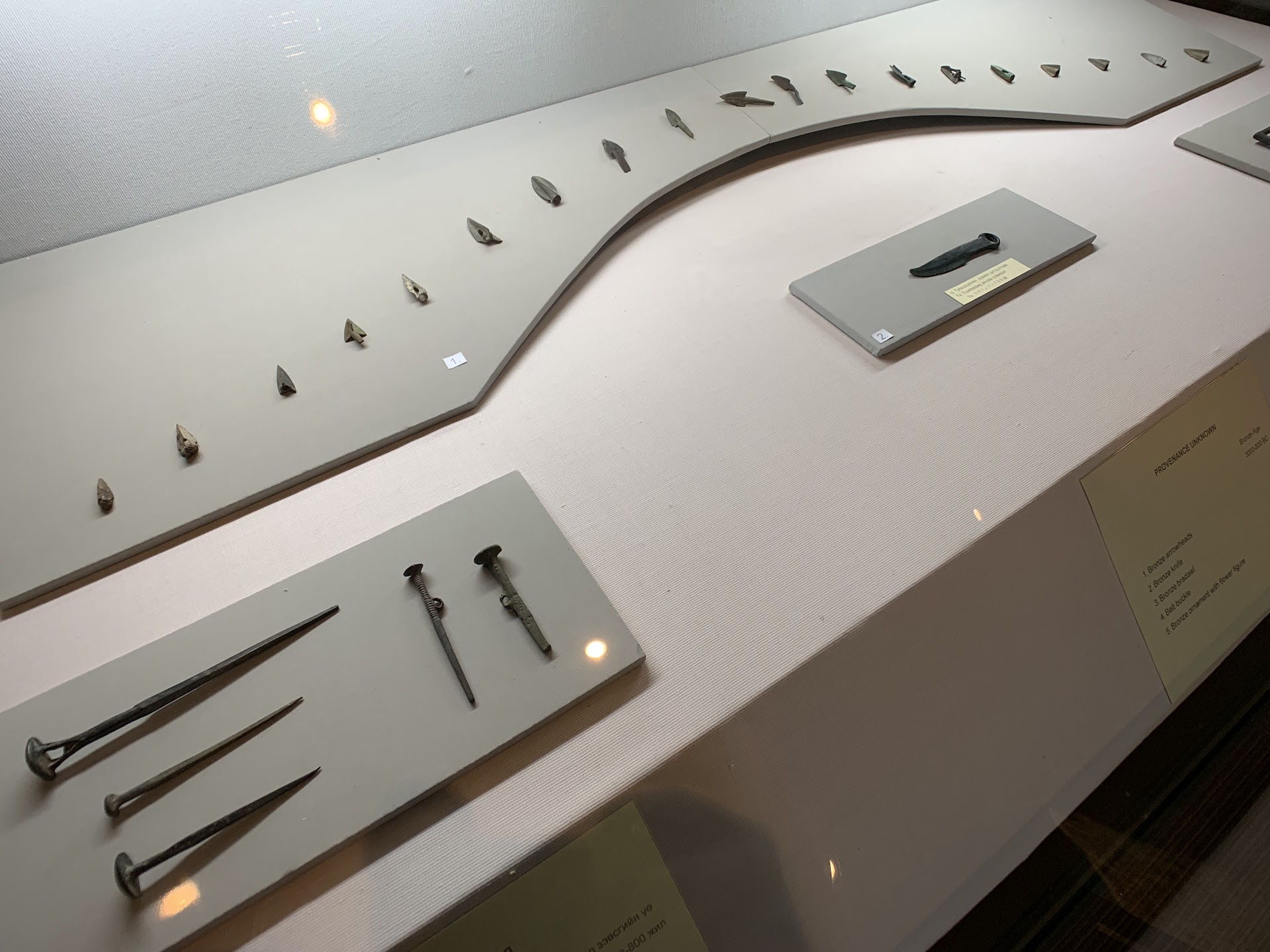
We then made our way to the Karakorum Museum, a modern facility that brings the ancient capital to life. The museum houses an impressive collection of artifacts excavated from the area, including ceramics, coins, and everyday items used by the diverse population of the former capital. The centerpiece is a partial recreation of Karakorum as it might have looked in its 13th-century prime, complete with scale models of palaces, markets, and religious buildings. This vivid representation helped us envision the bustling, cosmopolitan city that once stood where only open steppes remain today.
Near the museum, we encountered one of the famous Turtle Stones. These massive stone sculptures, shaped like turtles, once marked the boundaries of ancient Karakorum. Seeing this weathered guardian up close, its features softened by centuries of wind and rain, provided a tangible connection to the city's long-lost grandeur.
Our historical journey through Karakorum culminated at the Monument for Mongol States. This modern memorial, featuring a massive statue of a golden eagle (a symbol deeply significant in Mongolian culture) atop a globe, pays tribute to the vast Mongol Empire at its height. The surrounding stone plaques depict various Mongol states and kingdoms throughout history, offering a comprehensive overview of Mongolia's imperial legacy.
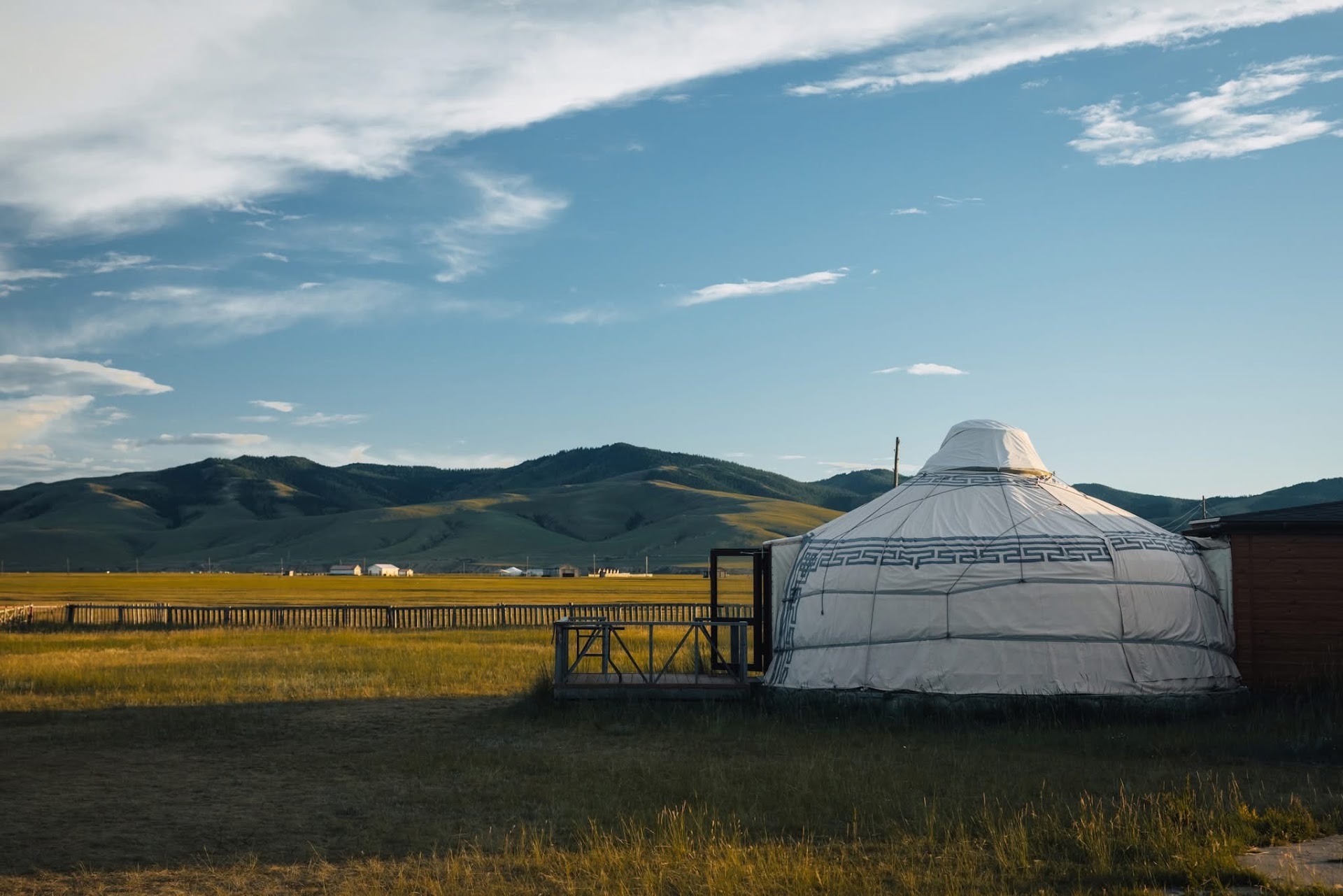
As the day drew to a close, we made our way to Urgoo Camp, our accommodation for the night. Located in the middle of the vast Mongolian steppe, the camp offered a chance to experience the traditional nomadic lifestyle firsthand. We settled into our gers, the traditional round felt tents that have sheltered Mongolian nomads...
Read moreA small but interesting, informative, well laid out and well maintained museum for such a small city, and what must be a very limited budget. Lots to read about, lots of maps and other visual aids to help you understand the history and significance of this region, not just because of the Mongol empire of Chinggis and Koblai Khan, but also the Turkish, Chinese and even European influences on the region. A singularly informative and fairly honest set of displays that do not put Chinggis on a pedestal (as most Mongolian monuments quite literally do) but show where he and his ancestors went, and what happened afterward. A must see in Kharkhorin, and a big part of why Kharkhorin is not just a place where something happened a long time ago, but one of the best places to visit in Mongolia. Plus(!) if you have a strong constitution, head to the gher they constructed outside for a sample of fermented yak liquor, and the opportunity to try on some traditional Mongolian garb while you get over...
Read moreSmall museum, but very clean (there is a staff person going around cleanining the glasses from digital prints) and well organized; there are shown many artifacts showing mongolian history and influences of other cultures. Both original and reproductions of artifacts are shown, all in very good conditions, plus there is a 3d map of the old capital before it went destroyed by invaders.
Worth a visit if you are nearby and even if you aren't exactly close to it.
The structure offers bar service, toilets, free Wi-Fi and a small shop (but very...
Read more