HTML SitemapExplore

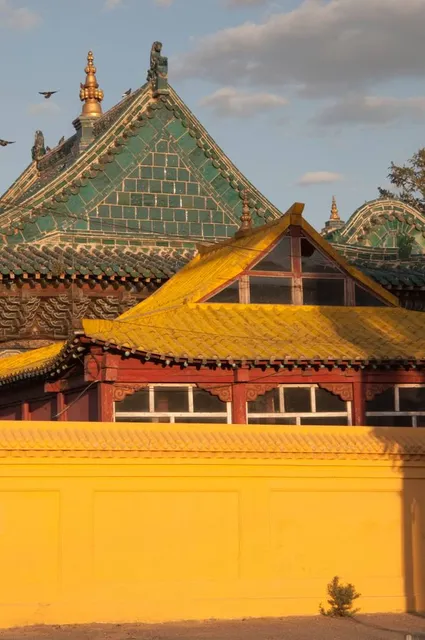
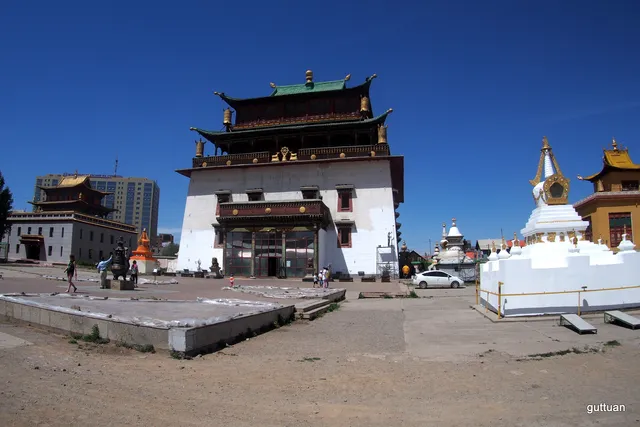
Gandantegchinlen Monastery — Attraction in Ulaanbaatar

Name
Gandantegchinlen Monastery
Description
Nearby attractions
Gandantegchinlen Monastery
BGD - 16 khoroo, Ulaanbaatar 16040, Mongolia
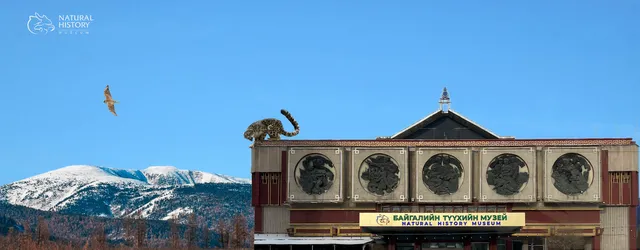
The Natural History Museum of Mongolia
L.Laagan's St, CHD - 5 khoroo, Ulaanbaatar 15141, Mongolia
Nearby restaurants
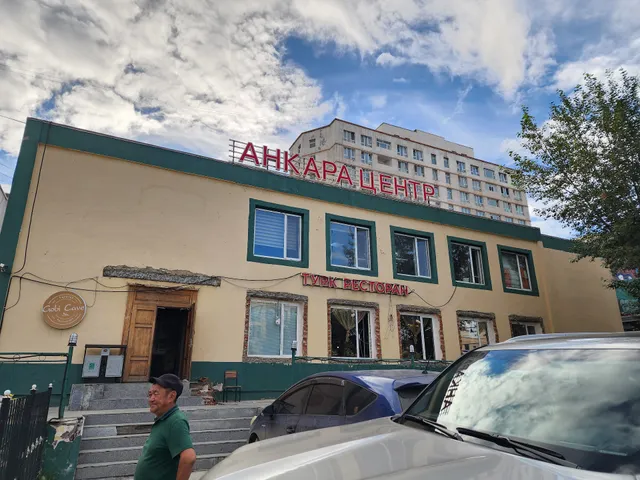
Gobi Cave Turkish Restaurant
Амарсанаагийн гудамж, BGD - 17 khoroo, Ulaanbaatar 16063, Mongolia
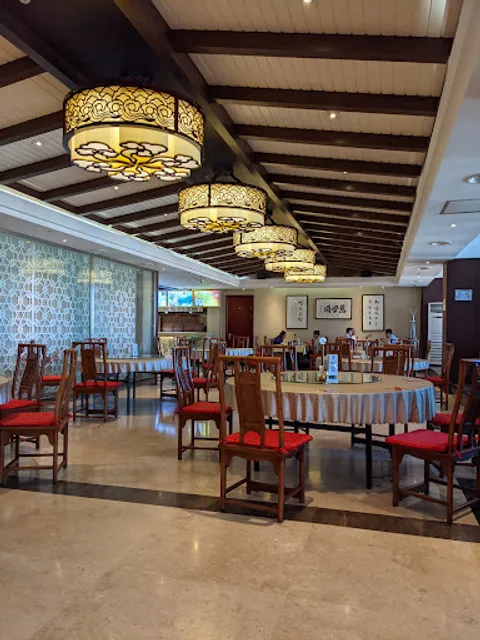
Yu Long Chinese Restaurant
WWF2+W9W, Ikh Toiruu Street, Premium Palace, Ulaanbaatar 15150, Mongolia
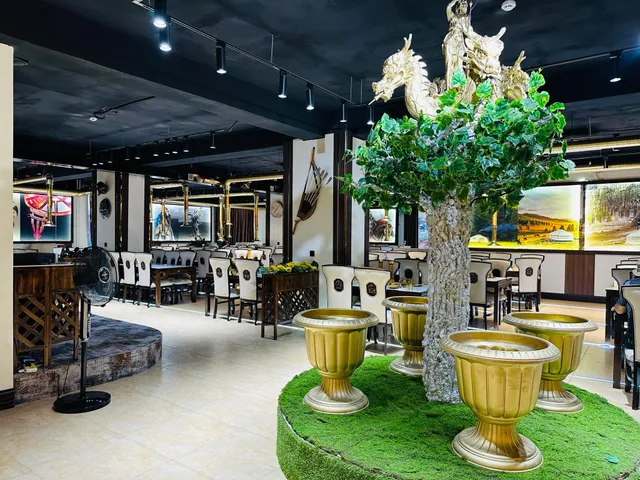
Ger Restaurant
Burkhan shashnii tov, CHD - 5 khoroo, Ulaanbaatar 15171, Mongolia
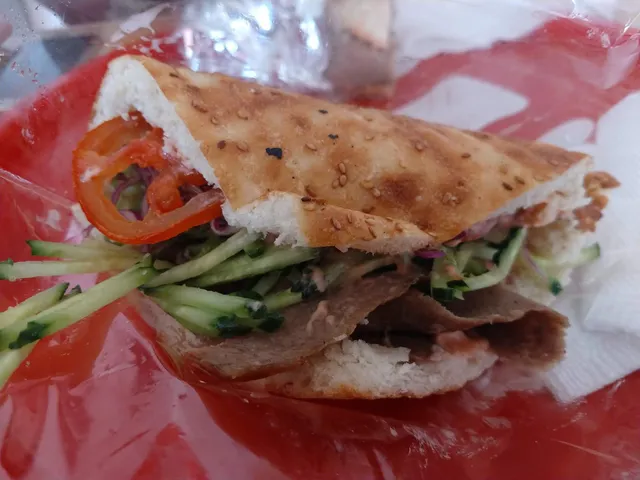
Coca cola kebab
BGD ondor, denj, Ulaanbaatar, Mongolia
Gandan Center
WVCQ+JXQ Амарсанаагийн гудамж, BGD - 17 khoroo, Ulaanbaatar 16063, Mongolia
Papa Korean restaurant
Гандан 23, BGD - 16 khoroo, Ulaanbaatar 16040, Mongolia
Seoul Kalbi 2
WV9X+FH7, CHD - 2 khoroo, Ulaanbaatar 15172, Mongolia
Papa restaurant
Sambuu St 24, CHD - 5 khoroo, Ulaanbaatar 15141, Mongolia
Black bull chinese hotpot restaurant
WWF2+2HH Ikh Toiruu, CHD - 5 khoroo, Ulaanbaatar 15141, Mongolia
Dao Chinese restaurant
WWC2+QRC Sambuu St, Ulaanbaatar 15141, Mongolia
Nearby local services
Megjid Janraisig Datsan
WVFV+6XV, BGD - 16 khoroo, Ulaanbaatar 16040, Mongolia
New Bumbugur Trade center
Бөмбөгөрийн урдуурх зам, CHD - 2 khoroo, Ulaanbaatar 15171, Mongolia
Nearby hotels
Holiday Inn Ulaanbaatar by IHG
Sambuu St 24, CHD - 5 khoroo, Ulaanbaatar 15141, Mongolia
Related posts
Keywords
Gandantegchinlen Monastery tourism.Gandantegchinlen Monastery hotels.Gandantegchinlen Monastery bed and breakfast. flights to Gandantegchinlen Monastery.Gandantegchinlen Monastery attractions.Gandantegchinlen Monastery restaurants.Gandantegchinlen Monastery local services.Gandantegchinlen Monastery travel.Gandantegchinlen Monastery travel guide.Gandantegchinlen Monastery travel blog.Gandantegchinlen Monastery pictures.Gandantegchinlen Monastery photos.Gandantegchinlen Monastery travel tips.Gandantegchinlen Monastery maps.Gandantegchinlen Monastery things to do.
Gandantegchinlen Monastery things to do, attractions, restaurants, events info and trip planning
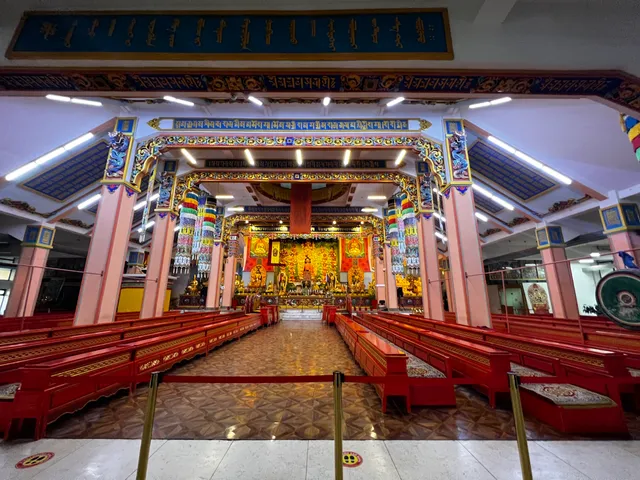
Gandantegchinlen Monastery
MongoliaUlaanbaatarGandantegchinlen Monastery

Basic Info

Gandantegchinlen Monastery

BGD - 16 khoroo, Ulaanbaatar 16040, Mongolia
4.4(1.5K)
Closed
Save
spot

Ratings & Description

Info

Cultural
Accessibility
attractions: Gandantegchinlen Monastery, The Natural History Museum of Mongolia, restaurants: Gobi Cave Turkish Restaurant, Yu Long Chinese Restaurant, Ger Restaurant, Coca cola kebab, Gandan Center, Papa Korean restaurant, Seoul Kalbi 2, Papa restaurant, Black bull chinese hotpot restaurant, Dao Chinese restaurant, local businesses: Megjid Janraisig Datsan, New Bumbugur Trade center

logoLearn more insights from Wanderboat AI.
Phone
+976 11 36 0354
Open hoursSee all hours
Thu9 a.m. - 5 p.m.Closed

Plan your stay

hotel
Pet-friendly Hotels in Ulaanbaatar
Find a cozy hotel nearby and make it a full experience.
hotel
Affordable Hotels in Ulaanbaatar
Find a cozy hotel nearby and make it a full experience.
hotel
The Coolest Hotels You Haven't Heard Of (Yet)
Find a cozy hotel nearby and make it a full experience.
hotel
Trending Stays Worth the Hype in Ulaanbaatar
Find a cozy hotel nearby and make it a full experience.

Reviews

Live events

Visit Chinggis Khan Statue at Terelj
Fri, Feb 27 • 8:00 AM
Ulaanbaatar, Ulaanbaatar 15170, Mongolia
View details
Taste Mongolian tea and cuisine with me
Thu, Feb 26 • 6:00 PM
Ulaanbaatar, Ulaanbaatar 15160, Mongolia
View details

Nearby attractions of Gandantegchinlen Monastery

Gandantegchinlen Monastery

The Natural History Museum of Mongolia

Gandantegchinlen Monastery

Gandantegchinlen Monastery

4.4

(1.6K)

Closed
Click for details
The Natural History Museum of Mongolia

The Natural History Museum of Mongolia

4.2

(421)

Open until 6:00 PM
Click for details

Nearby restaurants of Gandantegchinlen Monastery

Gobi Cave Turkish Restaurant

Yu Long Chinese Restaurant

Ger Restaurant

Coca cola kebab

Gandan Center

Papa Korean restaurant

Seoul Kalbi 2

Papa restaurant

Black bull chinese hotpot restaurant

Dao Chinese restaurant

Gobi Cave Turkish Restaurant

Gobi Cave Turkish Restaurant

4.2

(196)

$$

Open until 10:00 PM
Click for details
Yu Long Chinese Restaurant

Yu Long Chinese Restaurant

3.9

(235)

$$$

Open until 10:00 PM
Click for details
Ger Restaurant

Ger Restaurant

4.3

(18)

Open until 12:00 AM
Click for details
Coca cola kebab

Coca cola kebab

4.3

(18)

Open until 9:00 PM
Click for details

Nearby local services of Gandantegchinlen Monastery

Megjid Janraisig Datsan

New Bumbugur Trade center

Megjid Janraisig Datsan

Megjid Janraisig Datsan

4.8

(44)

Click for details
New Bumbugur Trade center

New Bumbugur Trade center

3.8

(516)

Click for details
Get the Appoverlay
Get the AppOne tap to find yournext favorite spots!
Wanderboat LogoWanderboat

Your everyday Al companion for getaway ideas

CompanyAbout Us
InformationAI Trip PlannerSitemap
SocialXInstagramTiktokLinkedin
LegalTerms of ServicePrivacy Policy

Get the app

© 2025 Wanderboat. All rights reserved.

Reviews of Gandantegchinlen Monastery

4.4
(1,487)
avatar
3.0
6y

The Gandantegchinlen Monastery (Mongolian: Гандантэгчинлэн хийд, Gandantegchinlen khiid, short name: Gandan Mongolian: Гандан) is a Mongolian Buddhist monastery in the Mongolian capital of Ulaanbaatar that has been restored and revitalized since 1990. The Tibetan name translates to the "Great Place of Complete Joy". It currently has over 150 monks in residence. It features a 26.5-meter-high statue of Avalokiteśvara. It came under state protection in 1994. The Gandantegchinlen Monastery (Mongolian: Гандантэгчинлэн хийд, Gandantegchinlen khiid, short name: Gandan Mongolian: Гандан) is a Mongolian Buddhist monastery in the Mongolian capital of Ulaanbaatar that has been restored and revitalized since 1990. The Tibetan name translates to the "Great Place of Complete Joy". It currently has over 150 monks in residence. It features a 26.5-meter-high statue of Avalokiteśvara. It came under state protection in 1994. Gandantegchinlen Khiid monastery, having escaped this mass destruction, was closed in 1938, but then reopened in 1944 and was allowed to continue as the only functioning Buddhist monastery, under a skeleton staff, as a token homage to traditional Mongolian culture and religion. With the end of Marxism in Mongolia in 1990, restrictions on worship...

   Read more
avatar
5.0
3y

The monastery was constructed by order of the 5th Jebtsundamba Khutuktu in 1809. The first temple was the Gungaachoilin Datsan. Only one wooden pillar remains from this temple. In 1838, the Gandantegchenlin Temple was built along with the private residence of the Jebtsundamba Khutuktu. The 13th Dalai Lama stayed in the residence in 1904. In 1840, the Vajradhara Temple was built. In 1869, the Zuu Temple was built. In 1913, the tall Avalokiteśvara temple was built. In 1925, the temple for keeping the remains of the 8th Jebtsundamba Khutuktu was built. It is now the monastery library.

In the 1930s, the Communist government of Mongolia, under the leadership of Khorloogiin Choibalsan and under the influence of Joseph Stalin, destroyed all but a few monasteries and killed more than 15,000 lamas.

Gandantegchinlen Khiid monastery, having escaped this mass destruction, was closed in 1938, but then reopened in 1944 and was allowed to continue as the only functioning Buddhist monastery, under a skeleton staff, as a token homage to traditional Mongolian culture and religion. With the end of Marxism in Mongolia in 1990, restrictions on worship...

   Read more
avatar
5.0
4y

While it's not the biggest temple by any means that I've been to, it and the surrounding complex offer plenty of things to see and experience. Gandantegchinlen Monastery is the main one, but there are numerous other temples in the same walled park-like complex.

I loved how people truly respected this temple though. I've been to many temples in many countries and often times, they are just filled with loud people just trying to get the next photo. Even locals are bad depending on the country. Here, the temple is now open, but with COVID restrictions in place. That said, you can still see the whole things. The architecture coupled with all the colours and rays of sunshine coming through make this a really serene experience.

It's Tibetan name meaning "Great Place of Complete Joy".

Like many Buddhist establishments, it and the Tantric monks who practice there have had a tumultuous history. During the period of Lenin, potentially over 10,000 lamas and 900 monasteries were eradicated. However, like many Buddhist structures standing today, they eventually went through a period of rebirth and are now thankfully...

   Read more
Page 1 of 7
Previous
Next

Posts

Тодко Тод-Од (Arena4mN)Тодко Тод-Од (Arena4mN)
The monastery was constructed by order of the 5th Jebtsundamba Khutuktu in 1809. The first temple was the Gungaachoilin Datsan. Only one wooden pillar remains from this temple. In 1838, the Gandantegchenlin Temple was built along with the private residence of the Jebtsundamba Khutuktu. The 13th Dalai Lama stayed in the residence in 1904. In 1840, the Vajradhara Temple was built. In 1869, the Zuu Temple was built. In 1913, the tall Avalokiteśvara temple was built. In 1925, the temple for keeping the remains of the 8th Jebtsundamba Khutuktu was built. It is now the monastery library. In the 1930s, the Communist government of Mongolia, under the leadership of Khorloogiin Choibalsan and under the influence of Joseph Stalin, destroyed all but a few monasteries and killed more than 15,000 lamas. Gandantegchinlen Khiid monastery, having escaped this mass destruction, was closed in 1938, but then reopened in 1944 and was allowed to continue as the only functioning Buddhist monastery, under a skeleton staff, as a token homage to traditional Mongolian culture and religion. With the end of Marxism in Mongolia in 1990, restrictions on worship were lifted.
Your browser does not support the video tag.
Daniel FgDaniel Fg
Large monastic complex with several buildings. Popular with locals. Free admission.
Andrew N. ByrneAndrew N. Byrne
While it's not the biggest temple by any means that I've been to, it and the surrounding complex offer plenty of things to see and experience. Gandantegchinlen Monastery is the main one, but there are numerous other temples in the same walled park-like complex. I loved how people truly respected this temple though. I've been to many temples in many countries and often times, they are just filled with loud people just trying to get the next photo. Even locals are bad depending on the country. Here, the temple is now open, but with COVID restrictions in place. That said, you can still see the whole things. The architecture coupled with all the colours and rays of sunshine coming through make this a really serene experience. It's Tibetan name meaning "Great Place of Complete Joy". Like many Buddhist establishments, it and the Tantric monks who practice there have had a tumultuous history. During the period of Lenin, potentially over 10,000 lamas and 900 monasteries were eradicated. However, like many Buddhist structures standing today, they eventually went through a period of rebirth and are now thankfully flourishing.
See more posts
See more posts
hotel
Find your stay

Pet-friendly Hotels in Ulaanbaatar

Find a cozy hotel nearby and make it a full experience.

The monastery was constructed by order of the 5th Jebtsundamba Khutuktu in 1809. The first temple was the Gungaachoilin Datsan. Only one wooden pillar remains from this temple. In 1838, the Gandantegchenlin Temple was built along with the private residence of the Jebtsundamba Khutuktu. The 13th Dalai Lama stayed in the residence in 1904. In 1840, the Vajradhara Temple was built. In 1869, the Zuu Temple was built. In 1913, the tall Avalokiteśvara temple was built. In 1925, the temple for keeping the remains of the 8th Jebtsundamba Khutuktu was built. It is now the monastery library. In the 1930s, the Communist government of Mongolia, under the leadership of Khorloogiin Choibalsan and under the influence of Joseph Stalin, destroyed all but a few monasteries and killed more than 15,000 lamas. Gandantegchinlen Khiid monastery, having escaped this mass destruction, was closed in 1938, but then reopened in 1944 and was allowed to continue as the only functioning Buddhist monastery, under a skeleton staff, as a token homage to traditional Mongolian culture and religion. With the end of Marxism in Mongolia in 1990, restrictions on worship were lifted.
Тодко Тод-Од (Arena4mN)

Тодко Тод-Од (Arena4mN)

hotel
Find your stay

Affordable Hotels in Ulaanbaatar

Find a cozy hotel nearby and make it a full experience.

Get the Appoverlay
Get the AppOne tap to find yournext favorite spots!
Large monastic complex with several buildings. Popular with locals. Free admission.
Daniel Fg

Daniel Fg

hotel
Find your stay

The Coolest Hotels You Haven't Heard Of (Yet)

Find a cozy hotel nearby and make it a full experience.

hotel
Find your stay

Trending Stays Worth the Hype in Ulaanbaatar

Find a cozy hotel nearby and make it a full experience.

While it's not the biggest temple by any means that I've been to, it and the surrounding complex offer plenty of things to see and experience. Gandantegchinlen Monastery is the main one, but there are numerous other temples in the same walled park-like complex. I loved how people truly respected this temple though. I've been to many temples in many countries and often times, they are just filled with loud people just trying to get the next photo. Even locals are bad depending on the country. Here, the temple is now open, but with COVID restrictions in place. That said, you can still see the whole things. The architecture coupled with all the colours and rays of sunshine coming through make this a really serene experience. It's Tibetan name meaning "Great Place of Complete Joy". Like many Buddhist establishments, it and the Tantric monks who practice there have had a tumultuous history. During the period of Lenin, potentially over 10,000 lamas and 900 monasteries were eradicated. However, like many Buddhist structures standing today, they eventually went through a period of rebirth and are now thankfully flourishing.
Andrew N. Byrne

Andrew N. Byrne

See more posts
See more posts