HTML SitemapExplore
logo
Find Things to DoFind The Best Restaurants

Kanbawzathadi Golden Palace — Attraction in Bago District

Name
Kanbawzathadi Golden Palace
Description
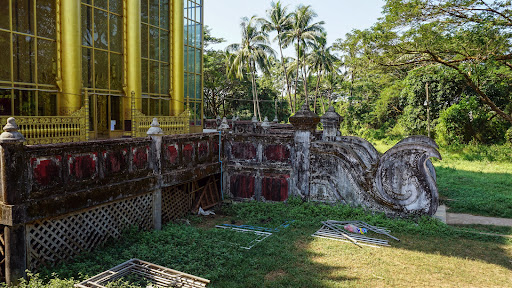
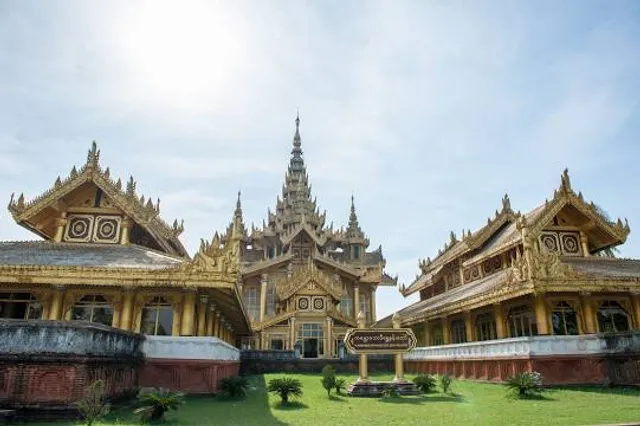
Kanbawzathadi Palace is a palace in Bago, Myanmar. The original palace, built for King Bayinnaung in 1556, consisted of 76 apartments and halls. It was burned down in 1599. It was reconstructed in 1990 and finished in 1992.
Nearby attractions
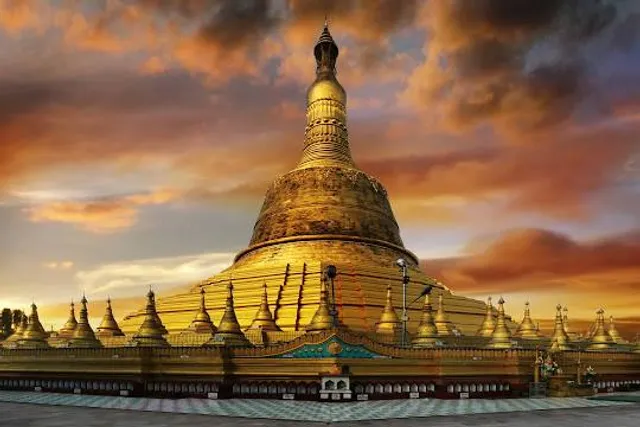
Shwemawdaw Pagoda
8FPW+QMF, Shwemawdaw, Pagoda Street, Bago, Myanmar (Burma)
Nearby restaurants
Nearby hotels
Hotel Mariner
No.330, 8FPQ+JRH Shwe, ရွှေမော်ဓောဘုရား, Pagoda Rd, Bago, Myanmar (Burma)
Related posts
Keywords
Kanbawzathadi Golden Palace tourism.Kanbawzathadi Golden Palace hotels.Kanbawzathadi Golden Palace bed and breakfast. flights to Kanbawzathadi Golden Palace.Kanbawzathadi Golden Palace attractions.Kanbawzathadi Golden Palace restaurants.Kanbawzathadi Golden Palace travel.Kanbawzathadi Golden Palace travel guide.Kanbawzathadi Golden Palace travel blog.Kanbawzathadi Golden Palace pictures.Kanbawzathadi Golden Palace photos.Kanbawzathadi Golden Palace travel tips.Kanbawzathadi Golden Palace maps.Kanbawzathadi Golden Palace things to do.
Kanbawzathadi Golden Palace things to do, attractions, restaurants, events info and trip planning
Kanbawzathadi Golden Palace
MyanmarBago RegionBago DistrictKanbawzathadi Golden Palace

Basic Info

Kanbawzathadi Golden Palace

Myin Taw Thar Rd, Bago, Myanmar (Burma)
4.1(385)
Open 24 hours
Save
spot

Ratings & Description

Info

Kanbawzathadi Palace is a palace in Bago, Myanmar. The original palace, built for King Bayinnaung in 1556, consisted of 76 apartments and halls. It was burned down in 1599. It was reconstructed in 1990 and finished in 1992.

Cultural
Scenic
"family friendly"
"accessibility"
attractions: Shwemawdaw Pagoda, restaurants:
logoLearn more insights from Wanderboat AI.

Plan your stay

hotel
Pet-friendly Hotels in Bago District
Find a cozy hotel nearby and make it a full experience.
hotel
Affordable Hotels in Bago District
Find a cozy hotel nearby and make it a full experience.
hotel
The Coolest Hotels You Haven't Heard Of (Yet)
Find a cozy hotel nearby and make it a full experience.
hotel
Trending Stays Worth the Hype in Bago District
Find a cozy hotel nearby and make it a full experience.

Reviews

Nearby attractions of Kanbawzathadi Golden Palace

Shwemawdaw Pagoda

Shwemawdaw Pagoda

Shwemawdaw Pagoda

4.5

(1.0K)

Open 24 hours
Click for details
Get the Appoverlay
Get the AppOne tap to find yournext favorite spots!
Wanderboat LogoWanderboat

Your everyday Al companion for getaway ideas

CompanyAbout Us
InformationAI Trip PlannerSitemap
SocialXInstagramTiktokLinkedin
LegalTerms of ServicePrivacy Policy

Get the app

© 2025 Wanderboat. All rights reserved.
logo

Posts

N TN T
The Kanbawzathadi Golden Palace is a wonderful collection of buildings situated in a huge complex that is surrounded with a old buildings underground. The main showcase building is the Bee Throne Hall. If you are visiting the palace grounds by yourself, make sure to inquire about entrances that are open to tourists. The palace opens daily from 9 am until 5 pm, except on Burmese national holidays and important Buddhist holidays. The architecture of the palace is striking. Some of the buildings have kept their gold leaf ornamentation, while those that no longer have it are painted in a deep gold color. The palace has an exhibition rooms, but the exhibits need significant improvement. This is one of the great architecture of Hantharwady dynasty of Mon and then Burmese Empire. ___ Reconstruction of King Bayinnaung’s 16th century palace Kanbawzathadi Golden Palace in Bago is a reconstruction of the original Royal palace from the second half of the 16th century. The very ornate golden palace gives a good impression of the splendor and wealth of the second Burmese empire. It was rebuilt following the original design, based on knowledge gained from excavations and the original drawings of the building. The huge palace consisted of 76 apartments and halls. King Bayinnaung of the Taungoo dynasty The palace dates from a very prosperous time in Burmese history. It was built by King Bayinnaung of the Taungoo dynasty, a vast empire that included much of present day Burma, Thailand and parts of China. Bayinnaung was one of Burma’s greatest rulers, a mighty King who possessed many white elephants, a sign of wealth and power at that time. The King even obtained a sacred Buddha tooth relic from Sri Lanka, which he had installed in the Mahazedi Pagoda. Bayinnaung built the new capital of the second Burmese empire, a large city called Hanthawadi (present day Bago) surrounded by walls with 20 gates. The palace was built on a 70 acres plot located at the center of the city. Construction started in 1553. Records written by European visitors to the city tell about the magnificence and splendor of the richly gilded palace. Some of its buildings like the Great Audience Hall were roofed with gold plates. The palace was looted and burnt down in 1599 during armed conflict. Its remains were abandoned, and the palace was not rebuild until the late 20th century. Excavation works started in 1990. Six mounds were excavated, revealing the brick foundations of several of the palace buildings. Several hundred of the original teak pillars used for the construction of the palace in the 16th century were found, many of them inscribed with Mon texts, as well as nearly 2,000 Buddha images. The Bhammayarthana Throne Hall, also called Bee Throne Hall contained the private quarters for the King, including the Royal bed chamber and living chamber. This very ornate building has multiple roof sections and false floors, and is topped with a Pyatthat, a seven tiered Burmese style roof. Other buildings contained the chambers of members of the Royal family. There used to be 9 Royal Thrones in the Kanbawzathadi Golden palace, each decorated with a different motif and used for different occasions. Eight of them were destroyed by fire, the only surviving is the Thihathana Throne, also called Lion Throne because of the lion figures carved on it. The gilded, hard wood throne is on display in the National Museum in Yangon. On the palace grounds is the Nandawya research museum, which exhibits items and artifacts found during the excavations, as well as information about the history of the second empire. On display are a number of the original 16th century teak pillars and items like pottery, scales and weighs used for commerce, ancient coins, glazed jars, swords and other weapons. The museum also contains a collection of 16th century Buddha images in Mon, Siamese and Burmese styles from the palace. ___ Ref: Renown Travel
Người trải nghiệm Trí Dũng -Follow TDNgười trải nghiệm Trí Dũng -Follow TD
Cung điện Kanbawzathadi là một cung điện ở Bago, Myanmar. Cung điện ban đầu được Vua Bayinnaung cho xây vào năm 1556, bao gồm 76 phòng ốc. Năm 1599, cung điện bị hỏa hoạn thiêu hủy. Năm 1990, Chính phủ Myanmar khởi công tái thiết cung điện và công trình được hoàn thành vào năm 1992.Cung điện nguy nga tráng lệ này thể hiện sự thịnh vượng của đế chế thứ hai của người Miến. Cung điện gốc được vua Bayinnaung của nhà Taungoo - một trong những vị vua vĩ đại của Myanmar - cho xây vào năm 1553 trên một khu đất rộng khoảng 28,3 hecta. Những người phương Tây từng đến thăm cung điện cổ mô tả lại về sự nguy nga tráng lệ của cung điện, chẳng hạn như điện triều kiến trong cung được lợp bằng các tấm vàng. Năm 1599, cung điện bị chính quân Myanmar thiêu rụi trước khi rút lui khỏi kinh thành trong đợt quân Xiêm tấn công sang Myanmar. Tàn tích của cung điện sau đó cũng bị bỏ hoang phế. Mãi đến năm 1990, các dự án khai quật mới được tiến hành. Các nhà khoa học đã tìm thấy nhiều gạch, 167 cột trụ bằng gỗ tếch trong đó có 135 cột có khắc các văn bản bằng chữ Môn ghi các địa phương và cá nhân đã cúng tiến để xây cung điện. Các nhà khoa học cũng tìm thấy hơn 2000 hình Phật. Cung điện xây lại dựa vào thiết kế gốc được phát hiện trên cơ sở các khai quật khảo cổ và các bản vẽ gốc về công trình. Cung điện xây lại cũng bao gồm 76 phòng ốc. Tuy nhiên, các đồ nội thất Hoàng gia thật sự bên trong thì không còn nhiều do hỏa hoạn. Chỉ một số tòa trong cung điện là được xây lại. Điện triều kiến là tòa lớn nhất. Đây là nơi vua họp với các đại thần. Điện này còn được gọi là Điện Ngai Sư tử Hoàng gia vì ngai vua Thihathana hay Ngai Sư tử được đặt ở đây. Phía trong toàn điện này được sơn vàng. Một bản sao của Ngai Sư tử và một số cột gỗ tếch được trưng bày trong điện. Điện Ngai Bhammayarthana hay Điện Ngai Ong là nơi vua ở, bao gồm phòng ngủ và long sàng. Điện này có mái nhiều lớp kiểu Myanmar. Các điện khác dành cho các thành viên khác của hoàng gia. Cung điện Kanbawzathadi từng có chín ngai vàng, mỗi cái được trang trí bằng những motif khác nhau và sử dụng trong những dịp khác nhau. Tám trong số đó đã bị lửa thiêu hủy, chỉ còn Ngai Sư tử (Ngai Thihathana). Gọi là Ngai Sư tử vì có hình sư tử được trạm trên ngai. Ngai này làm bằng gỗ quý, hiện được lưu giữ và trưng bày ở Bảo tàng Quốc gia ở Yangon. Trong cung điện ngày nay có một viện bảo tàng, nơi lưu giữ, trưng bày và nghiên cứu các hiện vật và đồ tạo tác tìm thấy trong các cuộc khai quật khảo cổ cùng những thông tin về triều Taungoo.
Dome OneDome One
พระราชวังกัมโพชธานี (Kambazathadi Golden Palace) พระราชวังแห่งเมืองหงสาวดี (พะโค) ของพระเจ้าบุเรงนอง ตามตำนานกล่าวว่าพระราชวังนี้สร้างขึ้นโดยใช้แรงงานทาสจากประเทศราชต่าง ๆ เมื่อสร้างเสร็จพระองค์โปรดให้ใช้ชื่อประตูต่าง ๆ ทั้งหมด 20 ประตู ตามชื่อของแรงงานประเทศราชที่สร้าง เช่น ประตูทางตอนเหนือปรากฏชื่อ ประตูโยเดีย (อยุธยา) ประตูตอนใต้ชื่อ ประตูเชียงใหม่ อีกทั้งยังมีพระตำหนักของสมเด็จพระนเรศวรและศาลพระสุพรรณกัลยา องค์ประกันที่ตกเป็นเชลย ต่อมาพระสุพรรณกัลยา พระพี่นางของสมเด็จพระนเรศวร กลายเป็นมเหสีอีกองค์หนึ่งของพระเจ้าบุเรงนอง พระราชวังกัมโพชธานีถูกเผาจนเหลือแต่เพียงซาก หลังจากการสวรรคตของพระเจ้าบุเรงนอง จนกระทั่ง รัฐบาลพม่าได้ขุดค้นพบซากของพระราชวังที่เหลือเพียงแค่ตอไม้ที่โผล่พ้นดินเท่านั้น และได้มีการสร้างพระราชวังจำลองขึ้นมาใหม่ โดยสร้างทับพระราชวังเก่าลงไป ภายในพระราชวัง มีพระราชบัลลังก์ภุมรินทร์ หรือ "บัลลังก์ผึ้ง" ซึ่งสร้างขึ้นมาจากคติเรื่องจักรวาลตามความเชื่อของศาสนาฮินดู ปัจจุบัน พระราชวังกัมโพชธานีเป็นสถานที่ท่องเที่ยวแห่งหนึ่งของหงสาวดีและประเทศพม่า ใดใด...ในโลกล้วน "อนิจจัง" หงสาวดีเคยเจริญรุ่งเรืองสุดขีดในยุคของบุเรงนอง กษัตริย์นักรบที่คนไทยรู้จักดี เมื่อสิ้นบุเรงนองแล้ว พระโอรส คือ นันทบุเรงขึ้นปกครองเมือง แต่ไม่มีอำนาจบารมีเทียบเท่าพ่อ หัวเมืองต่างๆ อย่าง อังวะ ตองอูก็แข็งข้อ แถมทำศึกสงครามกับอยุธยาก็พ่ายแพ้ ทุกสรรพสิ่งในโลกล้วนตกอยู่ในกฎ "ไตรลักษณ์” ครั้นเกิดขึ้นแล้ว ย่อมตั้งอยู่ และดับสลายไปในที่สุด สุดท้ายหงสาวดีก็ถูกกองทัพของอดีตสามัญชนอย่างพระเจ้าอลองพญาตีแตก ตลอดยุคสมัยของพระเจ้านันทบุเรง หงสาวดีตกอยู่ในภาวะสงครามตลอดเวลา ทำให้ชาวหงสาอยู่ในสภาพที่ยากแค้นขัดสน บ้านเมืองถูกทำลาย วัดวาอารามและปราสาทราชวังเหลือแต่ซาก ไม่หลงเหลือความรุ่งเรืองให้ได้เห็น
See more posts
See more posts
hotel
Find your stay

Pet-friendly Hotels in Bago District

Find a cozy hotel nearby and make it a full experience.

The Kanbawzathadi Golden Palace is a wonderful collection of buildings situated in a huge complex that is surrounded with a old buildings underground. The main showcase building is the Bee Throne Hall. If you are visiting the palace grounds by yourself, make sure to inquire about entrances that are open to tourists. The palace opens daily from 9 am until 5 pm, except on Burmese national holidays and important Buddhist holidays. The architecture of the palace is striking. Some of the buildings have kept their gold leaf ornamentation, while those that no longer have it are painted in a deep gold color. The palace has an exhibition rooms, but the exhibits need significant improvement. This is one of the great architecture of Hantharwady dynasty of Mon and then Burmese Empire. ___ Reconstruction of King Bayinnaung’s 16th century palace Kanbawzathadi Golden Palace in Bago is a reconstruction of the original Royal palace from the second half of the 16th century. The very ornate golden palace gives a good impression of the splendor and wealth of the second Burmese empire. It was rebuilt following the original design, based on knowledge gained from excavations and the original drawings of the building. The huge palace consisted of 76 apartments and halls. King Bayinnaung of the Taungoo dynasty The palace dates from a very prosperous time in Burmese history. It was built by King Bayinnaung of the Taungoo dynasty, a vast empire that included much of present day Burma, Thailand and parts of China. Bayinnaung was one of Burma’s greatest rulers, a mighty King who possessed many white elephants, a sign of wealth and power at that time. The King even obtained a sacred Buddha tooth relic from Sri Lanka, which he had installed in the Mahazedi Pagoda. Bayinnaung built the new capital of the second Burmese empire, a large city called Hanthawadi (present day Bago) surrounded by walls with 20 gates. The palace was built on a 70 acres plot located at the center of the city. Construction started in 1553. Records written by European visitors to the city tell about the magnificence and splendor of the richly gilded palace. Some of its buildings like the Great Audience Hall were roofed with gold plates. The palace was looted and burnt down in 1599 during armed conflict. Its remains were abandoned, and the palace was not rebuild until the late 20th century. Excavation works started in 1990. Six mounds were excavated, revealing the brick foundations of several of the palace buildings. Several hundred of the original teak pillars used for the construction of the palace in the 16th century were found, many of them inscribed with Mon texts, as well as nearly 2,000 Buddha images. The Bhammayarthana Throne Hall, also called Bee Throne Hall contained the private quarters for the King, including the Royal bed chamber and living chamber. This very ornate building has multiple roof sections and false floors, and is topped with a Pyatthat, a seven tiered Burmese style roof. Other buildings contained the chambers of members of the Royal family. There used to be 9 Royal Thrones in the Kanbawzathadi Golden palace, each decorated with a different motif and used for different occasions. Eight of them were destroyed by fire, the only surviving is the Thihathana Throne, also called Lion Throne because of the lion figures carved on it. The gilded, hard wood throne is on display in the National Museum in Yangon. On the palace grounds is the Nandawya research museum, which exhibits items and artifacts found during the excavations, as well as information about the history of the second empire. On display are a number of the original 16th century teak pillars and items like pottery, scales and weighs used for commerce, ancient coins, glazed jars, swords and other weapons. The museum also contains a collection of 16th century Buddha images in Mon, Siamese and Burmese styles from the palace. ___ Ref: Renown Travel
N T

N T

hotel
Find your stay

Affordable Hotels in Bago District

Find a cozy hotel nearby and make it a full experience.

Get the Appoverlay
Get the AppOne tap to find yournext favorite spots!
Cung điện Kanbawzathadi là một cung điện ở Bago, Myanmar. Cung điện ban đầu được Vua Bayinnaung cho xây vào năm 1556, bao gồm 76 phòng ốc. Năm 1599, cung điện bị hỏa hoạn thiêu hủy. Năm 1990, Chính phủ Myanmar khởi công tái thiết cung điện và công trình được hoàn thành vào năm 1992.Cung điện nguy nga tráng lệ này thể hiện sự thịnh vượng của đế chế thứ hai của người Miến. Cung điện gốc được vua Bayinnaung của nhà Taungoo - một trong những vị vua vĩ đại của Myanmar - cho xây vào năm 1553 trên một khu đất rộng khoảng 28,3 hecta. Những người phương Tây từng đến thăm cung điện cổ mô tả lại về sự nguy nga tráng lệ của cung điện, chẳng hạn như điện triều kiến trong cung được lợp bằng các tấm vàng. Năm 1599, cung điện bị chính quân Myanmar thiêu rụi trước khi rút lui khỏi kinh thành trong đợt quân Xiêm tấn công sang Myanmar. Tàn tích của cung điện sau đó cũng bị bỏ hoang phế. Mãi đến năm 1990, các dự án khai quật mới được tiến hành. Các nhà khoa học đã tìm thấy nhiều gạch, 167 cột trụ bằng gỗ tếch trong đó có 135 cột có khắc các văn bản bằng chữ Môn ghi các địa phương và cá nhân đã cúng tiến để xây cung điện. Các nhà khoa học cũng tìm thấy hơn 2000 hình Phật. Cung điện xây lại dựa vào thiết kế gốc được phát hiện trên cơ sở các khai quật khảo cổ và các bản vẽ gốc về công trình. Cung điện xây lại cũng bao gồm 76 phòng ốc. Tuy nhiên, các đồ nội thất Hoàng gia thật sự bên trong thì không còn nhiều do hỏa hoạn. Chỉ một số tòa trong cung điện là được xây lại. Điện triều kiến là tòa lớn nhất. Đây là nơi vua họp với các đại thần. Điện này còn được gọi là Điện Ngai Sư tử Hoàng gia vì ngai vua Thihathana hay Ngai Sư tử được đặt ở đây. Phía trong toàn điện này được sơn vàng. Một bản sao của Ngai Sư tử và một số cột gỗ tếch được trưng bày trong điện. Điện Ngai Bhammayarthana hay Điện Ngai Ong là nơi vua ở, bao gồm phòng ngủ và long sàng. Điện này có mái nhiều lớp kiểu Myanmar. Các điện khác dành cho các thành viên khác của hoàng gia. Cung điện Kanbawzathadi từng có chín ngai vàng, mỗi cái được trang trí bằng những motif khác nhau và sử dụng trong những dịp khác nhau. Tám trong số đó đã bị lửa thiêu hủy, chỉ còn Ngai Sư tử (Ngai Thihathana). Gọi là Ngai Sư tử vì có hình sư tử được trạm trên ngai. Ngai này làm bằng gỗ quý, hiện được lưu giữ và trưng bày ở Bảo tàng Quốc gia ở Yangon. Trong cung điện ngày nay có một viện bảo tàng, nơi lưu giữ, trưng bày và nghiên cứu các hiện vật và đồ tạo tác tìm thấy trong các cuộc khai quật khảo cổ cùng những thông tin về triều Taungoo.
Người trải nghiệm Trí Dũng -Follow TD

Người trải nghiệm Trí Dũng -Follow TD

hotel
Find your stay

The Coolest Hotels You Haven't Heard Of (Yet)

Find a cozy hotel nearby and make it a full experience.

hotel
Find your stay

Trending Stays Worth the Hype in Bago District

Find a cozy hotel nearby and make it a full experience.

พระราชวังกัมโพชธานี (Kambazathadi Golden Palace) พระราชวังแห่งเมืองหงสาวดี (พะโค) ของพระเจ้าบุเรงนอง ตามตำนานกล่าวว่าพระราชวังนี้สร้างขึ้นโดยใช้แรงงานทาสจากประเทศราชต่าง ๆ เมื่อสร้างเสร็จพระองค์โปรดให้ใช้ชื่อประตูต่าง ๆ ทั้งหมด 20 ประตู ตามชื่อของแรงงานประเทศราชที่สร้าง เช่น ประตูทางตอนเหนือปรากฏชื่อ ประตูโยเดีย (อยุธยา) ประตูตอนใต้ชื่อ ประตูเชียงใหม่ อีกทั้งยังมีพระตำหนักของสมเด็จพระนเรศวรและศาลพระสุพรรณกัลยา องค์ประกันที่ตกเป็นเชลย ต่อมาพระสุพรรณกัลยา พระพี่นางของสมเด็จพระนเรศวร กลายเป็นมเหสีอีกองค์หนึ่งของพระเจ้าบุเรงนอง พระราชวังกัมโพชธานีถูกเผาจนเหลือแต่เพียงซาก หลังจากการสวรรคตของพระเจ้าบุเรงนอง จนกระทั่ง รัฐบาลพม่าได้ขุดค้นพบซากของพระราชวังที่เหลือเพียงแค่ตอไม้ที่โผล่พ้นดินเท่านั้น และได้มีการสร้างพระราชวังจำลองขึ้นมาใหม่ โดยสร้างทับพระราชวังเก่าลงไป ภายในพระราชวัง มีพระราชบัลลังก์ภุมรินทร์ หรือ "บัลลังก์ผึ้ง" ซึ่งสร้างขึ้นมาจากคติเรื่องจักรวาลตามความเชื่อของศาสนาฮินดู ปัจจุบัน พระราชวังกัมโพชธานีเป็นสถานที่ท่องเที่ยวแห่งหนึ่งของหงสาวดีและประเทศพม่า ใดใด...ในโลกล้วน "อนิจจัง" หงสาวดีเคยเจริญรุ่งเรืองสุดขีดในยุคของบุเรงนอง กษัตริย์นักรบที่คนไทยรู้จักดี เมื่อสิ้นบุเรงนองแล้ว พระโอรส คือ นันทบุเรงขึ้นปกครองเมือง แต่ไม่มีอำนาจบารมีเทียบเท่าพ่อ หัวเมืองต่างๆ อย่าง อังวะ ตองอูก็แข็งข้อ แถมทำศึกสงครามกับอยุธยาก็พ่ายแพ้ ทุกสรรพสิ่งในโลกล้วนตกอยู่ในกฎ "ไตรลักษณ์” ครั้นเกิดขึ้นแล้ว ย่อมตั้งอยู่ และดับสลายไปในที่สุด สุดท้ายหงสาวดีก็ถูกกองทัพของอดีตสามัญชนอย่างพระเจ้าอลองพญาตีแตก ตลอดยุคสมัยของพระเจ้านันทบุเรง หงสาวดีตกอยู่ในภาวะสงครามตลอดเวลา ทำให้ชาวหงสาอยู่ในสภาพที่ยากแค้นขัดสน บ้านเมืองถูกทำลาย วัดวาอารามและปราสาทราชวังเหลือแต่ซาก ไม่หลงเหลือความรุ่งเรืองให้ได้เห็น
Dome One

Dome One

See more posts
See more posts

Reviews of Kanbawzathadi Golden Palace

4.1
(385)
avatar
5.0
3y

The Kanbawzathadi Golden Palace is a wonderful collection of buildings situated in a huge complex that is surrounded with a old buildings underground. The main showcase building is the Bee Throne Hall. If you are visiting the palace grounds by yourself, make sure to inquire about entrances that are open to tourists. The palace opens daily from 9 am until 5 pm, except on Burmese national holidays and important Buddhist holidays. The architecture of the palace is striking. Some of the buildings have kept their gold leaf ornamentation, while those that no longer have it are painted in a deep gold color. The palace has an exhibition rooms, but the exhibits need significant improvement. This is one of the great architecture of Hantharwady dynasty of Mon and then Burmese Empire. Reconstruction of King Bayinnaung’s 16th century palace

Kanbawzathadi Golden Palace in Bago is a reconstruction of the original Royal palace from the second half of the 16th century.

The very ornate golden palace gives a good impression of the splendor and wealth of the second Burmese empire. It was rebuilt following the original design, based on knowledge gained from excavations and the original drawings of the building. The huge palace consisted of 76 apartments and halls.

King Bayinnaung of the Taungoo dynasty

The palace dates from a very prosperous time in Burmese history. It was built by King Bayinnaung of the Taungoo dynasty, a vast empire that included much of present day Burma, Thailand and parts of China.

Bayinnaung was one of Burma’s greatest rulers, a mighty King who possessed many white elephants, a sign of wealth and power at that time. The King even obtained a sacred Buddha tooth relic from Sri Lanka, which he had installed in the Mahazedi Pagoda. Bayinnaung built the new capital of the second Burmese empire, a large city called Hanthawadi (present day Bago) surrounded by walls with 20 gates. The palace was built on a 70 acres plot located at the center of the city. Construction started in 1553.

Records written by European visitors to the city tell about the magnificence and splendor of the richly gilded palace. Some of its buildings like the Great Audience Hall were roofed with gold plates.

The palace was looted and burnt down in 1599 during armed conflict. Its remains were abandoned, and the palace was not rebuild until the late 20th century. Excavation works started in 1990. Six mounds were excavated, revealing the brick foundations of several of the palace buildings. Several hundred of the original teak pillars used for the construction of the palace in the 16th century were found, many of them inscribed with Mon texts, as well as nearly 2,000 Buddha images.

The Bhammayarthana Throne Hall, also called Bee Throne Hall contained the private quarters for the King, including the Royal bed chamber and living chamber. This very ornate building has multiple roof sections and false floors, and is topped with a Pyatthat, a seven tiered Burmese style roof. Other buildings contained the chambers of members of the Royal family.

There used to be 9 Royal Thrones in the Kanbawzathadi Golden palace, each decorated with a different motif and used for different occasions. Eight of them were destroyed by fire, the only surviving is the Thihathana Throne, also called Lion Throne because of the lion figures carved on it. The gilded, hard wood throne is on display in the National Museum in Yangon.

On the palace grounds is the Nandawya research museum, which exhibits items and artifacts found during the excavations, as well as information about the history of the second empire. On display are a number of the original 16th century teak pillars and items like pottery, scales and weighs used for commerce, ancient coins, glazed jars, swords and other weapons. The museum also contains a collection of 16th century Buddha images in Mon, Siamese and Burmese styles from the palace. Ref:...

   Read more

avatar
5.0
2y

Kanbawzathadi Golden Palace in Bago, Myanmar, is a historical marvel that stands as a living testament to the grandeur of the Kanbawzathadi Palace built by King Bayinnaung in the 16th century. This meticulously reconstructed palace offers not only a glimpse into Myanmar's royal past but also serves as an invaluable educational resource for future generations.

The palace, a faithful replica of the original structure, is an architectural masterpiece that showcases the opulence and sophistication of the bygone era. The intricate wooden carvings, gilded facades, and ornate detailing reflect the artistic prowess and craftsmanship of the artisans who contributed to its creation. As you step into the palace grounds, there's an immediate sense of stepping back in time, a journey into the golden age of Burmese history.

What sets Kanbawzathadi Golden Palace apart is its commitment to historical accuracy and preservation. The meticulous attention to detail in the reconstruction process, guided by historical records and archaeological findings, ensures an authentic experience for visitors. The palace's architecture, layout, and even the placement of artifacts within its walls adhere closely to the original design, offering an immersive experience that transcends time.

The palace complex is not merely a static display of historical artifacts; it is a dynamic educational hub. The on-site museum and exhibitions provide a wealth of information about the history, culture, and lifestyle of the Burmese royalty during the 16th century. Visitors, especially the younger generation, have the opportunity to engage with interactive displays, multimedia presentations, and informative panels that bring history to life.

The artifacts within the palace offer a tangible connection to Myanmar's royal heritage. From royal regalia and garments to ceremonial objects and religious artifacts, each item contributes to the narrative of a bygone era. The palace serves as a repository of cultural knowledge, preserving the legacy of Myanmar's kings and queens for generations to come.

The importance of Kanbawzathadi Golden Palace extends beyond its architectural and historical significance. It plays a pivotal role in fostering a sense of cultural identity and pride among the local community. Through guided tours and educational programs, the palace actively contributes to the understanding and appreciation of Myanmar's rich heritage, instilling a sense of responsibility in preserving this legacy for future generations.

For educators and parents, Kanbawzathadi Golden Palace presents a unique opportunity to impart historical knowledge in an engaging and tangible manner. The immersive experience allows young minds to connect with history beyond textbooks, fostering a curiosity that goes beyond the confines of the classroom. The palace becomes a living classroom, where lessons about Myanmar's past unfold in a vivid and captivating way.

In conclusion, Kanbawzathadi Golden Palace is a cultural treasure that transcends its role as a tourist attraction. It stands as a guardian of Myanmar's royal legacy, a beacon of historical accuracy, and an educational sanctuary for present and future generations. As it continues to weave the narrative of a glorious past, the palace beckons not only to curious travelers but also to those who seek to understand and preserve the rich tapestry of Myanmar's royal history for the generations...

   Read more
avatar
5.0
31w

Cung điện Kanbawzathadi là một cung điện ở Bago, Myanmar. Cung điện ban đầu được Vua Bayinnaung cho xây vào năm 1556, bao gồm 76 phòng ốc. Năm 1599, cung điện bị hỏa hoạn thiêu hủy. Năm 1990, Chính phủ Myanmar khởi công tái thiết cung điện và công trình được hoàn thành vào năm 1992.Cung điện nguy nga tráng lệ này thể hiện sự thịnh vượng của đế chế thứ hai của người Miến. Cung điện gốc được vua Bayinnaung của nhà Taungoo - một trong những vị vua vĩ đại của Myanmar - cho xây vào năm 1553 trên một khu đất rộng khoảng 28,3 hecta. Những người phương Tây từng đến thăm cung điện cổ mô tả lại về sự nguy nga tráng lệ của cung điện, chẳng hạn như điện triều kiến trong cung được lợp bằng các tấm vàng. Năm 1599, cung điện bị chính quân Myanmar thiêu rụi trước khi rút lui khỏi kinh thành trong đợt quân Xiêm tấn công sang Myanmar. Tàn tích của cung điện sau đó cũng bị bỏ hoang phế. Mãi đến năm 1990, các dự án khai quật mới được tiến hành. Các nhà khoa học đã tìm thấy nhiều gạch, 167 cột trụ bằng gỗ tếch trong đó có 135 cột có khắc các văn bản bằng chữ Môn ghi các địa phương và cá nhân đã cúng tiến để xây cung điện. Các nhà khoa học cũng tìm thấy hơn 2000 hình Phật. Cung điện xây lại dựa vào thiết kế gốc được phát hiện trên cơ sở các khai quật khảo cổ và các bản vẽ gốc về công trình. Cung điện xây lại cũng bao gồm 76 phòng ốc. Tuy nhiên, các đồ nội thất Hoàng gia thật sự bên trong thì không còn nhiều do hỏa hoạn. Chỉ một số tòa trong cung điện là được xây lại. Điện triều kiến là tòa lớn nhất. Đây là nơi vua họp với các đại thần. Điện này còn được gọi là Điện Ngai Sư tử Hoàng gia vì ngai vua Thihathana hay Ngai Sư tử được đặt ở đây. Phía trong toàn điện này được sơn vàng. Một bản sao của Ngai Sư tử và một số cột gỗ tếch được trưng bày trong điện. Điện Ngai Bhammayarthana hay Điện Ngai Ong là nơi vua ở, bao gồm phòng ngủ và long sàng. Điện này có mái nhiều lớp kiểu Myanmar. Các điện khác dành cho các thành viên khác của hoàng gia. Cung điện Kanbawzathadi từng có chín ngai vàng, mỗi cái được trang trí bằng những motif khác nhau và sử dụng trong những dịp khác nhau. Tám trong số đó đã bị lửa thiêu hủy, chỉ còn Ngai Sư tử (Ngai Thihathana). Gọi là Ngai Sư tử vì có hình sư tử được trạm trên ngai. Ngai này làm bằng gỗ quý, hiện được lưu giữ và trưng bày ở Bảo tàng Quốc gia ở Yangon. Trong cung điện ngày nay có một viện bảo tàng, nơi lưu giữ, trưng bày và nghiên cứu các hiện vật và đồ tạo tác tìm thấy trong các cuộc khai quật khảo cổ cùng những thông tin về...

   Read more
Page 1 of 7
Previous
Next