HTML SitemapExplore

Shwemawdaw Pagoda — Attraction in Bago District

Name
Shwemawdaw Pagoda
Description
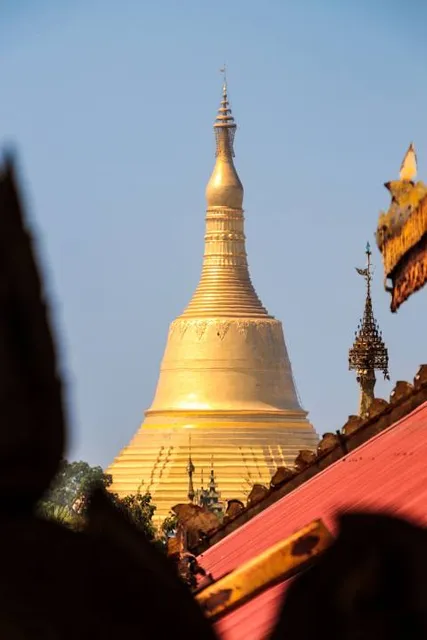
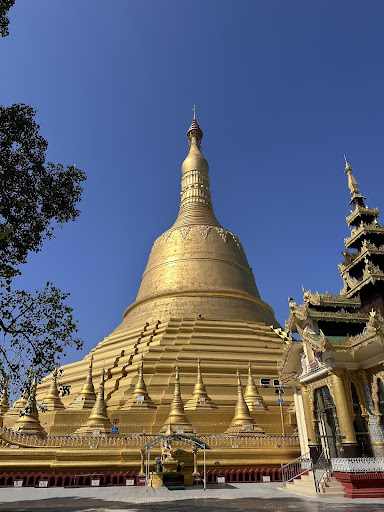
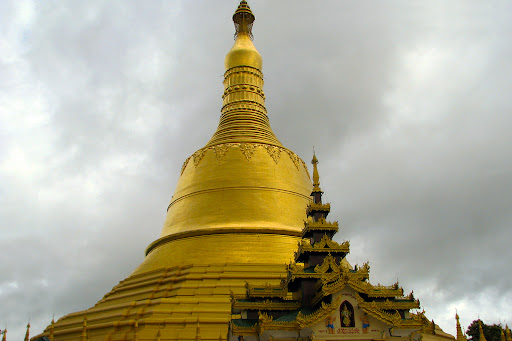
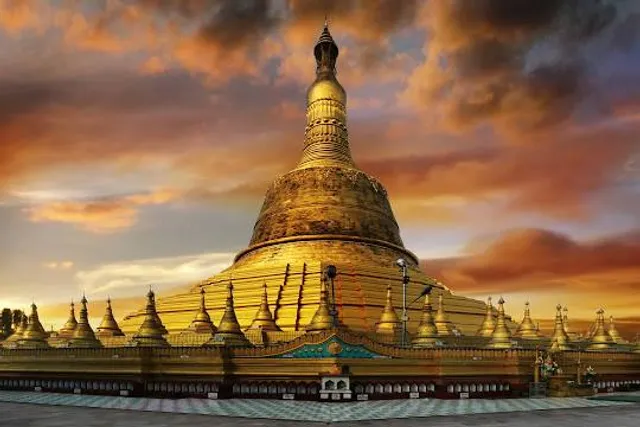
The Shwemawdaw Pagoda is a stupa located in Bago, Myanmar. It is often referred to as the Golden God Temple. At 114 metres in height, the Shwemadaw holds the record for the tallest pagoda in the country although the Shwedagon Pagoda in Yangon is usually credited as the tallest pagoda in Myanmar.
Nearby attractions
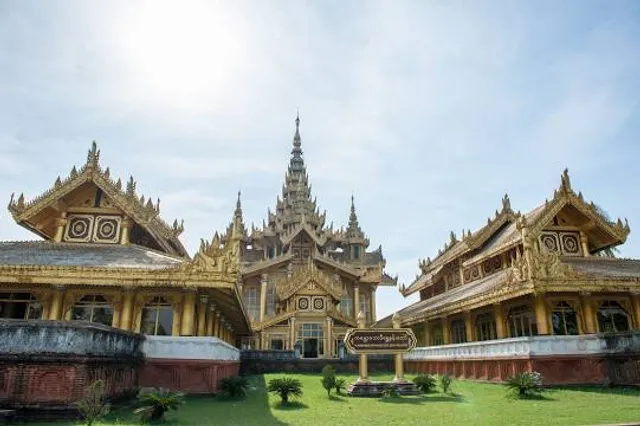
Kanbawzathadi Golden Palace
Myin Taw Thar Rd, Bago, Myanmar (Burma)
Hinthagon Pagoda
8GP4+P33, Bago, Myanmar (Burma)
Nearby restaurants
Nearby local services
Nearby hotels
Hotel Mariner
No.330, 8FPQ+JRH Shwe, á€›á€―á€ūေမေီ္ဓေီဘá€Ŋရီá€ļ, Pagoda Rd, Bago, Myanmar (Burma)
Related posts
Keywords
Shwemawdaw Pagoda tourism.Shwemawdaw Pagoda hotels.Shwemawdaw Pagoda bed and breakfast. flights to Shwemawdaw Pagoda.Shwemawdaw Pagoda attractions.Shwemawdaw Pagoda restaurants.Shwemawdaw Pagoda local services.Shwemawdaw Pagoda travel.Shwemawdaw Pagoda travel guide.Shwemawdaw Pagoda travel blog.Shwemawdaw Pagoda pictures.Shwemawdaw Pagoda photos.Shwemawdaw Pagoda travel tips.Shwemawdaw Pagoda maps.Shwemawdaw Pagoda things to do.
Shwemawdaw Pagoda things to do, attractions, restaurants, events info and trip planning
Shwemawdaw Pagoda
MyanmarBago RegionBago DistrictShwemawdaw Pagoda

Basic Info

Shwemawdaw Pagoda

8FPW+QMF, Shwemawdaw, Pagoda Street, Bago, Myanmar (Burma)
4.5(1.0K)
Open 24 hours
Save
spot

Ratings & Description

Info

The Shwemawdaw Pagoda is a stupa located in Bago, Myanmar. It is often referred to as the Golden God Temple. At 114 metres in height, the Shwemadaw holds the record for the tallest pagoda in the country although the Shwedagon Pagoda in Yangon is usually credited as the tallest pagoda in Myanmar.

Cultural
Family friendly
attractions: Kanbawzathadi Golden Palace, Hinthagon Pagoda, restaurants: , local businesses:
logoLearn more insights from Wanderboat AI.
Website
bagoshwemawdaw.com.mm

Plan your stay

hotel
Pet-friendly Hotels in Bago District
Find a cozy hotel nearby and make it a full experience.
hotel
Affordable Hotels in Bago District
Find a cozy hotel nearby and make it a full experience.
hotel
The Coolest Hotels You Haven't Heard Of (Yet)
Find a cozy hotel nearby and make it a full experience.
hotel
Trending Stays Worth the Hype in Bago District
Find a cozy hotel nearby and make it a full experience.

Reviews

Nearby attractions of Shwemawdaw Pagoda

Kanbawzathadi Golden Palace

Hinthagon Pagoda

Kanbawzathadi Golden Palace

Kanbawzathadi Golden Palace

4.1

(390)

Open 24 hours
Click for details
Hinthagon Pagoda

Hinthagon Pagoda

4.3

(186)

Open until 10:00 PM
Click for details
Get the Appoverlay
Get the AppOne tap to find yournext favorite spots!
Wanderboat LogoWanderboat

Your everyday Al companion for getaway ideas

CompanyAbout Us
InformationAI Trip PlannerSitemap
SocialXInstagramTiktokLinkedin
LegalTerms of ServicePrivacy Policy

Get the app

ÂĐ 2025 Wanderboat. All rights reserved.

Reviews of Shwemawdaw Pagoda

4.5
(1,023)
avatar
5.0
6y

Shwemawdaw Pagoda

Tallest pagoda in Burma

The Shwemawdaw Paya in Bago is the tallest pagoda in Burma. With its height of 114 meters it is 15 meters taller than the Shwedagon Pagoda in nearby Yangon. The impressive Shwemawdaw, which translates to “Great Golden God” was built by the Mon people over a thousand years ago. It is one of Burma’s most sacred sites, because it enshrines several relics of the Buddha. The towering pagoda glittering in the sun can be seen from miles around. The grounds are peaceful and not much visited by tourists. Over the centuries, the pagoda has been rebuilt and enlarged several times, as a result of the destruction caused by earthquakes. Two huge Chinthe, mythological animals that look like a lion stand guard at the entrance of the temple grounds. Numerous small pagodas are placed at the base of the 114 meter tall Shwemawdaw. The pagoda is topped with a diamond studded hti, a top ornament shaped as an umbrella found on most Burmese temples.

Structures around the stupa

On the terrace surrounding the stupa are statues of Nat spirits and eight shrines where Buddhists pray. There is one shrine for each day of the week and two for Wednesday, that is split in two. Every shrine is associated with a planet in accordance with Eastern astrology. People pray to the shrine belonging to their birthday. In front of the Shwemawdaw lies the top section of the pagoda that broke off during the devastating 1917 earthquake. Around the pagoda are several shrines and ornately decorated pavilions with a multi tiered Pyatthat roof. A bell on the main platform was donated by King Dhammazedi, King of the Hanthawaddy Kingdom during the late 15th century. The bell contains inscriptions made by the King. A small museum on the grounds exhibits ancient wooden and bronze images of the Buddha as well as other artifacts found after the 1930 earthquake. The Bago area has been hit by powerful quakes many times. After the 1930 earthquake largely destroyed the stupa, it was rebuild and enlarged to its current height in 1954. Pictures of the pagoda after the 1930 quake and the rebuilding can be viewed in the covered walkway leading to the pagoda.

ïŋž

Legend of the Shwemawdaw Paya

The Shwemawdaw Paya was built in the 10th century by a Mon King. The pagoda, which was much smaller than it is today was built to enshrine two hair relics of the Buddha. According to legend, the hair strands were given to two Burmese merchants by the Gautama Buddha himself. In the year 982 and again in 1385, tooth relics were enshrined in the pagoda.

How to get to Shwemawdaw Paya

The pagoda is found on Pagoda road near Kanbawzathadi Golden Palace, East of NH1 National Highway. A trishaw from downtown Bago to the pagoda should cost no more than 1,000 Kyat.

Opening hours

The temple grounds open daily from 6 am until 9 pm. The grounds can get very busy during Buddhist holidays and Burmese national holidays.

Entrance fee

The Bago archeological zone ticket at US$ 10 per person is valid to visit the pagoda as well as for most other historical sites in Bago. Hold on to your receipt since staff check regularly. There is a US$...

   Read more

avatar
5.0
2y

The Shwemawdaw Pagoda in Bago, Myanmar, is a majestic testament to the country's rich cultural and religious heritage. Standing at a towering height of 114 meters, it is often referred to as the "Golden God Temple" due to its glistening exterior adorned with gold leaf.

The pagoda's grandeur is immediately apparent upon approach, with its intricately designed spire dominating the skyline. As visitors ascend the stairs to reach the main platform, they are greeted by a serene atmosphere and panoramic views of the surrounding landscape.

The interior of the pagoda houses a sacred relic chamber, adding to its spiritual significance. Devotees and tourists alike are captivated by the peaceful ambiance and the devout worship taking place within.

The architecture reflects a blend of Mon and Burmese styles, showcasing the historical amalgamation of cultures in the region. The ornate details, including delicate carvings and vibrant decorations, highlight the meticulous craftsmanship that went into its construction.

A visit to Shwemawdaw Pagoda is not only a cultural experience but also a spiritual journey. Whether one is drawn by its architectural splendor, religious importance, or panoramic views, this pagoda stands as a symbol of Myanmar's enduring legacy and is a must-see destination for those exploring the...

   Read more
avatar
5.0
25w

The Shwe Maw Daw Pagoda, located in the heart of Bago, radiates a timeless golden glow. Standing at 114 meters, it is not only the tallest pagoda in Myanmar but also a powerful symbol of the deep-rooted faith that has endured in the hearts of its people for over a thousand years.

According to legend, the pagoda was originally built more than 2,500 years ago by two Mon traders to enshrine a sacred hair relic of the Buddha. Despite suffering damage from several earthquakes over the centuries, it has been continuously restored—an enduring testament to the community’s unwavering commitment to preserving its spiritual heritage.

The architecture of Shwe Maw Daw is a graceful blend of Mon and Burmese styles. The intricate decorative patterns surrounding the structure reflect both artistic delicacy and deep reverence for traditional craftsmanship.

To truly appreciate its ethereal beauty, the best time to visit is after 5 PM. As the sun begins to set, the pagoda is bathed in a warm golden light that glows softly against the sky. By nightfall, its illuminated form shimmers like a vision from myth, casting a dreamlike aura that lingers long after...

   Read more
Page 1 of 7
Previous
Next

Posts

Alpha KiloAlpha Kilo
The Shwemawdaw Pagoda in Bago, Myanmar, is a majestic testament to the country's rich cultural and religious heritage. Standing at a towering height of 114 meters, it is often referred to as the "Golden God Temple" due to its glistening exterior adorned with gold leaf. The pagoda's grandeur is immediately apparent upon approach, with its intricately designed spire dominating the skyline. As visitors ascend the stairs to reach the main platform, they are greeted by a serene atmosphere and panoramic views of the surrounding landscape. The interior of the pagoda houses a sacred relic chamber, adding to its spiritual significance. Devotees and tourists alike are captivated by the peaceful ambiance and the devout worship taking place within. The architecture reflects a blend of Mon and Burmese styles, showcasing the historical amalgamation of cultures in the region. The ornate details, including delicate carvings and vibrant decorations, highlight the meticulous craftsmanship that went into its construction. A visit to Shwemawdaw Pagoda is not only a cultural experience but also a spiritual journey. Whether one is drawn by its architectural splendor, religious importance, or panoramic views, this pagoda stands as a symbol of Myanmar's enduring legacy and is a must-see destination for those exploring the country's treasures.
Pattana MoonPattana Moon
The Shwe Maw Daw Pagoda, located in the heart of Bago, radiates a timeless golden glow. Standing at 114 meters, it is not only the tallest pagoda in Myanmar but also a powerful symbol of the deep-rooted faith that has endured in the hearts of its people for over a thousand years. According to legend, the pagoda was originally built more than 2,500 years ago by two Mon traders to enshrine a sacred hair relic of the Buddha. Despite suffering damage from several earthquakes over the centuries, it has been continuously restored—an enduring testament to the community’s unwavering commitment to preserving its spiritual heritage. The architecture of Shwe Maw Daw is a graceful blend of Mon and Burmese styles. The intricate decorative patterns surrounding the structure reflect both artistic delicacy and deep reverence for traditional craftsmanship. To truly appreciate its ethereal beauty, the best time to visit is after 5 PM. As the sun begins to set, the pagoda is bathed in a warm golden light that glows softly against the sky. By nightfall, its illuminated form shimmers like a vision from myth, casting a dreamlike aura that lingers long after the visit ends.
āđ„āļāļ”āđŒāļ•āđ‰āļ™āļ›āļēāļāļŦāđ‰āļ­āļĒ Toneetonāđ„āļāļ”āđŒāļ•āđ‰āļ™āļ›āļēāļāļŦāđ‰āļ­āļĒ Toneeton
āļžāļĢāļ°āļ˜āļēāļ•āļļāļĄāļļāđ€āļ•āļē āļŦāļĢāļ·āļ­ āđ€āļˆāļ”āļĩāļĒāđŒāļŠāđ€āļ§āļĄāļ­āļ”āļ­āļ§āđŒ āđ€āļĄāļ·āļ­āļ‡āļžāļ°āđ‚āļ„ āļ›āļĢāļ°āđ€āļ—āļĻāļžāļĄāđˆāļē Shwemawdaw Pagoda, Bago, Myanmar āļžāļĢāļ°āļ˜āļēāļ•āļļāļĄāļļāđ€āļ•āļē āļžāļĢāļ°āļ˜āļēāļ•āļļāļĄāļļāđ€āļ•āļēāļŠāļĩāļ—āļ­āļ‡āļ­āļĢāđˆāļēāļĄāļ—āļĩāđˆāļĄāļĩāļ„āļ§āļēāļĄāļ‡āļ”āļ‡āļēāļĄāđ„āļĄāđˆāđāļžāđ‰āđ€āļˆāļ”āļĩāļĒāđŒāļŠāđ€āļ§āļ”āļēāļāļ­āļ‡ āļžāļĢāļ°āļ˜āļēāļ•āļļāļĄāļļāđ€āļ•āļē āļŦāļĢāļ·āļ­āđ€āļˆāļ”āļĩāļĒāđŒāļŠāđ€āļ§āļĄāļ­āļ”āļ­āļ§āđŒ āđ€āļ›āđ‡āļ™ 1 āđƒāļ™ 5 āļĄāļŦāļēāđ€āļˆāļ”āļĩāļĒāđŒāļŠāļģāļ„āļąāļāļ‚āļ­āļ‡āļ›āļĢāļ°āđ€āļ—āļĻāļžāļĄāđˆāļē āđ‚āļ”āļĒāļ–āļ·āļ­āđ€āļ›āđ‡āļ™āđ€āļˆāļ”āļĩāļĒāđŒāļ„āļđāđˆāļšāđ‰āļēāļ™āļ„āļđāđˆāđ€āļĄāļ·āļ­āļ‡āļ‚āļ­āļ‡āļŦāļ‡āļŠāļēāļ§āļ”āļĩ āļŦāļĢāļ·āļ­āđ€āļĄāļ·āļ­āļ‡āļžāļ°āđ‚āļ„ āļĄāļĩāļ„āļ§āļēāļĄāđ€āļāđˆāļēāđāļāđˆāļĒāļēāļ§āļ™āļēāļ™āļāļ§āđˆāļē 1,000 āļ›āļĩ āđāļĨāļ°āđ€āļŠāļ·āđˆāļ­āļāļąāļ™āļ§āđˆāļēāļ āļēāļĒāđƒāļ™āļ•āļąāļ§āđ€āļˆāļ”āļĩāļĒāđŒāđ€āļ›āđ‡āļ™āļ—āļĩāđˆāļ›āļĢāļ°āļ”āļīāļĐāļāļēāļ™āļ‚āļ­āļ‡āļžāļĢāļ°āļšāļĢāļĄāļŠāļēāļĢāļĢāļīāļāļ˜āļēāļ•āļļāđƒāļ™āļŠāđˆāļ§āļ™āļ‚āļ­āļ‡āļžāļĢāļ°āđ€āļāļĻāļēāđāļĨāļ°āļžāļĢāļ°āļ—āļ™āļ•āđŒ āļ•āļąāđ‰āļ‡āļ­āļĒāļđāđˆāđƒāļ™āđ€āļĄāļ·āļ­āļ‡āļžāļ°āđ‚āļ„ āļ›āļĢāļ°āđ€āļ—āļĻāļžāļĄāđˆāļē āļŦāļ™āđ‰āļēāđāļĢāļ āļ—āđˆāļ­āļ‡āđ€āļ—āļĩāđˆāļĒāļ§āļ•āđˆāļēāļ‡āļ›āļĢāļ°āđ€āļ—āļĻ āļžāļĢāļ°āļ˜āļēāļ•āļļāļĄāļļāđ€āļ•āļē āļŦāļĢāļ·āļ­ āđ€āļˆāļ”āļĩāļĒāđŒāļŠāđ€āļ§āļĄāļ­āļ”āļ­āļ§āđŒ āđ€āļĄāļ·āļ­āļ‡āļžāļ°āđ‚āļ„ āļ›āļĢāļ°āđ€āļ—āļĻāļžāļĄāđˆāļē āļžāļĢāļ°āļ˜āļēāļ•āļļāļĄāļļāđ€āļ•āļē āļŦāļĢāļ·āļ­ āđ€āļˆāļ”āļĩāļĒāđŒāļŠāđ€āļ§āļĄāļ­āļ”āļ­āļ§āđŒ āđ€āļĄāļ·āļ­āļ‡āļžāļ°āđ‚āļ„ āļ›āļĢāļ°āđ€āļ—āļĻāļžāļĄāđˆāļē āļ­āđˆāļēāļ™ (3,526)By Webmaster13:57:18 | 1 āļ.āļž. 2562 āļžāļĢāļ°āļ˜āļēāļ•āļļāļĄāļļāđ€āļ•āļē āļŦāļĢāļ·āļ­ āđ€āļˆāļ”āļĩāļĒāđŒāļŠāđ€āļ§āļĄāļ­āļ”āļ­āļ§āđŒ āđ€āļĄāļ·āļ­āļ‡āļžāļ°āđ‚āļ„ āļ›āļĢāļ°āđ€āļ—āļĻāļžāļĄāđˆāļē Shwemawdaw Pagoda, Bago, Myanmar āļžāļĢāļ°āļ˜āļēāļ•āļļāļĄāļļāđ€āļ•āļē āļžāļĢāļ°āļ˜āļēāļ•āļļāļĄāļļāđ€āļ•āļēāļŠāļĩāļ—āļ­āļ‡āļ­āļĢāđˆāļēāļĄāļ—āļĩāđˆāļĄāļĩāļ„āļ§āļēāļĄāļ‡āļ”āļ‡āļēāļĄāđ„āļĄāđˆāđāļžāđ‰āđ€āļˆāļ”āļĩāļĒāđŒāļŠāđ€āļ§āļ”āļēāļāļ­āļ‡ āļžāļĢāļ°āļ˜āļēāļ•āļļāļĄāļļāđ€āļ•āļē āļŦāļĢāļ·āļ­āđ€āļˆāļ”āļĩāļĒāđŒāļŠāđ€āļ§āļĄāļ­āļ”āļ­āļ§āđŒ āđ€āļ›āđ‡āļ™ 1 āđƒāļ™ 5 āļĄāļŦāļēāđ€āļˆāļ”āļĩāļĒāđŒāļŠāļģāļ„āļąāļāļ‚āļ­āļ‡āļ›āļĢāļ°āđ€āļ—āļĻāļžāļĄāđˆāļē āđ‚āļ”āļĒāļ–āļ·āļ­āđ€āļ›āđ‡āļ™āđ€āļˆāļ”āļĩāļĒāđŒāļ„āļđāđˆāļšāđ‰āļēāļ™āļ„āļđāđˆāđ€āļĄāļ·āļ­āļ‡āļ‚āļ­āļ‡āļŦāļ‡āļŠāļēāļ§āļ”āļĩ āļŦāļĢāļ·āļ­āđ€āļĄāļ·āļ­āļ‡āļžāļ°āđ‚āļ„ āļĄāļĩāļ„āļ§āļēāļĄāđ€āļāđˆāļēāđāļāđˆāļĒāļēāļ§āļ™āļēāļ™āļāļ§āđˆāļē 1,000 āļ›āļĩ āđāļĨāļ°āđ€āļŠāļ·āđˆāļ­āļāļąāļ™āļ§āđˆāļēāļ āļēāļĒāđƒāļ™āļ•āļąāļ§āđ€āļˆāļ”āļĩāļĒāđŒāđ€āļ›āđ‡āļ™āļ—āļĩāđˆāļ›āļĢāļ°āļ”āļīāļĐāļāļēāļ™āļ‚āļ­āļ‡āļžāļĢāļ°āļšāļĢāļĄāļŠāļēāļĢāļĢāļīāļāļ˜āļēāļ•āļļāđƒāļ™āļŠāđˆāļ§āļ™āļ‚āļ­āļ‡āļžāļĢāļ°āđ€āļāļĻāļēāđāļĨāļ°āļžāļĢāļ°āļ—āļ™āļ•āđŒ āļ•āļąāđ‰āļ‡āļ­āļĒāļđāđˆāđƒāļ™āđ€āļĄāļ·āļ­āļ‡āļžāļ°āđ‚āļ„ āļ›āļĢāļ°āđ€āļ—āļĻāļžāļĄāđˆāļē āļ›āļĢāļ°āļ§āļąāļ•āļīāļ„āļ§āļēāļĄāđ€āļ›āđ‡āļ™āļĄāļēāļ‚āļ­āļ‡āļžāļĢāļ°āļ˜āļēāļ•āļļāļĄāļļāđ€āļ•āļē āļ•āļĨāļ­āļ”āļĢāļ°āļĒāļ°āđ€āļ§āļĨāļēāļ—āļĩāđˆāļœāđˆāļēāļ™āļĄāļēāļ•āļąāļ§āđ€āļˆāļ”āļĩāļĒāđŒāđ„āļ”āđ‰āļĢāļąāļšāļ„āļ§āļēāļĄāđ€āļŠāļĩāļĒāļŦāļēāļĒāđ€āļ™āļ·āđˆāļ­āļ‡āļˆāļēāļāđāļœāđˆāļ™āļ”āļīāļ™āđ„āļŦāļ§āļŦāļĨāļēāļĒāļ„āļĢāļąāđ‰āļ‡ āļĢāļ§āļĄāļ—āļąāđ‰āļ‡āđƒāļ™āļ›āļĩ āļ„.āļĻ. 1917 āđāļĨāļ° āļ›āļĩ āļ„.āļĻ. 1930 āļ‹āļķāđˆāļ‡āđ€āļŦāļ•āļļāļāļēāļĢāļ“āđŒāđāļœāđˆāļ™āļ”āļīāļ™āđ„āļŦāļ§āļ„āļĢāļąāđ‰āļ‡āđƒāļŦāļāđˆāđƒāļ™āļ›āļĩ āļ„.āļĻ. 1917 āļ™āļąāđ‰āļ™āļ—āļģāđƒāļŦāđ‰āļĒāļ­āļ”āļžāļĢāļ°āđ€āļˆāļ”āļĩāļĒāđŒāļžāļąāļ‡āļĨāļ‡āļĄāļē āļŦāļĨāļąāļ‡āļāļēāļĢāļšāļđāļĢāļ“āļ°āđ„āļ”āđ‰āļĄāļĩāļāļēāļĢāđ€āļāđ‡āļšāļŠāđˆāļ§āļ™āļĒāļ­āļ”āļžāļĢāļ°āđ€āļˆāļ”āļĩāļĒāđŒāļ—āļĩāđˆāļžāļąāļ‡āļĨāļ‡āļĄāļēāđ„āļ§āđ‰āđƒāļ™āļˆāļļāļ”āđ€āļ”āļīāļĄ āļ—āļąāđ‰āļ‡āļ„āļ§āļēāļĄāļŠāļ§āļĒāļ‡āļēāļĄāļ‚āļ­āļ‡āļ•āļąāļ§āđ€āļˆāļ”āļĩāļĒāđŒ āđāļĨāļ°āļšāļĢāļĢāļĒāļēāļāļēāļĻāđ‚āļ”āļĒāļĢāļ­āļš āļ–āļ·āļ­āļ§āđˆāļēāđƒāļāļĨāđ‰āđ€āļ„āļĩāļĒāļ‡āļāļąāļšāđ€āļˆāļ”āļĩāļĒāđŒāļŠāđ€āļ§āļ”āļēāļāļ­āļ‡āđ€āļ›āđ‡āļ™āļ­āļĒāđˆāļēāļ‡āļĒāļīāđˆāļ‡ āđāļ•āđˆāļĨāļąāļāļĐāļ“āļ°āļ—āļēāļ‡āļŠāļ–āļēāļ›āļąāļ•āļĒāļāļĢāļĢāļĄāļˆāļ°āļĄāļĩāļ„āļ§āļēāļĄāđāļ•āļāļ•āđˆāļēāļ‡āļ­āļ­āļāđ„āļ›āđ€āļĨāđ‡āļāļ™āđ‰āļ­āļĒ āđ€āļ™āļ·āđˆāļ­āļ‡āļˆāļēāļāđ€āļ›āđ‡āļ™āđ€āļˆāļ”āļĩāļĒāđŒāļ—āļĩāđˆāļŠāļĢāđ‰āļēāļ‡āļ”āđ‰āļ§āļĒāļĻāļīāļĨāļ›āļ°āđāļšāļšāļĄāļ­āļ āđ€āļˆāļ”āļĩāļĒāđŒāļŠāđ€āļ§āļĄāļ­āļĢāđŒāļ”āļ­āļ§āđŒāļ™āļĩāđ‰āļĒāļąāļ‡āļĄāļĩāļŠāļ·āđˆāļ­āđ€āļĢāļĩāļĒāļāđƒāļ™āļŦāļĄāļđāđˆāļ„āļ™āđ„āļ—āļĒāļ§āđˆāļē “āđ€āļˆāļ”āļĩāļĒāđŒāļžāļĢāļ°āļ˜āļēāļ•āļļāļĄāļļāđ€āļ•āļē” āđ‚āļ”āļĒāļ„āļģāļ§āđˆāļēāļĄāļļāđ€āļ•āļēāļ™āļąāđ‰āļ™āđ€āļ›āđ‡āļ™āļ āļēāļĐāļēāļĄāļ­āļāļ—āļĩāđˆāđāļ›āļĨāļ§āđˆāļē “āļˆāļĄāļđāļāļĢāđ‰āļ­āļ™â€ āđāļŠāļ”āļ‡āđƒāļŦāđ‰āđ€āļŦāđ‡āļ™āļ–āļķāļ‡āļ„āļ§āļēāļĄāļŠāļđāļ‡āļ‚āļ­āļ‡āļ­āļ‡āļ„āđŒāđ€āļˆāļ”āļĩāļĒāđŒāļ—āļĩāđˆāļ—āļģāđƒāļŦāđ‰āļ—āļļāļāļ„āļ™āļ•āđ‰āļ­āļ‡āđāļŦāļ‡āļ™āļŦāļ™āđ‰āļēāļĄāļ­āļ‡āļˆāļ™āđāļ”āļ”āļŠāđˆāļ­āļ‡āļĄāļēāļāļĢāļ°āļ—āļšāļˆāļĄāļđāļ āļ™āļąāļāļ—āđˆāļ­āļ‡āđ€āļ—āļĩāđˆāļĒāļ§āļ—āļĩāđˆāļŠāļ™āđƒāļˆāđ„āļ›āđ€āļ—āļĩāđˆāļĒāļ§ āļžāļĢāļ°āļ˜āļēāļ•āļļāļĄāļļāđ€āļ•āļē āļŠāļēāļĄāļēāļĢāļ–āļĻāļķāļāļĐāļē āļ‚āđ‰āļ­āļĄāļđāļĨāđ€āļžāļīāđˆāļĄāđ€āļ•āļīāļĄ āđ„āļ”āđ‰āļ—āļĩāđˆ āļžāļĢāļ°āļ˜āļēāļ•āļļāļĄāļļāđ€āļ•āļē āđ€āļĄāļ·āļ­āļ‡āļžāļ°āđ‚āļ„ āļ›āļĢāļ°āđ€āļ—āļĻāļžāļĄāđˆāļē (Shwemawdaw Pagoda, Bago, Myanmar) āļĢāļ°āļ”āļąāļšāļ„āļ§āļēāļĄāļ™āļīāļĒāļĄ : āļ­āļąāļ•āļĢāļēāļ„āđˆāļēāđ€āļ‚āđ‰āļēāļŠāļĄ : USD 10 āđ€āļ§āļĨāļēāđ€āļ›āļīāļ”-āļ›āļīāļ” : 05.00 – 21.00 āļ™. āļŠāđˆāļ§āļ‡āđ€āļ§āļĨāļēāļ—āļĩāđˆāđ€āļŦāļĄāļēāļ°āļŠāļĄāđƒāļ™āļāļēāļĢāļ—āđˆāļ­āļ‡āđ€āļ—āļĩāđˆāļĒāļ§ : āļ•āļĨāļ­āļ”āļ—āļąāđ‰āļ‡āļ›āļĩ āļŠāļ–āļēāļ™āļ—āļĩāđˆāļ•āļąāđ‰āļ‡ : āđ€āļĄāļ·āļ­āļ‡āļžāļ°āđ‚āļ„ āļ›āļĢāļ°āđ€āļ—āļĻāļžāļĄāđˆāļē Credit : Palanla
See more posts
See more posts
hotel
Find your stay

Pet-friendly Hotels in Bago District

Find a cozy hotel nearby and make it a full experience.

The Shwemawdaw Pagoda in Bago, Myanmar, is a majestic testament to the country's rich cultural and religious heritage. Standing at a towering height of 114 meters, it is often referred to as the "Golden God Temple" due to its glistening exterior adorned with gold leaf. The pagoda's grandeur is immediately apparent upon approach, with its intricately designed spire dominating the skyline. As visitors ascend the stairs to reach the main platform, they are greeted by a serene atmosphere and panoramic views of the surrounding landscape. The interior of the pagoda houses a sacred relic chamber, adding to its spiritual significance. Devotees and tourists alike are captivated by the peaceful ambiance and the devout worship taking place within. The architecture reflects a blend of Mon and Burmese styles, showcasing the historical amalgamation of cultures in the region. The ornate details, including delicate carvings and vibrant decorations, highlight the meticulous craftsmanship that went into its construction. A visit to Shwemawdaw Pagoda is not only a cultural experience but also a spiritual journey. Whether one is drawn by its architectural splendor, religious importance, or panoramic views, this pagoda stands as a symbol of Myanmar's enduring legacy and is a must-see destination for those exploring the country's treasures.
Alpha Kilo

Alpha Kilo

hotel
Find your stay

Affordable Hotels in Bago District

Find a cozy hotel nearby and make it a full experience.

Get the Appoverlay
Get the AppOne tap to find yournext favorite spots!
The Shwe Maw Daw Pagoda, located in the heart of Bago, radiates a timeless golden glow. Standing at 114 meters, it is not only the tallest pagoda in Myanmar but also a powerful symbol of the deep-rooted faith that has endured in the hearts of its people for over a thousand years. According to legend, the pagoda was originally built more than 2,500 years ago by two Mon traders to enshrine a sacred hair relic of the Buddha. Despite suffering damage from several earthquakes over the centuries, it has been continuously restored—an enduring testament to the community’s unwavering commitment to preserving its spiritual heritage. The architecture of Shwe Maw Daw is a graceful blend of Mon and Burmese styles. The intricate decorative patterns surrounding the structure reflect both artistic delicacy and deep reverence for traditional craftsmanship. To truly appreciate its ethereal beauty, the best time to visit is after 5 PM. As the sun begins to set, the pagoda is bathed in a warm golden light that glows softly against the sky. By nightfall, its illuminated form shimmers like a vision from myth, casting a dreamlike aura that lingers long after the visit ends.
Pattana Moon

Pattana Moon

hotel
Find your stay

The Coolest Hotels You Haven't Heard Of (Yet)

Find a cozy hotel nearby and make it a full experience.

hotel
Find your stay

Trending Stays Worth the Hype in Bago District

Find a cozy hotel nearby and make it a full experience.

āļžāļĢāļ°āļ˜āļēāļ•āļļāļĄāļļāđ€āļ•āļē āļŦāļĢāļ·āļ­ āđ€āļˆāļ”āļĩāļĒāđŒāļŠāđ€āļ§āļĄāļ­āļ”āļ­āļ§āđŒ āđ€āļĄāļ·āļ­āļ‡āļžāļ°āđ‚āļ„ āļ›āļĢāļ°āđ€āļ—āļĻāļžāļĄāđˆāļē Shwemawdaw Pagoda, Bago, Myanmar āļžāļĢāļ°āļ˜āļēāļ•āļļāļĄāļļāđ€āļ•āļē āļžāļĢāļ°āļ˜āļēāļ•āļļāļĄāļļāđ€āļ•āļēāļŠāļĩāļ—āļ­āļ‡āļ­āļĢāđˆāļēāļĄāļ—āļĩāđˆāļĄāļĩāļ„āļ§āļēāļĄāļ‡āļ”āļ‡āļēāļĄāđ„āļĄāđˆāđāļžāđ‰āđ€āļˆāļ”āļĩāļĒāđŒāļŠāđ€āļ§āļ”āļēāļāļ­āļ‡ āļžāļĢāļ°āļ˜āļēāļ•āļļāļĄāļļāđ€āļ•āļē āļŦāļĢāļ·āļ­āđ€āļˆāļ”āļĩāļĒāđŒāļŠāđ€āļ§āļĄāļ­āļ”āļ­āļ§āđŒ āđ€āļ›āđ‡āļ™ 1 āđƒāļ™ 5 āļĄāļŦāļēāđ€āļˆāļ”āļĩāļĒāđŒāļŠāļģāļ„āļąāļāļ‚āļ­āļ‡āļ›āļĢāļ°āđ€āļ—āļĻāļžāļĄāđˆāļē āđ‚āļ”āļĒāļ–āļ·āļ­āđ€āļ›āđ‡āļ™āđ€āļˆāļ”āļĩāļĒāđŒāļ„āļđāđˆāļšāđ‰āļēāļ™āļ„āļđāđˆāđ€āļĄāļ·āļ­āļ‡āļ‚āļ­āļ‡āļŦāļ‡āļŠāļēāļ§āļ”āļĩ āļŦāļĢāļ·āļ­āđ€āļĄāļ·āļ­āļ‡āļžāļ°āđ‚āļ„ āļĄāļĩāļ„āļ§āļēāļĄāđ€āļāđˆāļēāđāļāđˆāļĒāļēāļ§āļ™āļēāļ™āļāļ§āđˆāļē 1,000 āļ›āļĩ āđāļĨāļ°āđ€āļŠāļ·āđˆāļ­āļāļąāļ™āļ§āđˆāļēāļ āļēāļĒāđƒāļ™āļ•āļąāļ§āđ€āļˆāļ”āļĩāļĒāđŒāđ€āļ›āđ‡āļ™āļ—āļĩāđˆāļ›āļĢāļ°āļ”āļīāļĐāļāļēāļ™āļ‚āļ­āļ‡āļžāļĢāļ°āļšāļĢāļĄāļŠāļēāļĢāļĢāļīāļāļ˜āļēāļ•āļļāđƒāļ™āļŠāđˆāļ§āļ™āļ‚āļ­āļ‡āļžāļĢāļ°āđ€āļāļĻāļēāđāļĨāļ°āļžāļĢāļ°āļ—āļ™āļ•āđŒ āļ•āļąāđ‰āļ‡āļ­āļĒāļđāđˆāđƒāļ™āđ€āļĄāļ·āļ­āļ‡āļžāļ°āđ‚āļ„ āļ›āļĢāļ°āđ€āļ—āļĻāļžāļĄāđˆāļē āļŦāļ™āđ‰āļēāđāļĢāļ āļ—āđˆāļ­āļ‡āđ€āļ—āļĩāđˆāļĒāļ§āļ•āđˆāļēāļ‡āļ›āļĢāļ°āđ€āļ—āļĻ āļžāļĢāļ°āļ˜āļēāļ•āļļāļĄāļļāđ€āļ•āļē āļŦāļĢāļ·āļ­ āđ€āļˆāļ”āļĩāļĒāđŒāļŠāđ€āļ§āļĄāļ­āļ”āļ­āļ§āđŒ āđ€āļĄāļ·āļ­āļ‡āļžāļ°āđ‚āļ„ āļ›āļĢāļ°āđ€āļ—āļĻāļžāļĄāđˆāļē āļžāļĢāļ°āļ˜āļēāļ•āļļāļĄāļļāđ€āļ•āļē āļŦāļĢāļ·āļ­ āđ€āļˆāļ”āļĩāļĒāđŒāļŠāđ€āļ§āļĄāļ­āļ”āļ­āļ§āđŒ āđ€āļĄāļ·āļ­āļ‡āļžāļ°āđ‚āļ„ āļ›āļĢāļ°āđ€āļ—āļĻāļžāļĄāđˆāļē āļ­āđˆāļēāļ™ (3,526)By Webmaster13:57:18 | 1 āļ.āļž. 2562 āļžāļĢāļ°āļ˜āļēāļ•āļļāļĄāļļāđ€āļ•āļē āļŦāļĢāļ·āļ­ āđ€āļˆāļ”āļĩāļĒāđŒāļŠāđ€āļ§āļĄāļ­āļ”āļ­āļ§āđŒ āđ€āļĄāļ·āļ­āļ‡āļžāļ°āđ‚āļ„ āļ›āļĢāļ°āđ€āļ—āļĻāļžāļĄāđˆāļē Shwemawdaw Pagoda, Bago, Myanmar āļžāļĢāļ°āļ˜āļēāļ•āļļāļĄāļļāđ€āļ•āļē āļžāļĢāļ°āļ˜āļēāļ•āļļāļĄāļļāđ€āļ•āļēāļŠāļĩāļ—āļ­āļ‡āļ­āļĢāđˆāļēāļĄāļ—āļĩāđˆāļĄāļĩāļ„āļ§āļēāļĄāļ‡āļ”āļ‡āļēāļĄāđ„āļĄāđˆāđāļžāđ‰āđ€āļˆāļ”āļĩāļĒāđŒāļŠāđ€āļ§āļ”āļēāļāļ­āļ‡ āļžāļĢāļ°āļ˜āļēāļ•āļļāļĄāļļāđ€āļ•āļē āļŦāļĢāļ·āļ­āđ€āļˆāļ”āļĩāļĒāđŒāļŠāđ€āļ§āļĄāļ­āļ”āļ­āļ§āđŒ āđ€āļ›āđ‡āļ™ 1 āđƒāļ™ 5 āļĄāļŦāļēāđ€āļˆāļ”āļĩāļĒāđŒāļŠāļģāļ„āļąāļāļ‚āļ­āļ‡āļ›āļĢāļ°āđ€āļ—āļĻāļžāļĄāđˆāļē āđ‚āļ”āļĒāļ–āļ·āļ­āđ€āļ›āđ‡āļ™āđ€āļˆāļ”āļĩāļĒāđŒāļ„āļđāđˆāļšāđ‰āļēāļ™āļ„āļđāđˆāđ€āļĄāļ·āļ­āļ‡āļ‚āļ­āļ‡āļŦāļ‡āļŠāļēāļ§āļ”āļĩ āļŦāļĢāļ·āļ­āđ€āļĄāļ·āļ­āļ‡āļžāļ°āđ‚āļ„ āļĄāļĩāļ„āļ§āļēāļĄāđ€āļāđˆāļēāđāļāđˆāļĒāļēāļ§āļ™āļēāļ™āļāļ§āđˆāļē 1,000 āļ›āļĩ āđāļĨāļ°āđ€āļŠāļ·āđˆāļ­āļāļąāļ™āļ§āđˆāļēāļ āļēāļĒāđƒāļ™āļ•āļąāļ§āđ€āļˆāļ”āļĩāļĒāđŒāđ€āļ›āđ‡āļ™āļ—āļĩāđˆāļ›āļĢāļ°āļ”āļīāļĐāļāļēāļ™āļ‚āļ­āļ‡āļžāļĢāļ°āļšāļĢāļĄāļŠāļēāļĢāļĢāļīāļāļ˜āļēāļ•āļļāđƒāļ™āļŠāđˆāļ§āļ™āļ‚āļ­āļ‡āļžāļĢāļ°āđ€āļāļĻāļēāđāļĨāļ°āļžāļĢāļ°āļ—āļ™āļ•āđŒ āļ•āļąāđ‰āļ‡āļ­āļĒāļđāđˆāđƒāļ™āđ€āļĄāļ·āļ­āļ‡āļžāļ°āđ‚āļ„ āļ›āļĢāļ°āđ€āļ—āļĻāļžāļĄāđˆāļē āļ›āļĢāļ°āļ§āļąāļ•āļīāļ„āļ§āļēāļĄāđ€āļ›āđ‡āļ™āļĄāļēāļ‚āļ­āļ‡āļžāļĢāļ°āļ˜āļēāļ•āļļāļĄāļļāđ€āļ•āļē āļ•āļĨāļ­āļ”āļĢāļ°āļĒāļ°āđ€āļ§āļĨāļēāļ—āļĩāđˆāļœāđˆāļēāļ™āļĄāļēāļ•āļąāļ§āđ€āļˆāļ”āļĩāļĒāđŒāđ„āļ”āđ‰āļĢāļąāļšāļ„āļ§āļēāļĄāđ€āļŠāļĩāļĒāļŦāļēāļĒāđ€āļ™āļ·āđˆāļ­āļ‡āļˆāļēāļāđāļœāđˆāļ™āļ”āļīāļ™āđ„āļŦāļ§āļŦāļĨāļēāļĒāļ„āļĢāļąāđ‰āļ‡ āļĢāļ§āļĄāļ—āļąāđ‰āļ‡āđƒāļ™āļ›āļĩ āļ„.āļĻ. 1917 āđāļĨāļ° āļ›āļĩ āļ„.āļĻ. 1930 āļ‹āļķāđˆāļ‡āđ€āļŦāļ•āļļāļāļēāļĢāļ“āđŒāđāļœāđˆāļ™āļ”āļīāļ™āđ„āļŦāļ§āļ„āļĢāļąāđ‰āļ‡āđƒāļŦāļāđˆāđƒāļ™āļ›āļĩ āļ„.āļĻ. 1917 āļ™āļąāđ‰āļ™āļ—āļģāđƒāļŦāđ‰āļĒāļ­āļ”āļžāļĢāļ°āđ€āļˆāļ”āļĩāļĒāđŒāļžāļąāļ‡āļĨāļ‡āļĄāļē āļŦāļĨāļąāļ‡āļāļēāļĢāļšāļđāļĢāļ“āļ°āđ„āļ”āđ‰āļĄāļĩāļāļēāļĢāđ€āļāđ‡āļšāļŠāđˆāļ§āļ™āļĒāļ­āļ”āļžāļĢāļ°āđ€āļˆāļ”āļĩāļĒāđŒāļ—āļĩāđˆāļžāļąāļ‡āļĨāļ‡āļĄāļēāđ„āļ§āđ‰āđƒāļ™āļˆāļļāļ”āđ€āļ”āļīāļĄ āļ—āļąāđ‰āļ‡āļ„āļ§āļēāļĄāļŠāļ§āļĒāļ‡āļēāļĄāļ‚āļ­āļ‡āļ•āļąāļ§āđ€āļˆāļ”āļĩāļĒāđŒ āđāļĨāļ°āļšāļĢāļĢāļĒāļēāļāļēāļĻāđ‚āļ”āļĒāļĢāļ­āļš āļ–āļ·āļ­āļ§āđˆāļēāđƒāļāļĨāđ‰āđ€āļ„āļĩāļĒāļ‡āļāļąāļšāđ€āļˆāļ”āļĩāļĒāđŒāļŠāđ€āļ§āļ”āļēāļāļ­āļ‡āđ€āļ›āđ‡āļ™āļ­āļĒāđˆāļēāļ‡āļĒāļīāđˆāļ‡ āđāļ•āđˆāļĨāļąāļāļĐāļ“āļ°āļ—āļēāļ‡āļŠāļ–āļēāļ›āļąāļ•āļĒāļāļĢāļĢāļĄāļˆāļ°āļĄāļĩāļ„āļ§āļēāļĄāđāļ•āļāļ•āđˆāļēāļ‡āļ­āļ­āļāđ„āļ›āđ€āļĨāđ‡āļāļ™āđ‰āļ­āļĒ āđ€āļ™āļ·āđˆāļ­āļ‡āļˆāļēāļāđ€āļ›āđ‡āļ™āđ€āļˆāļ”āļĩāļĒāđŒāļ—āļĩāđˆāļŠāļĢāđ‰āļēāļ‡āļ”āđ‰āļ§āļĒāļĻāļīāļĨāļ›āļ°āđāļšāļšāļĄāļ­āļ āđ€āļˆāļ”āļĩāļĒāđŒāļŠāđ€āļ§āļĄāļ­āļĢāđŒāļ”āļ­āļ§āđŒāļ™āļĩāđ‰āļĒāļąāļ‡āļĄāļĩāļŠāļ·āđˆāļ­āđ€āļĢāļĩāļĒāļāđƒāļ™āļŦāļĄāļđāđˆāļ„āļ™āđ„āļ—āļĒāļ§āđˆāļē “āđ€āļˆāļ”āļĩāļĒāđŒāļžāļĢāļ°āļ˜āļēāļ•āļļāļĄāļļāđ€āļ•āļē” āđ‚āļ”āļĒāļ„āļģāļ§āđˆāļēāļĄāļļāđ€āļ•āļēāļ™āļąāđ‰āļ™āđ€āļ›āđ‡āļ™āļ āļēāļĐāļēāļĄāļ­āļāļ—āļĩāđˆāđāļ›āļĨāļ§āđˆāļē “āļˆāļĄāļđāļāļĢāđ‰āļ­āļ™â€ āđāļŠāļ”āļ‡āđƒāļŦāđ‰āđ€āļŦāđ‡āļ™āļ–āļķāļ‡āļ„āļ§āļēāļĄāļŠāļđāļ‡āļ‚āļ­āļ‡āļ­āļ‡āļ„āđŒāđ€āļˆāļ”āļĩāļĒāđŒāļ—āļĩāđˆāļ—āļģāđƒāļŦāđ‰āļ—āļļāļāļ„āļ™āļ•āđ‰āļ­āļ‡āđāļŦāļ‡āļ™āļŦāļ™āđ‰āļēāļĄāļ­āļ‡āļˆāļ™āđāļ”āļ”āļŠāđˆāļ­āļ‡āļĄāļēāļāļĢāļ°āļ—āļšāļˆāļĄāļđāļ āļ™āļąāļāļ—āđˆāļ­āļ‡āđ€āļ—āļĩāđˆāļĒāļ§āļ—āļĩāđˆāļŠāļ™āđƒāļˆāđ„āļ›āđ€āļ—āļĩāđˆāļĒāļ§ āļžāļĢāļ°āļ˜āļēāļ•āļļāļĄāļļāđ€āļ•āļē āļŠāļēāļĄāļēāļĢāļ–āļĻāļķāļāļĐāļē āļ‚āđ‰āļ­āļĄāļđāļĨāđ€āļžāļīāđˆāļĄāđ€āļ•āļīāļĄ āđ„āļ”āđ‰āļ—āļĩāđˆ āļžāļĢāļ°āļ˜āļēāļ•āļļāļĄāļļāđ€āļ•āļē āđ€āļĄāļ·āļ­āļ‡āļžāļ°āđ‚āļ„ āļ›āļĢāļ°āđ€āļ—āļĻāļžāļĄāđˆāļē (Shwemawdaw Pagoda, Bago, Myanmar) āļĢāļ°āļ”āļąāļšāļ„āļ§āļēāļĄāļ™āļīāļĒāļĄ : āļ­āļąāļ•āļĢāļēāļ„āđˆāļēāđ€āļ‚āđ‰āļēāļŠāļĄ : USD 10 āđ€āļ§āļĨāļēāđ€āļ›āļīāļ”-āļ›āļīāļ” : 05.00 – 21.00 āļ™. āļŠāđˆāļ§āļ‡āđ€āļ§āļĨāļēāļ—āļĩāđˆāđ€āļŦāļĄāļēāļ°āļŠāļĄāđƒāļ™āļāļēāļĢāļ—āđˆāļ­āļ‡āđ€āļ—āļĩāđˆāļĒāļ§ : āļ•āļĨāļ­āļ”āļ—āļąāđ‰āļ‡āļ›āļĩ āļŠāļ–āļēāļ™āļ—āļĩāđˆāļ•āļąāđ‰āļ‡ : āđ€āļĄāļ·āļ­āļ‡āļžāļ°āđ‚āļ„ āļ›āļĢāļ°āđ€āļ—āļĻāļžāļĄāđˆāļē Credit : Palanla
āđ„āļāļ”āđŒāļ•āđ‰āļ™āļ›āļēāļāļŦāđ‰āļ­āļĒ Toneeton

āđ„āļāļ”āđŒāļ•āđ‰āļ™āļ›āļēāļāļŦāđ‰āļ­āļĒ Toneeton

See more posts
See more posts