HTML SitemapExplore
logo
Find Things to DoFind The Best Restaurants

Manuha Temple — Attraction in Nyaung-U District

Name
Manuha Temple
Description
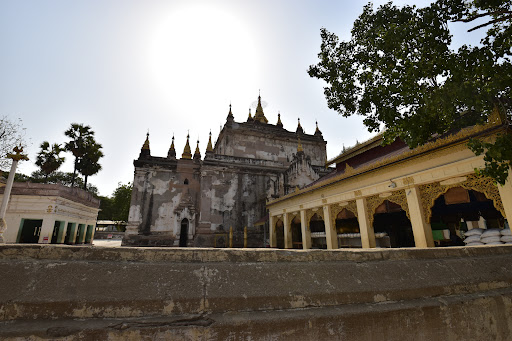
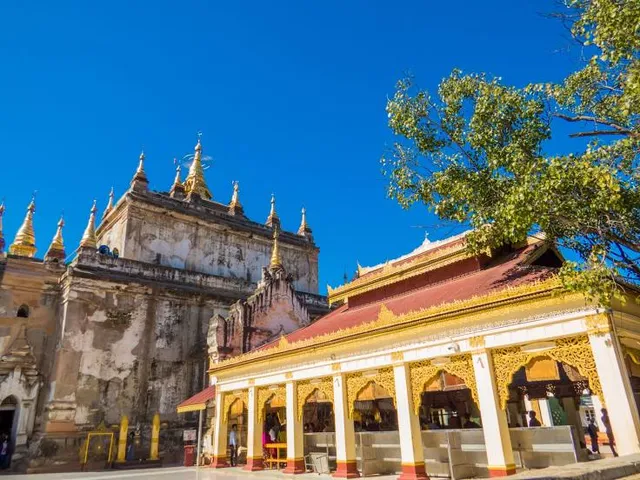
Manuha Temple is a Buddhist temple built in Myinkaba, by captive Mon King Manuha in 1067, according to King Manuha's inscriptions. It is a rectangular building of two storeys. The building contains three images of seated Buddhas and an [[Reclining Buddha|image of Gautama Buddha entering Final Nibbana]].
Nearby attractions
Nan Hpaya Temple
5V25+XHR, 2, Myin Ka Bar, Myanmar (Burma)
Apalyadana Temple
2, Myanmar (Burma)
Mingalar Zedi Pagoda
5V65+F46, Myin Ka Bar, Myanmar (Burma)
Nearby restaurants
Nearby hotels
Related posts
Keywords
Manuha Temple tourism.Manuha Temple hotels.Manuha Temple bed and breakfast. flights to Manuha Temple.Manuha Temple attractions.Manuha Temple restaurants.Manuha Temple travel.Manuha Temple travel guide.Manuha Temple travel blog.Manuha Temple pictures.Manuha Temple photos.Manuha Temple travel tips.Manuha Temple maps.Manuha Temple things to do.
Manuha Temple things to do, attractions, restaurants, events info and trip planning
Manuha Temple
MyanmarMandalayNyaung-U DistrictManuha Temple

Basic Info

Manuha Temple

5V35+8MR, Myin Ka Bar, Myanmar (Burma)
4.5(430)
Closed
Save
spot

Ratings & Description

Info

Manuha Temple is a Buddhist temple built in Myinkaba, by captive Mon King Manuha in 1067, according to King Manuha's inscriptions. It is a rectangular building of two storeys. The building contains three images of seated Buddhas and an [[Reclining Buddha|image of Gautama Buddha entering Final Nibbana]].

Cultural
Family friendly
Accessibility
attractions: Nan Hpaya Temple, Apalyadana Temple, Mingalar Zedi Pagoda, restaurants:
logoLearn more insights from Wanderboat AI.
Open hoursSee all hours
Sat5 AM - 7 PMClosed

Plan your stay

hotel
Pet-friendly Hotels in Nyaung-U District
Find a cozy hotel nearby and make it a full experience.
hotel
Affordable Hotels in Nyaung-U District
Find a cozy hotel nearby and make it a full experience.
hotel
The Coolest Hotels You Haven't Heard Of (Yet)
Find a cozy hotel nearby and make it a full experience.
hotel
Trending Stays Worth the Hype in Nyaung-U District
Find a cozy hotel nearby and make it a full experience.

Reviews

Nearby attractions of Manuha Temple

Nan Hpaya Temple

Apalyadana Temple

Mingalar Zedi Pagoda

Nan Hpaya Temple

Nan Hpaya Temple

4.5

(33)

Open 24 hours
Click for details
Apalyadana Temple

Apalyadana Temple

4.4

(84)

Open 24 hours
Click for details
Mingalar Zedi Pagoda

Mingalar Zedi Pagoda

4.2

(52)

Open 24 hours
Click for details
Get the Appoverlay
Get the AppOne tap to find yournext favorite spots!
Wanderboat LogoWanderboat

Your everyday Al companion for getaway ideas

CompanyAbout Us
InformationAI Trip PlannerSitemap
SocialXInstagramTiktokLinkedin
LegalTerms of ServicePrivacy Policy

Get the app

© 2025 Wanderboat. All rights reserved.
logo

Posts

Ko OoKo Oo
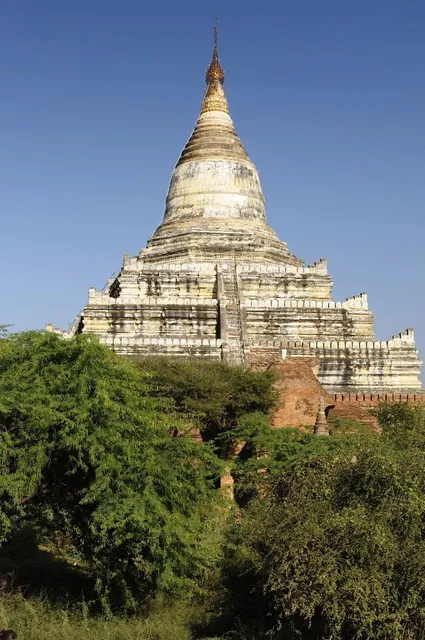
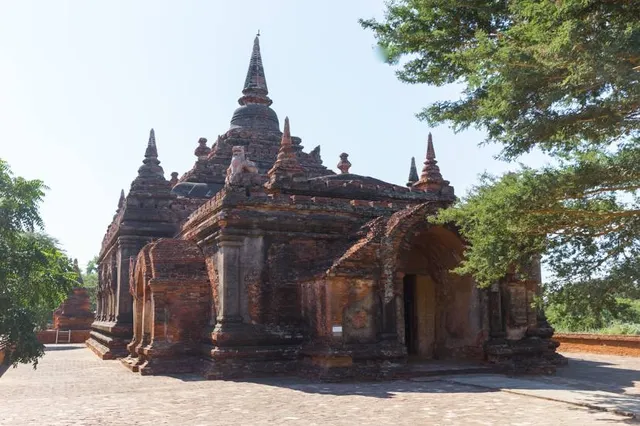
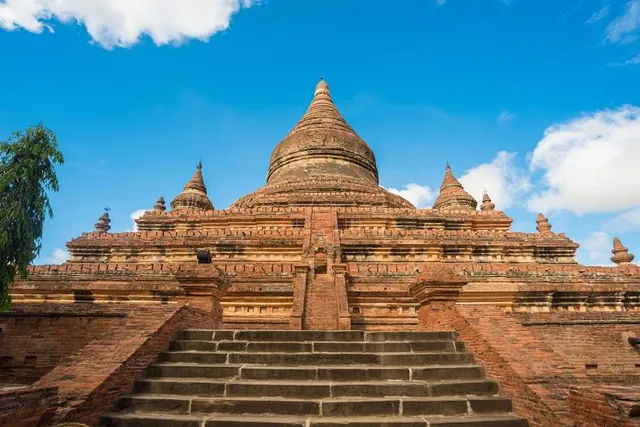
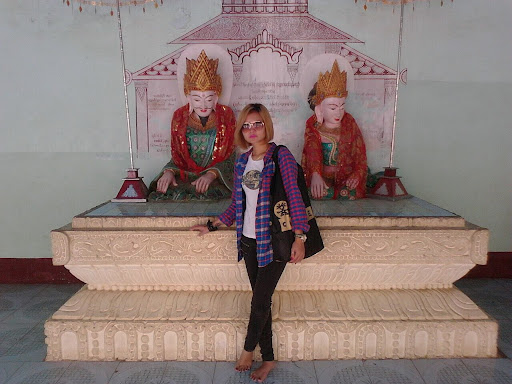
The Manuha temple is a rectangular, whitewashed building. The top storey which is much smaller than the lower one is topped with a large multi tiered hti, a spire shaped like a ceremonial umbrella. The edges of both first and second storey are adorned with several smaller hti’s. The building is oriented towards the East. At the center is a portico with the main entrance protruding out of the structure leading to the room that contains the largest sitting Buddha image. Two smaller entrances on either side of the portico lead to the rooms enshrining the smaller images. A number of narrow steps and a narrow door lead towards the room of the reclining Buddha in the back of the structure. Near the back is a stairway to the top of the temple; a window allows a view of one of the huge seated images from above. During the 1975 earthquake part of the roof collapsed damaging the central image, which has been restored since. The stone inscription found at the temple tells the storey of the Manuha temple and the Buddha images enshrined in it. Anawrahta, King of Bagan wanted to further Buddhism in his empire. He requested Manuha, King of the Mon Kingdom Thaton a copy of the Tripitaka, the Buddhist teachings. After Manuha refused, King Anawrahta invaded Thaton in 1057. King Manuha was captured, taken back to Bagan and imprisoned. Also captured were thousands of Mon artisans and craftsmen, that played an important role in the building of countless temples in Bagan during the next decades. After having spend 10 years in captivity, Manuha wanted to gain religious merit as he wanted to attain Nirvana. He also wished that during the cycle of rebirths (Samsara), he would never be conquered by enemies and had to live in captivity again. He therefore request Anawrahta permission to build a temple. Since the captured King did not have the money to build a temple, he sold a precious jewel to a rich Myinkaba merchant for six cart loads of fine silver. The King used the silver to pay for the construction of a large image of the Buddha, in which Buddhist relics were enshrined. Later he had three more images build. After the completion of the four images, the temple was built around them. The rooms are barely large enough to contain the four images; It is believed that Manuha wanted to express his frustration about his captivity. A recent Burmese style building next to the temple contains statues of King Manuha and his Queen as well as an enormous alms bowl with a ladder in front of it. On a pole next to the temple rests a legendary Hamsa bird. A section of a hall contains very colorful images of three of Burma’s most venerated Nats, Mai Wunna and her two sons, who live on Mount Popa, about 50 kilometers from Bagan. The Nats are ancient spirits that have been worshipped in Burma even before the arrival of Buddhism. Near the temple is a small chedi topped with a hti.
Gunnar CayaGunnar Caya
Nice temple, widely regarded as one of the "must visit" temples, but compared to some of the other temples in Bagan, I wasn't blown away by it. Certainly the allure of this temple is more in its history and age, rather than its scale and architecture. About as far away from Nyaung-U as you can get in a Bagan temple (though one of the closest to New Bagan). If you have the time, you should absolutely see this temple, but that said I don't rate it in the same category as the Ananda, Dhammayangyi, Sulamuni, Shwezigon or Shwesandaw, or even the the Thatbyinnyu, Dhammayazaka, Mingalar Zedi, or Htilominlo category, so make sure you see all of those (plus a few more I neglected to mention) before you make your way here
Dharmendra KumarDharmendra Kumar
It was built by Manuha, the captive king of Thaton, in 1059 A.D. It is a reduplicated square structure with a battlemented terrace, the upper storey being smaller than the lower, so that the entire building appears to assume the form of a pyramid. It contains three images of seated Buddhas and a recumbent image of gigantic proportions representing the Buddha in the act of entering Nirvana. The temple is an allegorical representation of the physical discomfort and mental distress the captive king had to endure. The builder’s grievance is graphically demonstrated by the uncomfortably seated and sleeping Buddhas.
See more posts
See more posts
hotel
Find your stay

Pet-friendly Hotels in Nyaung-U District

Find a cozy hotel nearby and make it a full experience.

The Manuha temple is a rectangular, whitewashed building. The top storey which is much smaller than the lower one is topped with a large multi tiered hti, a spire shaped like a ceremonial umbrella. The edges of both first and second storey are adorned with several smaller hti’s. The building is oriented towards the East. At the center is a portico with the main entrance protruding out of the structure leading to the room that contains the largest sitting Buddha image. Two smaller entrances on either side of the portico lead to the rooms enshrining the smaller images. A number of narrow steps and a narrow door lead towards the room of the reclining Buddha in the back of the structure. Near the back is a stairway to the top of the temple; a window allows a view of one of the huge seated images from above. During the 1975 earthquake part of the roof collapsed damaging the central image, which has been restored since. The stone inscription found at the temple tells the storey of the Manuha temple and the Buddha images enshrined in it. Anawrahta, King of Bagan wanted to further Buddhism in his empire. He requested Manuha, King of the Mon Kingdom Thaton a copy of the Tripitaka, the Buddhist teachings. After Manuha refused, King Anawrahta invaded Thaton in 1057. King Manuha was captured, taken back to Bagan and imprisoned. Also captured were thousands of Mon artisans and craftsmen, that played an important role in the building of countless temples in Bagan during the next decades. After having spend 10 years in captivity, Manuha wanted to gain religious merit as he wanted to attain Nirvana. He also wished that during the cycle of rebirths (Samsara), he would never be conquered by enemies and had to live in captivity again. He therefore request Anawrahta permission to build a temple. Since the captured King did not have the money to build a temple, he sold a precious jewel to a rich Myinkaba merchant for six cart loads of fine silver. The King used the silver to pay for the construction of a large image of the Buddha, in which Buddhist relics were enshrined. Later he had three more images build. After the completion of the four images, the temple was built around them. The rooms are barely large enough to contain the four images; It is believed that Manuha wanted to express his frustration about his captivity. A recent Burmese style building next to the temple contains statues of King Manuha and his Queen as well as an enormous alms bowl with a ladder in front of it. On a pole next to the temple rests a legendary Hamsa bird. A section of a hall contains very colorful images of three of Burma’s most venerated Nats, Mai Wunna and her two sons, who live on Mount Popa, about 50 kilometers from Bagan. The Nats are ancient spirits that have been worshipped in Burma even before the arrival of Buddhism. Near the temple is a small chedi topped with a hti.
Ko Oo

Ko Oo

hotel
Find your stay

Affordable Hotels in Nyaung-U District

Find a cozy hotel nearby and make it a full experience.

Get the Appoverlay
Get the AppOne tap to find yournext favorite spots!
Nice temple, widely regarded as one of the "must visit" temples, but compared to some of the other temples in Bagan, I wasn't blown away by it. Certainly the allure of this temple is more in its history and age, rather than its scale and architecture. About as far away from Nyaung-U as you can get in a Bagan temple (though one of the closest to New Bagan). If you have the time, you should absolutely see this temple, but that said I don't rate it in the same category as the Ananda, Dhammayangyi, Sulamuni, Shwezigon or Shwesandaw, or even the the Thatbyinnyu, Dhammayazaka, Mingalar Zedi, or Htilominlo category, so make sure you see all of those (plus a few more I neglected to mention) before you make your way here
Gunnar Caya

Gunnar Caya

hotel
Find your stay

The Coolest Hotels You Haven't Heard Of (Yet)

Find a cozy hotel nearby and make it a full experience.

hotel
Find your stay

Trending Stays Worth the Hype in Nyaung-U District

Find a cozy hotel nearby and make it a full experience.

It was built by Manuha, the captive king of Thaton, in 1059 A.D. It is a reduplicated square structure with a battlemented terrace, the upper storey being smaller than the lower, so that the entire building appears to assume the form of a pyramid. It contains three images of seated Buddhas and a recumbent image of gigantic proportions representing the Buddha in the act of entering Nirvana. The temple is an allegorical representation of the physical discomfort and mental distress the captive king had to endure. The builder’s grievance is graphically demonstrated by the uncomfortably seated and sleeping Buddhas.
Dharmendra Kumar

Dharmendra Kumar

See more posts
See more posts

Reviews of Manuha Temple

4.5
(430)
avatar
4.0
6y

The Manuha temple is a rectangular, whitewashed building. The top storey which is much smaller than the lower one is topped with a large multi tiered hti, a spire shaped like a ceremonial umbrella. The edges of both first and second storey are adorned with several smaller hti’s. The building is oriented towards the East. At the center is a portico with the main entrance protruding out of the structure leading to the room that contains the largest sitting Buddha image. Two smaller entrances on either side of the portico lead to the rooms enshrining the smaller images. A number of narrow steps and a narrow door lead towards the room of the reclining Buddha in the back of the structure. Near the back is a stairway to the top of the temple; a window allows a view of one of the huge seated images from above. During the 1975 earthquake part of the roof collapsed damaging the central image, which has been restored since. The stone inscription found at the temple tells the storey of the Manuha temple and the Buddha images enshrined in it. Anawrahta, King of Bagan wanted to further Buddhism in his empire. He requested Manuha, King of the Mon Kingdom Thaton a copy of the Tripitaka, the Buddhist teachings. After Manuha refused, King Anawrahta invaded Thaton in 1057. King Manuha was captured, taken back to Bagan and imprisoned. Also captured were thousands of Mon artisans and craftsmen, that played an important role in the building of countless temples in Bagan during the next decades. After having spend 10 years in captivity, Manuha wanted to gain religious merit as he wanted to attain Nirvana. He also wished that during the cycle of rebirths (Samsara), he would never be conquered by enemies and had to live in captivity again. He therefore request Anawrahta permission to build a temple. Since the captured King did not have the money to build a temple, he sold a precious jewel to a rich Myinkaba merchant for six cart loads of fine silver. The King used the silver to pay for the construction of a large image of the Buddha, in which Buddhist relics were enshrined. Later he had three more images build. After the completion of the four images, the temple was built around them. The rooms are barely large enough to contain the four images; It is believed that Manuha wanted to express his frustration about his captivity. A recent Burmese style building next to the temple contains statues of King Manuha and his Queen as well as an enormous alms bowl with a ladder in front of it. On a pole next to the temple rests a legendary Hamsa bird. A section of a hall contains very colorful images of three of Burma’s most venerated Nats, Mai Wunna and her two sons, who live on Mount Popa, about 50 kilometers from Bagan. The Nats are ancient spirits that have been worshipped in Burma even before the arrival of Buddhism. Near the temple is a small chedi...

   Read more
avatar
5.0
2y

Manuha Temple in Bagan, Myanmar, is a captivating testament to both historical richness and spiritual symbolism. Constructed during the 11th century reign of King Manuha, this Buddhist temple stands as a unique architectural gem with a poignant narrative etched into its ancient stones.

The temple's exterior, adorned with intricate carvings, tells the story of daily life during the temple's construction period. These bas-reliefs serve as a visual chronicle, offering glimpses into the cultural and social fabric of ancient Bagan.

As one steps into the temple, the colossal Buddha images within the confined space immediately command attention. The statues, depicting the king in restrained postures, convey a sense of the historical struggles and captivity endured by King Manuha. The emotive power of these statues creates an atmosphere of contemplation, inviting visitors to connect with the challenges faced by the king during this period.

Manuha Temple's deviation from traditional temple architecture adds to its allure. The layout, with cramped interiors and unconventional positioning of the Buddha images, tells a story of individuality and perhaps the king's desire for freedom from his captors.

Despite the historical weight carried by Manuha Temple, there is an undeniable spiritual ambiance within its walls. Devotees and curious travelers alike find solace in this sacred space, where the echoes of ancient struggles and resilience resonate, creating an immersive experience that transcends time.

Preservation efforts ensure that Manuha Temple continues to stand as a living testament to Myanmar's rich history. As visitors explore its hallowed halls, they embark on a journey of discovery, where the stones themselves whisper tales of a bygone era, making Manuha Temple an essential destination for those seeking a profound blend of history and spirituality in the...

   Read more
avatar
5.0
4y

မနုဟာ ဘုရားသမိုင်း မနူဟာဘုရားသည် မြန်မာနိုင်ငံ၊ မန္တလေးတိုင်းဒေသကြီး၊ ပုဂံ၊ မြင်းကပါအရပ်၌ တည်ရှိသည်။ မြင်းကပါ အရပ်ဆိုသည်မှာ အနော်ရထာနှင့် စုက္ကတေးမင်း စီးချင်းထိုးသော နေရာဖြစ်ပြီး အနော်ရထာမင်း၏ လှံချက်ကြောင့် စုက္ကတေးခမျာ မြင်းရောလူရော မြစ်နားအထိပါသွားသောထုံးရှိ၍ မြင်းကပါအရပ်ဟု အမည်တွင်သော အရပ်ဖြစ်သည်။ စေတီပုထိုးအမှတ် = ၁၂၄၀/၅၇၅ မနူဟာဘုရားသည် အကျဉ်းသားအဖြစ် ပုဂံတွင်နေရသော မနူဟာမင်း၏ ကောင်းမှုတော် ကြောင့်လည်းကောင်း၊ လိုဏ်ဂူအတွင်း၌ ပူဇော်ထားသော ထိုင်တော်မူ ဆင်းတုတော် သုံးဆူနှင့် လျောင်းတော်မူ ဆင်းတုတော်ကြီးမျာ၏ အလွန်တရာကြီးမားမှုကြောင့် လည်းကောင်း ထင်ရှားကျော်ကြားသော ဘုရားတစ်ဆူ ဖြစ်သည်။ မြင်းကပါရွာသည် ပုဂံမြို့ဟောင်း တောင်ဘက်ရှိ သမိုင်းဝင်နယ်မြေ တစ်ခုဖြစ်သလို ယွန်းအနုပညာကြောင့် လူသိများသည်။ ပုဂံခေတ်ဦးပိုင်းက ရွာကြီး(၁၉)ရွာကို စုပေါင်း၍ ပုဂံနေပြည်တော်ကြီးကို စတင်ထူထောင်ခဲ့ရာ မြင်းကပါရွာသည် အဓိက ပါဝင်ခဲ့သည်။ ရှေးက အနုရာဓ ဟု ခေါ်ခဲ့၏။ သက္ကရာဇ် (၆၀၀)ခုနှစ် ပါ “မြင်းကပါဗီဇယ်တို့” ကျောက်စာတွင် “မြင်ဂဗာ” ဟု ရေးထုံးကို အစောဆုံး တွေ့ရသည်။ မနူဟာမင်းကြီး ကျောက်စာတွင် “မြင်းကပါရွာ သူဋ္ဌေးထံ လက်စွပ်ကို ရောင်းချကြောင်း” တွေ့ရသည်။ ပုဂံ မနူဟာဘုရားကို ခရစ်နှစ် (၁၀၆၇-၆၈) တွင် ပုဂံရောက် မနူဟာမင်းကြီး(မကုတ)မှ တည်ထားခဲ့လေသည်။ မနူဟာမင်းကြီးမှာ သထုံပြည်မှ ဘုန်းတန်ခိုးကြီးသော ဘုရင်တပါးဖြစ်၏။ မွန်ဘုရင် မနူဟာ (မကုဋ) သည် မြန်မာနိုင်ငံရှိ တိုင်းရင်းသား မျိုးနွယ်စု ခုနစ်ခုအနက် မွန်မျိုးနွယ်စုကြီးမှ ဆင်းသက် ပေါက်ဖွားလာသည့် သထုံမင်းဆက် (၂၅) ဆက်မြောက်ကို ဆက်ခံသော မင်းဖြစ်သည်။ မနူဟာ (မနုဟာ) ဟူသည် “မနုမည်သော မဟာသမ္မတမင်း” ဟု ဆိုသည်။ ထို့ပြင် မနူဟာကို သမိုင်းပညာရှင် ၊ ကျောက်စာ ပညာရှင်တို့က“မကုဋရာဇာ” ဟုလည်း ဆိုကြသည်။ အဓိပ္ပါယ်မှာ “မင်းများ၏ မကိုဋ်သရဖူ” ဖြစ်သည်။ မနူဟာကို “သူရိယကုမ္မာ မင်းသား” ဟူ၍လည်း ခေါ်ကြသည်။ဘွဲ့တော် မှာ "သီရိ တြိဘဝနာ ဒိတျာပဝရ ဓမ္မရာဇာ" ဖြစ်ပြီး ဆင်ဖြူသုံးဆယ့် နှစ်စီးအရှင် လည်းဖြစ်၏။ ဘုရားသခင်ရှိတော်မူစဉ်က သထုံပြည်ဝယ် မင်းပြုသော သီဟရာဇာမင်းမှ ဆင်းသက် ဆက်နွယ်သူဖြစ်၍ (၄၈)ဆက်မြောက်သော မင်းဖြစ်သည်ဟု ဆိုသည်။ အနော်ရထာ မင်းစောသည် ရှင်အရဟံက ဘုရားရှင် သာသနာတော်သုံးပါးတွင် ပရိယတ္တိ သာသနာတော်ရှိမှ ပဋိပတ္တိ သာသနာတော် ဖြစ်နိုင်သည် ဆို၍ ပရိယတ္တိဟူသော ပိဋကတ်သုံးပုံ အစုံ ၃၀ရှိသော သထုံပြည်ရွာ တောင်းလေ ၏။ သထုံပြည် မနုဟာမင်းသည် မချေမငံသော စကားဆိုသဖြင့် အနော်ရထာမင်းစောလည်း ထိုစကားကို ကြားတော်မူသောအခါ ပြင်းစွာအမျက်တော်ဖြစ်၏။ ထို့ကြောင့် နိုင်ငံတော်၌ရှိသော သူရဲသူမက် အပေါင်းတို့ကို စုရုံးတော်မူ၍ ရေကြောင်း၊ ကြည်းကြောင်းမှ အလုံးအရင်းဖြင့် သာသနာတော် နှစ် ၁၆ဝ၁ ခု ကောဇာသက္ကရာဇ် ၄၁၉ ခုနှစ်တွင် ကိုယ်တိုင် ချီတက် တိုက်ခိုက်၏။ သထုံမင်း မနုဟာလည်း အနော်ရထာမင်းစော ဤသို့အလုံးအရင်းဖြင့် ချီတက်လာသည်ဟု ကြားသော် အလွန်ကြောက်လန့်သဖြင့် မြို့တံခါးကို ပိတ်ပြီး မြို့ကို ခိုင်လုံအောင်လုပ်၍ ခုခံ‌ေလ၏။ အနော်ရထာမင်းစောသည် ကာလရှည်ကြာသော် သထုံ ပြည်တွင်းသို့ရဲမက်တော်အပေါင်းတို့ဝင်နိုင်၍ မနုဟာမင်းနှင့် တကွ သားမယား အမှူးအမတ်တို့ကို ဖမ်းလေ၏။ အနော်ရထာမင်းစောသည်လည်း သထုံပြည်တွင် မင်းအဆက်ဆက်တို့ကိုးကွယ်သော မွေတော် ဓာတ်တော်များ၊ အစုံ ၃ဝ သော ပိဋကတ်တို့ကို ၃၂ စီးသော ထိုမင်း၏ ဆင်ဖြူများပေါ်တွင် တင်၍ ဆောင်ယူတော်မူ၏။ ထိုမှ တစ်ပါးလည်း ကျမ်းတတ် ရဟန်းသံဃာတော်၊ ပညာသည်များ၊ သူရဲ သူခက် အလုံးအရင်းတို့နှင့် တကွ မင်းကိုပါ ဆောင်ယူတော်မူခဲ့သည်။ အနော်ရထာမင်းစောလည်း ပေါက္ကံရာမခေါ် ပုဂံပြည်သို့ ရောက်လျှင် ဆောင်ယူတော် မူခဲ့သော မနုဟာမင်းနှင့်တကွ မိဖုရား သားသမီး မှူးမတ်များကိုလည်း မြင်းကပါ အရပ်၌အလုပ်အကျွေး နှင့်တကွ နေစေ၏။ မနုဟာမင်း၏ အာနုဘော်သည်ကား စကားပြောသော် ခံတွင်းမှ စက်ပြောင်ပြောင် ထွက်သောဟူ၏။ အနော်ရထာမင်း စောလည်း မနုဟာမင်း အဖူးအမြင်လာ၍ ဦးချသောအခါ ကြက်သီးမွေးညင်းထ၍ ထိတ်ထိတ် လန့်လန့်ရှိတော်မူချေ၏။ ကာလရှည်လတ်သော် မနုဟာမင်း ဘုန်းတန်းခိုးအာနုဘော်ကို ညံ့စေ ခြင်းငှာ မနောလင်ပန်းနှင့် စားတော်ပြန်ပြီးသော် ဘုရားမှာ တင်စေ၍ ထိုဆွမ်းတော်စာဖြင့်မပြတ် မနုဟာမင်းကို ကျွေးတော်မူ၏။ မနုဟာမင်းလည်း မစုံမစမ်းမဆင်မခြင် စားတော်ခေါ်လေ၏။ မနူဟာမင်းသည် ဆွမ်းတော်စာစားမိ၍ မိမိခံတွင်းမှထွက်သော စက်ရောင်(ဘုန်းတန်ခိုး) ပြယ်လေသော် ၊ စိတ်လက် ညိုး နွမ်းသည်နှင့် ဘုရားတည်ရန် အကြံဖြစ်တော်မူလေသည်။ သမိုင်းအရ မနူဟာမင်းသည် ပုဂံတွင် အကျဉ်းသားအဖြစ် နေထိုင်ရရာမှ ကုသိုလ်ကောင်းမှု ပြုလုပ်လိုသည်ရှိသဖြင့် ဘုရားတစ်ဆူတည်ရန် အနော်ရထာအား ခွင့်တောင်းသည်။ အနော်ရထာမင်းက လှိုက်လှိုက်လှဲလှဲ ခွင့်ပြုသဖြင့် မိမိလက်တွင် ဝတ်သောနန်းစဉ် ကြောင်မျက်ရွဲ လက်စွပ်ကို မြင်းကပါသူဋ္ဌေးတစ်ဦးထံ၌ ရောင်းချရာ ငွေလှည်းခြောက်စီးတိုက်ရ၏။ဤငွေဖြင့်ပင် ဘုရားကို ၆လနှင့် ၆ရက်အပြီး သွန်းလုပ်...

   Read more
Page 1 of 7
Previous
Next