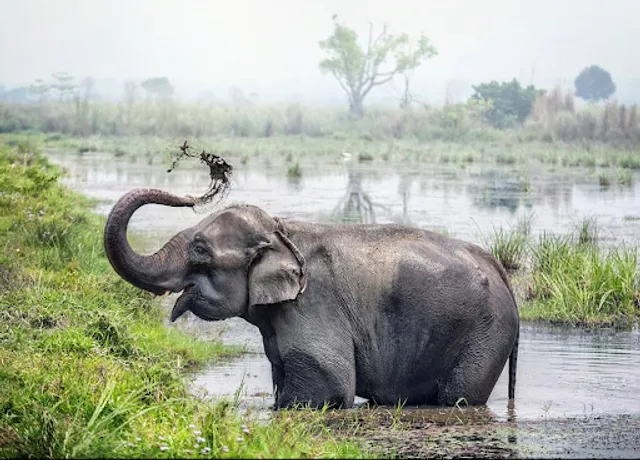
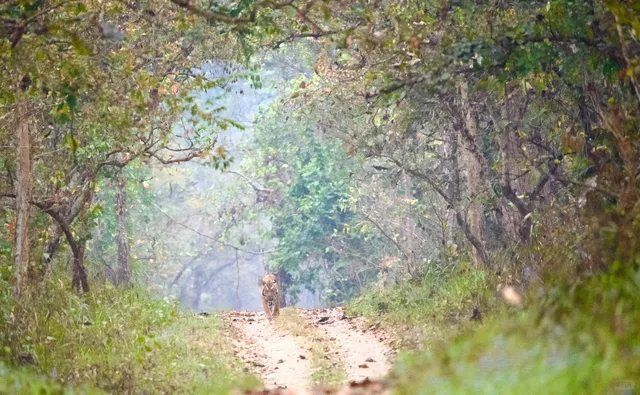
Nestled at the foot of the Himalayas, Chitwan has a particularly rich flora and fauna and is home to one of the last populations of single-horned Asiatic rhinoceros and is also one of the last refuges of the Bengal Tiger. Chitwan National Park (CNP), established in 1973, was Nepal’s first National Park. Located in the Southern Central Terai of Nepal, it formerly extended over the foothills, the property covers an area of 93,200 hectares, extends over four districts: Chitwan, Nawalparasi, Parsa and Makwanpur.
The park is the last surviving example of the natural ecosystems of the ‘Terai’ region and covers subtropical lowland, wedged between two east-west river valleys at the base of the Siwalik range of the outer Himalayas. The core area lies between the Narayani (Gandak) and Rapti rivers to the north and the Reu River and Nepal-India international border in the south, over the Sumeswar and Churia hills, and from the Dawney hills west of the Narayani, and borders with Parsa Wildlife Reserve to the east. In 1996, an area of 75,000 hectares consisting of forests and private lands and surrounding the park was declared as a buffer zone. In 2003, Beeshazar and associated lakes within the buffer zone were designated as a wetland of international importance under the Ramsar Convention.
Criteria (vii): The spectacular landscape, covered with lush vegetation and the Himalayas as the backdrop makes the park an area of exceptional natural beauty. The forested hills and changing river landscapes serve to make Chitwan one of the most stunning and attractive parts of Nepal’s lowlands. Situated in a river valley basin and characterized by steep cliffs on the south-facing slopes and a mosaic of riverine forest and grasslands along the river banks of the natural landscape makes the property amongst the most visited tourist destination of its kind in the region. The property includes the Narayani (Gandaki) river, the third-largest river in Nepal which originates in the high Himalayas and drains into the Bay of Bengal providing dramatic river views and scenery as well as the river terraces composed of layers of boulders and gravels.
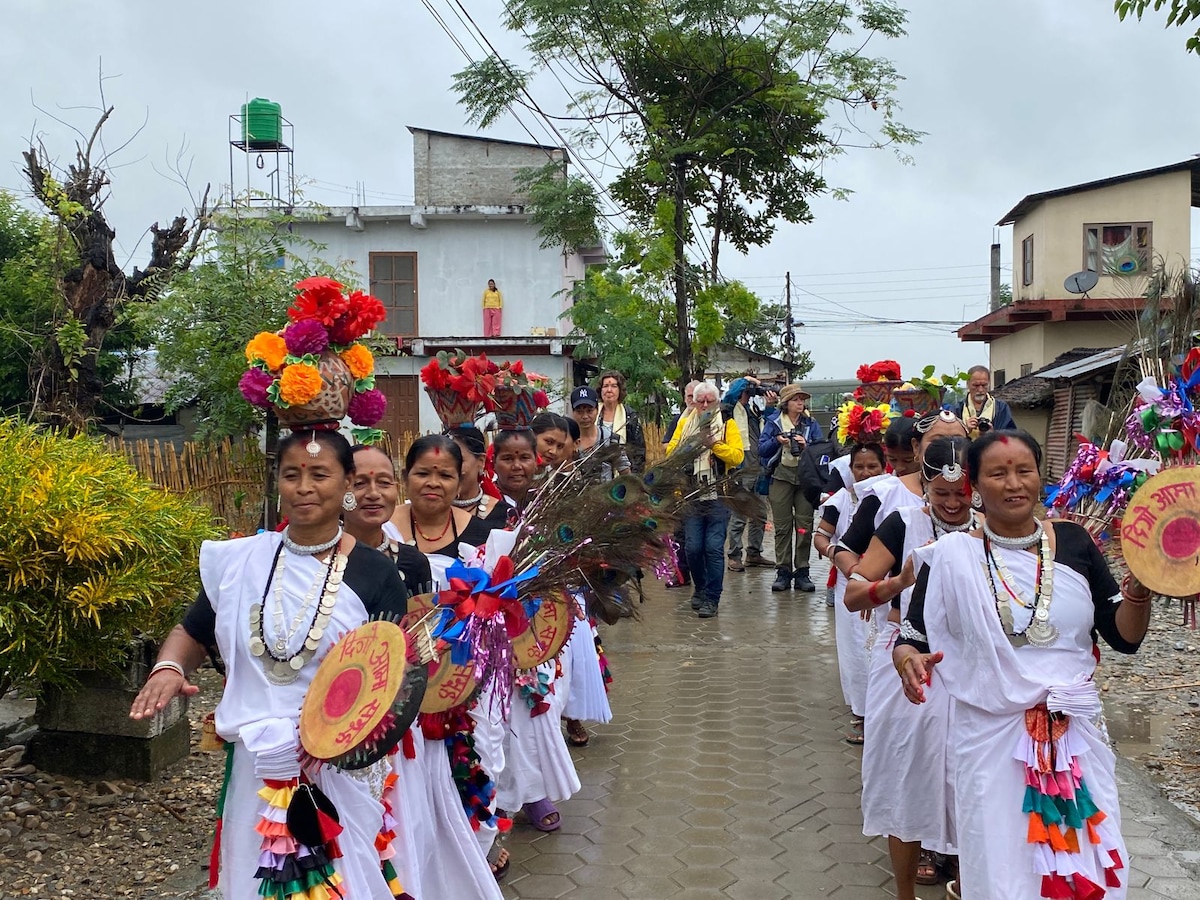
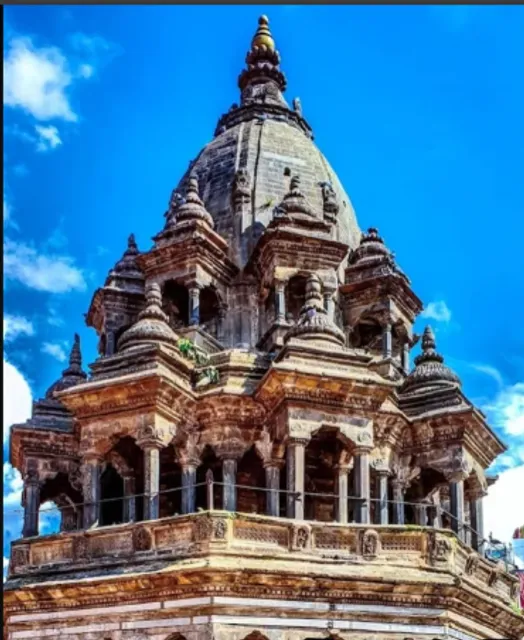
The property includes two famous religious areas: Bikram Baba at Kasara and Balmiki Ashram in Tribeni, pilgrimage places for Hindus from nearby areas and India. This is also the land of the indigenous Tharu community who have inhabited the area for centuries and are well known for their unique cultural practices.
Criteria (ix): Constituting the largest and least disturbed example of sal forest and associated communities, Chitwan National Park is an outstanding example of biological evolution with a unique assemblage of native flora and fauna from the Siwalik and inner Terai ecosystems. The property includes the fragile Siwalik-hill ecosystem, covering some of the youngest examples of this as well as alluvial flood plains, representing examples of ongoing geological processes. The property is the last major surviving example of the natural ecosystems of the Terai and has witnessed minimal human impacts from the traditional resource dependency of people, particularly the aboriginal Tharu community living in and around the park.
(...
Read moreChitwan National Park: A Wildlife Haven in the Heart of Nepal
Introduction:
Nepal’s first national park, established in 1973.
UNESCO World Heritage Site.
Famous for its rich biodiversity and iconic wildlife like the one-horned rhinoceros and Bengal tiger.
Geographic Features:
Covers 952.63 sq. km in the Terai region of Nepal.
Includes sal forests, grasslands, and riverine ecosystems.
Bordered by the Rapti, Narayani, and Reu rivers.
Home to diverse wildlife, including over 700 species of animals and birds.
Tourism and Trekking:
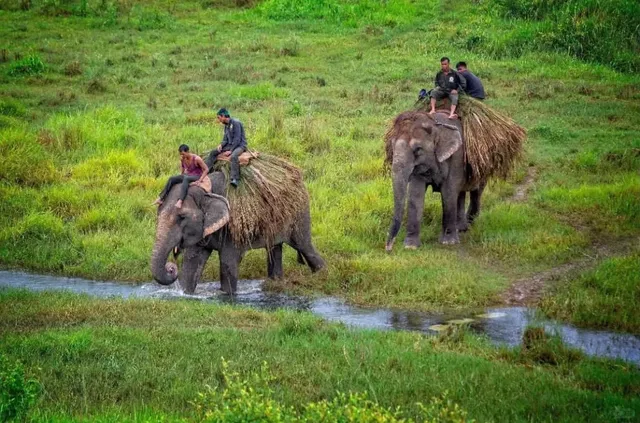
Offers jungle safaris by jeep and elephant-back rides.
Birdwatching opportunities with over 500 bird species.
Canoeing along the Rapti River to observe crocodiles and aquatic birds.
Nature walks and guided tours in buffer zones.
Tharu cultural programs and village visits for an authentic local experience.
Socio-Cultural and Religious Significance:
Home to the indigenous Tharu community with a rich cultural heritage.
Visitors can experience Tharu dance, cuisine, and traditional houses.
Contains religious sites like Bikram Baba Temple, significant to Hindu devotees.
Climate Change and Its Impact:
Rising temperatures and irregular monsoons affecting biodiversity.
Floods and habitat loss impacting wildlife movement.
Conservation efforts in place to protect endangered species.
Best Time to Visit:
October to March: Pleasant weather, best for safaris and wildlife spotting.
April to June: Hot season, but good for spotting animals near water sources.
July to September: Monsoon season, making travel difficult, but the park looks lush.
How to Get There:
By Air: Flights from Kathmandu to Bharatpur (20 min), followed by a short drive.
By Road: 5-6 hours drive from Kathmandu or Pokhara via the East-West Highway.
By Bus: Regular tourist buses operate between Kathmandu, Pokhara, and Sauraha.
Final Thought:
Chitwan National Park is a must-visit destination for wildlife lovers and adventure seekers. Its combination of rich biodiversity, thrilling safaris, and cultural experiences makes it a unique travel...
Read moreChitwan National Park, a UNESCO World Heritage Site in Nepal’s Terai lowlands, is a biodiversity haven that captivates nature lovers and adventure seekers. Spanning 932 square kilometers, this park, established in 1973, is renowned for its rich ecosystems, including sal forests, grasslands, and the Narayani-Rapti river system. It’s a sanctuary for endangered species and a top destination for wildlife enthusiasts.
The park’s star attraction is the one-horned rhinoceros, with over 600 individuals thriving here. Visitors can also spot Bengal tigers, though sightings are rare due to their elusive nature. Other wildlife includes leopards, sloth bears, wild elephants, and over 500 bird species, making it a birdwatcher’s paradise. The presence of gharial and mugger crocodiles along the rivers adds to the park’s allure.
Jungle safaris, offered on foot, jeep, or elephant-back, are the primary way to explore. Jeep safaris cover vast areas, ideal for spotting larger mammals, while walking tours offer intimate encounters with flora and smaller fauna. Canoeing on the Rapti River provides a serene way to observe aquatic life and birds. The local Tharu guides, with their deep knowledge of the park, enhance the experience with insights into the ecosystem and cultural stories.
The nearby Tharu villages offer a cultural dimension, with traditional stick dances and homestay experiences. The park’s visitor center and Gharial Breeding Center educate on conservation efforts. Accommodations range from budget lodges to luxury resorts, catering to diverse travelers.
However, the park faces challenges like human-wildlife conflict and poaching, though conservation efforts are robust. The best time to visit is October to March, when the weather is pleasant, and wildlife sightings are frequent. Monsoon season (June to September) limits access due to flooding.
Chitwan’s blend of wildlife, culture, and adventure makes it unforgettable. Whether it’s the thrill of spotting a rhino or the tranquility of a river canoe ride, the park delivers a profound connection to nature. Responsible tourism is key to preserving this gem for future...
Read more