Budha Subba Temple: A Cultural and Spiritual Landmark in Eastern Nepal
Located in the picturesque town of Bijayapur, Dharan, Nepal, the Budha Subba Temple is a revered and culturally significant site that attracts devotees from various backgrounds. This temple, nestled in the eastern region of Nepal, is steeped in history, mythology, and unique traditions that set it apart from other religious sites.
Location and Accessibility
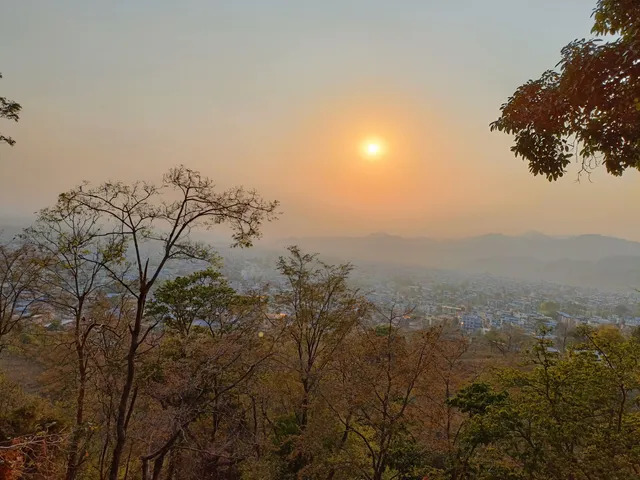
The temple is situated on top of Bijayapur Hill, overlooking the Seuti River, and is approximately 220 km away from Kathmandu. Its geographic coordinates are 26.820°N 87.30°E, making it easily accessible for both local and international visitors.
Historical Significance
The Budha Subba Temple is primarily known as the tomb of King Buddhi Karnaraya Khebang, the last Limbu King of Morang. King Buddhi Karnaraya Khebang was assassinated by the assassins of King Prithvi Narayan Shah of the Kingdom of Nepal during negotiations in Bijayapur-Dharan. Despite the tragic circumstances of his death, the locals have transformed this site into a place of reverence, worshiping the king's spirit as a friendly and helpful presence believed to bring good luck.
Unique Features and Worship Practices
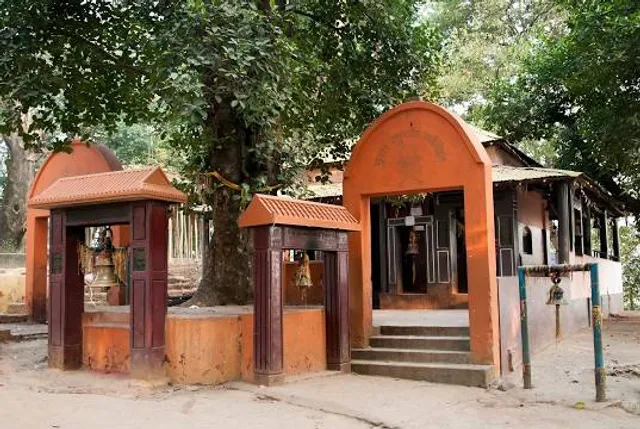
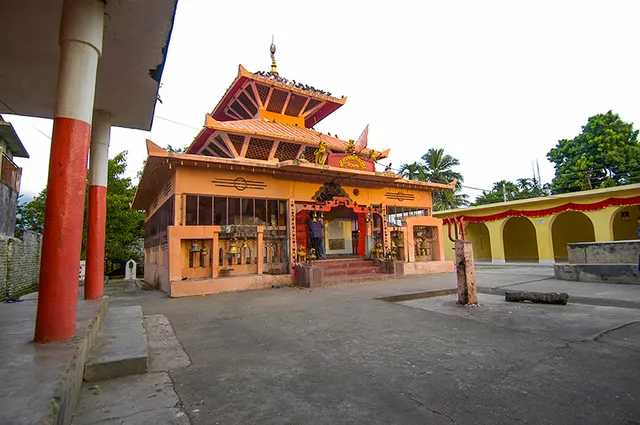
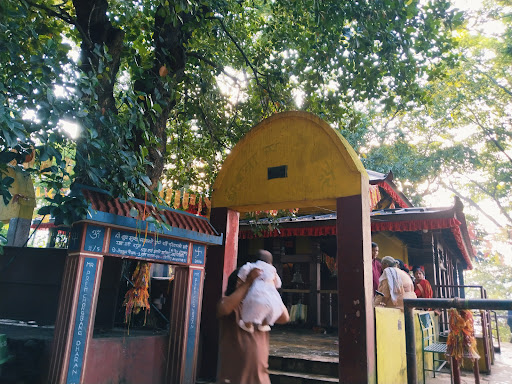
One of the striking features of the Budha Subba Temple is the absence of an idol, a departure from the conventional setup of many religious sites. Instead, devotees worship two earthen bases within the ancient temple, revered as Budha Subba and Budhi Subban. This unconventional aspect adds an air of mystery and uniqueness to the temple.The temple complex is also notable for its tip-less bamboo plants, a phenomenon attributed to the legend of Budha Subba. According to myth, Budha Subba, a hunter, accidentally broke the tips of the bamboo trees while hunting crows, and they never grew back.
Rituals and Offerings
Devotees flock to the temple, especially on Saturdays, to partake in rituals that involve the sacrificial offerings of animals such as pigs and chickens. These offerings are seen as gestures of devotion and expressions of gratitude to the deity, believed to have the power to fulfill wishes and bring good fortune.
Cultural and Mythological Significance
The temple is surrounded by numerous myths and legends. One legend connects the temple to Eklavya, a character from the Mahabharata, who is said to have meditated at this site. Another myth involves Lord Shiva and Goddess Parvati, who allegedly arrived at Vijaypur in disguise and performed penance, leading to the bamboo sprouting without tips.The temple also holds significance for young couples, who believe that tying colorful strings around the bamboo trees and engraving their names will bring them happiness and long life together.
Atmosphere and Facilities
The temple complex offers a peaceful and meditative environment, ideal for those seeking spiritual solace. The surroundings are tranquil, and the absence of an idol creates a unique and inclusive atmosphere that attracts devotees from various religious backgrounds. The temple also features a small car parking facility and souvenir shops within the complex.
Conclusion
The Budha Subba Temple is more than just a religious site; it is a repository of history, mythology, and cultural traditions. Its unique features, diverse legends, and inclusive atmosphere make it a fascinating destination for those seeking spiritual solace and a deeper connection to the rich cultural heritage of eastern Nepal. Whether you are a local or an international visitor, the Budha Subba Temple is a must-visit site that offers a profound and...
Read moreBudha Subba is one of the most popular destinations in eastern Nepal. It is an ancient Kiranti shrine on the Bijaypur hill in Dharan. It is a pilgrimage for devotees as well as true lovers.
Historian Iman Singh Chemjong says that Bijaypur was the capital city of the Kiranti kingdom, during and after the reign of King Bijaynarayan Rai. Other historians argue that Bijaypur was named after the Sen King, Bijay Sen when he won the village during his expansion campaign. At present, this place is known as Limbuwan. The temple welcomes many visitors every year. Not only the Kirants but also the Hindu pilgrims visit there. Besides the pilgrims, the number of young couple visiting there with the wish of being together forever is very high.
There are many controversial legends surrounding this temple. According to one legend, a Kiranti hunter Budha Subba and his sister Subbini used to play and hunt on the hill with a slingshot. One day, they accidently hit the tip of a bamboo tree instead of a crow they were aiming for. From that day, the tip of the bamboo tree never grew back.. Hence, Budha Subba gave up hunting, buried his slingshot and started meditation. It is the same spot where the temple stands today and the small mound of mud is believed to be the spot where he meditated. According to this legend, the temple got its name from the hunter. The interesting thing is, even today, the bamboo trees in Bijaypur hill do not have a tip and also, not a single crow could be found in the area, despite the occasional picnickers and the offerings in the temple. However, another legend say that it is a tomb of the last Limbu king, Buddhi Karnaraya Khebang who was executed by the Gorkhas during the invasion by Prithvi Narayan Shah in 1775. The Limbu King’s soul was believed to have wandered in the area where his tomb is located. The locals believed the spirit was friendly and helpful so they started to worship it. In Limbu language Subba or Hang means ‘King’. This legend is backed by some historians who claim it to be the tomb of the last Limbu king.
Besides being the pilgrimage, the temple also holds a significant place in the life of true lovers. The place observes many young couples writing their name together on the bamboo poles, as the legends says that the couples, who write their names on the bamboos here, will be together forever. However, due to the danger of untimely death of the bamboo trees, the couples are not allowed to carve their names anymore. Instead, they tie the colorful sacred threads on the fence as tying the threads is believed to make your wish come true and also unite you with you true love. Hence, the temple not only hold special place in the Kiranti religion but also in the life of the Hindus and young couple. The temple at the distance of about 1km from Dharan bus stop is the ideal place for wishing for your true love and...
Read moreBudhasubba Temple, Dharan - A Cultural and Spiritual Haven
Nestled in the picturesque town of Dharan in eastern Nepal, Budhasubba Temple is a revered destination that seamlessly blends cultural heritage with spiritual significance. The temple, dedicated to the legendary Budhasubba, attracts devotees and tourists alike, drawn by its unique history, serene ambiance, and captivating traditions.
Historical and Cultural Significance
Budhasubba Temple is steeped in folklore and legend. The story of Budhasubba, a local deity believed to have supernatural powers, is central to the temple's mystique. According to legend, Budhasubba was a Kirati king who attained immortality and divine status, and the temple stands as a testament to his enduring legacy. The temple complex is an important cultural site for the Kirati community, preserving ancient traditions and customs that have been passed down through generations.
Spiritual Experience
Visitors to Budhasubba Temple often describe a profound sense of peace and spirituality. The temple grounds are beautifully maintained, with lush greenery and an array of vibrant flowers that create a tranquil environment. Devotees come to offer prayers and seek blessings, believing that Budhasubba grants wishes and brings good fortune. The temple's distinctive bamboo trees, believed to have grown from the arrows shot by Budhasubba himself, add to the sacred atmosphere and are a unique feature not found elsewhere.
Architectural Charm
The architecture of Budhasubba Temple is a blend of traditional Nepali styles, featuring intricate wood carvings and ornate designs that showcase the region's craftsmanship. The temple's simple yet elegant structure exudes an old-world charm that resonates with visitors. The surrounding area, with its scenic beauty and panoramic views, enhances the overall experience, making it a perfect spot for meditation and reflection.
Community and Festivals
Budhasubba Temple is not only a spiritual site but also a hub for community gatherings and festivals. Major celebrations, such as Budhasubba Jayanti, draw large crowds who participate in rituals, cultural performances, and communal feasts. These events provide a glimpse into the vibrant cultural life of Dharan and offer an opportunity for visitors to immerse themselves in local traditions.
Conclusion
Budhasubba Temple is a must-visit destination for anyone traveling to Dharan. Whether you are seeking spiritual solace, cultural enrichment, or simply a peaceful retreat, the temple offers a unique and enriching experience. The combination of its historical significance, spiritual ambiance, and natural beauty makes Budhasubba Temple a treasured landmark that leaves a lasting impression on...
Read more