Dhorpatan Hunting Reserve: Nepalâs Unique Blend of Conservation and Adventure
-----------------Introduction---------------
Nepalâs only hunting reserve, established in 1987. Covers 1,325 sq km in Rukum, Myagdi, and Baglung districts, western Nepal. Located in the Dhaulagiri Himal, altitude ranges from 2,850â5,500 m. Known for regulated trophy hunting (blue sheep, Himalayan tahr) and diverse ecosystems.
-----------Geographical Features--------------
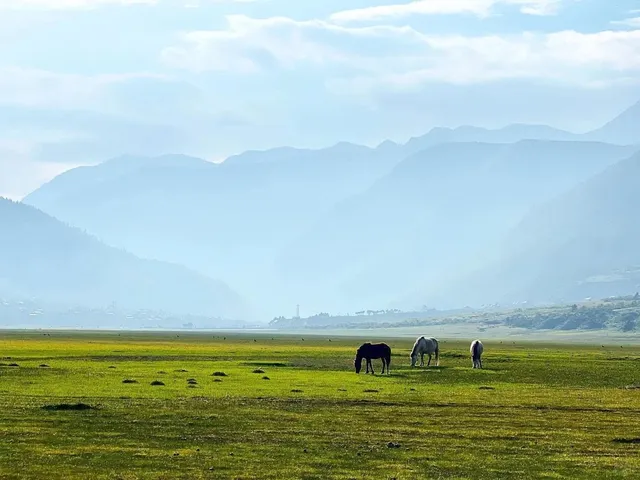
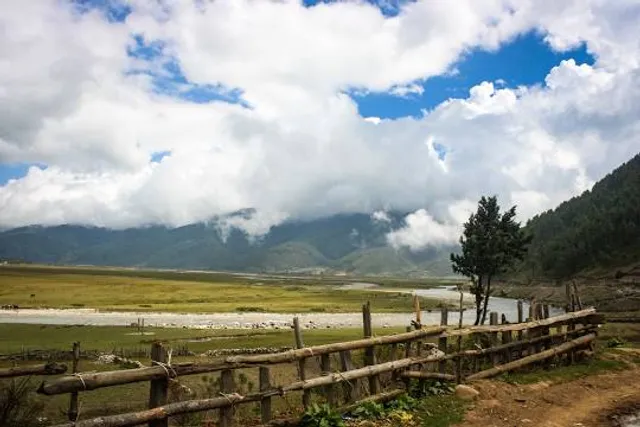
Diverse landscape: forests, marshlands (á¸hor), flat meadows (pÄášan). Higher elevations snow-covered year-round. Bordered by Putha, Churen, and Gurja Himal in the north. drained by Uttar Ganga, a tributary of the Bheri River.
-------------Biodiversity-------------
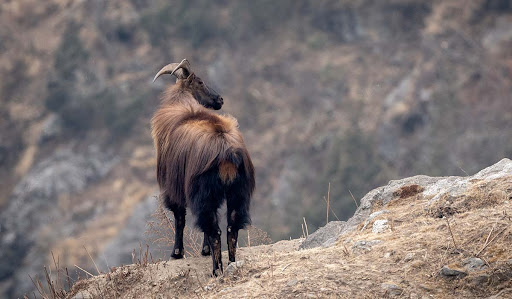
Flora: 58 vascular plants, 36 endemic flowering species; includes fir, pine, birch, rhododendron, oak, juniper, spruce. Fauna: 18 mammal species, including blue sheep, snow leopard, musk deer, red panda, Himalayan tahr, black bear, barking deer. Birds: 137 species, including koklass pheasant, cheer pheasant, Impeyan pheasant (Danphe); two reptile species. Endangered species: Musk deer, wolf, red panda, cheer pheasant, Danphe.
-----------Tourism and Activities----------------
Hunting: Regulated trophy hunting of blue sheep, Himalayan tahr; requires special permits from Department of National Parks and Wildlife Conservation Trekking/Wildlife Viewing: Guided botanical, birdwatching, and nature walks; views of Dhaulagiri, Annapurna, Manaslu. n-hunting-reserve. Cultural Sites: Dhorbaraha Temple (Uttarganga River), Chyantung Monastery, Tibetan settlements. Festivals: Janai Purnima (August) religious fair at Dhorbaraha.
---------Socio-Cultural Significance-----------
Home to indigenous Kham Magar, Gurung, Chhantyal, Thakali, and Tibetan refugee communities. Cultural practices tied to local festivals and Buddhist-Hindu beliefs. Reserve impacts indigenous livelihoods; restrictions on resource access reported. Limited human settlements near the peak due to harsh conditions
---------------Climate---------------
Alpine, subalpine, and high temperate zones; snow at higher elevations year-round. Monsoon (JuneâSept): Heavy rainfall; -Winter (DecâFeb): Cold, windy, low temperatures. Mornings often cloudy, cleared by wind; snow persists until early April.
---------Climate Change Impact---------
Overgrazing and poaching threaten habitats; forest fragmentation observed. Changing precipitation patterns affect meadows and wildlife. Conservation efforts focus on anti-poaching, habitat preservation, and sustainable hunting.
--------Best Time to Visit--------------
Spring (Mar-May) : Mild weather, ideal for hunting, trekking, and wildlife viewing. Autumn (Sept-Nov) : Clear skies, good for mountain views. Monsoon (June-Aug) : Heavy snow, high avalanche risk. Winter (Dec-Feb) : Cold, snowy, challenging for travel.
--------How to Get There------------
By Air : Seasonal STOL airstrip 1 km west of Dhorpatan; chartered helicopters from Kathmandu available. By Road : Bus from Kathmandu to Burtibang via Baglung (12â14 hrs), then 30 km to Dhorpatan (2 hrs by SUV); or from Pokhara to Baglung (72 km), then 4-day trek. Permits : Hunting license and entry permit required (contact DNPWC for fees); filming requires...
   Read moreTranquil Woods Hunting Reserve offers an unparalleled experience for nature enthusiasts and hunting aficionados alike. Nestled amidst breathtaking landscapes and sprawling forests, this reserve stands as a testament to nature's splendor and the thrill of the hunt.
From the moment you step foot on the reserve, you're greeted by the serene ambiance of untouched wilderness. The staff's warm welcome and deep knowledge of the area immediately set the tone for an unforgettable adventure.
The diversity of game here is truly impressive. Whether you're an avid deer hunter, a seasoned bird enthusiast, or simply seeking solace in nature's embrace, Tranquil Woods has something for everyone. The careful management of wildlife populations ensures a sustainable hunting experience while preserving the delicate balance of the ecosystem.
The facilities provided are top-notch. Well-appointed lodges offer comfort and convenience after a long day in the field, while the on-site amenities cater to every need. Whether it's cleaning facilities for your game or hearty meals prepared with locally sourced ingredients, the staff goes above and beyond to ensure your stay is nothing short of exceptional.
What truly sets Tranquil Woods apart is its commitment to conservation and responsible hunting practices. The team here is deeply invested in preserving the natural beauty of the land and educating visitors about the importance of sustainable hunting. Every excursion is not just a chance to bag your trophy but also an opportunity to connect with nature on a deeper level and contribute to its preservation.
In conclusion, Tranquil Woods Hunting Reserve is more than just a hunting destination â it's a sanctuary for those who seek adventure, tranquility, and a profound connection to the natural world. Whether you're a seasoned hunter or a nature lover looking to escape the hustle and bustle of city life, this reserve promises an experience like no other. Highly recommended for anyone seeking an authentic...
   Read moresanctuary to some of the rarest and most endangered mammals. There is an amazing array of rare bird species. In short, Dhorpatan Hunting Reserve is a striking destination for wildlife and bird enthusiasts who wish to visit this composed area.
Flora and fauna
The reserve is characterized by alpine, sub-alpine and high temperate vegetation. Common plant species include fir, pine, and birch, rhododendron, hemlock, oak, juniper and spruce. Pastureland occupies more than 50 % of the area of the reserve.
Blue Sheep is the celebrity at Dhorpatan Hunting Reserve. Besides this, other animals found here include Leopard, Goral, Serow, Himalayan tahr, Himalayan black bear, Barking deer, Wild boar, Rhesus macaque, Langur and Mouse hare. Pheasants and partridges are common too. Endangered species in the reserve include Musk deer, Wolf, Red panda, Cheer pheasant and Danphe.
Other features
âDhorbarahaâ is a famous Hindu pilgrimage site that lies on the banks of Uttarganga River near the Dhorpatan Hunting Reserve. Every year on the day of Janai Purnima in August, a religious fair is held there. The fair attracts plenty of devotees.
When to go
The monsoon lasts until the end of November. The temperature in winter is very low because of strong winds. The places at higher altitudes remain capped with snow throughout the year. These places remain covered with cloud in the morning; later clouds are cleared by the wind. Snowfall occurs at low elevation until early April, however, it soon melts. Thus, the best time to visit the reserve is March to June.
How to reach
Public bus service is available from Kathmandu to Tansen. From there, a three day trek to the Reserve headquarters via Burtibang is suggested. The other option is to reach Pokhara by flight. The reserve headquarter is then a four day walk from Baglung.
Chartered helicopter services are also available from...
   Read more