Simple Review of Gosaikunda, Rasuwa, Nepal
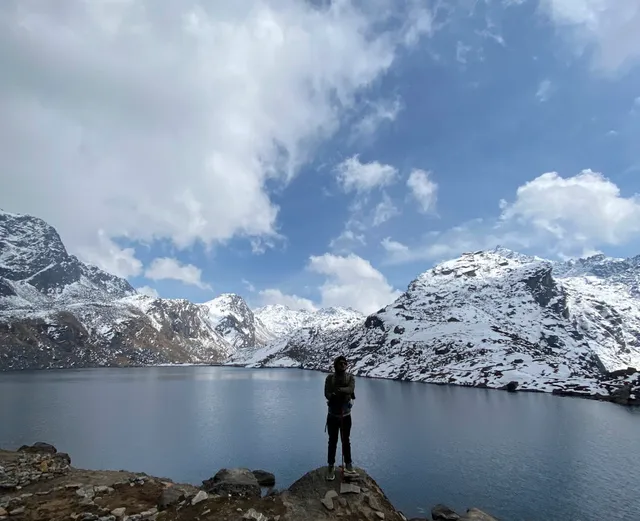
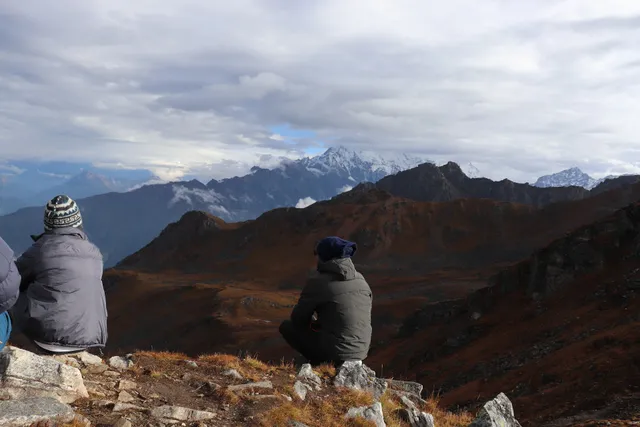
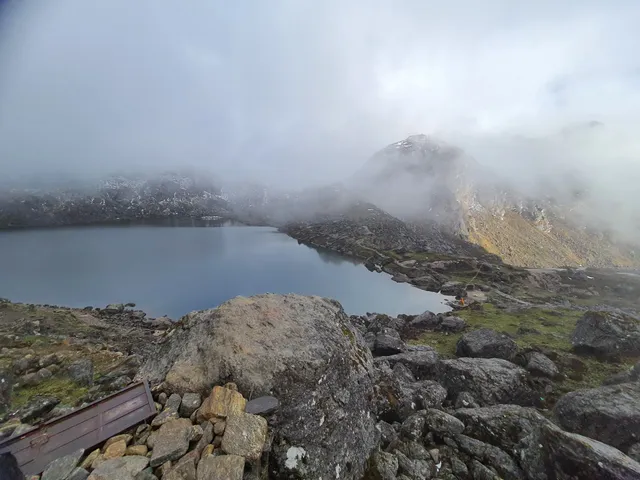
Gosaikunda is a beautiful lake/कुण्ड in Lantang National Park, Rasuwa, Nepal, at 4,380 meters high. It’s a holy place for Hindus and a great spot for trekking. I loved my trip there! It was hard to walk up, but when I reached the lake/कुण्ड, I saw snow, clean air, and amazing views. It was worth it!
About Gosaikunda
Height: 4,380 meters above sea level.
Area: Covers about 1,030 hectares with many lakes. Gosaikunda is the main one.
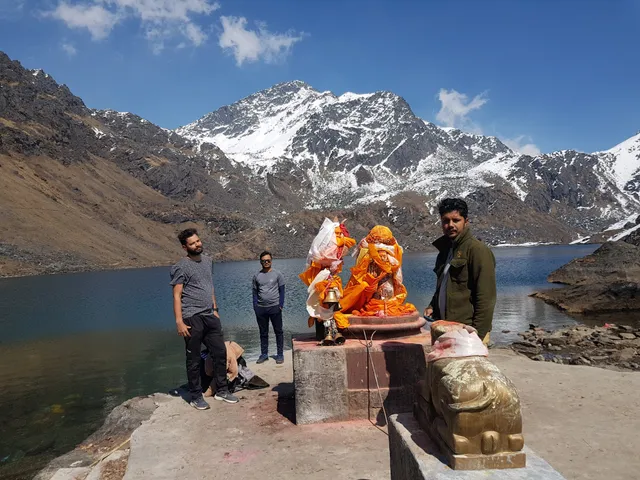
Importance: Hindus believe Lord Shiva made the lake. Many people visit during Jan (August) to pray and take a holy bath.
Beauty: Clear water, snow mountains, and green forests make it very pretty.
My Trekking Experience
The walk to Gosaikunda is tough. It starts with Dhunche Rasuwa. We can reach Dhunche by public bus or our own vehicle also. The route for Dhunche is quite good. Most of the path for trekking is uphill (उकालो). For fast walkers, it takes 13-15 hours to reach the lake(कुण्ड) from Dhunche. Slower walkers need 2-3 days. The path is rocky, and the air gets thin, so it’s hard to breathe sometimes.
It’s very cold, even in summer. According to locals there cold all year. Sometimes, I get a headache because of the high place (mountain sickness). There are no doctors or clinics on the way, so bring your own medicines. Hotels and food are simple—dal bhat, noodles, tea—but okay. People are kind.
If walking is too hard, you can ride a horse at some places. Helicopters can help in emergencies, but not everywhere.
Tips for Visitors
Get Ready: The trek is hard. Practice walking or exercise before you go.
Clothes and Shoes:
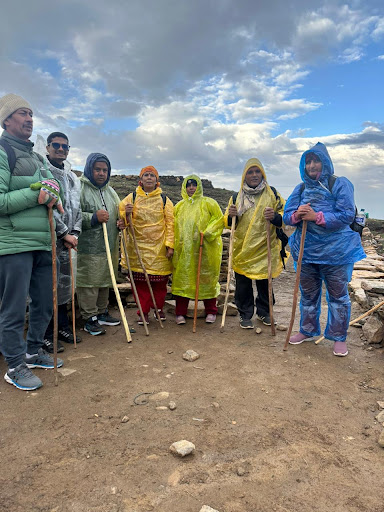
Bring a jacket, sweater, cap,[[plastic thin rain coat(it protects you from cold and dry wind also)]] and gloves. It’s cold all year.
Wear strong shoes for going up. They protect your feet on rocks.
For coming down, wear slippers (चप्पल). Shoes can hurt your toes and nails.
At the top, wear shoes again because it’s very cold.
"KEEP YOUR BAG SMALL AND NOT HEAVY"
Stay Healthy:
Walk slowly to avoid mountain sickness (headache, feeling sick).
Drink warm water or soup to stay warm and strong.
Carry a first-aid kit with medicines for pain, cuts, and mountain sickness.
What to Bring:
Sunscreen, moisturiser and sunglasses for strong sun.
Water bottle and tablets to clean water.
Snacks like nuts or energy bars.
Respect the Place:
Don’t throw garbage. Keep the lake clean.
Travel Safe: Go with friends or a guide. It’s safer.
Best Time: Go in April-May-June or September-October. It’s less rainy or snowy. Avoid June-August (rain) or December-February (snow).
For Pilgrims:
Visit in August for the festival, but it’s crowded.
Bring flowers or incense for prayers, but follow local rules. It is national park. We should take pass/ticket and follow the rules. Tickets can be taken at Dhunche or Cholanpati ticket counter.
Final Words
Gosaikunda is a special place. The trek is hard and cold, but the lake, snow, and mountains are so beautiful! You feel happy and peaceful there. Plan well, bring warm clothes, and go slowly. If you love nature or want to pray, Gosaikunda is perfect. Check the weather and maybe get a guide for a safe trip. You’ll love it!
HAVE A...
Read moreThe Gosainkunda Trek (6-7 days from Kathmandu) is a breathtaking journey that I would highly recommend to any trekking enthusiast! Gosaikunda is a holy lake that is worshipped by the Hindus and Buddhists of Nepal and Surya Peak is situated in the north of the lake. After you reach at the peak you will be amazed by the beauty of Sarswoti Lake, Bhairab Lake, and the legendary Gosainkunda Lake. My experience was nothing short of magical, and here’s why: Stunning Scenery: The trek offers some of the most beautiful landscapes I've ever seen. From lush green hills to rugged mountain paths, every step was filled with awe-inspiring views. The sight of the majestic Langtang range against the backdrop of clear blue skies was a highlight that I will cherish forever. Challenging Yet Rewarding: The trek is definitely challenging, with steep ascents and descents, especially as you approach Gosainkunda Lake. However, the effort is well worth it! Reaching the lake at an altitude of 4,380 meters felt like an incredible achievement, and the serene beauty of the lake surrounded by snow-capped peaks took my breath away. Cultural Experience: Along the way, I had the opportunity to interact with Sherpas and Tamangs who have different culture and you can get a chance to learn in depth about them. Their warmth and hospitality added depth to the experience. I enjoyed traditional meals at the tea houses and learned about their customs and traditions, which made the trek even more enriching. Well-Marked Trail: The trail is well-marked, making navigation easier, even for those who may not be experienced trekkers. There are plenty of spots to stop and take breaks, and the views just get better the higher you go. Wildlife and Nature: I was fortunate enough to see a variety of wildlife, including Himalayan monkeys and various bird species. The flora is equally impressive, with vibrant rhododendron forests that burst into color during the spring. Accommodations: The tea houses along the route were comfortable, with friendly hosts who made me feel right at home. The food was delicious and varied, catering to both local and international tastes. Final Thoughts: If you’re looking for a trek that combines natural beauty, cultural immersion, and a sense of adventure, the Gosainkunda Trek is the perfect choice. It’s a journey that challenges you physically while rewarding you with unforgettable memories and stunning vistas. All you need is to be fit and healthy and the willingness and capability of walking for around 7 to 9...
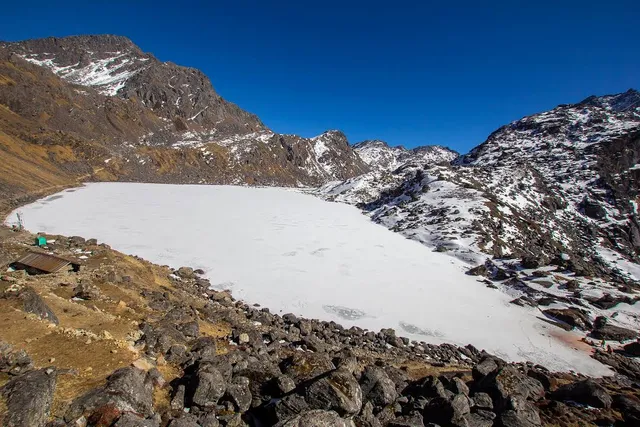
Read moreGosaikunda, also spelled Gosainkunda and Gosain Kunda is an alpine freshwater oligotrophic lake in Nepal's Langtang National Park, located at an elevation of 4,380 m (14,370 ft) in the Rasuwa District. You can trek from Dhunche and Sundarijal to reach this place. It's heaven pm earth. The lake melts to form the Trishuli River; it remains frozen for six months in winter October to June. The Gosaikunda area has been delineated as a religious site. Hindu mythology attributes Gosaikunda as the abode of the Hindu deities Shiva and Gauri. The Hindu scriptures Bhagavata Purana, Vishnu Purana and the epics Ramayana and Mahabharata refer to Samudra manthan, which is directly related to the origin of Gosaikunda. Its waters are considered holy and of particular significance during the Gangadashahara and the Janai Purnima festivals when thousands of pilgrims from Nepal and India visit the area.[2] Gosaikunda is believed to have been created by Lord Shiva when he thrust his Trishul (holy Trident) into a mountain to extract water so that he could cool his stinging throat after he had swallowed poison. When starting from Dhunche, the first day involves a long steady climb to reach Chandan Bari at an altitude of about 3,200 m (10,500 ft). Laurebinayak at about 3,700 m (12,100 ft) can be reached on the second day. At this point, some trekkers choose to climb ahead to Gosaikunda, though altitude sickness is a concern as the ascent is rather steep. Many trekkers choose to stay at Laurebinayak, which also provides sunset and sunrise views of the Langtang and Ganesh Himal. The descent from Gosaikund to Sundarijal (सुन्दरीजल) takes about four days and involves a short climb to Laurebina La at 4,610 m (15,120 ft), a rapid descent to Phedi and onwards to Ghopte. Depending on pace, there are options to stay at Thadepati, Mangengoth, Kutumsang and at many villages farther downhill. The trails are well marked, except between Ghopte and Thadepati. [Copied...
Read more