HTML SitemapExplore

Everest Base Camp — Attraction in Khumbupasanglahmu

Name
Everest Base Camp
Description
Nearby attractions
Khumbu Icefall Viewpoint
2V44+3GP, Khumjung 56000, Nepal
Nearby restaurants
Nearby local services
Everest Base Camp Trek
XRWH+JHJ, Khumjung 56000, Nepal
Nearby hotels
Related posts
Nepal: A Paradise for ExplorersSome feelings after Nepal tripThe Everest Base Camp trek in Nepal
Keywords
Everest Base Camp tourism.Everest Base Camp hotels.Everest Base Camp bed and breakfast. flights to Everest Base Camp.Everest Base Camp attractions.Everest Base Camp restaurants.Everest Base Camp local services.Everest Base Camp travel.Everest Base Camp travel guide.Everest Base Camp travel blog.Everest Base Camp pictures.Everest Base Camp photos.Everest Base Camp travel tips.Everest Base Camp maps.Everest Base Camp things to do.
Everest Base Camp things to do, attractions, restaurants, events info and trip planning
Everest Base Camp
NepalKoshi ProvinceKhumbupasanglahmuEverest Base Camp

Basic Info

Everest Base Camp

Khumjung 56000, Nepal
4.7(399)
Open 24 hours
Save
spot

Ratings & Description

Info

Outdoor
Adventure
Scenic
Off the beaten path
attractions: Khumbu Icefall Viewpoint, restaurants: , local businesses: Everest Base Camp Trek
logoLearn more insights from Wanderboat AI.

Plan your stay

hotel
Pet-friendly Hotels in Khumbupasanglahmu
Find a cozy hotel nearby and make it a full experience.
hotel
Affordable Hotels in Khumbupasanglahmu
Find a cozy hotel nearby and make it a full experience.
hotel
The Coolest Hotels You Haven't Heard Of (Yet)
Find a cozy hotel nearby and make it a full experience.
hotel
Trending Stays Worth the Hype in Khumbupasanglahmu
Find a cozy hotel nearby and make it a full experience.

Reviews

Nearby attractions of Everest Base Camp

Khumbu Icefall Viewpoint

Khumbu Icefall Viewpoint

Khumbu Icefall Viewpoint

4.9

(23)

Open 24 hours
Click for details

Nearby local services of Everest Base Camp

Everest Base Camp Trek

Everest Base Camp Trek

Everest Base Camp Trek

4.6

(112)

Click for details
Get the Appoverlay
Get the AppOne tap to find yournext favorite spots!
Wanderboat LogoWanderboat

Your everyday Al companion for getaway ideas

CompanyAbout Us
InformationAI Trip PlannerSitemap
SocialXInstagramTiktokLinkedin
LegalTerms of ServicePrivacy Policy

Get the app

Š 2025 Wanderboat. All rights reserved.

Posts

Nepal: A Paradise for Explorers
GiannaGianna
Nepal: A Paradise for Explorers
Some feelings after Nepal trip
Eva Bell Eva Bell
Some feelings after Nepal trip
The Everest Base Camp trek in Nepal
luna Gellerluna Geller
The Everest Base Camp trek in Nepal
See more posts
See more posts
hotel
Find your stay

Pet-friendly Hotels in Khumbupasanglahmu

Find a cozy hotel nearby and make it a full experience.

Nepal: A Paradise for Explorers
Gianna

Gianna

hotel
Find your stay

Affordable Hotels in Khumbupasanglahmu

Find a cozy hotel nearby and make it a full experience.

Get the Appoverlay
Get the AppOne tap to find yournext favorite spots!
Some feelings after Nepal trip
Eva Bell

Eva Bell

hotel
Find your stay

The Coolest Hotels You Haven't Heard Of (Yet)

Find a cozy hotel nearby and make it a full experience.

hotel
Find your stay

Trending Stays Worth the Hype in Khumbupasanglahmu

Find a cozy hotel nearby and make it a full experience.

The Everest Base Camp trek in Nepal
luna Geller

luna Geller

See more posts
See more posts

Reviews of Everest Base Camp

4.7
(399)
avatar
5.0
4y

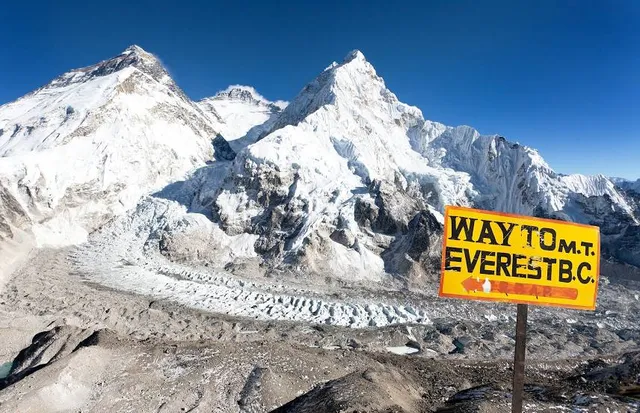
There are two base camps on Mount Everest, on opposite sides of the mountains: South Base Camp is in Nepal at an altitude of 5,364 metres, while North Base Camp is in Tibet, China at 5,150 metres.

The base camps are rudimentary campsites at the base of Mount Everest that are used by mountain climbers during their ascent and descent; they are also visited by hikers. South Base Camp is used when climbing via the southeast ridge, while North Base Camp is used when climbing via the northeast ridge.

Supplies are shipped to the South Base Camp by porters, and with the help of animals, usually yaks. The North Base Camp is accessed by a paved road that branches from China National Highway 318. Climbers typically rest at base camp for several days for acclimatization, to reduce the risk of altitude sickness.

The Everest Base Camp trek on the south side, at an elevation of 5,364 m, is one of the most popular trekking routes in the Himalayas and about 40,000 people per year make the trek there from Lukla airport. Trekkers usually fly from Kathmandu to Lukla to save time and energy before beginning the trek to the base camp. However, trekking to Lukla is possible. There are no roads from Kathmandu to Lukla and as a result, the only method of transporting large and heavy goods is by plane.

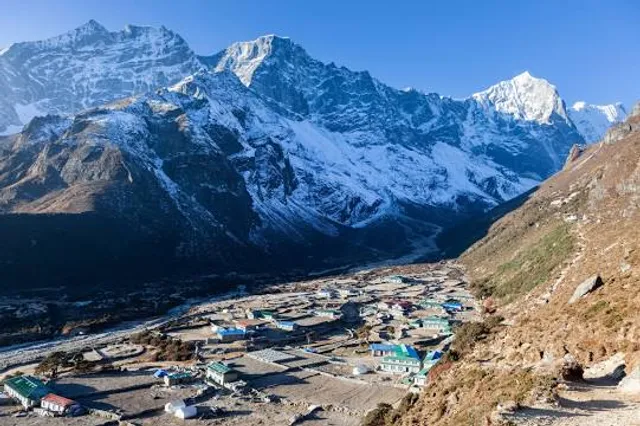
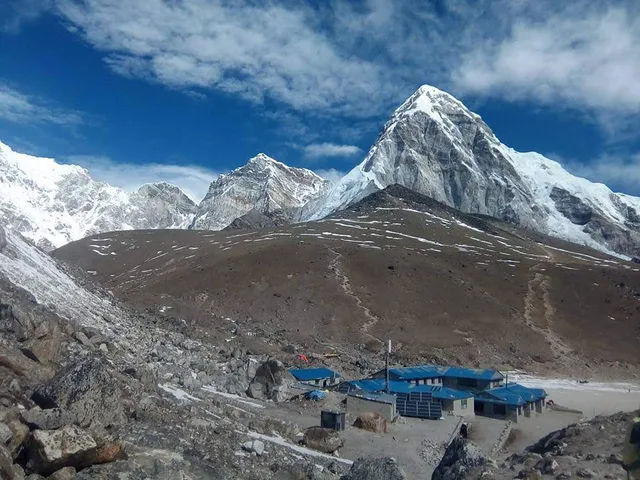
From Lukla, climbers trek upward to the Sherpa capital of Namche Bazaar, 3,440 metres, following the valley of the Dudh Kosi river. It takes about two days to reach the village, which is the central hub of the area. Typically at this point, climbers allow a day of rest for acclimatization. They then trek for another two days to Dingboche, 4,260 metres before resting for another day for further acclimatization. Another two days takes them to Everest Base Camp via Gorakshep, the flat field below Kala Patthar, 5,545 metres and Mt. Pumori.

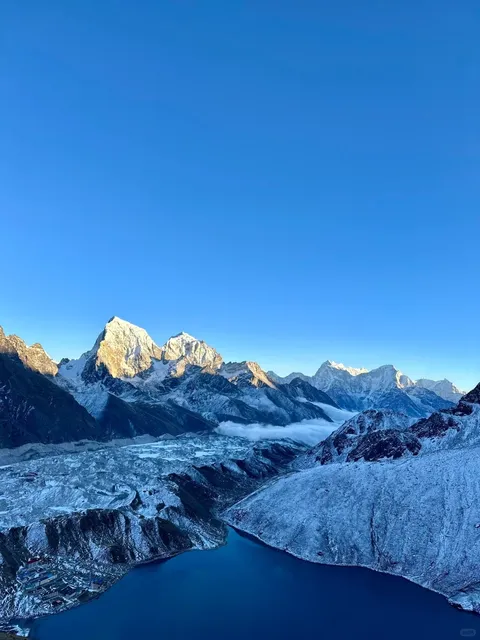
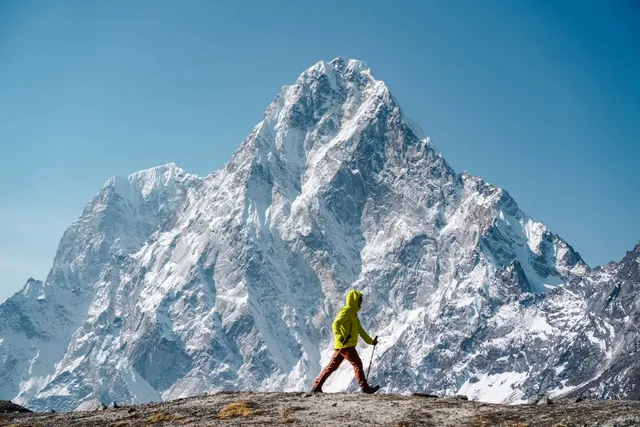
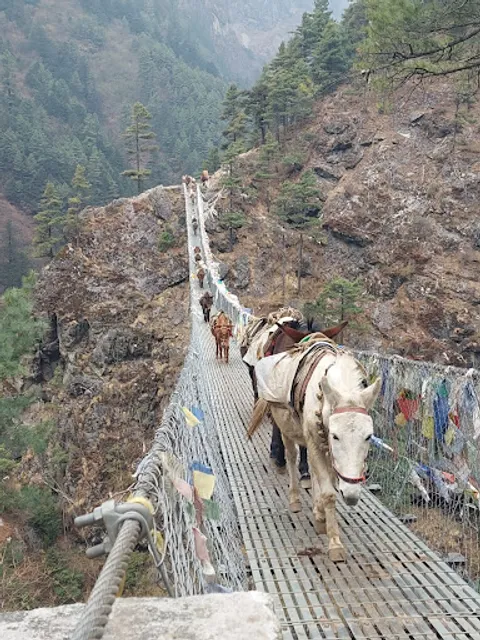
Everest Base Camp is regarded as one of our planet’s best treks for good reason. It takes you through the heart of the Himalayas to the foot of our planet’s tallest mountain. On the way you will pass caravans of yaks, ancient Buddhist monasteries, bustling sherpa villages, and cross over suspension bridges over gaping ravines. Not to mention the sensational views of the snow covered mountains; Ama Dablam, the matterhorn of the Himalayas, will be the first to capture your heart. Followed closely behind by Cho Oyu, Lhotse, and Makalu -three of Earth’s tallest peaks! To get the most out of this once in a lifetime journey, continue reading our guide for first time trekkers!

Choosing Your Everest Trek

First and foremost, you’ll want to decide which trekking route is the best for you! Though the traditional Everest Base Camp Trek is the one most frequented there are several other routes that match its beauty while taking you further into the depths of Sagarmatha National Park. Consider trekking the Three Passes Trek to see the alluring turquoise lakes of Gokyo Valley or the shortened version of that trek, the Gokyo and Renjo La Pass Trek. Alternatively, extend the first half of your trek by beginning at either Jiri or Tumlingtar to get off the beaten track. Get more details on our blog post: Everest Base Camp’s alternate routes.

Packing List Everest Base Camp

When it comes to having a great trekking experience, having the proper equipment goes a long way. You will need layers to accommodate for the temperature fluctuations of the Himalayas, trekking gear, toiletries and your important documents. Make sure to bring broken-in hiking boots, a fresh pair of socks for every day and don’t forget a zero degree sleeping bag. Though it is possible to get equipment in Namche (on the mountain), the prices will be better in Kathmandu. This being said, before leaving on your trek make sure you are prepared with...

   Read more
avatar
4.0
3y

There are two base camps on Mount Everest, on opposite sides of the mountains: South Base Camp is in Nepal at an altitude of 5,364 metres (17,598 ft) (28°0′26″N 86°51′34″E), while North Base Camp is in Tibet, China at 5,150 metres (16,900 ft) (28°8′29″N 86°51′5″EThe base camps are rudimentary campsites at the base of Mount Everest that are used by mountain climbers during their ascent and descent; they are also visited by hikers. South Base Camp is used when climbing via the southeast ridge, while North Base Camp is used when climbing via the northeast ridge. Supplies are shipped to the South Base Camp by porters, and with the help of animals, usually yaks. The North Base Camp is accessed by a paved road that branches from China National Highway 318. Climbers typically rest at base camp for several days for acclimatization, to reduce the risk of altitude sickness. South Base Camp in Nepal-

The Everest Base Camp trek on the south side, at an elevation of 5,364 m (17,598 ft), is one of the most popular trekking routes in the Himalayas and about 40,000 people per year make the trek there from Lukla Airport (2,846 m (9,337 ft)).[5] Trekkers usually fly from Kathmandu to Lukla to save time and energy before beginning the trek to the base camp. However, trekking to Lukla is possible. There are no roads from Kathmandu to Lukla and as a result, the only method of transporting large and heavy goods is by plane.From Lukla, climbers trek upward to the Sherpa capital of Namche Bazaar, 3,440 metres (11,290 ft), following the valley of the Dudh Kosi river. It takes about two days to reach the village, which is the central hub of the area. Typically at this point, climbers allow a day of rest for acclimatization. They then trek for another two days to Dingboche, 4,260 metres (13,980 ft) before resting for another day for further acclimatization. Most trekkers use the traditional trail via Tengboche monastery, but recently the high trail via Mong La and Phortse has gained popularity due to the impressive views it offers. Another two days takes them to Everest Base Camp via Gorakshep, the flat field below Kala Patthar, 5,545 metres (18,192 ft) and Mt. Pumori. North Base Camp in China- A visit to the North Base Camp requires a permit from the Chinese government, on top of the permit required to visit Tibet itself. Access to the North Base Camp has been closed to tourists since February 2019.[9] Earlier, such permits could be arranged via travel companies in Lhasa as part of a package tour that included hiring a vehicle, driver, and guide. The North Base Camp is accessed by vehicle through a 100 km (62 mile) road branching to the South from the Friendship Highway near Shelkar, at the southern foot of the 5,220 metres (17,130 ft) high Gyatso La pass. The road leads to Rongbuk Monastery with dramatic views of the north face of Mount Everest. From the Rombuk guest house, all tourists were required to take the horse-drawn carriages or small buses managed by the government to limit the traffic in the last stretch of gravel road to a marked hill at 5,200 metres above sea level just before the climbers' camp. It was also possible to trek up from the tourist camp, but only when properly acclimatized.The "tourist Base Camp" is located about halfway between Rongbuk Monastery; the actual climbers' Base Camp is at the foot...

   Read more
avatar
5.0
4y

Overview The Everest Base Camp trek is a 12-14 day journey that takes you to the foot of the highest mountain in the world, Mount Everest (8,848 meters/29,029 ft). The trek starts from Lukla (2,860 meters/9,383 ft) and takes you through the Khumbu region of Nepal, passing through picturesque villages, monasteries, and breathtaking landscapes.

Pros: Breathtaking scenery: The trek offers stunning views of the Himalayas, including Everest, Lhotse, Nuptse, and Changtse. Cultural immersion: Experience the rich culture and hospitality of the Sherpa people, and visit ancient monasteries and villages. Challenging yet rewarding: The trek is moderately difficult, making it accessible to trekkers with some experience, but still providing a sense of accomplishment. Well-established infrastructure: The trail has many tea houses and lodges, providing comfortable accommodation and food options. Sense of community: Meet fellow trekkers and locals, creating a sense of camaraderie and shared experience.

Cons:

High altitude: The trek reaches altitudes over 5,500 meters (18,045 ft), which can cause altitude sickness and fatigue. Physical demands: The trek requires moderate to strenuous hiking, with some steep ascents and descents. Weather conditions: The trail can be affected by snow, ice, and landslides, especially during the off-season. Expensive: The trek can be costly, especially if you hire a guide or porter, or stay in luxury lodges. Crowded: The trail can be busy during peak season (October-November and March-April).

Tips and recommendations:

Acclimatize: Take rest days to acclimate to the high altitude, especially at Phukla (4,300 meters/14,108 ft) and Dingboche (4,360 meters/14,272 ft). Hire a guide or porter: Consider hiring a local guide or porter to help with navigation, carrying gear, and providing cultural insights. Pack wisely: Bring warm clothing, sturdy hiking boots, and essential gear, such as a first-aid kit and headlamp. Respect the environment: Follow sustainable trekking practices, and respect local customs and traditions. Be prepared for emergencies: Know what to do in case of altitude sickness, injuries, or other emergencies.

Rating:

Overall, the Everest Base Camp trek was a 5/5 experience for me, with breathtaking scenery, cultural immersion, and a sense of accomplishment. However, it's essential to be aware of the physical demands, high altitude, and potential weather conditions.

Best time to go:

The best time to trek to Everest Base Camp is during the spring (March-April) and autumn (October-November) seasons, when the weather is generally clear and mild.

Cost:

The cost of the trek varies depending on your accommodation choices, guide or porter hire, and other expenses. Here's a rough estimate:

Accommodation: $10-30 per night (tea houses and lodges) Food: $10-20 per day (meals and snacks) Guide or porter: $20-50 per day (optional) Total: $500-1,500 per person (for a 12-14 day trek)

Conclusion:

The Everest Base Camp trek is an unforgettable experience that offers breathtaking scenery, cultural immersion, and a sense of accomplishment. With proper preparation, planning, and precautions, you can have a safe and...

   Read more

Page 1 of 7
Previous
Next