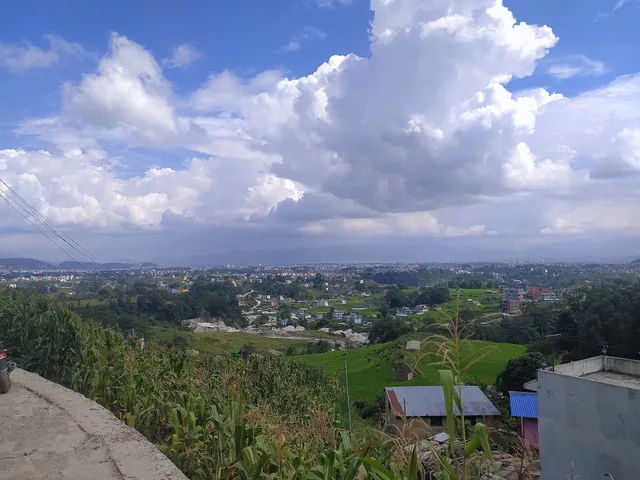
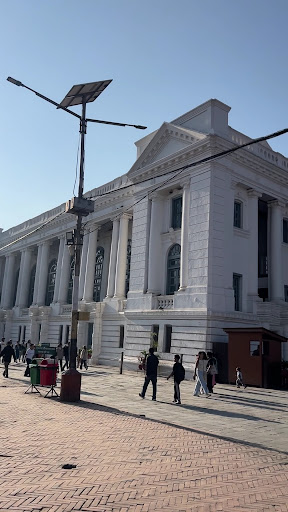
The Kathmandu Valley (Nepali: काठमाडौं उपत्यका, Nepal Bhasa: स्वनिगः, नेपाः गाः), historically known as Nepal Valley or Nepa Valley, lies at the crossroads of ancient civilizations of the Indian subcontinent and the broader Asian continent, and has at least 130 important monuments, including several pilgrimage sites for Hindus and Buddhists. There are seven World Heritage Sites within the valley.
This article needs additional citations for verification. (October 2009) Quick facts: Location, Reference …
The Durbar Square in Kathmandu Historically, the valley and adjoining areas made up a confederation known as the Nepal Mandala. Until the 15th century, Bhaktapur was its capital, when two other capitals, Kathmandu and Lalitpur (Patan), were established.
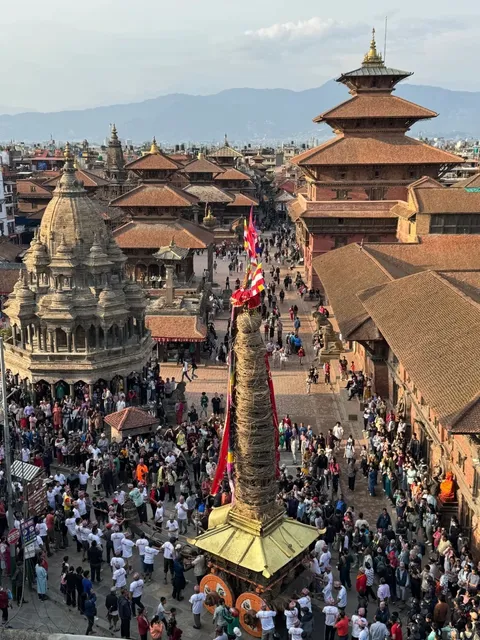
The Kathmandu Valley is the most developed and populated place in Nepal. The majority of offices and headquarters are located in the valley, making it the economic hub of Nepal. It is popular with tourists for its unique architecture, and rich culture that includes the highest number of jatras (street festivals) in Nepal. The valley itself was referred to as "Nepal Proper" by British historians.
In 2015, Kathmandu Valley was hit by the April 2015 Nepal earthquake. The earthquake caused thousands of deaths and destruction of many infrastructures across the Kathmandu Valley, which includes the towns of Lalitpur, Kirtipur, Madhyapur Thimi, Bhaktapur and the municipalities across Kathmandu valley making the total population of roughly 1.5 million people. Kathmandu is also the largest city in the Himalayan hill region.
Etymology Kathmandu is not the native name used by the indigenous Nepa people of the valley. The term "Nepa-al" means "land of the Nepa people" and was traditionally used to refer this valley.
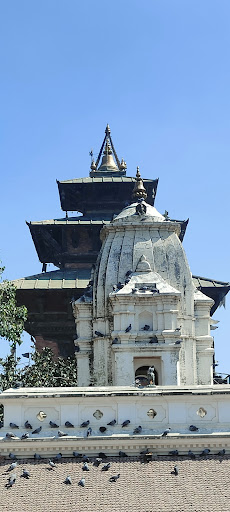
The Pahari name Kathmandu comes from a structure in the Durbar Square called by the Sanskrit name Kāsṣtha mandapa "Wooden shelter". This unique temple, also known as the Maru Sattal, was built in 1596 by King Lakshmi Narasimha Malla. The entire structure contained no iron nails or supports and was made entirely from wood. Legend has it that the timber used for this two-story pagoda was obtained from a single tree.
Area of Kavre City of Banepa, Panauti and Dhulikhel is also considered part of Kathmandu valley as it has a similar culture.
History The Kathmandu Valley may have been inhabited as early as 300 BCE, since the oldest known objects in the valley date to a few hundred years BCE. The earliest known inscription is dated 185 CE. The oldest firmly dated building in the earthquake-prone valley is over 2,000 years old. Four stupas around the city of Patan that are said to have been erected by a Charumati, a purported daughter of the Maurya emperor Ashoka, in the third century BCE, attest to the ancient history present within the valley. As with the tales of the Buddha's visit, there is no evidence supporting Ashok's visit, but the stupas probably date to that century. The Licchavis, whose earliest inscriptions date to 464, were the next rulers of the valley and had close ties with the Gupta Empire of India. The Mallas ruled the Kathmandu Valley and the surrounding area from the 12th until the 18th century CE, when the Shah dynasty of the Gorkha Kingdom under Prithvi Narayan Shah conquered the valley as he created present-day Nepal. His victory in the Battle of Kirtipur was the beginning of his conquest...
Read moreKathmandu Valley is a captivating destination in Nepal that boasts a rich cultural heritage and breathtaking natural beauty. Nestled in the heart of the Himalayas, this valley is home to the country's capital city, Kathmandu, along with several other historic towns and ancient sites. With its vibrant atmosphere, diverse architecture, and spiritual significance, the Kathmandu Valley offers an unforgettable experience for travelers from around the world.
One of the most remarkable aspects of the Kathmandu Valley is its architectural splendor. The region is dotted with numerous temples, palaces, and stupas that showcase exquisite craftsmanship and intricate designs. The famous Durbar Squares in Kathmandu, Bhaktapur, and Patan are prime examples of this architectural brilliance. These squares are UNESCO World Heritage Sites and serve as living museums of the valley's rich history.
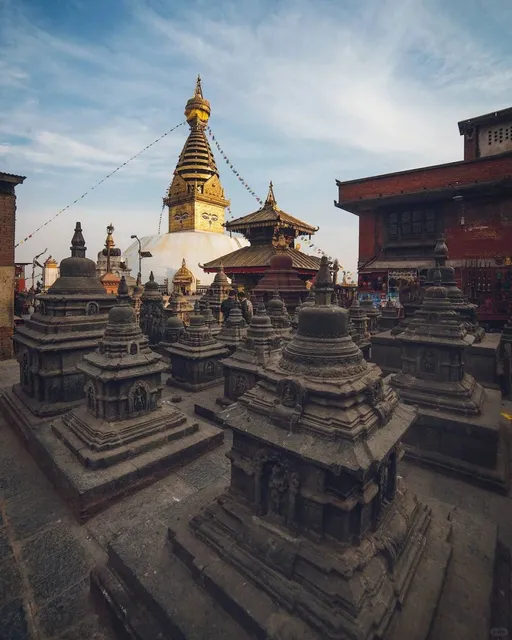
In addition to its architectural wonders, the Kathmandu Valley is renowned for its religious and spiritual significance. The valley is a melting pot of Hinduism and Buddhism, with countless temples and monasteries scattered throughout the region. Pashupatinath Temple, Boudhanath Stupa, and Swayambhunath Stupa are among the most revered religious sites, attracting pilgrims and tourists alike. The valley's spiritual aura is palpable, providing visitors with a sense of peace and tranquility.
Nature enthusiasts will also find solace in the Kathmandu Valley. Surrounded by lush green hills and snow-capped mountains, the valley offers a stunning backdrop for outdoor activities. Hiking, trekking, and mountain biking are popular pursuits, with several trails leading to breathtaking viewpoints and hidden valleys. Nagarkot and Chandragiri are two popular destinations that offer panoramic views of the Himalayan range, including the majestic Mount Everest.
Moreover, the Kathmandu Valley is a treasure trove of traditional arts and crafts. The local artisans are known for their intricate woodcarvings, metalwork, pottery, and Thangka paintings. Visitors can explore the narrow lanes of the valley's ancient towns, such as Bhaktapur and Patan, to witness these traditional arts being practiced and even take home unique souvenirs as a memento of their visit.
While the Kathmandu Valley offers an abundance of cultural and natural attractions, it also faces challenges such as urbanization and environmental degradation. The valley's rapid growth has resulted in issues such as traffic congestion and pollution. However, efforts are being made to preserve and restore the valley's heritage sites and promote sustainable tourism practices.
In conclusion, the Kathmandu Valley is a captivating destination that seamlessly blends ancient traditions with modern-day life. Its rich cultural heritage, stunning architecture, and natural beauty make it a must-visit place for travelers seeking an immersive experience. Whether exploring the historic temples, enjoying the panoramic views of the Himalayas, or witnessing the vibrant local arts and crafts, the Kathmandu Valley offers an enchanting journey into Nepal's past...
Read moreKathmandu is the capital city of Nepal. You can explore thousands of years of culture here, while making your way through historic temples and monasteries that belong to Hindus and Buddhists alike.
The city stands at an elevation of approximately 1,400 metres (4,600 ft) in the bowl-shaped Kathmandu Valley of central Nepal. It is surrounded by four major mountains: Shivapuri, Phulchoki, Nagarjun, and Chandragiri. Kathmandu Valley is part of three districts (Kathmandu, Lalitpur, and Bhaktapur), has the highest population density in the country, and is home to about a twelfth of Nepal's population.
Historically, the Kathmandu Valley and adjoining areas were known as Nepal Mandala. Until the 15th century, Bhaktapur was its capital when two other capitals, Kathmandu and Lalitpur, were established. During the Rana and Shah eras, British historians called the valley itself "Nepal Proper". Today, Kathmandu is not only the capital of the Federal Democratic Republic of Nepal, but also the headquarters of the Central Development Region of Nepal. The Central Region comprises three zones: Bagmati, Narayani, and Janakpur. Kathmandu is located in the Bagmati Zone.
Kathmandu is the gateway to tourism in Nepal. It is also the nerve center of the country's economy. It has the most advanced infrastructure of any urban area in Nepal, and its economy is focused on tourism, which accounted for 3.8% of Nepal's GDP in 1995–96. Tourism in Kathmandu declined thereafter during a period of political unrest, but since then has improved. In 2013, Kathmandu was ranked third among the top 10 travel destinations on the rise in the world by TripAdvisor and ranked first in Asia. The city has a rich history, spanning nearly 2000 years, as inferred from inscriptions found in the valley. Religious and cultural festivities form a major part of the lives of people residing in Kathmandu. Most of Kathmandu's people follow Hinduism and many others follow Buddhism. There are people of other religious beliefs as well, giving Kathmandu a cosmopolitan culture. Nepali is the most commonly spoken language in the city. English is understood by Kathmandu's educated residents.Kathmandu's sister cities (Lalitpur Patan) and Bhaktapur are integral to Kathmandu's cultural heritage, tourism industry, and economy; therefore UNESCO's World Heritage Site lists all three cities' monuments and attractions together under one heading, "Kathmandu Valley-UNESCO World Heritage Site".
Kathmandu's Tribhuvan International Airport (IATA: KTM), is the largest and only international airport in Nepal, located 5.5km east of the popular tourist neighborhood o...
Read more