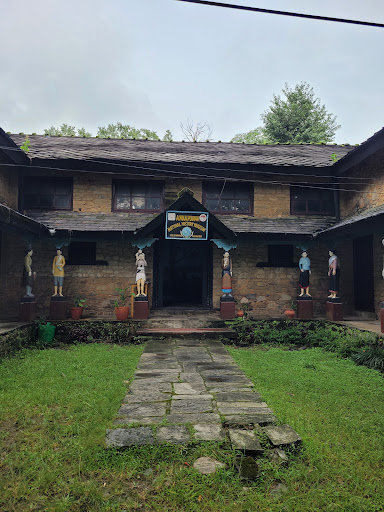
Annapurna Natural History Museum The Annapurna Natural History Museum was established by an American Peace Corps Volunteer, late Dorothy Mierow in 1965 within the Prithvi Narayan Campus premises for the campus’s use and the people of Pokhara and its surrounding areas. At that time Pokhara lacked roads and electricity. Except for fairs and religious festivals, there were few forms of entertainment, so many of the dolls and simple exhibits were for the children. The exhibits in the museum also provided a learning opportunity to help the uneducated to know more about the world beyond their neighbourhood.
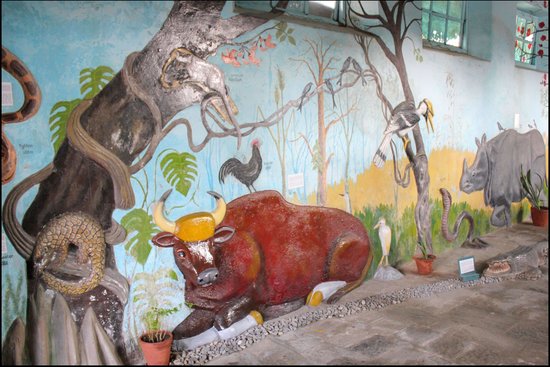
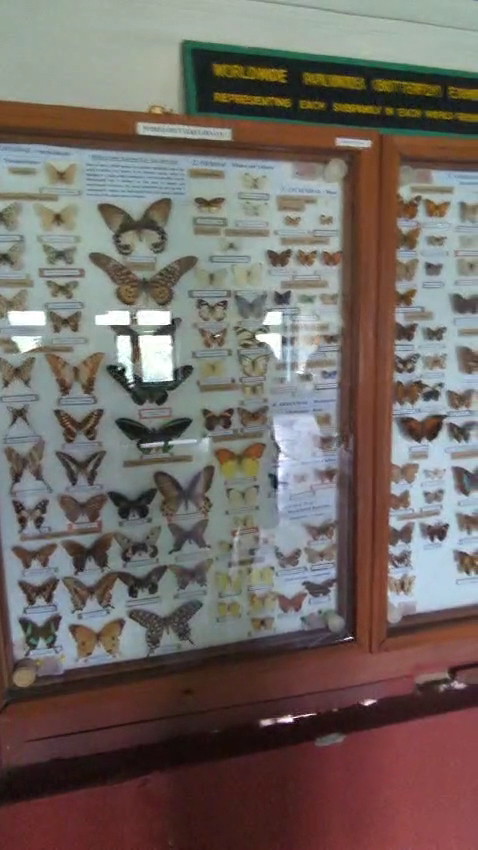
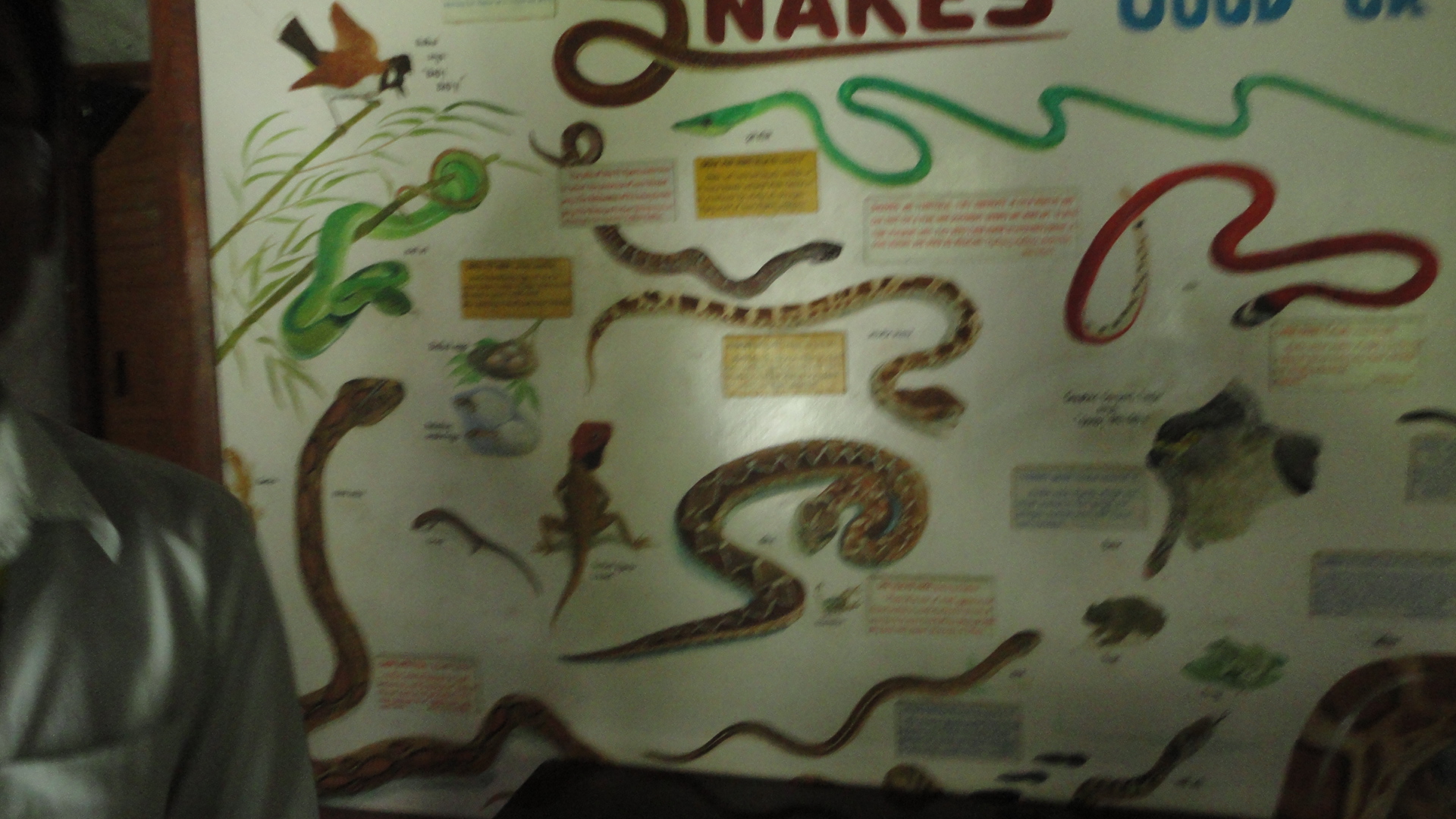
In 1988, the Visitors’ Information Centre for the Annapurna Conservation Area Project (ACAP) was placed in NE wing and a second floor added. Under the aegis of the National Trust for Nature Conservation (NTNC), the ACAP was established in 1986 as an innovative concept in the protected area management system of the country. It is Nepal’s first and the largest conservation area, covering area 7,629 sq.km. There are displays in the ACAP room explaining the tectonic block theory of moving continents and rising mountains. The formation of Igneous, Sedimentary and Metamorphic rocks is explained with examples of each. In the room south of the main entrance there are more samples of different rocks and also some interesting fossils “saligrams” and minerals. The Geology Department of Colorado College donated a set of hardness indicator minerals, as well as specimens of iron, copper, lead and other metals. Interesting rock and mineral specimens from Nepal and other regions of the world are on display. A relief map of Nepal was made with help from the Department of Geography. Over a period some thirty years Colin Smith, a British Entomologist, has collected and preserved the beauty of Nepal’s butterflies. The size of the collection is such that the museum became known as the “The Butterfly Museum”. Almost all of Nepal’s 660 species of butterflies are represented in the Nepal collection. Some are also displayed in different groups to illustrate mimicry, camouflage, and rare and endemic species of Nepal and altitude variations. Beside these butterflies of the Annapurna region are featured with several charts and there is also a chart to show comparisons of Nepal butterfly species with the same species found in other parts of the Palearctic region. Mountain butterflies of the world are highlighted with a collection of the Parnassius group, which can be seen on request. The oriental region species are increased with samples of leaf butterflies and swordtails from various more tropical parts of Southeast Asia. Visitors may also see various species of moths and interesting dragonflies. This is the most complete and best-organized collection in Nepal. A total of about 70 plants and 150 birds of the region are pictured on plywood strips and charts on the walls. There are 56 study bird skins of interest to the student of ornithology donated by Dr. Bob Flemming Sr. Since stuffed animals are hard to prepare and preserve and mean that an animal have to be killed, the museum has used life-size pictures on plywood and cement relief. About 90 different animals are depicted in this way. There are also charts showing altitude zones related animals, fish and snakes, of the surrounding zoogeographic regions. Biodiversity it illustrated with wild and domesticated sheep and goats. Museum Opening Hours: Sunday to Thursday: 10 am -5 pm (4 pm in winter) except public holidays Friday: 10 am – 3 pm Lunch Break: 1 pm – 1.30 pm (winter) 1.30 pm –...
Read moreVery Nice museum.
The Annapurna Natural History Museum was established by an American Peace Corps Volunteer, late Dorothy Mierow in 1965 within the Prithvi Narayan Campus premises for the campus’s use and the people of Pokhara and its surrounding areas. At that time Pokhara lacked roads and electricity. Except for fairs and religious festivals, there were few forms of entertainment, so many of the dolls and simple exhibits were for the children. The exhibits in the museum also provided a learning opportunity to help the uneducated to know more about the world beyond their neighbourhood.
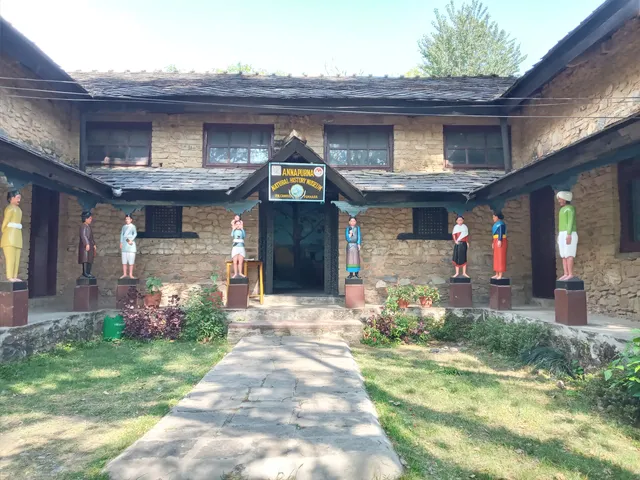
In order for those visiting the museum from villages would not have to return home disappointed if the museum was closed, a group of pillars representing some of the ethnic groups in Nepal was placed outside in front of the building. They were carved at cottage industries in Kathmandu and represent a man and woman from the Terai region, Newar farmers from Kathmandu, Brahmins, hill people and Tibetans from mountainous region.
In 1988, the Visitors’ Information Centre for the Annapurna Conservation Area Project (ACAP) was placed in NE wing and a second floor added. Under the aegis of the National Trust for Nature Conservation (NTNC), the ACAP was established in 1986 as an innovative concept in the protected area management system of the country. It is Nepal’s first and the largest conservation area, covering area 7,629 sq.km. The conservation area embraces a multiple land use principle of resource management that combines environmental protection with sustainable community development. Traditional subsistence activities are woven into a framework of sound...
Read moreThe Annapurna Museum, tucked inside the PN (Prithvi Narayan) Campus in Bagar, Pokhara, is a hidden gem for anyone interested in the natural world. This charming little museum is packed with fascinating exhibits showcasing the incredible biodiversity of the region. If you're a nature enthusiast or just curious about the local wildlife, this place is a must-visit.
One of the standout features is its impressive collection of butterflies—there are so many different species, each more beautiful than the last. But that's not all; the museum also displays a variety of birds, reptiles, stones, and other animals found in the Pokhara area. It’s amazing to see so many different species all in one place, offering a true glimpse into the diverse ecosystems that make this region so special.
The museum itself is small but well-curated, with clear and informative descriptions for each exhibit, making it easy to learn as you go. Whether you're visiting for a quick stop or a more leisurely exploration, you’ll leave with a deeper appreciation for the nature that surrounds Pokhara.
All in all, I’d definitely give it a solid 5 out of 5. The Annapurna Museum is an educational and peaceful spot that offers a unique look into the natural beauty of the area—definitely...
Read more