HTML SitemapExplore

Mt. Ruapehu — Attraction in North Island

Name
Mt. Ruapehu
Description
Nearby attractions
Nearby restaurants
Nearby local services
Mount Ruapehu
Manawatū-Whanganui Region 3382, New Zealand
Nearby hotels
Related posts
Keywords
Mt. Ruapehu tourism.Mt. Ruapehu hotels.Mt. Ruapehu bed and breakfast. flights to Mt. Ruapehu.Mt. Ruapehu attractions.Mt. Ruapehu restaurants.Mt. Ruapehu local services.Mt. Ruapehu travel.Mt. Ruapehu travel guide.Mt. Ruapehu travel blog.Mt. Ruapehu pictures.Mt. Ruapehu photos.Mt. Ruapehu travel tips.Mt. Ruapehu maps.Mt. Ruapehu things to do.
Mt. Ruapehu things to do, attractions, restaurants, events info and trip planning
Mt. Ruapehu
New ZealandManawatū-WhanganuiNorth IslandMt. Ruapehu

Basic Info

Mt. Ruapehu

Manawatū-Whanganui Region 3989, New Zealand
4.8(88)
Open 24 hours
Save
spot

Ratings & Description

Info

Outdoor
Adventure
Scenic
Family friendly
Off the beaten path
attractions: , restaurants: , local businesses: Mount Ruapehu
logoLearn more insights from Wanderboat AI.

Plan your stay

hotel
Pet-friendly Hotels in North Island
Find a cozy hotel nearby and make it a full experience.
hotel
Affordable Hotels in North Island
Find a cozy hotel nearby and make it a full experience.
hotel
The Coolest Hotels You Haven't Heard Of (Yet)
Find a cozy hotel nearby and make it a full experience.
hotel
Trending Stays Worth the Hype in North Island
Find a cozy hotel nearby and make it a full experience.

Reviews

Nearby local services of Mt. Ruapehu

Mount Ruapehu

Mount Ruapehu

Mount Ruapehu

4.7

(411)

Click for details
Get the Appoverlay
Get the AppOne tap to find yournext favorite spots!
Wanderboat LogoWanderboat

Your everyday Al companion for getaway ideas

CompanyAbout Us
InformationAI Trip PlannerSitemap
SocialXInstagramTiktokLinkedin
LegalTerms of ServicePrivacy Policy

Get the app

© 2025 Wanderboat. All rights reserved.

Reviews of Mt. Ruapehu

4.8
(88)
avatar
5.0
2y

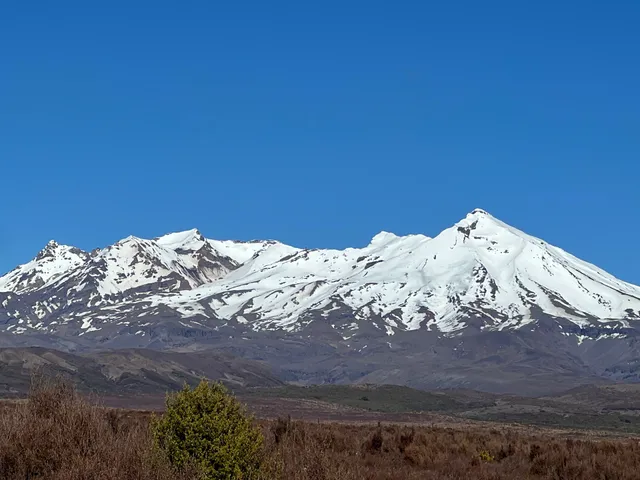
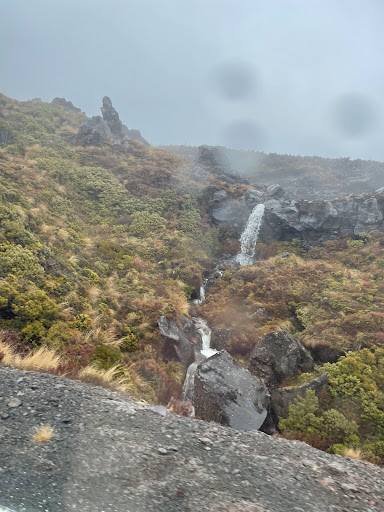
Mount Ruapehu is an active stratovolcano at the southern end of the Taupō Volcanic Zone and North Island volcanic plateau in New Zealand. It is 23 km (14 mi) northeast of Ohakune and 23 km (14 mi) southwest of the southern shore of Lake Taupō, within the Tongariro National Park. The North Island's major ski resorts and only glaciers are on its slopes.

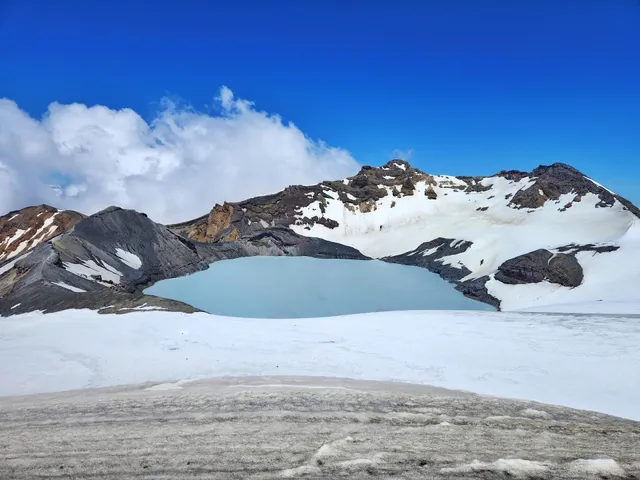
Ruapehu, the largest active volcano in New Zealand, has the highest point in the North Island and has three major peaks: Tahurangi (2,797 m), Te Heuheu (2,755 m) and Paretetaitonga (2,751 m). The deep, active crater is between the peaks and fills with water between major eruptions, being known as Crater Lake (Māori: Te Wai ā-moe). The name Ruapehu means "pit of noise" or "exploding pit" in Māori.

Ruapehu is located in the center of the North Island of New Zealand, 23 km (14 mi) northeast of Ohakune, New Zealand and 23 km (14 mi) southwest of the southern shore of Lake Taupō, within Tongariro National Park. Ruapehu is the largest and southernmost volcano in the national park, with an estimated volume of 110 km3.[4] The volcano is surrounded by a ring plain of volcanic material, made from lahar deposits, ash fall, and landslide debris. There are three access routes to Ruapehu, and each access route leads to one of the three skifields that are found on its slopes. State Highway 48 leads to Whakapapa Village at the base of the mountain, and from there an access road leads up the mountain to Iwikau Village at the base of the Whakapapa skifield on the northwestern slopes. An access road from Ohakune leads to Turoa skifield on the southwestern slopes, and a four-wheel drive track leads from the Desert Road (State Highway 1) to the Tukino skifield on the eastern slopes. pehu's active crater, dubbed Crater Lake (Te Wai ā-moe), is situated at the southern end of the Summit Plateau, and as the name suggests, is filled with a warm, acidic lake. The lake's outlet is at the head of the Whangaehu Valley, where the Whangaehu River arises. The Whangaehu River is notorious for destructive lahars caused by Ruapehu's eruptions. In historic times, eruptions have built tephra dams across the outlet on several occasions, most recently in 1945 and 1996. These dams failed in 1953 and 2007 respectively, causing an outburst of Crater Lake each time, which sent destructive lahars down the river. The 1953 lahar was the cause of the Tangiwai disaster, in which 151 people died. Even larger lahars occurred in 1862 and 1895. A total of 18 glaciers have been recognized on Ruapehu, of which six are named. s are found in the active crater: one on the north side of the crater under Paretetaitonga Peak and another one to the south, and these are New Zealand's only crater glaciers.[11] Most of the ice on Ruapehu is contained in only three of its glaciers: the Whangaehu, Summit Plateau, and Mangatoetoenui glaciers.[10] The Summit Plateau glacier is not a glacier in the true sense, but rather an ice field that fills an extinct volcanic crater, and the ice there reaches more than 130 m thick. The Whangaehu glacier feeds the Whangaehu River, and the Mangatoetoenui glacier is one of the principal sources of the Waikato River, which arises as a series of streams on Ruapehu's eastern slopes. On the western side of the mountain, many of the streams that arise there, such as the Whakapapa and Manganui o te Ao rivers, feed the Whanganui River. Ruapehu's glaciers are situated at the northern limit for the formation of permanent ice in New Zealand, and thus they are extremely sensitive to changes in climate. Surveys of the glaciers undertaken since 1955 have found that the glaciers have all been thinning and retreating, with the exception of the northern crater glacier, which thickened and lengthened after the 1953 outburst of Crater Lake lowered the...

   Read more

avatar
5.0
1y

Mount Ruapehu: A Winter Wonderland

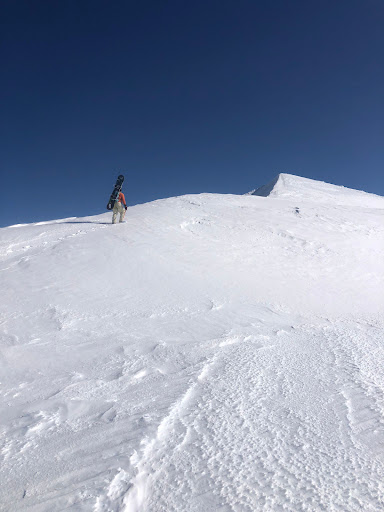
Mount Ruapehu is a must-visit for any winter sports enthusiast or nature lover. The skiing and snowboarding conditions are fantastic, with a variety of slopes to suit all skill levels. We had an incredible time carving down the pristine slopes and enjoying the breathtaking views of the surrounding mountains.

The natural beauty of the area is simply stunning. The snow-capped peaks, crystal-clear lakes, and lush forests create a truly magical atmosphere. We were lucky enough to witness a beautiful sunrise from the top of the mountain, which was an unforgettable experience.

If you're looking for an unforgettable winter adventure, I highly recommend visiting Mount Ruapehu. You won't be...

   Read more
avatar
5.0
1y

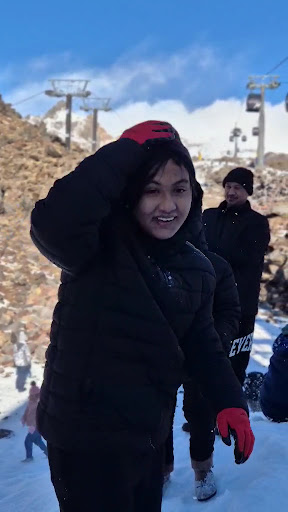
Yesterday, we went to Ice Mountain and it was an epic adventure trip where we explored a lot of things. Although the trip was amazing, we had to wait 1 hour for a ride on the gondola to go to the top of the mountain. Regardless of the wait, it was a great time. I highly recommend visiting. I have also provided a cost breakdown for a family trip for eight people. It included 4 adults, 3 youths, and 1 child. The total cost for all 8 of us was $353. It's a bit pricey, but definitely worth it. I hope my review and rating were...

   Read more
Page 1 of 7
Previous
Next

Posts

Rotem NZ AdventuresRotem NZ Adventures
Mount Ruapehu is an active stratovolcano at the southern end of the Taupō Volcanic Zone and North Island volcanic plateau in New Zealand. It is 23 km (14 mi) northeast of Ohakune and 23 km (14 mi) southwest of the southern shore of Lake Taupō, within the Tongariro National Park. The North Island's major ski resorts and only glaciers are on its slopes. Ruapehu, the largest active volcano in New Zealand, has the highest point in the North Island and has three major peaks: Tahurangi (2,797 m), Te Heuheu (2,755 m) and Paretetaitonga (2,751 m). The deep, active crater is between the peaks and fills with water between major eruptions, being known as Crater Lake (Māori: Te Wai ā-moe). The name Ruapehu means "pit of noise" or "exploding pit" in Māori. Ruapehu is located in the center of the North Island of New Zealand, 23 km (14 mi) northeast of Ohakune, New Zealand and 23 km (14 mi) southwest of the southern shore of Lake Taupō, within Tongariro National Park. Ruapehu is the largest and southernmost volcano in the national park, with an estimated volume of 110 km3.[4] The volcano is surrounded by a ring plain of volcanic material, made from lahar deposits, ash fall, and landslide debris. There are three access routes to Ruapehu, and each access route leads to one of the three skifields that are found on its slopes. State Highway 48 leads to Whakapapa Village at the base of the mountain, and from there an access road leads up the mountain to Iwikau Village at the base of the Whakapapa skifield on the northwestern slopes. An access road from Ohakune leads to Turoa skifield on the southwestern slopes, and a four-wheel drive track leads from the Desert Road (State Highway 1) to the Tukino skifield on the eastern slopes. pehu's active crater, dubbed Crater Lake (Te Wai ā-moe), is situated at the southern end of the Summit Plateau, and as the name suggests, is filled with a warm, acidic lake. The lake's outlet is at the head of the Whangaehu Valley, where the Whangaehu River arises. The Whangaehu River is notorious for destructive lahars caused by Ruapehu's eruptions. In historic times, eruptions have built tephra dams across the outlet on several occasions, most recently in 1945 and 1996. These dams failed in 1953 and 2007 respectively, causing an outburst of Crater Lake each time, which sent destructive lahars down the river. The 1953 lahar was the cause of the Tangiwai disaster, in which 151 people died. Even larger lahars occurred in 1862 and 1895. A total of 18 glaciers have been recognized on Ruapehu, of which six are named. s are found in the active crater: one on the north side of the crater under Paretetaitonga Peak and another one to the south, and these are New Zealand's only crater glaciers.[11] Most of the ice on Ruapehu is contained in only three of its glaciers: the Whangaehu, Summit Plateau, and Mangatoetoenui glaciers.[10] The Summit Plateau glacier is not a glacier in the true sense, but rather an ice field that fills an extinct volcanic crater, and the ice there reaches more than 130 m thick. The Whangaehu glacier feeds the Whangaehu River, and the Mangatoetoenui glacier is one of the principal sources of the Waikato River, which arises as a series of streams on Ruapehu's eastern slopes. On the western side of the mountain, many of the streams that arise there, such as the Whakapapa and Manganui o te Ao rivers, feed the Whanganui River. Ruapehu's glaciers are situated at the northern limit for the formation of permanent ice in New Zealand, and thus they are extremely sensitive to changes in climate. Surveys of the glaciers undertaken since 1955 have found that the glaciers have all been thinning and retreating, with the exception of the northern crater glacier, which thickened and lengthened after the 1953 outburst of Crater Lake lowered the lake water level
Life InLife In
Mount Ruapehu: A Winter Wonderland Mount Ruapehu is a must-visit for any winter sports enthusiast or nature lover. The skiing and snowboarding conditions are fantastic, with a variety of slopes to suit all skill levels. We had an incredible time carving down the pristine slopes and enjoying the breathtaking views of the surrounding mountains. The natural beauty of the area is simply stunning. The snow-capped peaks, crystal-clear lakes, and lush forests create a truly magical atmosphere. We were lucky enough to witness a beautiful sunrise from the top of the mountain, which was an unforgettable experience. If you're looking for an unforgettable winter adventure, I highly recommend visiting Mount Ruapehu. You won't be disappointed!
Avishek PrasadAvishek Prasad
Yesterday, we went to Ice Mountain and it was an epic adventure trip where we explored a lot of things. Although the trip was amazing, we had to wait 1 hour for a ride on the gondola to go to the top of the mountain. Regardless of the wait, it was a great time. I highly recommend visiting. I have also provided a cost breakdown for a family trip for eight people. It included 4 adults, 3 youths, and 1 child. The total cost for all 8 of us was $353. It's a bit pricey, but definitely worth it. I hope my review and rating were helpful to you.
See more posts
See more posts
hotel
Find your stay

Pet-friendly Hotels in North Island

Find a cozy hotel nearby and make it a full experience.

Mount Ruapehu is an active stratovolcano at the southern end of the Taupō Volcanic Zone and North Island volcanic plateau in New Zealand. It is 23 km (14 mi) northeast of Ohakune and 23 km (14 mi) southwest of the southern shore of Lake Taupō, within the Tongariro National Park. The North Island's major ski resorts and only glaciers are on its slopes. Ruapehu, the largest active volcano in New Zealand, has the highest point in the North Island and has three major peaks: Tahurangi (2,797 m), Te Heuheu (2,755 m) and Paretetaitonga (2,751 m). The deep, active crater is between the peaks and fills with water between major eruptions, being known as Crater Lake (Māori: Te Wai ā-moe). The name Ruapehu means "pit of noise" or "exploding pit" in Māori. Ruapehu is located in the center of the North Island of New Zealand, 23 km (14 mi) northeast of Ohakune, New Zealand and 23 km (14 mi) southwest of the southern shore of Lake Taupō, within Tongariro National Park. Ruapehu is the largest and southernmost volcano in the national park, with an estimated volume of 110 km3.[4] The volcano is surrounded by a ring plain of volcanic material, made from lahar deposits, ash fall, and landslide debris. There are three access routes to Ruapehu, and each access route leads to one of the three skifields that are found on its slopes. State Highway 48 leads to Whakapapa Village at the base of the mountain, and from there an access road leads up the mountain to Iwikau Village at the base of the Whakapapa skifield on the northwestern slopes. An access road from Ohakune leads to Turoa skifield on the southwestern slopes, and a four-wheel drive track leads from the Desert Road (State Highway 1) to the Tukino skifield on the eastern slopes. pehu's active crater, dubbed Crater Lake (Te Wai ā-moe), is situated at the southern end of the Summit Plateau, and as the name suggests, is filled with a warm, acidic lake. The lake's outlet is at the head of the Whangaehu Valley, where the Whangaehu River arises. The Whangaehu River is notorious for destructive lahars caused by Ruapehu's eruptions. In historic times, eruptions have built tephra dams across the outlet on several occasions, most recently in 1945 and 1996. These dams failed in 1953 and 2007 respectively, causing an outburst of Crater Lake each time, which sent destructive lahars down the river. The 1953 lahar was the cause of the Tangiwai disaster, in which 151 people died. Even larger lahars occurred in 1862 and 1895. A total of 18 glaciers have been recognized on Ruapehu, of which six are named. s are found in the active crater: one on the north side of the crater under Paretetaitonga Peak and another one to the south, and these are New Zealand's only crater glaciers.[11] Most of the ice on Ruapehu is contained in only three of its glaciers: the Whangaehu, Summit Plateau, and Mangatoetoenui glaciers.[10] The Summit Plateau glacier is not a glacier in the true sense, but rather an ice field that fills an extinct volcanic crater, and the ice there reaches more than 130 m thick. The Whangaehu glacier feeds the Whangaehu River, and the Mangatoetoenui glacier is one of the principal sources of the Waikato River, which arises as a series of streams on Ruapehu's eastern slopes. On the western side of the mountain, many of the streams that arise there, such as the Whakapapa and Manganui o te Ao rivers, feed the Whanganui River. Ruapehu's glaciers are situated at the northern limit for the formation of permanent ice in New Zealand, and thus they are extremely sensitive to changes in climate. Surveys of the glaciers undertaken since 1955 have found that the glaciers have all been thinning and retreating, with the exception of the northern crater glacier, which thickened and lengthened after the 1953 outburst of Crater Lake lowered the lake water level
Rotem NZ Adventures

Rotem NZ Adventures

hotel
Find your stay

Affordable Hotels in North Island

Find a cozy hotel nearby and make it a full experience.

Get the Appoverlay
Get the AppOne tap to find yournext favorite spots!
Mount Ruapehu: A Winter Wonderland Mount Ruapehu is a must-visit for any winter sports enthusiast or nature lover. The skiing and snowboarding conditions are fantastic, with a variety of slopes to suit all skill levels. We had an incredible time carving down the pristine slopes and enjoying the breathtaking views of the surrounding mountains. The natural beauty of the area is simply stunning. The snow-capped peaks, crystal-clear lakes, and lush forests create a truly magical atmosphere. We were lucky enough to witness a beautiful sunrise from the top of the mountain, which was an unforgettable experience. If you're looking for an unforgettable winter adventure, I highly recommend visiting Mount Ruapehu. You won't be disappointed!
Life In

Life In

hotel
Find your stay

The Coolest Hotels You Haven't Heard Of (Yet)

Find a cozy hotel nearby and make it a full experience.

hotel
Find your stay

Trending Stays Worth the Hype in North Island

Find a cozy hotel nearby and make it a full experience.

Yesterday, we went to Ice Mountain and it was an epic adventure trip where we explored a lot of things. Although the trip was amazing, we had to wait 1 hour for a ride on the gondola to go to the top of the mountain. Regardless of the wait, it was a great time. I highly recommend visiting. I have also provided a cost breakdown for a family trip for eight people. It included 4 adults, 3 youths, and 1 child. The total cost for all 8 of us was $353. It's a bit pricey, but definitely worth it. I hope my review and rating were helpful to you.
Avishek Prasad

Avishek Prasad

See more posts
See more posts