HTML SitemapExplore
logo
Find Things to DoFind The Best Restaurants

Bait Al Numan Castle — Attraction in Al Batinah South Governorate

Name
Bait Al Numan Castle
Description
Nearby attractions
Al Noman Zoo
Barka, Oman
Nearby restaurants
Nearby hotels
The Pearl Farmhouse
MVQ2+V9W, Barka - Nakhl Rd, Barka, Oman
Related posts
Keywords
Bait Al Numan Castle tourism.Bait Al Numan Castle hotels.Bait Al Numan Castle bed and breakfast. flights to Bait Al Numan Castle.Bait Al Numan Castle attractions.Bait Al Numan Castle restaurants.Bait Al Numan Castle travel.Bait Al Numan Castle travel guide.Bait Al Numan Castle travel blog.Bait Al Numan Castle pictures.Bait Al Numan Castle photos.Bait Al Numan Castle travel tips.Bait Al Numan Castle maps.Bait Al Numan Castle things to do.
Bait Al Numan Castle things to do, attractions, restaurants, events info and trip planning
Bait Al Numan Castle
OmanAl Batinah South GovernorateBait Al Numan Castle

Basic Info

Bait Al Numan Castle

MRWX+Q46, Barka, Oman
4.3(107)
Open 24 hours
Save
spot

Ratings & Description

Info

"cultural"
attractions: Al Noman Zoo, restaurants:
logoLearn more insights from Wanderboat AI.
Phone
+968 9211 4769

Plan your stay

hotel
Pet-friendly Hotels in Al Batinah South Governorate
Find a cozy hotel nearby and make it a full experience.
hotel
Affordable Hotels in Al Batinah South Governorate
Find a cozy hotel nearby and make it a full experience.
hotel
The Coolest Hotels You Haven't Heard Of (Yet)
Find a cozy hotel nearby and make it a full experience.
hotel
Trending Stays Worth the Hype in Al Batinah South Governorate
Find a cozy hotel nearby and make it a full experience.

Reviews

Nearby attractions of Bait Al Numan Castle

Al Noman Zoo

Al Noman Zoo

Al Noman Zoo

3.8

(1.8K)

Open 24 hours
Click for details
Get the Appoverlay
Get the AppOne tap to find yournext favorite spots!
Wanderboat LogoWanderboat

Your everyday Al companion for getaway ideas

CompanyAbout Us
InformationAI Trip PlannerSitemap
SocialXInstagramTiktokLinkedin
LegalTerms of ServicePrivacy Policy

Get the app

© 2025 Wanderboat. All rights reserved.
logo

Posts

Mohammed Al-zadjali.Mohammed Al-zadjali.
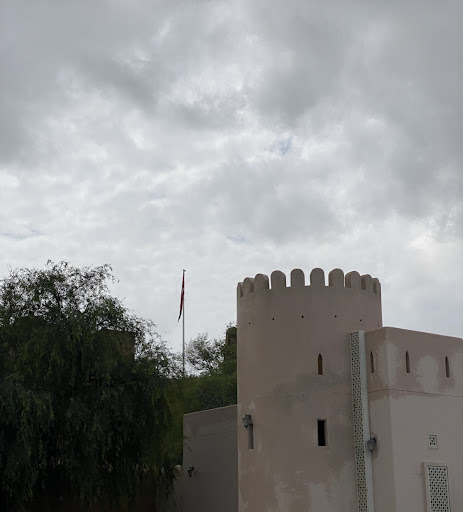
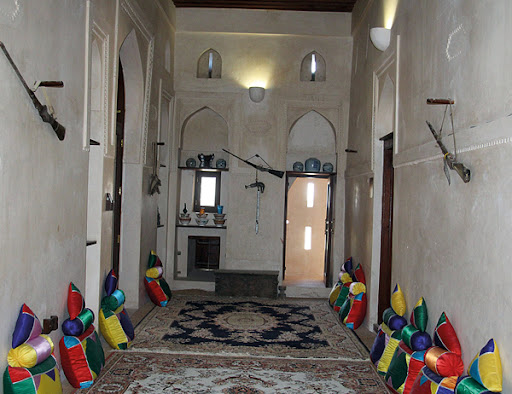
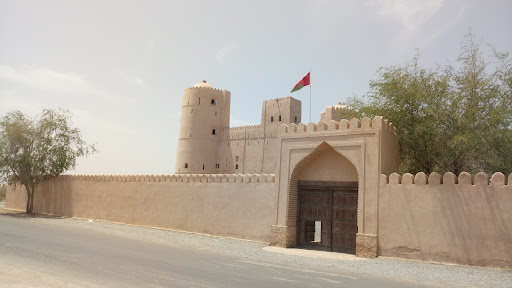
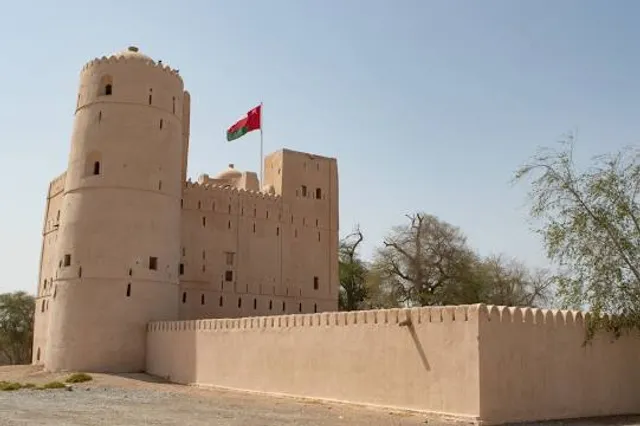
Renovation of the Bait al-Numan fortress by Imam Ahmad bin Said al-Busaidi (1749-1783) after nearly a century of its construction. The building was fortified by strengthening the walls and adding two defensive towers on the axis of a diagonal line, which provided the guards with the ability to shoot in all directions. Thus, the stately country house, which was originally equipped only with throwing holes and barricades, was turned into a fortified castle. The building consists of three floors and has a slender profile due to its height. It is protected by a wall with openings, with only entrance through a heavy wooden door. Entry into the fortress passes through a wooden gate carved under a convex arch placed in an open rectangle of ornate plaster. A spacious hall leads to five rooms, some of which have a vaulted ceiling. The rooms on the ground floor receive lighting from windows located at the top of the walls. Al Balushi says that the fortress passes through a falaj that used to make its way through the ground floor from south to north, passing through ablution basins and washing places. The ground floor of the fort contained the necessary equipment and services for the daily needs of the fort's residents, as well as places for preparing food and household chores. There were also stores for dates and extracting honey towards jars located in gaps in the fort's floor. On the road leading to the first floor, there is a mandus estimated to be about a hundred years old, and it is believed that it was used to store luxurious clothes, weapons, covers, carpets and coins. Speaking about the fort, Al Balushi explains: The reception and guest rooms called the “royal galleries” are located on the first floor, which can be easily accessed by a high and narrow staircase. They are decorated with French carpets and silk pillows and a restaurant mandoos with intricate forms of brass. The royal corridors reflect the appearances of the fort. Wealth through ceramics, precious and rare pieces of silver jewelry, these treasures are currently displayed in a beautiful museum style. In the fort there is a large room that looks like a main council, but it was used for prayer. Perhaps the presence of the small mihrab in this room is the best proof of this, as the prayer hall constitutes an important architectural element in the Bait al-Numan fortress. The mihrab points towards the qiblah. The interior design of the fort contains small projections. Above the entrance, impermeable ways to mislead the invaders, and the escape routes for the inhabitants of the fortress. In the imam’s room there is a bunker with a small opening in the ground beneath it, a dark room in the southeast tower. This room hides a safe passage towards the ground. At the farthest corner of the fort’s roof towards the sea, there is a unique building, a small room dedicated to rest and contemplation, in keeping with the nature of the rural resort. Ibrahim bin Sabeel al-Balushi, the tour guide in the "Bait al-Numan" fortress, says that the Ministry of Tourism has worked to preserve this historical landmark
AHMED AlBusaidiAHMED AlBusaidi
Bait al-Nu'man is located in Barka in the Al Batinah region. It was built by Imam Saif bin Sultan Al-Yaraibi. The Yaruba dynasty (also spelled Ya'Aruba or Ya'arubi) were rulers of Oman between 1624 and 1742. The construction of Beit al-Nu'man is one of the most achievements of the political and economic renaissance witnessed by Oman during the Yaruba dynasty.
Dorota ZiębaDorota Zięba
Fort Bait Na'aman, znajduje się pobliżu  wioski Barka. Bait znaczy dom, więc jest to dom mieszkalny zbudowany ok. 1692 r przez imama Saifa bin Sułtana, a  ok 100 lat później  ufortyfikowany i użytkowany przez sułtana Ahmeda bin Saida i jego synów.  Budynek został odrestaurowany w 1991 r i  obecnie pełni funkcję muzeum. Na parterze znajdują się sklep z daktylami,  loch dla kobiet, oryginalną toaletę i łazienkę,  która ma podziemny falaj połączony z Nakhal. Na piętrze znajdują się pokoje dla mężczyzn i kobiet- sypialnie, pokoje dzienne, prywatny pokój dzienny  dla imama z tajnym przejściem awaryjnym i loch dla mężczyzn.  Dach oferuje widoki, wietrzyk i łopoczącą flagę Omanu.
See more posts
See more posts
hotel
Find your stay

Pet-friendly Hotels in Al Batinah South Governorate

Find a cozy hotel nearby and make it a full experience.

Renovation of the Bait al-Numan fortress by Imam Ahmad bin Said al-Busaidi (1749-1783) after nearly a century of its construction. The building was fortified by strengthening the walls and adding two defensive towers on the axis of a diagonal line, which provided the guards with the ability to shoot in all directions. Thus, the stately country house, which was originally equipped only with throwing holes and barricades, was turned into a fortified castle. The building consists of three floors and has a slender profile due to its height. It is protected by a wall with openings, with only entrance through a heavy wooden door. Entry into the fortress passes through a wooden gate carved under a convex arch placed in an open rectangle of ornate plaster. A spacious hall leads to five rooms, some of which have a vaulted ceiling. The rooms on the ground floor receive lighting from windows located at the top of the walls. Al Balushi says that the fortress passes through a falaj that used to make its way through the ground floor from south to north, passing through ablution basins and washing places. The ground floor of the fort contained the necessary equipment and services for the daily needs of the fort's residents, as well as places for preparing food and household chores. There were also stores for dates and extracting honey towards jars located in gaps in the fort's floor. On the road leading to the first floor, there is a mandus estimated to be about a hundred years old, and it is believed that it was used to store luxurious clothes, weapons, covers, carpets and coins. Speaking about the fort, Al Balushi explains: The reception and guest rooms called the “royal galleries” are located on the first floor, which can be easily accessed by a high and narrow staircase. They are decorated with French carpets and silk pillows and a restaurant mandoos with intricate forms of brass. The royal corridors reflect the appearances of the fort. Wealth through ceramics, precious and rare pieces of silver jewelry, these treasures are currently displayed in a beautiful museum style. In the fort there is a large room that looks like a main council, but it was used for prayer. Perhaps the presence of the small mihrab in this room is the best proof of this, as the prayer hall constitutes an important architectural element in the Bait al-Numan fortress. The mihrab points towards the qiblah. The interior design of the fort contains small projections. Above the entrance, impermeable ways to mislead the invaders, and the escape routes for the inhabitants of the fortress. In the imam’s room there is a bunker with a small opening in the ground beneath it, a dark room in the southeast tower. This room hides a safe passage towards the ground. At the farthest corner of the fort’s roof towards the sea, there is a unique building, a small room dedicated to rest and contemplation, in keeping with the nature of the rural resort. Ibrahim bin Sabeel al-Balushi, the tour guide in the "Bait al-Numan" fortress, says that the Ministry of Tourism has worked to preserve this historical landmark
Mohammed Al-zadjali.

Mohammed Al-zadjali.

hotel
Find your stay

Affordable Hotels in Al Batinah South Governorate

Find a cozy hotel nearby and make it a full experience.

Get the Appoverlay
Get the AppOne tap to find yournext favorite spots!
Bait al-Nu'man is located in Barka in the Al Batinah region. It was built by Imam Saif bin Sultan Al-Yaraibi. The Yaruba dynasty (also spelled Ya'Aruba or Ya'arubi) were rulers of Oman between 1624 and 1742. The construction of Beit al-Nu'man is one of the most achievements of the political and economic renaissance witnessed by Oman during the Yaruba dynasty.
AHMED AlBusaidi

AHMED AlBusaidi

hotel
Find your stay

The Coolest Hotels You Haven't Heard Of (Yet)

Find a cozy hotel nearby and make it a full experience.

hotel
Find your stay

Trending Stays Worth the Hype in Al Batinah South Governorate

Find a cozy hotel nearby and make it a full experience.

Fort Bait Na'aman, znajduje się pobliżu  wioski Barka. Bait znaczy dom, więc jest to dom mieszkalny zbudowany ok. 1692 r przez imama Saifa bin Sułtana, a  ok 100 lat później  ufortyfikowany i użytkowany przez sułtana Ahmeda bin Saida i jego synów.  Budynek został odrestaurowany w 1991 r i  obecnie pełni funkcję muzeum. Na parterze znajdują się sklep z daktylami,  loch dla kobiet, oryginalną toaletę i łazienkę,  która ma podziemny falaj połączony z Nakhal. Na piętrze znajdują się pokoje dla mężczyzn i kobiet- sypialnie, pokoje dzienne, prywatny pokój dzienny  dla imama z tajnym przejściem awaryjnym i loch dla mężczyzn.  Dach oferuje widoki, wietrzyk i łopoczącą flagę Omanu.
Dorota Zięba

Dorota Zięba

See more posts
See more posts

Reviews of Bait Al Numan Castle

4.3
(107)
avatar
3.0
3y

Renovation of the Bait al-Numan fortress by Imam Ahmad bin Said al-Busaidi (1749-1783) after nearly a century of its construction. The building was fortified by strengthening the walls and adding two defensive towers on the axis of a diagonal line, which provided the guards with the ability to shoot in all directions. Thus, the stately country house, which was originally equipped only with throwing holes and barricades, was turned into a fortified castle. The building consists of three floors and has a slender profile due to its height. It is protected by a wall with openings, with only entrance through a heavy wooden door. Entry into the fortress passes through a wooden gate carved under a convex arch placed in an open rectangle of ornate plaster. A spacious hall leads to five rooms, some of which have a vaulted ceiling. The rooms on the ground floor receive lighting from windows located at the top of the walls. Al Balushi says that the fortress passes through a falaj that used to make its way through the ground floor from south to north, passing through ablution basins and washing places. The ground floor of the fort contained the necessary equipment and services for the daily needs of the fort's residents, as well as places for preparing food and household chores. There were also stores for dates and extracting honey towards jars located in gaps in the fort's floor. On the road leading to the first floor, there is a mandus estimated to be about a hundred years old, and it is believed that it was used to store luxurious clothes, weapons, covers, carpets and coins. Speaking about the fort, Al Balushi explains: The reception and guest rooms called the “royal galleries” are located on the first floor, which can be easily accessed by a high and narrow staircase. They are decorated with French carpets and silk pillows and a restaurant mandoos with intricate forms of brass. The royal corridors reflect the appearances of the fort. Wealth through ceramics, precious and rare pieces of silver jewelry, these treasures are currently displayed in a beautiful museum style. In the fort there is a large room that looks like a main council, but it was used for prayer. Perhaps the presence of the small mihrab in this room is the best proof of this, as the prayer hall constitutes an important architectural element in the Bait al-Numan fortress. The mihrab points towards the qiblah. The interior design of the fort contains small projections. Above the entrance, impermeable ways to mislead the invaders, and the escape routes for the inhabitants of the fortress. In the imam’s room there is a bunker with a small opening in the ground beneath it, a dark room in the southeast tower. This room hides a safe passage towards the ground. At the farthest corner of the fort’s roof towards the sea, there is a unique building, a small room dedicated to rest and contemplation, in keeping with the nature of the rural resort. Ibrahim bin Sabeel al-Balushi, the tour guide in the "Bait al-Numan" fortress, says that the Ministry of Tourism has worked to preserve this...

   Read more

avatar
4.0
3y

Bait Al-Nu`man Castle

Tour of

#Bait Al-Numan Castle #in Wilayat Barka It is about 85 km away from Muscat

#A Historic and Heritage Building #A Tourist attraction Built by Imam Saif bin Sultan Al Yarubi #Construction Date was between 1691-1693 AD #It was Restored in 1995 Renovation of the Castle was done by Imam Ahmed bin Saeed Al Busaidi (1749-1798 AD)

#Purpose of this Castle It was like a rural shelter As a hostel for the Ya’ariba imams and Imam Ahmad Bin Said AlBusaidi

Thank you very...

   Read more
avatar
5.0
8y

Bait al-Nu'man is located in Barka in the Al Batinah region. It was built by Imam Saif bin Sultan Al-Yaraibi. The Yaruba dynasty (also spelled Ya'Aruba or Ya'arubi) were rulers of Oman between 1624 and 1742. The construction of Beit al-Nu'man is one of the most achievements of the political and economic renaissance witnessed by Oman during the...

   Read more
Page 1 of 7
Previous
Next