HTML SitemapExplore
logo
Find Things to DoFind The Best Restaurants

Baradari of Kamran Mirza — Attraction in Lahore City Tehsil

Name
Baradari of Kamran Mirza
Description
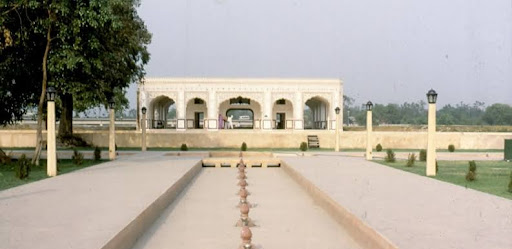
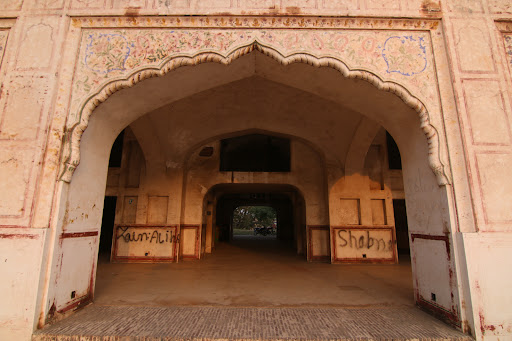
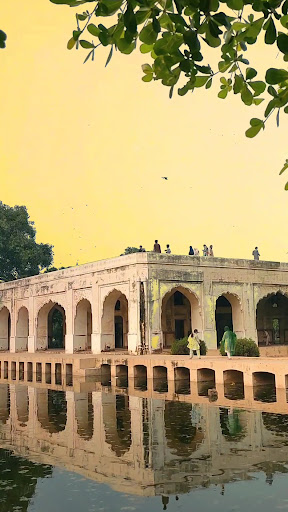
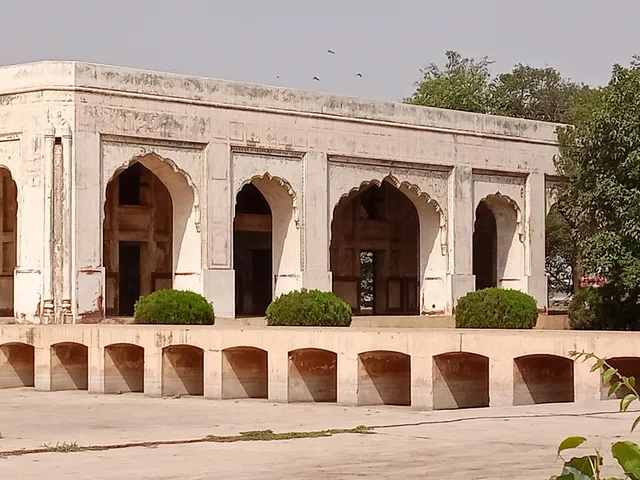
Baradari of Kamran Mirza is a summer pavilion in Lahore, Pakistan. It was built in 1540 by Kamran Mirza, a son of first Mughal emperor Babur, and a brother of the second Mughal emperor Humayun.
Nearby attractions
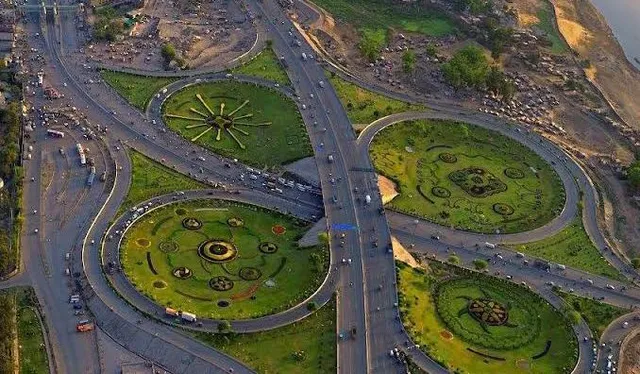
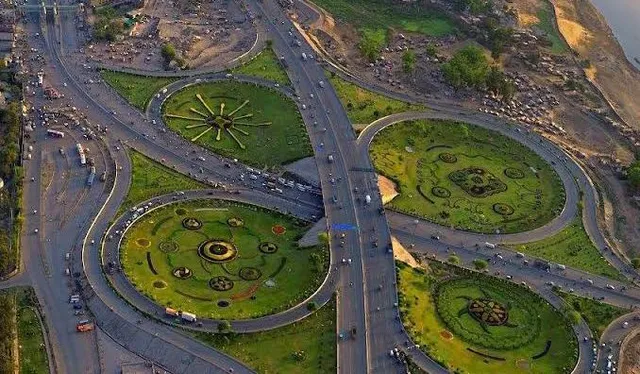
Batti Chowk Park
J72X+XGH Niazi Chowk, Ravi Rd, Qasurpura, Lahore, Pakistan
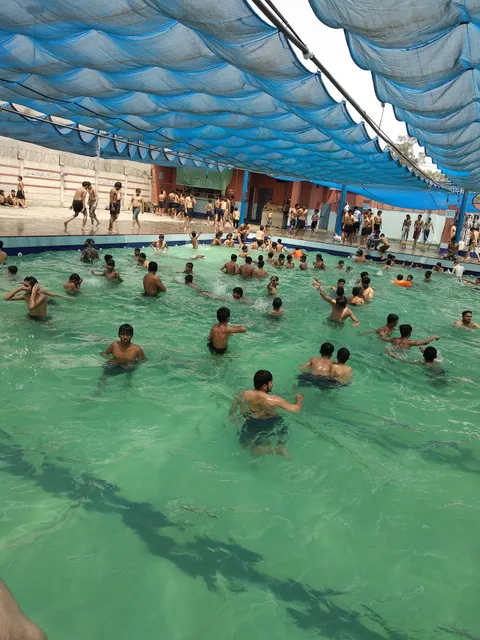
Fun Zone Water Park
Lahore Ring Road J842+JGF Batti Chowk, Ravi Rd، opp. Forest Colony, Lahore, Pakistan
Nearby restaurants
Nearby hotels
Related posts
Keywords
Baradari of Kamran Mirza tourism.Baradari of Kamran Mirza hotels.Baradari of Kamran Mirza bed and breakfast. flights to Baradari of Kamran Mirza.Baradari of Kamran Mirza attractions.Baradari of Kamran Mirza restaurants.Baradari of Kamran Mirza travel.Baradari of Kamran Mirza travel guide.Baradari of Kamran Mirza travel blog.Baradari of Kamran Mirza pictures.Baradari of Kamran Mirza photos.Baradari of Kamran Mirza travel tips.Baradari of Kamran Mirza maps.Baradari of Kamran Mirza things to do.
Baradari of Kamran Mirza things to do, attractions, restaurants, events info and trip planning
Baradari of Kamran Mirza
PakistanPunjabLahore City TehsilBaradari of Kamran Mirza

Basic Info

Baradari of Kamran Mirza

J74V+PF3, Lahore, 54000, Pakistan
4.2(400)
Open 24 hours
Save
spot

Ratings & Description

Info

Baradari of Kamran Mirza is a summer pavilion in Lahore, Pakistan. It was built in 1540 by Kamran Mirza, a son of first Mughal emperor Babur, and a brother of the second Mughal emperor Humayun.

Cultural
Outdoor
Scenic
Family friendly
attractions: Batti Chowk Park, Fun Zone Water Park, restaurants:
logoLearn more insights from Wanderboat AI.

Plan your stay

hotel
Pet-friendly Hotels in Lahore City Tehsil
Find a cozy hotel nearby and make it a full experience.

hotel
Affordable Hotels in Lahore City Tehsil
Find a cozy hotel nearby and make it a full experience.

hotel
The Coolest Hotels You Haven't Heard Of (Yet)
Find a cozy hotel nearby and make it a full experience.

hotel
Trending Stays Worth the Hype in Lahore City Tehsil
Find a cozy hotel nearby and make it a full experience.

Reviews

Nearby attractions of Baradari of Kamran Mirza

Batti Chowk Park

Fun Zone Water Park
Batti Chowk Park

Batti Chowk Park

4.3

(2K)

Open 24 hours
Click for details
Fun Zone Water Park

Fun Zone Water Park

4.1

(175)

Open 24 hours
Click for details
Get the Appoverlay
Get the AppOne tap to find yournext favorite spots!
Wanderboat LogoWanderboat

Your everyday Al companion for getaway ideas

CompanyAbout Us
InformationAI Trip PlannerSitemap
SocialXInstagramTiktokLinkedin
LegalTerms of ServicePrivacy Policy

Get the app

© 2025 Wanderboat. All rights reserved.
logo

Posts

Shahzad SaeedShahzad Saeed
Kamran Mirza Baradari is a significant historical structure located in Lahore, Pakistan, standing as a reminder of the early Mughal era. Built in 1540 by Kamran Mirza, the son of Babur and brother of Emperor Humayun, the Baradari originally served as a pleasure pavilion. Situated on the banks of the River Ravi, it was once a prime location for recreation and royal retreats. Over centuries, however, the river changed its course, and the Baradari now lies on the mainland, far from its original waterfront setting. The architecture reflects typical Mughal aesthetics — featuring twelve doorways that allow natural ventilation and light, hence the name “Baradari” (meaning “twelve doors” in Persian). Though time and environmental factors have damaged much of its original structure, traces of the Mughal grandeur are still visible in its red sandstone and intricate design motifs. Restoration efforts have been sporadic, but the structure remains evocative of a bygone era of artistic and architectural excellence. Visiting Kamran Mirza Baradari is both a visual and emotional experience. Its isolation from the bustling parts of Lahore offers a moment of peace, allowing visitors to imagine the grandeur it once commanded. Despite being lesser known compared to Lahore’s other Mughal monuments like the Badshahi Mosque or Shalimar Gardens, it holds its unique place in history as Lahore’s oldest surviving Mughal structure. However, lack of consistent preservation efforts has left it vulnerable to further decay. If properly restored and promoted, Kamran Mirza Baradari could become a major cultural attraction. As it stands, it offers a quiet, poignant glimpse into the early days of Mughal architectural ambition and Lahore’s historical richness.
Daniyal SaleemDaniyal Saleem
It is called Kamran ki Baradari. Bara means twelve and dar means doors. Kamran ki baradari was a twelve door building on the bank of River Ravi. The baradari structure itself is a testimony to the engineering skill of Mughal builders. At the end of 19th century, Latif recorded “for more than half a century has the impetuous current of the ancient Ravi struggled to annihilate its walls, whose feet it washed, but with the exception of a portion washed away at a time beyond the memory of the living generation, the edifice stands quite unaffected by the ebb and flow of the majestic river.” The river that once flowed close to the city walls changed course during the first half of the 18th century, and destroyed the edifices and gardens laid by Mughal nobility. Mirza Kamran’s garden shared the same fate, although a few traces of old garden paths can still be seen. The baradari originally stood at the edge of the Ravi River, but over time, the course of the river changed and the site became an island. Sometime over the course of the centuries the river flooded, taking half the baradari along with it. As Mughal buildings are generally symmetrical, it was possible for historians to infer the design of the lost portion and it was rebuilt in 1989 at a cost of 19.6 million rupees about $1 million USD at the time. Unfortunately, the restoration extended to the remaining half and resulted in the total replacement of its surface decoration including the few fragments of original decoration to have survived. Of the gardens, very few traces survived in the late 20th century and a new garden based partially on Mughal motifs was built to the west of the Baradari.
ObaidzObaidz
Beautiful piece of Architecture of Mughal Period, River Ravi flows around, worth visiting. Kamran Mirza, sometimes known simply as Kamran, (1509 – 5 (or 6) October 1557) was the second son of Babur, the founder of the Mughal Empire and the first Mughal Emperor. The only significant architectural structure built by Kamran exists today in Lahore, Pakistan. It is called Kamran ki Baradari. Bara means twelve and dar means doors. Kamran ki baradari was a twelve door building on the bank of River Ravi. The river changed its course over time, with the result that the Baradari stands not on the bank but in the waters as an island while the gardens have deteriorated. Kamran Baradari Lahore (Baradari of Kamran Mirza) is one of the attractive oldest Mughal monuments, situated in ravi river Lahore, Punjab, Pakistan. It was built in 1540, by Kamran Mirza. Moreover, Kamran Baradari Lahore has a unique kind of structure fascinate around many visitors. It has all rooms of corners are seeming to be 12, infant, this word Baradari has hidden meaning, as break these words then find a real meaning like “Bara” means 12 (Twelve) and off course “Dari” means Doors, so combine these magical words it become Kamran 12 door place. Many families, Tourist and Visitors come here to enjoy this beautiful spot which has store many features inside the beautiful Kamran’s Baradari Lahore.
See more posts
See more posts
hotel
Find your stay

Pet-friendly Hotels in Lahore City Tehsil

Find a cozy hotel nearby and make it a full experience.

Kamran Mirza Baradari is a significant historical structure located in Lahore, Pakistan, standing as a reminder of the early Mughal era. Built in 1540 by Kamran Mirza, the son of Babur and brother of Emperor Humayun, the Baradari originally served as a pleasure pavilion. Situated on the banks of the River Ravi, it was once a prime location for recreation and royal retreats. Over centuries, however, the river changed its course, and the Baradari now lies on the mainland, far from its original waterfront setting. The architecture reflects typical Mughal aesthetics — featuring twelve doorways that allow natural ventilation and light, hence the name “Baradari” (meaning “twelve doors” in Persian). Though time and environmental factors have damaged much of its original structure, traces of the Mughal grandeur are still visible in its red sandstone and intricate design motifs. Restoration efforts have been sporadic, but the structure remains evocative of a bygone era of artistic and architectural excellence. Visiting Kamran Mirza Baradari is both a visual and emotional experience. Its isolation from the bustling parts of Lahore offers a moment of peace, allowing visitors to imagine the grandeur it once commanded. Despite being lesser known compared to Lahore’s other Mughal monuments like the Badshahi Mosque or Shalimar Gardens, it holds its unique place in history as Lahore’s oldest surviving Mughal structure. However, lack of consistent preservation efforts has left it vulnerable to further decay. If properly restored and promoted, Kamran Mirza Baradari could become a major cultural attraction. As it stands, it offers a quiet, poignant glimpse into the early days of Mughal architectural ambition and Lahore’s historical richness.
Shahzad Saeed

Shahzad Saeed

hotel
Find your stay

Affordable Hotels in Lahore City Tehsil

Find a cozy hotel nearby and make it a full experience.

Get the Appoverlay
Get the AppOne tap to find yournext favorite spots!
It is called Kamran ki Baradari. Bara means twelve and dar means doors. Kamran ki baradari was a twelve door building on the bank of River Ravi. The baradari structure itself is a testimony to the engineering skill of Mughal builders. At the end of 19th century, Latif recorded “for more than half a century has the impetuous current of the ancient Ravi struggled to annihilate its walls, whose feet it washed, but with the exception of a portion washed away at a time beyond the memory of the living generation, the edifice stands quite unaffected by the ebb and flow of the majestic river.” The river that once flowed close to the city walls changed course during the first half of the 18th century, and destroyed the edifices and gardens laid by Mughal nobility. Mirza Kamran’s garden shared the same fate, although a few traces of old garden paths can still be seen. The baradari originally stood at the edge of the Ravi River, but over time, the course of the river changed and the site became an island. Sometime over the course of the centuries the river flooded, taking half the baradari along with it. As Mughal buildings are generally symmetrical, it was possible for historians to infer the design of the lost portion and it was rebuilt in 1989 at a cost of 19.6 million rupees about $1 million USD at the time. Unfortunately, the restoration extended to the remaining half and resulted in the total replacement of its surface decoration including the few fragments of original decoration to have survived. Of the gardens, very few traces survived in the late 20th century and a new garden based partially on Mughal motifs was built to the west of the Baradari.
Daniyal Saleem

Daniyal Saleem

hotel
Find your stay

The Coolest Hotels You Haven't Heard Of (Yet)

Find a cozy hotel nearby and make it a full experience.

hotel
Find your stay

Trending Stays Worth the Hype in Lahore City Tehsil

Find a cozy hotel nearby and make it a full experience.

Beautiful piece of Architecture of Mughal Period, River Ravi flows around, worth visiting. Kamran Mirza, sometimes known simply as Kamran, (1509 – 5 (or 6) October 1557) was the second son of Babur, the founder of the Mughal Empire and the first Mughal Emperor. The only significant architectural structure built by Kamran exists today in Lahore, Pakistan. It is called Kamran ki Baradari. Bara means twelve and dar means doors. Kamran ki baradari was a twelve door building on the bank of River Ravi. The river changed its course over time, with the result that the Baradari stands not on the bank but in the waters as an island while the gardens have deteriorated. Kamran Baradari Lahore (Baradari of Kamran Mirza) is one of the attractive oldest Mughal monuments, situated in ravi river Lahore, Punjab, Pakistan. It was built in 1540, by Kamran Mirza. Moreover, Kamran Baradari Lahore has a unique kind of structure fascinate around many visitors. It has all rooms of corners are seeming to be 12, infant, this word Baradari has hidden meaning, as break these words then find a real meaning like “Bara” means 12 (Twelve) and off course “Dari” means Doors, so combine these magical words it become Kamran 12 door place. Many families, Tourist and Visitors come here to enjoy this beautiful spot which has store many features inside the beautiful Kamran’s Baradari Lahore.
Obaidz

Obaidz

See more posts
See more posts

Reviews of Baradari of Kamran Mirza

4.2
(400)
avatar
4.0
4y

Baradari of Kamran Mirza is famous tourism point in lahore. Baradari of Kamran Mirza, Kamran ki Baradari is a summer pavilion in Lahore, Pakistan. It was built in 1540 by Kamran Mirza, a son of first Mughal emperor Babur, and a brother of the second Mughal emperor Humayun. The building is believed to be the oldest existing Mughal structure in Lahore,  and is the only garden in Lahore's Shahdara Bagh area that was not converted into a funerary monument. After Babur's death in 1530, Kamran Mirza seized Lahore and laid a garden in which the baradari was built in 1540. At the time of construction, the baradari was on the western bank of the River Ravi in the Shahdara Bagh region, though it now stands on an island in the middle of the river, due to shifts in the river's course. The pavilion remained in use by Mughal royals until the 18th century. After the British annexed Punjab in 1849, the pavilion was turned into a tollhouse for boats crossing the river. It is also mentioned as Turgurhwallee Baradari in an 1867 map of Lahore, where it was shown located on the western bank of the river. Part of baradari's eastern façade had been damaged by floods by the 1850s, while the baradari's second story had also been damaged or dismantled around the same time.The pavilion sustained further damage by flooding in 1958. It was reconstructed in 1989 at a cost of 19.6 million rupees (about $1 million). After Babur's death in 1530, Kamran Mirza seized Lahore and laid a garden in which the baradari was built in 1540. At the time of construction, the baradari was on the western bank of the River Ravi in the Shahdara Bagh region, though it now stands on an island in the middle of the river, due to shifts in the river's course. The pavilion remained in use by Mughal royals until the 18th century.

After the British annexed Punjab in 1849, the pavilion was turned into a tollhouse for boats crossing the river. It is also mentioned as Turgurhwallee Baradari in an 1867 map of Lahore, where it was shown located on the western bank of the river. Part of baradari's eastern façade had been damaged by floods by the 1850s, while the baradari's second story had also been damaged or dismantled around the same time. The pavilion sustained further damage by flooding in 1958. It was reconstructed in 1989 at a cost of 19.6 million rupees (about $1 million). Like all baradaris, the structure has twelve doors. The pavilion was originally two levels with 12 columns of...

   Read more
avatar
5.0
38w

Kamran’s Baradari is a historic pavilion situated in Lahore, Pakistan, constructed in 1540 by Kamran Mirza, the son of the first Mughal emperor, Babur, and brother to the second emperor, Humayun. Recognized as the oldest existing Mughal structure in Lahore, this pavilion exemplifies early Mughal architecture and offers insight into the region’s rich history.

Visitor Experiences: • Positive Aspects: • Scenic Beauty: Visitors frequently commend the pavilion’s aesthetic appeal, noting it as an excellent spot for picnics and photography. One reviewer mentioned, “Excellent for picnic, photoshoot or just sight-seeing. Good for both families and individuals.”  • Areas of Concern: • Maintenance Issues: Several guests have expressed concerns regarding the site’s upkeep. Observations include damage to the 15th-century gardens and paving due to local activities, such as cricket practice, and the presence of graffiti on the building. A visitor remarked, “Needs a huge amount of renovation and maintenance… Education required for the population to appreciate the historical significance of the place.”  • Accessibility Challenges: Accessing the pavilion requires a boat ride across the River Ravi, which some visitors have found challenging due to water pollution and unpleasant odors. A photographer noted, “To reach the actual location you have to sit in a boat and water is very polluted and smell is everywhere.” 

Recommendations for Visitors: • Plan Ahead: Given the limited on-site facilities, it’s advisable to bring necessary supplies, especially if planning a longer visit or picnic. • Hire a Local Guide: Engaging a knowledgeable guide can enhance the experience by providing historical context and insights into the pavilion’s significance. • Visit During Off-Peak Hours: To fully appreciate the site’s tranquility and beauty, consider visiting early in the day when it’s less crowded.

In summary, while Kamran’s Baradari stands as a testament to Lahore’s rich Mughal heritage and offers picturesque views, potential visitors should be prepared for maintenance shortcomings and accessibility challenges. Proper planning can ensure a rewarding experience at this...

   Read more
avatar
4.0
32w

Kamran Mirza Baradari is a significant historical structure located in Lahore, Pakistan, standing as a reminder of the early Mughal era. Built in 1540 by Kamran Mirza, the son of Babur and brother of Emperor Humayun, the Baradari originally served as a pleasure pavilion. Situated on the banks of the River Ravi, it was once a prime location for recreation and royal retreats. Over centuries, however, the river changed its course, and the Baradari now lies on the mainland, far from its original waterfront setting.

The architecture reflects typical Mughal aesthetics — featuring twelve doorways that allow natural ventilation and light, hence the name “Baradari” (meaning “twelve doors” in Persian). Though time and environmental factors have damaged much of its original structure, traces of the Mughal grandeur are still visible in its red sandstone and intricate design motifs. Restoration efforts have been sporadic, but the structure remains evocative of a bygone era of artistic and architectural excellence.

Visiting Kamran Mirza Baradari is both a visual and emotional experience. Its isolation from the bustling parts of Lahore offers a moment of peace, allowing visitors to imagine the grandeur it once commanded. Despite being lesser known compared to Lahore’s other Mughal monuments like the Badshahi Mosque or Shalimar Gardens, it holds its unique place in history as Lahore’s oldest surviving Mughal structure.

However, lack of consistent preservation efforts has left it vulnerable to further decay. If properly restored and promoted, Kamran Mirza Baradari could become a major cultural attraction. As it stands, it offers a quiet, poignant glimpse into the early days of Mughal architectural ambition and Lahore’s...

   Read more
Page 1 of 7
Previous
Next