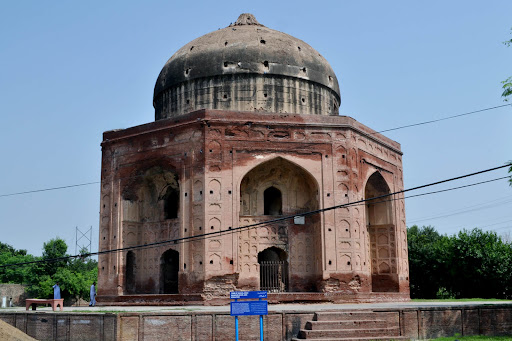
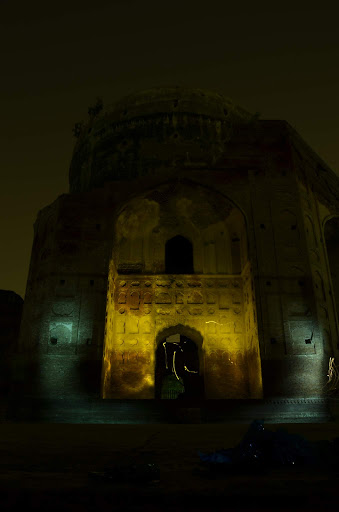
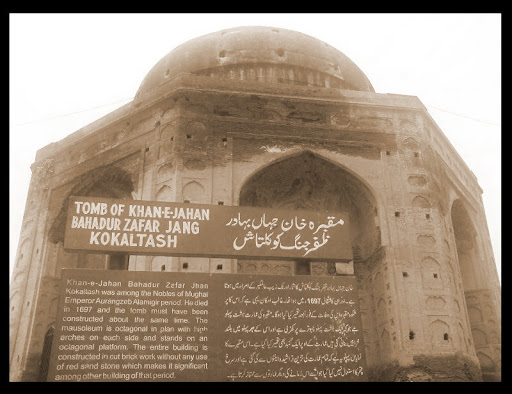
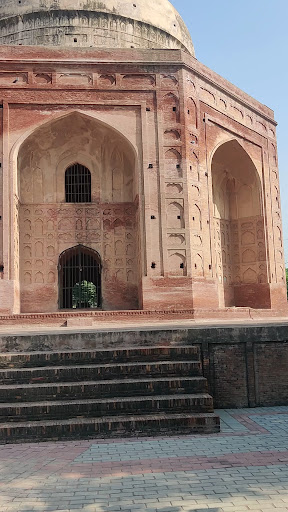
The Tomb of Khan‑e‑Jahan Bahadur Zafar Jang Kokaltash (often referred to as “Khan‑e‑Jahan Zafar” or “Kokaltash”) is a late 17th-century Mughal-era mausoleum situated in Mohalla Ganj near Canal Road, Lahore.
⸻
🕰️ Historical Background
• Khan‑e‑Jahan Bahadur Zafar Jang Kokaltash was a high-ranking noble and foster brother to Emperor Aurangzeb. He served as governor of Punjab (1691–1693) and died in Lahore on 23 November 1697 .
• The tomb was completed around 1697–1698, shortly after his death.
• It stands on a raised octagonal brick-and-marble platform, topped by an octagonal two-story structure capped with a dome approximately 30 ft in diameter  .
⸻
🏛 Architectural Highlights
• The mausoleum features cut-brick masonry, with alternating sunken panels, tall arched alcoves, and Timurid-style muqarnas squinches supporting the dome .
• Originally adorned with marble, much of the decorative facing was removed during Ranjit Singh’s era, and part of the grave itself was demolished .
• It suffered extensive damage during the 1965 war and other structural stresses; the dome now relies on modern brick supports and some muqarnas have deteriorated .
⸻
⚠️ Current Condition
• The site was declared under Punjab’s Special Premises Act (1975), but conservation has been inconsistent .
• Some restoration began in 2018–19, though reports indicate mismatched materials were used and funds ran out .
• It remains fenced and partially restored, but still vulnerable to environmental damage and neglect .
⸻
📍 Visiting Information
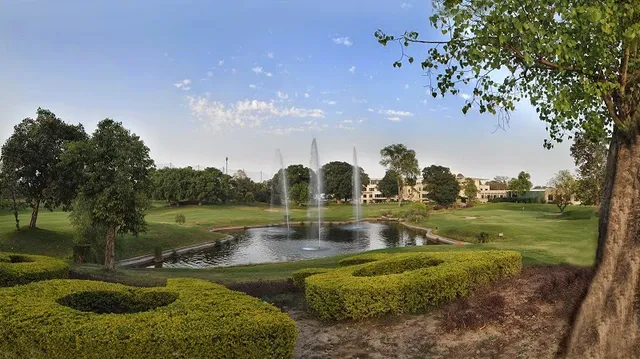
• Location: Mohalla Ganj/Mughalpura—along Canal Road near railway crossing, opposite Royal Palm Golf & Country Club .
• Access: Easily seen from Canal Bank Road; a short side road and underpass walk bring visitors to the site .
• Nearby Sites: Tombs of Ali Mardan Khan and Anarkali; part of a hidden heritage corridor along the Canal.
⸻
🗺️ Why It Matters
• One of the last Mughal-era tombs built under Aurangzeb—showcases the transition of architectural styles with brickwork instead of red sandstone  .
• Its graceful octagonal form, Muqarnas arches, and brick craftsmanship echo classical Mughal artistry, akin to tombs like Anarkali and Asif Khan .
• It offers a unique glimpse into the lives and legacy of lesser-known Mughal nobility.
⸻
🛠️ Development & Tourism Suggestions
Restoration & Conservation
• Engage heritage specialists (e.g., Aga Khan Trust) for authentic materials—lime plaster, reclaimed marble, traditional brickwork.
• Repair structural damage: dome support, muqarnas elements, arches; restore a small section of marble cladding.
Visitor Experience Enhancements
• Install multilingual plaques (Urdu, English, Chinese) explaining its history and architectural features.
• Provide QR codes for audio tours, historical photos, and 3D reconstructions of the original marble−clad building.
• Introduce path lighting, benches, and shaded areas to make brief stops comfortable.
Heritage Trail Integration
• Position it within a “Canal Corridor Heritage Trail” incorporating Tombs of Anarkali, Ali Mardan, Cypress, Dai Anga, etc.
• Offer guided walking tours or an audioguide app for Lahore heritage enthusiasts.
Digital & Cultural Promotion
• Launch “Hidden Lahore” social campaigns (Instagram, YouTube shorts) highlighting architecture and untold stories.
• Collaborate with travel bloggers to feature it as a “secret Mughal gem.”
• Add it to Google Maps/TripAdvisor with quality photos and user reviews.
Community Engagement
• Involve local schools and universities: organize heritage events, clean-up days, photography, and art competitions.
• Host annual cultural evenings with poetry, Sufi music, or historical storytelling at the site.
⸻
📝 Proposed Branding
• Tagline: “Khan‑e‑Jahan’s Octagon: Lahore’s Forgotten Mughal Gem”
• Theme: Emphasize rarity, craftsmanship, and architectural transition—Mughal...
Read more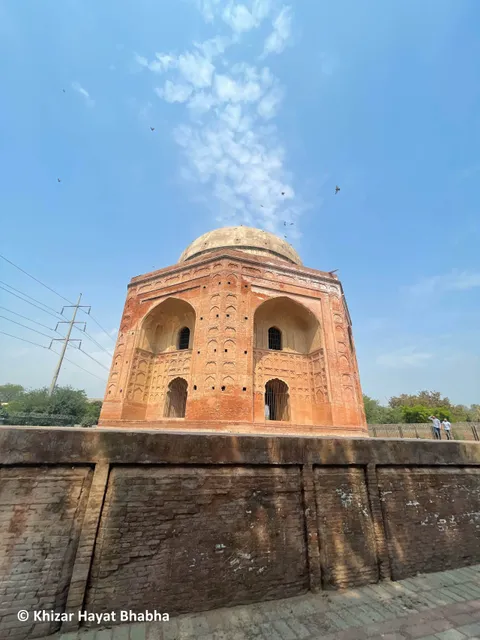
 Learn more insights from Wanderboat AI.