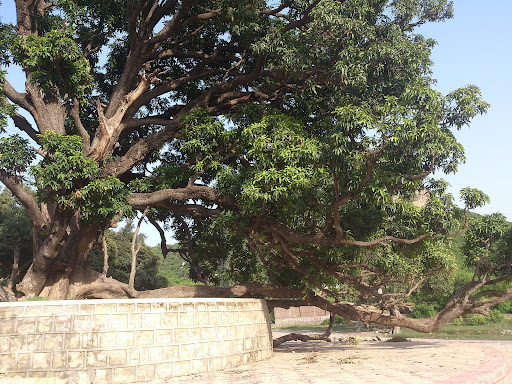
Just behind Islamabad’s D-12 sector, a dilapidated road leads to Sadhu ka Bagh, a garden over 2,400 years old at the foot of the Margalla Hills in the Shah Allah Ditta village. History buffs and nature enthusiasts brave the road for what lies ahead: old banyan trees, ancient meditation caves for Hindu saints and a well of spring water. The origin of the caves are believed to be either Buddhist or Hindu; some older tales suggest that Hindu sadhus came to the area to meditate, and a garden spread across acres of land near the caves at the foot of the Margallas. The garden is situated a route once used by caravans to cross the hills and enter the Hazara division; it was considered a safer option amid others, such as the route near Saidpur where caravans could be plundered. “In the Hindu religion, Lord Ram and his wife Sita and brother Lakshman arrived in the Margalla Hills during their 14-year exile. It was also said that the Pandava brothers and their wife Draupadi crossed the Margalla Hills and arrived in Katas Raj during their exile,” Pakistan Hindu and Sikh Welfare Association President Jag Moham Arora said. But there are also other tales about the origins of Sadhu ka Bagh. Mohammad Ismail, the owner of a tea stall and Shah Allah Ditta resident told Dawn it was believed that the site was visited by the Mughal emperor Humayun, who stayed at the garden while...
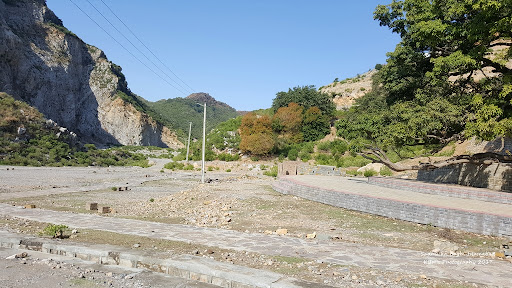
Read moreJust behind Islamabad’s D-12 sector, a dilapidated road leads to Sadhu ka Bagh, a garden over 2,400 years old at the foot of the Margalla Hills in the Shah Allah Ditta village.
History buffs and nature enthusiasts brave the road for what lies ahead: old banyan trees, ancient meditation caves for Hindu saints and a well of spring water.
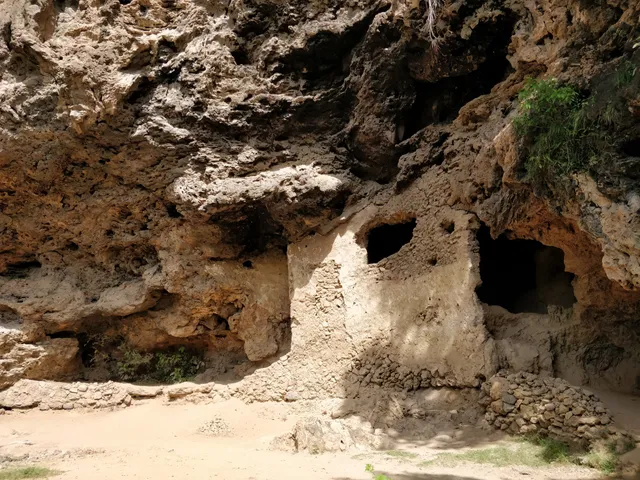
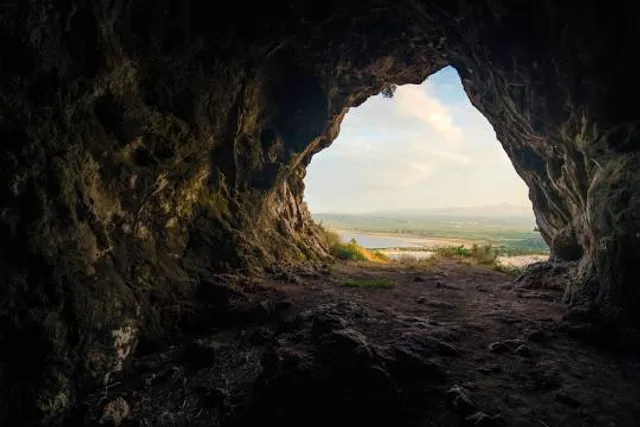
The origin of the caves are believed to be either Buddhist or Hindu; some older tales suggest that Hindu sadhus came to the area to meditate, and a garden spread across acres of land near the caves at the foot of the Margallas. The caves, known locally as Sadhu ka Bagh, are located next to the to the shrine and tomb of Shah Allah Ditta, a Mughal-era dervish, in the Margalla Hills—part of the Himalayan foothills—located just north of Islamabad. The caves contain 2,400-year-old Buddhist murals, as well as Buddhist relics dated to the 8th century. According to archaeologists, the caves, and the natural platform-like formations surrounding them, were used for meditation by Buddhist monks, Hindu sadhus, and Muslim ascetics during the...
Read more‘Sadhu ka Bagh.’ Some of cave walls used to be covered with paintings made from red clay, but nearly all of them have faded away with time. An ancient water well also lies at a few minutes distance from here. Legend has it that the Mughal Emperor Akbar had it constructed, but only its remnants remain. However, natural streams can be found all around the area, heightening the serenity of the village. There are a couple of restaurants for visitors. You could simply drop in at any of them, order lunch and enjoy the breath-taking view of the hills. One such café is Sadhu’s Retreat, which was launched as an open air restaurant, for the visitors to enjoy good quality food. However, with the increasing number of visitors, it has been converted into a recreational area where families, students and colleagues from Rawalpindi and Islamabad come for respite from their daily routines. From Archery and Paint Ball to Trekking, Rock Climbing and Camping facilities,...
Read more