The Shah Allah Ditta Caves, also known locally as Sadhu ka Bagh, are an extraordinary archaeological and spiritual treasure nestled in the Margalla Hills near Islamabad’s Sector D‑12/E‑11. Here’s an in-depth look:
🏛️ History & Cultural Significance • Antiquity & Religion Originating around 2,400–2,500 years ago, the caves contain Buddhist-era murals and relics from the 8th century . Over time, they were embraced by Hindu sadhus and later by Muslim ascetics during the Mughal era .
• Travelers’ Rest Stop This site was a waypoint on the ancient route from Kabul to Taxila, traversed by historical figures such as Alexander the Great, Sher Shah Suri, Chandragupta, Ashoka, and Mughal emperors  .
⸻
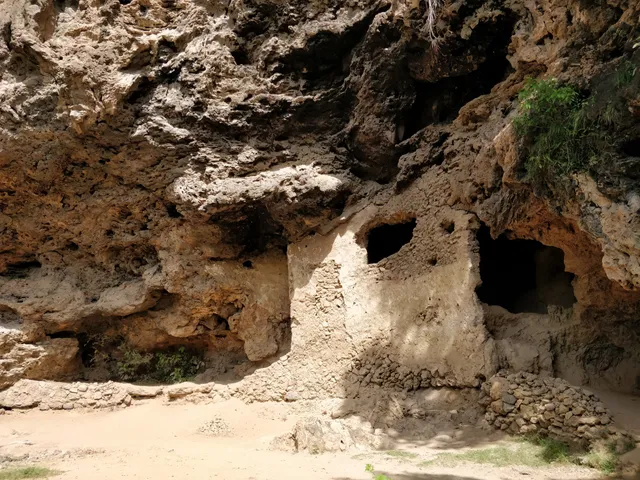
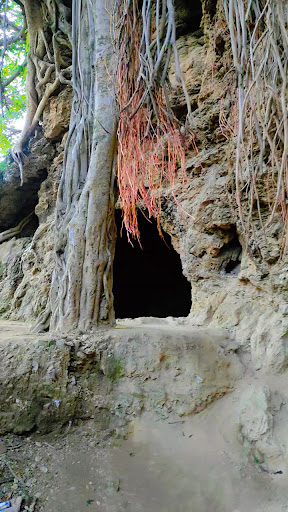
🕳️ Archaeology & Landscape • Caves & Structures The site features natural kanjur stone shelters, divided into levels, with mud-plastered walls showing traces of Buddhist and Hindu art—some covered later by whitewash .
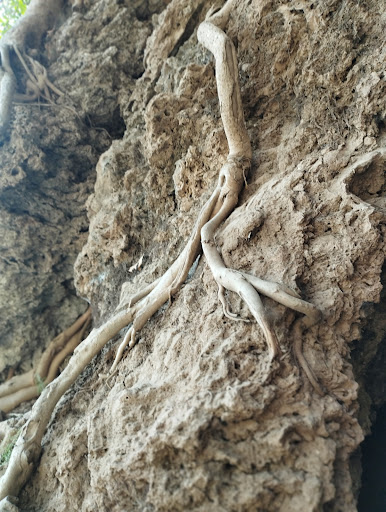
• Adjacent Features Nearby are a fresh-water spring, a pond, a garden once irrigated by the spring, ancient banyan trees, and the Losar Baoli stepwell .
• Shrine & Mughal Touches The village takes its name from a Mughal-era dervish, Shah Allah Ditta, whose shrine lies just beside the caves  .
⸻
🎒 Tourism & Preservation • Visitor Experience A peaceful weekend hotspot for hikers, history lovers, and spiritual seekers. It’s accessible year-round but particularly lovely in late afternoons (). • Preservation Efforts
Several initiatives: • 2010: CDA approved conserving caves and Sadhu ka Bagh  • 2019: A three-member archaeological committee was formed  • 2024: Minister Jamal Shah inaugurated a development & conservation project under the Antiquities Act 
However, neglect remains a concern—murals and road access need better maintenance .
⸻
Why Visit? • Historical Importance: A living testament to Gandhara’s Buddhist heritage and its religious evolution. • Scenic Ambience: Nestled in lush Margallas, alongside streams, steps, and greenery. • Cultural Mosaic: A spiritually layered space—from Buddhist monks to Hindu sadhus, Muslim saints, and modern pilgrims. • Adventurous Retreat: A mix of light trekking, cave exploration, and serene surroundings—just 14 km from Islamabad   .
✅ Tips for Your Visit • Go in the afternoon/evening for softer light and cooler air (). • Stay on marked paths to avoid damaging ancient walls. • Bring water and snacks—though there are small eateries near the site. Shah Allah Ditta Caves are poised to become a more protected and well-maintained historic site. Preserving these caves not only safeguards a remarkable past but promises to enhance tourism and cultural connection for...
Read moreNestled within the serene outskirts of Islamabad, the Shah Allah Ditta Caves offer a tranquil escape from the hustle and bustle of city life. This hidden gem provides visitors with a peaceful environment, an abundance of natural beauty, and a sense of calmness that rejuvenates the soul.
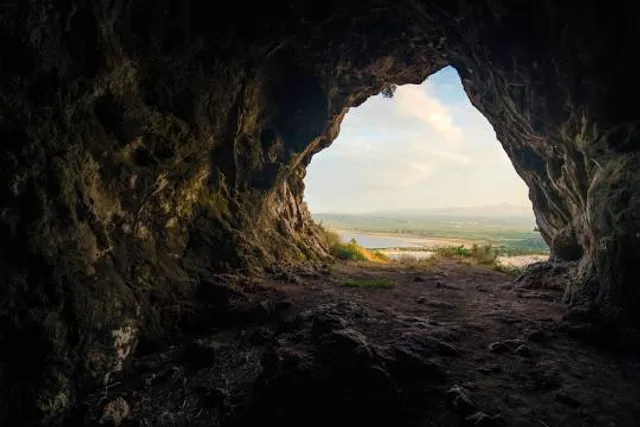
One of the most captivating aspects of Shah Allah Ditta Caves is its peaceful environment. As you wander through the ancient caves and pathways, you can't help but be captivated by the serenity that surrounds you. The absence of noise pollution and the gentle rustling of leaves create a soothing atmosphere, allowing you to unwind and reconnect with nature.
The caves are nestled amidst a lush green landscape, with towering trees providing ample shade and a refreshing canopy of tranquility. The vibrant hues of the surrounding flora add to the beauty of the location, making it a perfect spot for nature enthusiasts and photographers alike. Whether you are strolling along the pathways or simply finding a quiet spot to relax, the natural beauty of Shah Allah Ditta Caves will leave you in awe.
One of the highlights of this enchanting place is the picturesque pond located nearby. The shimmering waters reflect the surrounding greenery, creating a captivating sight. Sitting by the pond, listening to the gentle sound of water, and observing the serene surroundings is a truly meditative experience. It offers a moment of solace and allows you to disconnect from the outside world.
The preservation efforts taken to maintain the area are commendable. The cleanliness and tidiness of Shah Allah Ditta Caves reflect the respect and care given to this historical and natural treasure. It is heartening to see visitors appreciating and enjoying the space while also being mindful of its preservation.
In conclusion, Shah Allah Ditta Caves in Islamabad is a serene oasis that offers a peaceful and calm environment. The lush green surroundings, ancient caves, and the presence of a tranquil pond combine to create a perfect retreat from the urban chaos. Whether you seek solitude, a connection with nature, or a place to unwind, Shah Allah Ditta Caves is an ideal...
Read moreShah Allah Ditta (Urdu: شاہ اللہ دتہ) is a centuries-old village and a union council located at the foothills of the Margalla Hills in the Islamabad Capital Territory.The village is believed to be more than seven hundred years old and was used as route from Kabul to the Gandharan city of Taxila by Alexander the Great and Sher Shah Suri while Mughal rulers and other emperors often passed through while traveling from Afghanistan to the Hindustan. Relics of the Buddhist era dating back to the 8th century can be found here along with burnt diyas and trees with amulets tied to them. Shah Allah Ditta caves are located on the route leading towards Khanpur. These caves are next to the shrine and tomb of Shah Allah Ditta. 2,400-year-old Buddhist era murals of Buddha appear on the walls of caves at Shah Allah Ditta. Archaeological evidence indicates that the caves and the platform-like formations surrounding the area were first used for meditation by Buddhist monks and later by Hindu sadhus before Muslim ascetics took over during the Mughal period. Marked on the ground close to the caves the location where Alexander arrived and was received by Raja Ambi, King of Taxila. The road next to the caves that leads to the main top of the mountain, Shah Allah Ditta road, is said to be built on the exact path followed by Pashtun emperor Sher Shah Suri during his visit. Moving up the mountain from the caves, there is a stepwell called Losar Baoli and a mosque built by Shahāb-ud-Din Ghori. The mosque has broken walls and the road leading to it is...
Read more