We visited at 2 different times and hence the review is split into 2 sections.
First the night visit after dark:
We arrived at the Jesuit Mission of Holy Trinity around 8 pm, just as the locals were settling in with their evening routines and the TV tuned to the pre–World Cup game atmosphere. The site itself is atmospheric at night, with floodlights illuminating the ruins, but the overall experience left us a bit wanting.
Our group joined a couple of buses full of schoolchildren from Asunción and nearby towns. The guide launched into an enthusiastic narration — entirely in Spanish. For us, we sorely missed the modern version of the “Babel fish” (forgive the Hitchhiker’s Guide to the Galaxy reference!) just to keep up. Without translations, much of the history and storytelling was lost on us.
We had expected a light show or video projection, which didn’t happen that night, so the visit was mostly walking through the ruins in the glow of the spotlights. To be fair, the structures and walls are impressive and well preserved, and even in the dim light you can feel the weight of history. Unfortunately, the weather didn’t help — at 57°F with rain and wind, the cold felt much sharper than the thermometer suggested.
In short:
For Spanish speakers: this can be a moving and educational evening experience.
For English speakers: unless you come with a translator or during the day when more context might be available, it’s best to take a short walk, admire the ruins, and save the deep dive for a better-timed visit.
Here is the review continued for the daytime:
Visiting the Jesuit Mission of Holy Trinity in the morning made all the difference. The experience began with a short film (with English subtitles) that set the stage and gave clear context to everything we had seen the previous night.
Our guide, Christian, then walked us through the remarkable history of the Jesuits — missionaries from the Society of Jesus who, in the 17th and 18th centuries, created settlements called reducciones. These were carefully planned communities where art, architecture, music, culture, and even astronomy were taught and valued. Unlike many other colonial efforts, the Jesuits placed less emphasis on evangelism and more on protecting and educating the Guaraní people, offering them refuge from exploitation while fostering a communal way of life. At their height, these missions became centers of faith, learning, and creativity.
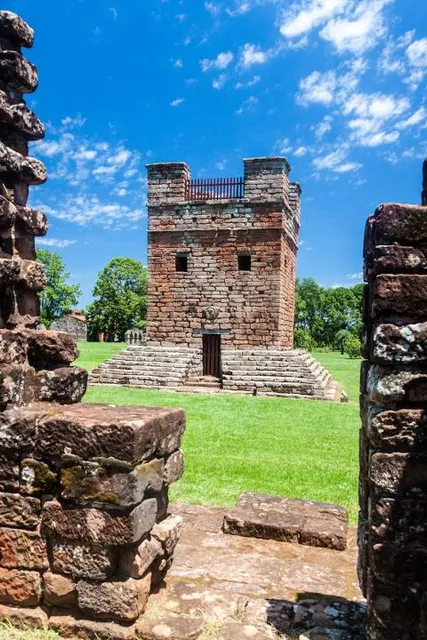
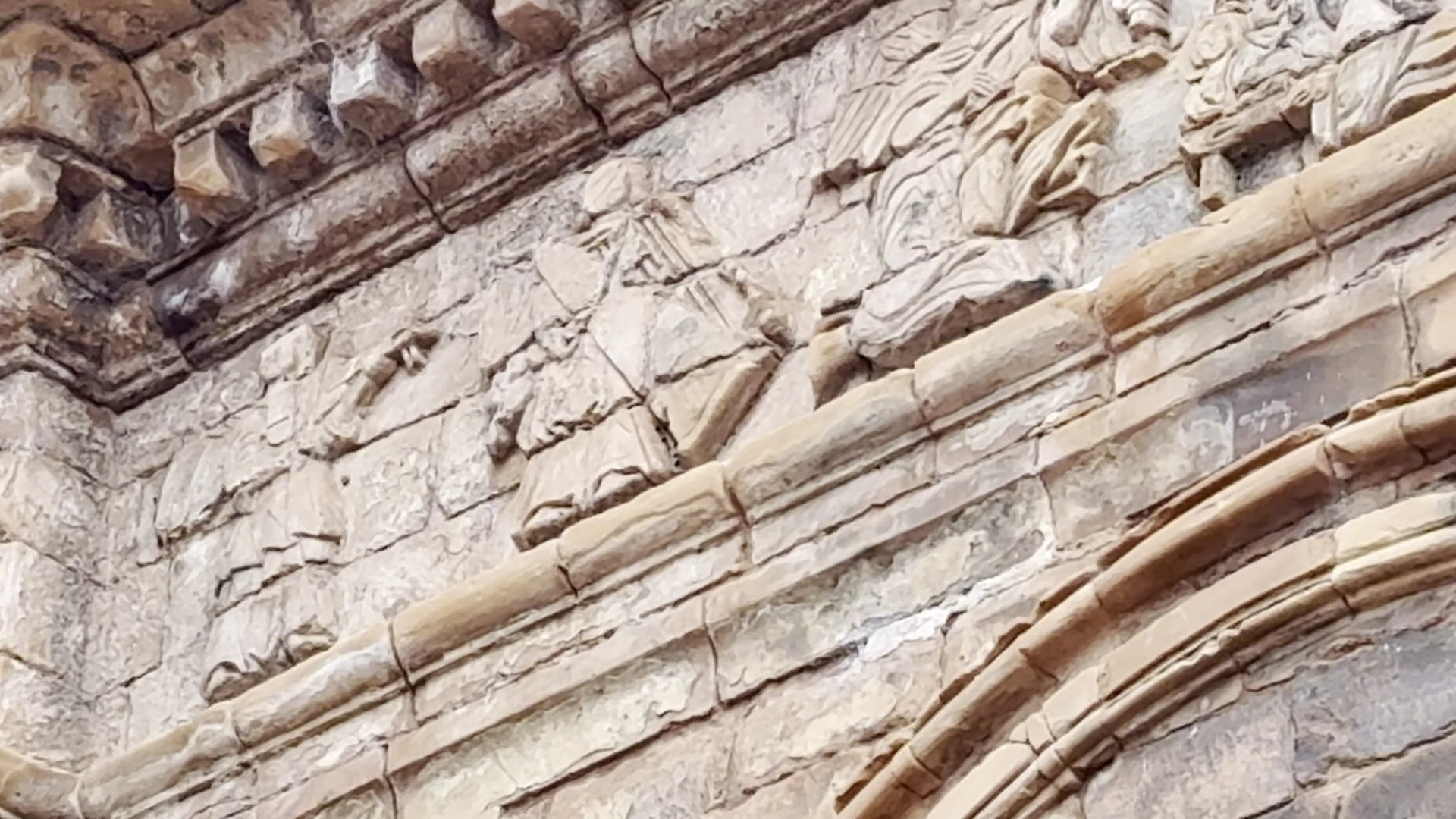
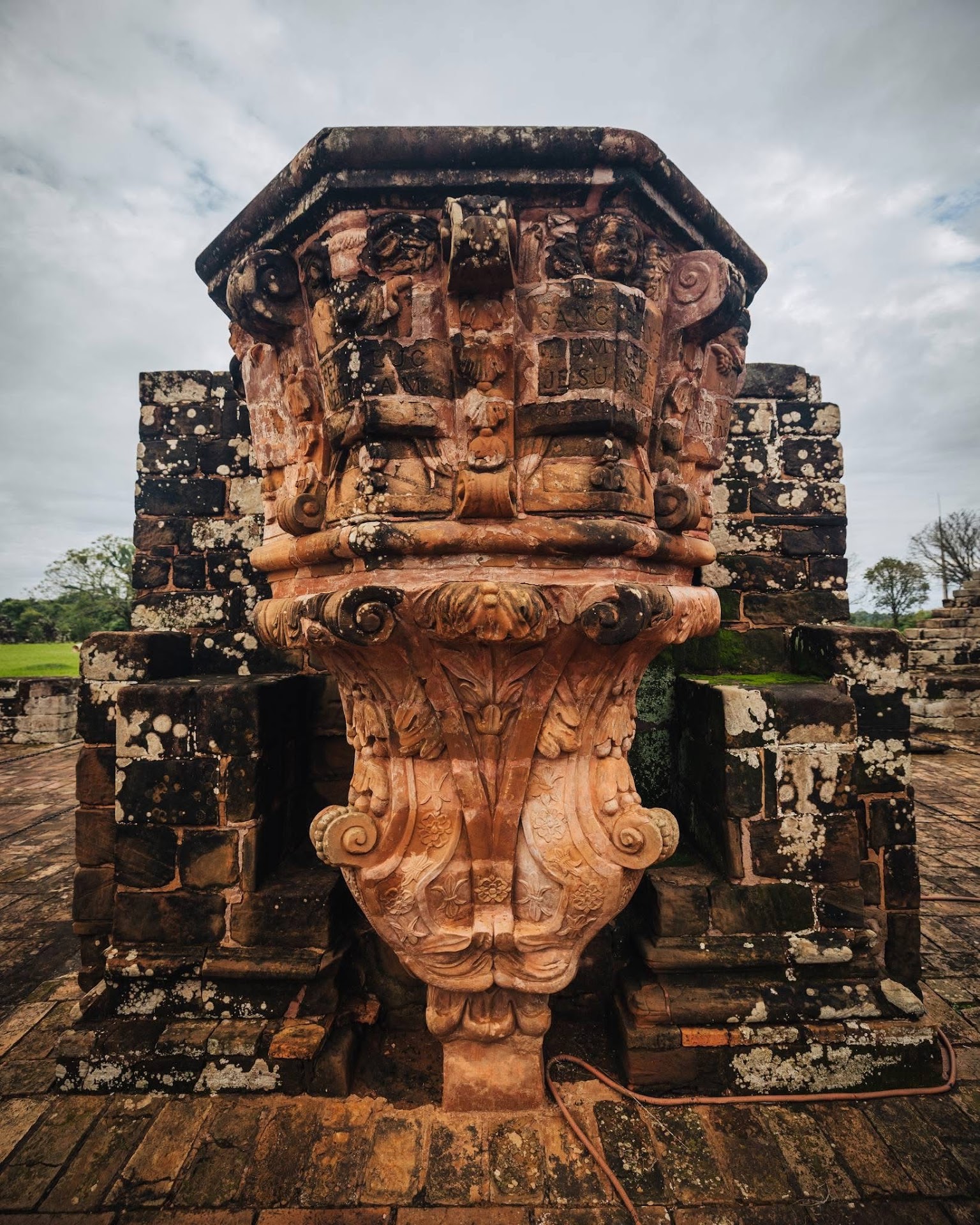
The site itself is expansive and well restored. We explored the imposing stone church, cloisters, main plaza, bell tower, second church, and rows of “Indian houses.” Each section brought to life the scale and vision of the reductions. The open grounds stretch wide, giving a sense of the mission’s former vitality.
Practical notes: when we visited, the temperature was just 52°F with wind and damp air, and it felt much colder. The open fields mean the chill bites harder, especially after rain. A jacket and good walking shoes are highly recommended, as the grass can be wet and the terrain slightly uneven.
In daylight, the ruins reveal both their grandeur and humanity — more than stones, they tell a story of cultural fusion, resilience, and the Jesuit vision of a just community. Truly a must-see UNESCO World Heritage site...
Read more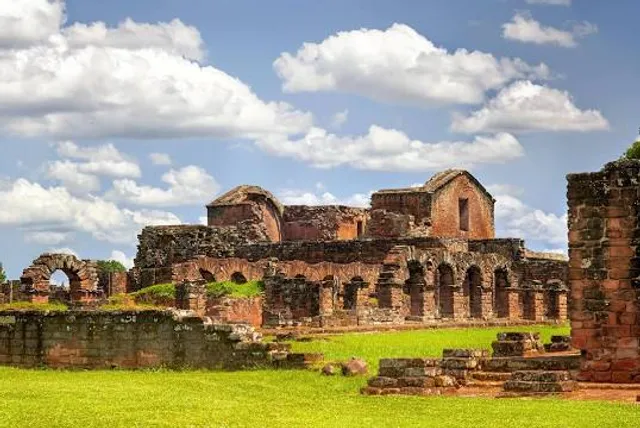
 Learn more insights from Wanderboat AI.