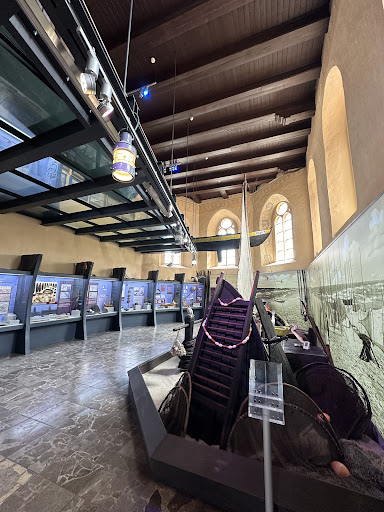
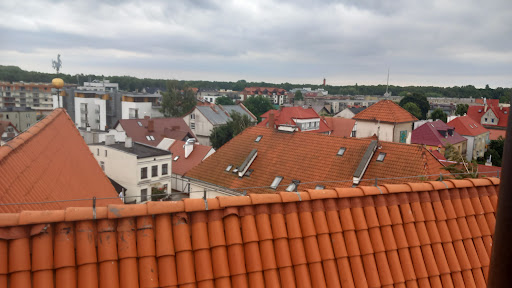
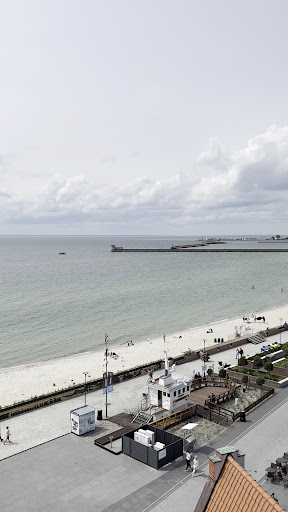
Fisheries Museum. Branch of the National Maritime Museum things to do, attractions, restaurants, events info and trip planning
Basic Info
Fisheries Museum. Branch of the National Maritime Museum
Bulwar Nadmorski 2, 84-150 Hel, Poland
4.6(724)
Closed
Save
spot
spot
Ratings & Description
Info
Cultural
Family friendly
Accessibility
attractions: Fokarium Stacji Morskiej im. Prof. Krzysztofa Skóry, Dune Park, Biuro D-Day Hel "Żywej lekcji historii", Dom Morświna w Helu, Hel lighthouse, restaurants: , local businesses: Ulica Wiejska
 Learn more insights from Wanderboat AI.
Phone
+48 58 675 05 52
Website
nmm.pl
Open hoursSee all hours
Thu10 AM - 4 PMClosed
Plan your stay

Pet-friendly Hotels in Hel
Find a cozy hotel nearby and make it a full experience.

Affordable Hotels in Hel
Find a cozy hotel nearby and make it a full experience.

The Coolest Hotels You Haven't Heard Of (Yet)
Find a cozy hotel nearby and make it a full experience.

Trending Stays Worth the Hype in Hel
Find a cozy hotel nearby and make it a full experience.
Reviews
Live events
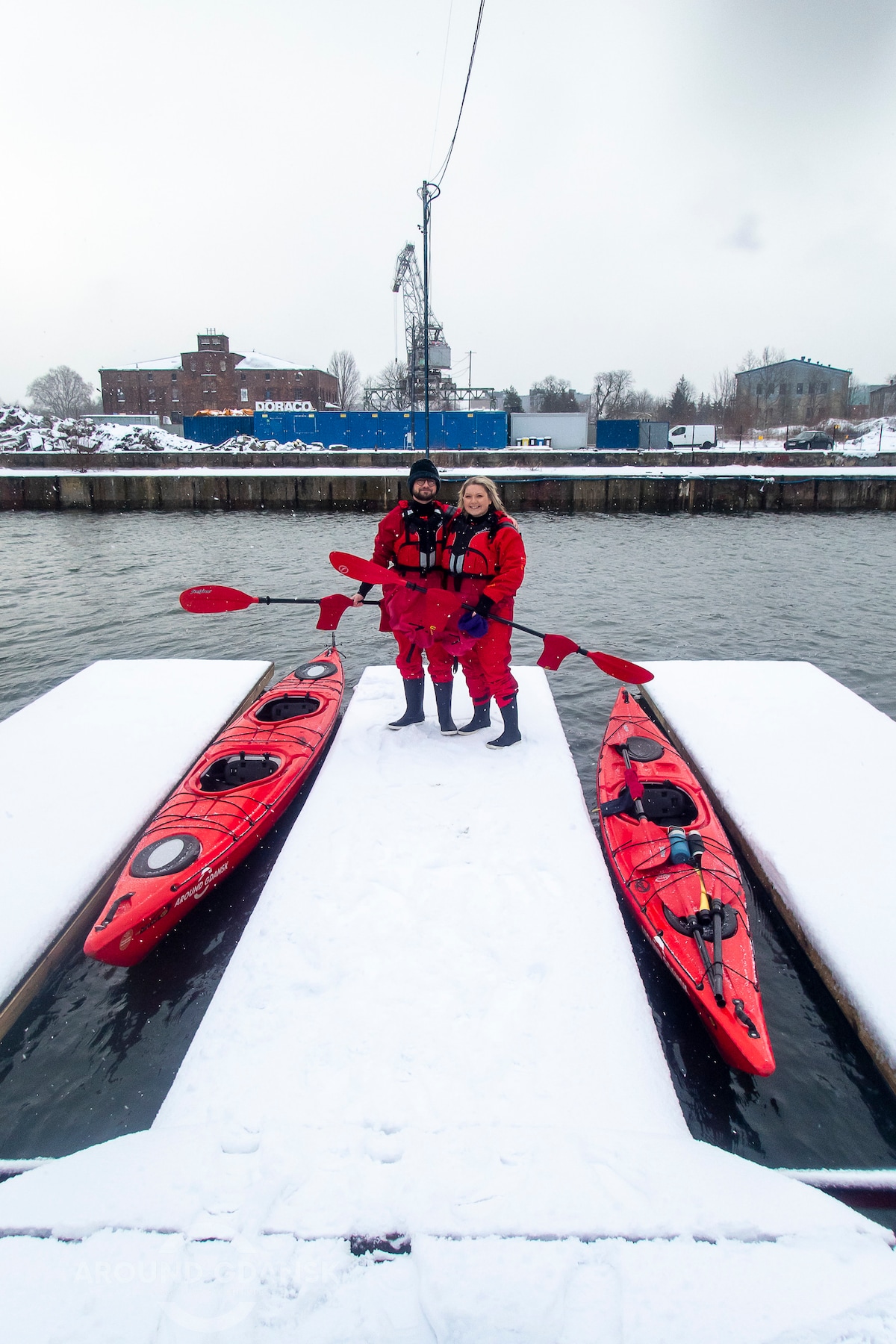
Explore Gdansk by kayak – Winter Edition
Thu, Jan 29 • 11:00 AM
80-863, Gdańsk, Pomeranian Voivodeship, Poland
View details
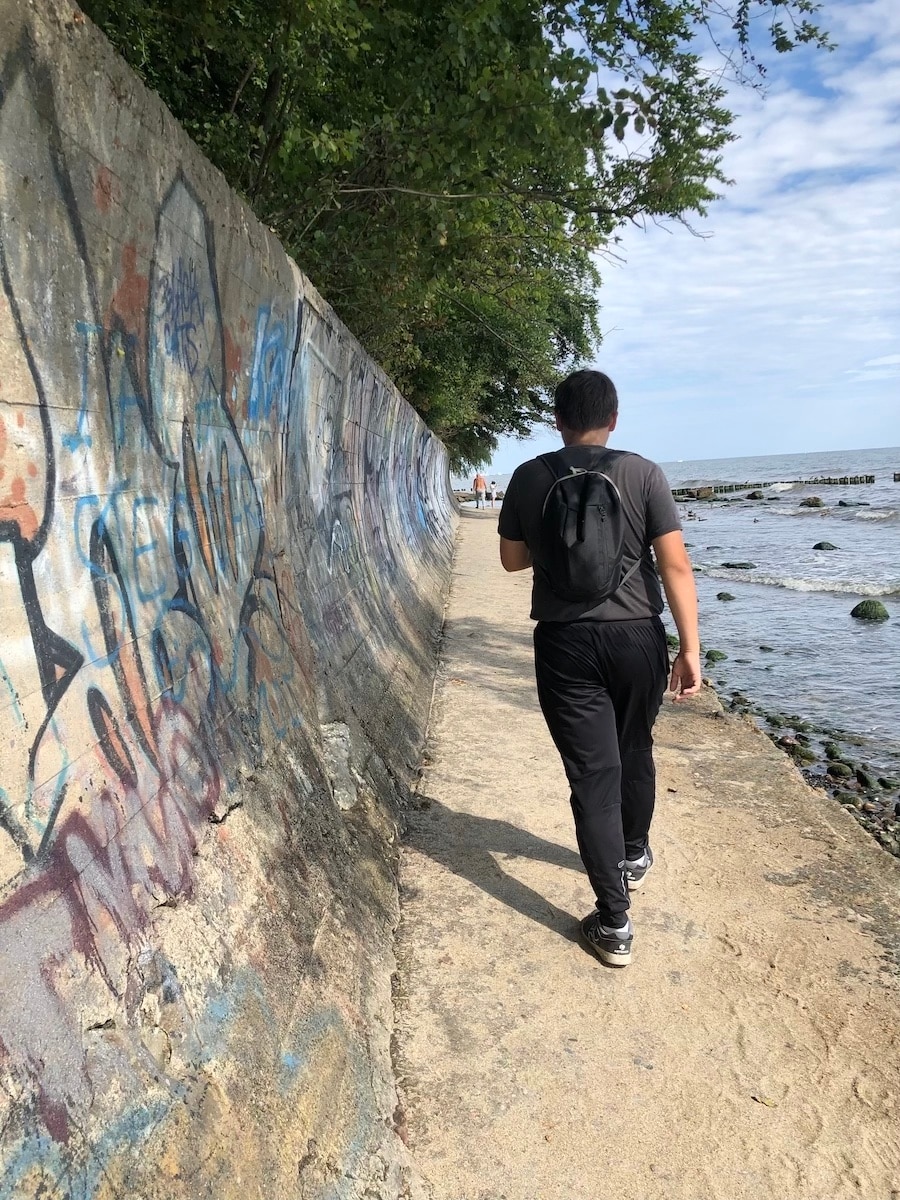
Gdynia Walking Tour
Mon, Feb 2 • 2:00 PM
81-547, Gdynia, Pomeranian Voivodeship, Poland
View details
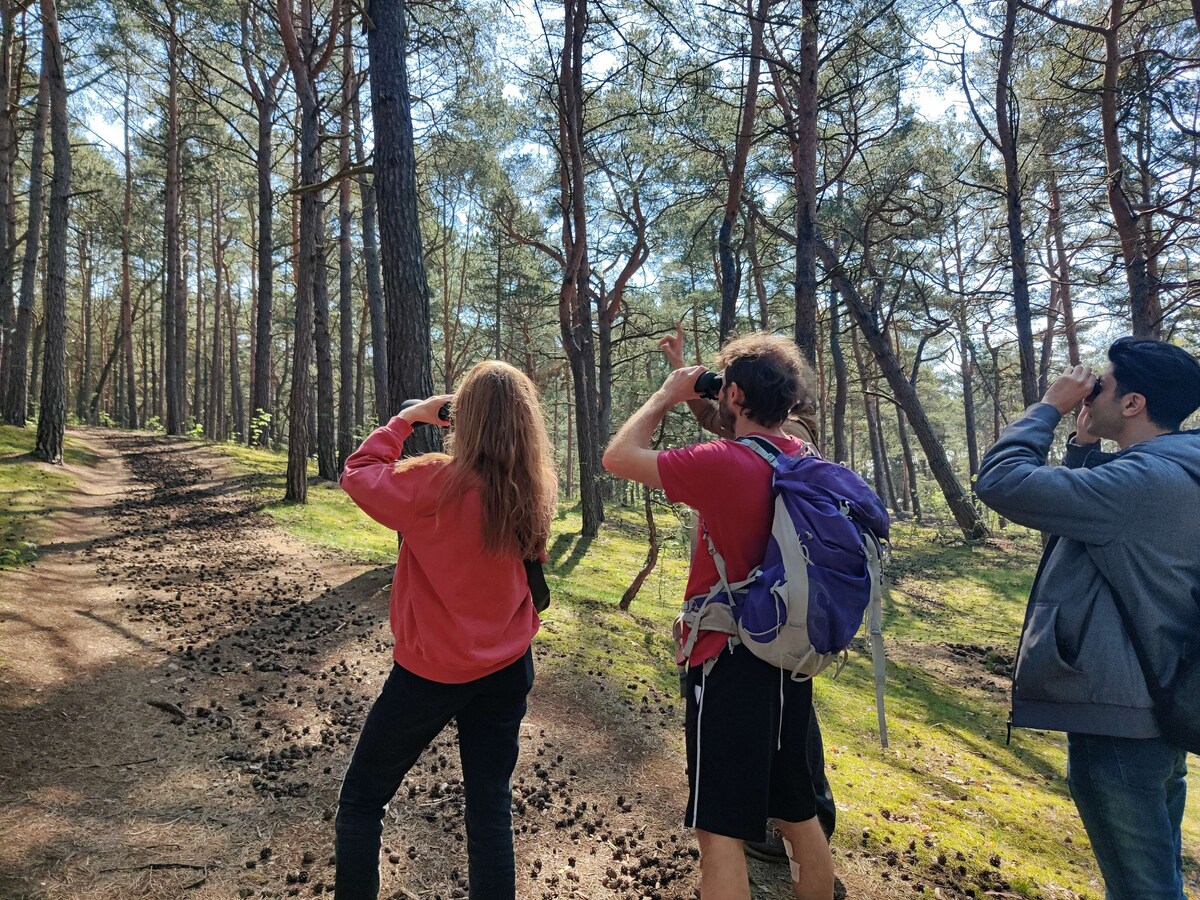
Nature Walk and Wildlife Tour in Sobieszewo Island
Tue, Feb 3 • 8:30 AM
80-680, Gdańsk, Pomeranian Voivodeship, Poland
View details
Nearby attractions of Fisheries Museum. Branch of the National Maritime Museum
Fokarium Stacji Morskiej im. Prof. Krzysztofa Skóry
Dune Park
Biuro D-Day Hel "Żywej lekcji historii"
Dom Morświna w Helu
Hel lighthouse
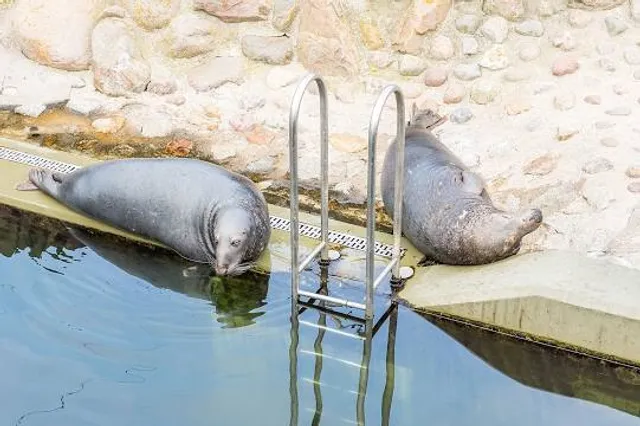
Fokarium Stacji Morskiej im. Prof. Krzysztofa Skóry
4.4
(6.2K)
Closed
Click for details
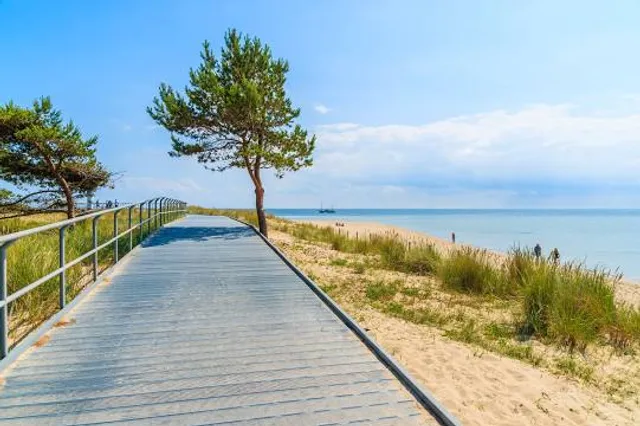
Dune Park
4.7
(464)
Open until 12:00 AM
Click for details
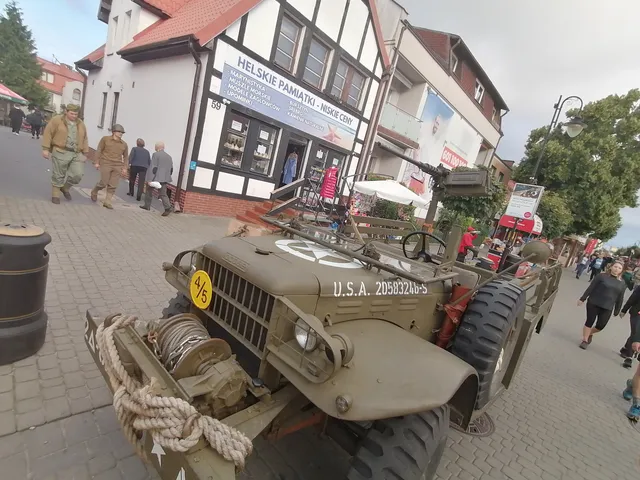
Biuro D-Day Hel "Żywej lekcji historii"
4.8
(12)
Open 24 hours
Click for details
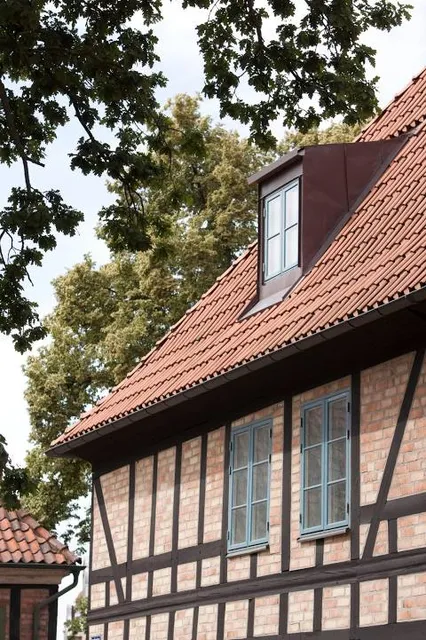
Dom Morświna w Helu
4.7
(254)
Closed
Click for details
Nearby local services of Fisheries Museum. Branch of the National Maritime Museum
Ulica Wiejska
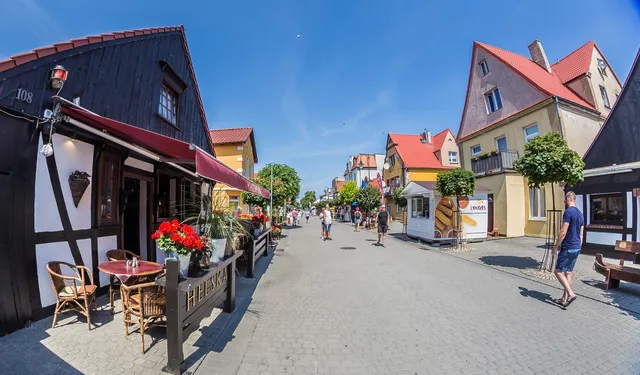
Ulica Wiejska
4.9
(23)
Click for details