HTML SitemapExplore
logo
Find Things to DoFind The Best Restaurants

Museum of King Jan III's Palace at Wilanów — Attraction in Warsaw

Name
Museum of King Jan III's Palace at Wilanów
Description
The Museum of King John III's Palace at Wilanów is a museum in Warsaw, Poland considered to be one of the oldest in the country and the repository of the country's royal and artistic heritage.
Nearby attractions
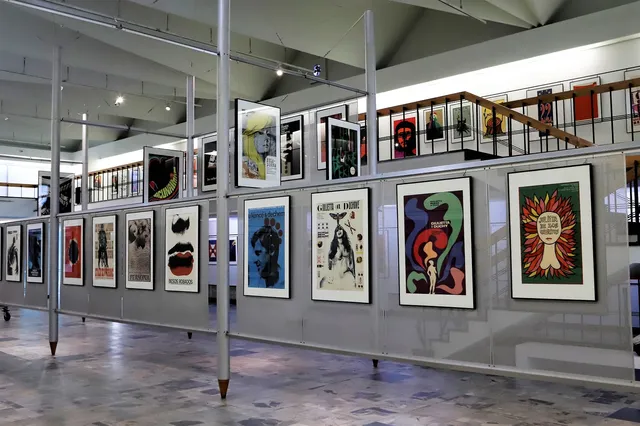
Poster Museum, Wilanów
Stanisława Kostki Potockiego 10/16, 02-958 Warszawa, Poland
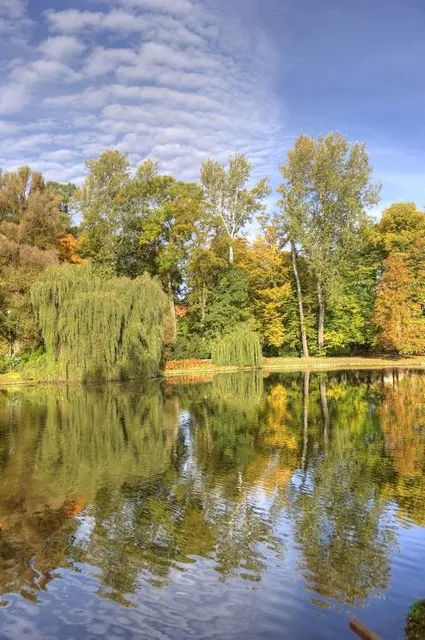
Wilanów Park
02-958 Warsaw, Poland
Belfry at St. Anne in Wilanow
Kolegiacka 1, 02-946 Warszawa, Poland
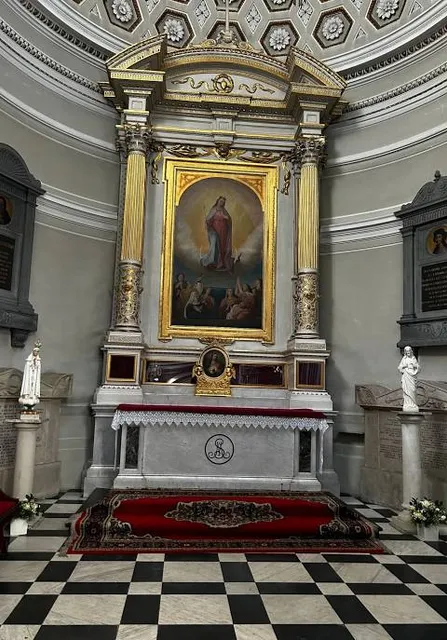
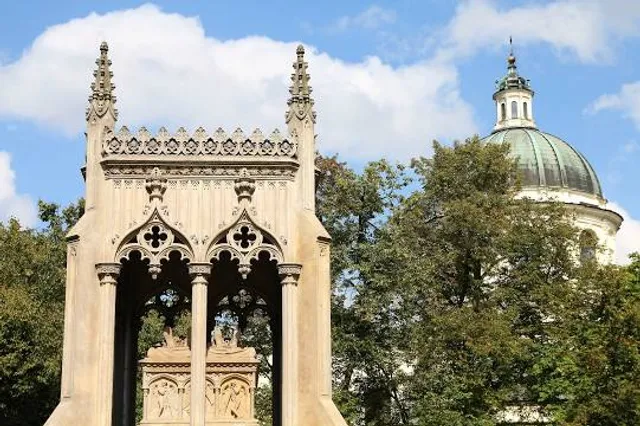
Potocki Mausoleum
Stanisława Kostki Potockiego, 02-958 Warszawa, Poland
Nearby restaurants
Kuźnia Kulturalna
Stanisława Kostki Potockiego 24, 02-958 Warszawa, Poland
Milanovo
Stanisława Kostki Potockiego 24G, 02-958 Warszawa, Poland
Restauracja Wilanów
Stanisława Kostki Potockiego 27, 02-958 Warszawa, Poland
Bajgle i Bąble
Stanisława Kostki Potockiego 24, 02-958 Warszawa, Poland
Villa22 Food / Art / Friends
Stanisława Kostki Potockiego 22, 02-958 Warszawa, Poland
Akiyama
Stanisława Kostki Potockiego 24a, 02-958 Warszawa, Poland
Trattoria Rucola
Franciszka Klimczaka 1, 02-797 Warszawa, Poland
Ye Ye
Franciszka Klimczaka 1, 02-797 Warszawa, Poland
NAMA sushi bar & lounge
Franciszka Klimczaka 1, 02-797 Warszawa, Poland
Neapolis
Franciszka Klimczaka 1, 02-797 Warszawa, Poland
Related posts
Keywords
Museum of King Jan III's Palace at Wilanów tourism.Museum of King Jan III's Palace at Wilanów hotels.Museum of King Jan III's Palace at Wilanów bed and breakfast. flights to Museum of King Jan III's Palace at Wilanów.Museum of King Jan III's Palace at Wilanów attractions.Museum of King Jan III's Palace at Wilanów restaurants.Museum of King Jan III's Palace at Wilanów travel.Museum of King Jan III's Palace at Wilanów travel guide.Museum of King Jan III's Palace at Wilanów travel blog.Museum of King Jan III's Palace at Wilanów pictures.Museum of King Jan III's Palace at Wilanów photos.Museum of King Jan III's Palace at Wilanów travel tips.Museum of King Jan III's Palace at Wilanów maps.Museum of King Jan III's Palace at Wilanów things to do.
Museum of King Jan III's Palace at Wilanów things to do, attractions, restaurants, events info and trip planning
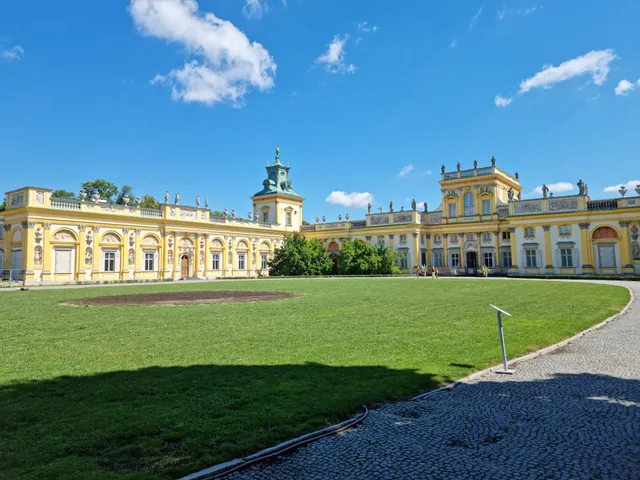
Museum of King Jan III's Palace at Wilanów
PolandMasovian VoivodeshipWarsawMuseum of King Jan III's Palace at Wilanów

Basic Info

Museum of King Jan III's Palace at Wilanów

Stanisława Kostki Potockiego 10/16, 02-958 Warszawa, Poland
4.7(11.6K)
Open 24 hours
Save
spot

Ratings & Description

Info

The Museum of King John III's Palace at Wilanów is a museum in Warsaw, Poland considered to be one of the oldest in the country and the repository of the country's royal and artistic heritage.

Cultural
Scenic
Outdoor
Family friendly
Accessibility
attractions: Poster Museum, Wilanów, Wilanów Park, Belfry at St. Anne in Wilanow, Potocki Mausoleum, restaurants: Kuźnia Kulturalna, Milanovo, Restauracja Wilanów, Bajgle i Bąble, Villa22 Food / Art / Friends, Akiyama, Trattoria Rucola, Ye Ye, NAMA sushi bar & lounge, Neapolis
logoLearn more insights from Wanderboat AI.
Phone
+48 22 544 27 00
Website
wilanow-palac.pl

Plan your stay

hotel
Pet-friendly Hotels in Warsaw
Find a cozy hotel nearby and make it a full experience.

hotel
Affordable Hotels in Warsaw
Find a cozy hotel nearby and make it a full experience.

hotel
The Coolest Hotels You Haven't Heard Of (Yet)
Find a cozy hotel nearby and make it a full experience.

hotel
Trending Stays Worth the Hype in Warsaw
Find a cozy hotel nearby and make it a full experience.

Reviews

Nearby attractions of Museum of King Jan III's Palace at Wilanów

Poster Museum, Wilanów

Wilanów Park

Belfry at St. Anne in Wilanow

Potocki Mausoleum

Poster Museum, Wilanów

Poster Museum, Wilanów

4.5

(190)

Open 24 hours
Click for details
Wilanów Park

Wilanów Park

4.7

(235)

Open 24 hours
Click for details
Belfry at St. Anne in Wilanow

Belfry at St. Anne in Wilanow

4.6

(210)

Open 24 hours
Click for details
Potocki Mausoleum

Potocki Mausoleum

4.8

(101)

Open 24 hours
Click for details

Things to do nearby

Warsaw Old Town and more with Antek and Tomek
Fri, Dec 5 • 10:30 AM
01-195, Warsaw, Masovian Voivodeship, Poland
View details
Historic Heart of Warsaw
Sun, Dec 7 • 10:00 AM
00-277, Warsaw, Masovian Voivodeship, Poland
View details
Discover Jewish Warsaw
Sun, Dec 7 • 2:00 PM
00-820, Warsaw, Masovian Voivodeship, Poland
View details

Nearby restaurants of Museum of King Jan III's Palace at Wilanów

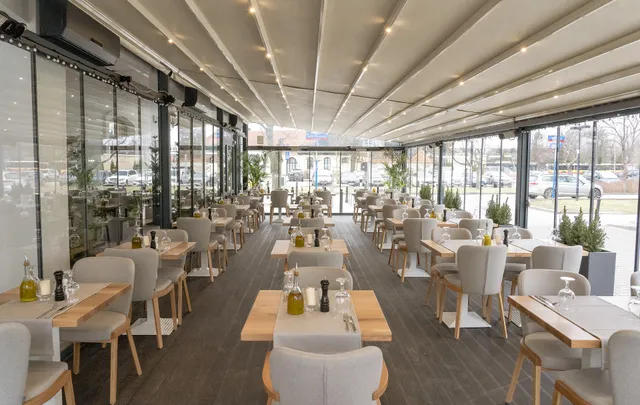
Kuźnia Kulturalna

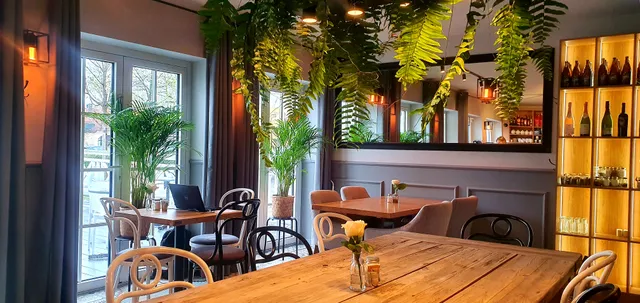
Milanovo

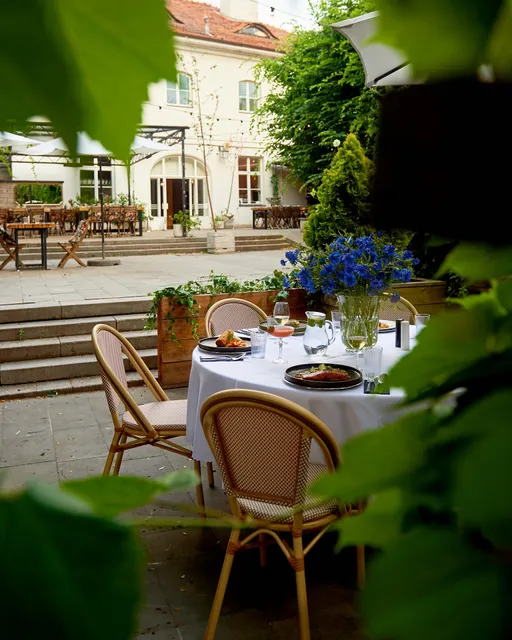
Restauracja Wilanów

Bajgle i Bąble

Villa22 Food / Art / Friends

Akiyama

Trattoria Rucola

Ye Ye

NAMA sushi bar & lounge

Neapolis
Kuźnia Kulturalna

Kuźnia Kulturalna

4.5

(1.4K)

$$$

Click for details
Milanovo

Milanovo

4.4

(1.9K)

$$

Closed
Click for details
Restauracja Wilanów

Restauracja Wilanów

4.2

(482)

$$

Closed
Click for details
Bajgle i Bąble

Bajgle i Bąble

4.6

(271)

$

Click for details
Get the Appoverlay
Get the AppOne tap to find yournext favorite spots!
Wanderboat LogoWanderboat

Your everyday Al companion for getaway ideas

CompanyAbout Us
InformationAI Trip PlannerSitemap
SocialXInstagramTiktokLinkedin
LegalTerms of ServicePrivacy Policy

Get the app

© 2025 Wanderboat. All rights reserved.
logo

Reviews of Museum of King Jan III's Palace at Wilanów

4.7
(11,550)
avatar
5.0
13w

Yesterday I visited Wilanów Palace with my family, and it truly felt like a journey back in time – to the age of King Jan III Sobieski and the late 17th century.

Our guide gave us a fascinating introduction to the palace’s origins. Jan III, elected king from his hometown Żółkiew near Lviv, never enjoyed living in Warsaw’s Royal Castle. Instead, he expanded a former hunting manor in Milanów, transforming it into his beloved residence. He named it Villa Nova (“new town”), which over time became Wilanów.

The palace was built in the Baroque style, in the same spirit as Louis XIV’s Versailles. Jan III and his wife, Queen Maria Kazimiera d’Arquien (“Marysieńka”), were deeply inspired by French culture – they spoke French at home, and Marysieńka herself was raised in France until the age of four before coming to Poland. She had first been married to Jan Zamoyski, and after his death became the wife of Sobieski.

Wilanów is above all the residence of the victor of Vienna (1683). The king dreamed of establishing a dynasty for his children – something reflected in the symbolic family portraits preserved in the palace. In one painting, Marysieńka appears with her children, accompanied by a lion (Sobieski’s power and courage), a dolphin (the heir, symbol of succession), and an eagle (the majesty of the Polish Commonwealth). Together, these elements conveyed the idea of continuity and dynastic ambition, even though in Poland the throne was not hereditary but elective. After Jan III’s death, Marysieńka was forced to leave the country with her children, as the Saxon Wettin dynasty secured the crown.

The palace later passed into the hands of powerful noble families such as the Sieniawskas and Potockis, and remarkably survived both the partitions of Poland and even the Second World War. During the German occupation, Hungarian allied troops were stationed in the palace, which spared it from the destruction that devastated most of Warsaw.

The guide also reminded us how harsh the 17th century was for the Polish-Lithuanian Commonwealth: wars raged almost without pause (supposedly only 100 days of the entire century were free of fighting), and a cooling climate even froze the Baltic Sea, allowing Swedish troops to march across the ice during the infamous Deluge.

Our visit to Wilanów was not only a beautiful walk through a Baroque residence but also a history lesson – filled with stories of the king, the queen, their dynastic hopes, and the turbulent fate of the Commonwealth. This place truly allows you to feel the spirit of old Poland and its...

   Read more
avatar
2.0
39w

Be careful/ wary if you have a pram or need disabled access to the Palace. We had a really bad experience with rude, unhelpful and obstructive staff. The first three individuals sitting inside in view of the disabled access door studiously ignored us (thinking we had come to the wrong entrance when we had not) and scrolled their phones until eventually reluctantly gesturing to me (although not helping at all to solve our problem, plus what they were saying was incorrect as they had not bother checking what was actually happening). Then the next person was really unhelpful, albeit polite, and the other two were downright rude. They made all manner of excuses, tried to shame us into leaving a small baby's pram outside on a freezing, wet day (how can one expect people to put a small baby back into a wet, snowy pram?!) and eventually they said we could not enter, despite us being well within 15 minutes of the entry time on our ticket. I think because they couldn't be bothered on a cold, rainy day and they wanted to go home. So disappointing. Being used to having to persevere to enter places, I tried to explain multiple times - with varying degrees of exasperation - but the staff were rude and made out I was being ridiculous, when it was all entirely unnecessary and I was not asking for anything that would have jeopardised a very precious palace at all (we would have been happy to leave the pram in any dry place eg their cafe, a store cupboard, any cupboard or cranny that we could have carried it to without it touching any carpet/ affecting the building at all!!).

The gardens are beautiful and the palace is beautiful from the...

   Read more
avatar
3.0
31w

The museum is nice, however the management needs to visit it, as a tourist, too :) just to feel the vibe. All the workers look EXTREMELY unmotivated and unhappy, sometimes almost angry. Why? Don’t like the place? There are many other museums. Tired? There are many other people who would love to work there.

(!!!) museum’s management, PLEASE check the exhibition.

Etiquettes with “WL 307” hanging over the kings face are disrespectful and tasteless. Just visit other museums and check the way information is presented.

Cards with the list of historical objects is hard to read, spot and non-efficient.

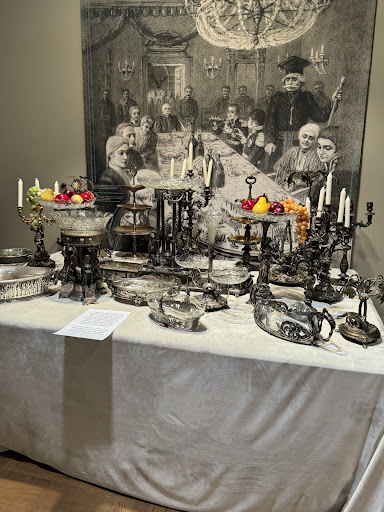
The locked room with silver dishes and glass bottles looks messy and brings zero value to visitors. As it again has this tasteless, horrid etiquettes and many objects are too messy arranged inside the room, you may see only the front shelves.

Pictures on the top floor’s narrow corridor are in a horrible lighting and the person who was hanging them has zero art understanding. One picture is small and needs to be looked at from the close distance, then you step behind 2 steps, trying to find the corner where this poorly installed light would present the picture in a beneficial way, then again back to the next small to follow the sport exercises of stepping back again to view the big one. All the corridor long forward and back 😁 Next hall, one Dutch picture of Diana is damaged in the “lips area”.

It was suffocating, it had little signs for visitors, rooms were also not marked/ signed.

There is plenty of space to nicely organise the place making it both educational and nice experience.

And please, put smiles on your...

   Read more
Page 1 of 7
Previous
Next

Posts

Your browser does not support the video tag.
go2warsawgo2warsaw
✨️👑✨️ Visit the Wilanów Palace in Warsaw and feel the fairytale magic of the Royal Garden of Lights. It is a perfect winter attraction for families with children and romantic couples alike. Looking for a Valentine's Day destination? It's the one ☺️ Nearby, you will find stylish restaurants and cafés with hot chocolate 😋 Enjoy! #DiscoverWarsaw #wilanowpalace #pałacwwilanowie #gardenoflight #warsawpoland #visitpoland
Your browser does not support the video tag.
mindfultravelmindfultravel
VARSOVIA en un fin de semana 🔐 ¡Guárdalo si vas a visitar la capital de #Polonia! 🇵🇱 ⠀ ⠀ DÍA 1⠀ ✔️Ciudad Vieja (Castillo Real, torre de la iglesia de San Anny, Plaza del Mercado, Catedral de San Juan, plaza de los Canónigos).⠀ ✔️Ciudad Nueva (Barbacana, Casa-Museo de Marie Curie, Plaza de la Ciudad Nueva).⠀ ✔️Ruta Real (desde el Castillo Real, pasando por el Palacio Presidencial, la Iglesia de la Santa Cruz, Monumento a Nicolás Copérnico, los Jardines de Łazienki).⠀ ✔️Museo de Chopin.⠀ ⠀ DÍA 2⠀ ✔️Palacio de Wilanów (parada final de la Ruta Real y conocido como el "Versalles polaco").⠀ ✔️Barrio de Praga.⠀ ✔️Museo POLIN (Museo de la Historia de los Judíos Polacos).⠀ ✔️Palacio de la Cultura y la Ciencia, uno de los edificios más altos de Polonia.⠀ ⠀ ¿Está en tus planes visitar #Varsovia? 📸 Es una ciudad perfecta para descubrir en un fin de semana o un puente, y una de las más bonitas de Polonia. ⠀ ⠀ 👉 ¡Sígueme en @mindfultravel para más tips de viajes e inspiración viajera!⠀ ⠀ ⠀ ⠀ #PolandainSummer #PoloniaTravel #VisitPoland #travelpoland #ilovepoland #lovespoland #polandisbeautiful #beautifulpoland #igerspolska #polandgrams #bestofpoland #travelreels #reelsinstagram #reelsvideo #reelsviral #tipsviajeros #viajes2022 #destinos2022 #viajaresvivir #amoviajar #WarsawPoland #WarsawLovers #WarsawOldTown
Jan MajkowskiJan Majkowski
Yesterday I visited Wilanów Palace with my family, and it truly felt like a journey back in time – to the age of King Jan III Sobieski and the late 17th century. Our guide gave us a fascinating introduction to the palace’s origins. Jan III, elected king from his hometown Żółkiew near Lviv, never enjoyed living in Warsaw’s Royal Castle. Instead, he expanded a former hunting manor in Milanów, transforming it into his beloved residence. He named it Villa Nova (“new town”), which over time became Wilanów. The palace was built in the Baroque style, in the same spirit as Louis XIV’s Versailles. Jan III and his wife, Queen Maria Kazimiera d’Arquien (“Marysieńka”), were deeply inspired by French culture – they spoke French at home, and Marysieńka herself was raised in France until the age of four before coming to Poland. She had first been married to Jan Zamoyski, and after his death became the wife of Sobieski. Wilanów is above all the residence of the victor of Vienna (1683). The king dreamed of establishing a dynasty for his children – something reflected in the symbolic family portraits preserved in the palace. In one painting, Marysieńka appears with her children, accompanied by a lion (Sobieski’s power and courage), a dolphin (the heir, symbol of succession), and an eagle (the majesty of the Polish Commonwealth). Together, these elements conveyed the idea of continuity and dynastic ambition, even though in Poland the throne was not hereditary but elective. After Jan III’s death, Marysieńka was forced to leave the country with her children, as the Saxon Wettin dynasty secured the crown. The palace later passed into the hands of powerful noble families such as the Sieniawskas and Potockis, and remarkably survived both the partitions of Poland and even the Second World War. During the German occupation, Hungarian allied troops were stationed in the palace, which spared it from the destruction that devastated most of Warsaw. The guide also reminded us how harsh the 17th century was for the Polish-Lithuanian Commonwealth: wars raged almost without pause (supposedly only 100 days of the entire century were free of fighting), and a cooling climate even froze the Baltic Sea, allowing Swedish troops to march across the ice during the infamous Deluge. Our visit to Wilanów was not only a beautiful walk through a Baroque residence but also a history lesson – filled with stories of the king, the queen, their dynastic hopes, and the turbulent fate of the Commonwealth. This place truly allows you to feel the spirit of old Poland and its role in Europe.
See more posts
See more posts
hotel
Find your stay

Pet-friendly Hotels in Warsaw

Find a cozy hotel nearby and make it a full experience.

✨️👑✨️ Visit the Wilanów Palace in Warsaw and feel the fairytale magic of the Royal Garden of Lights. It is a perfect winter attraction for families with children and romantic couples alike. Looking for a Valentine's Day destination? It's the one ☺️ Nearby, you will find stylish restaurants and cafés with hot chocolate 😋 Enjoy! #DiscoverWarsaw #wilanowpalace #pałacwwilanowie #gardenoflight #warsawpoland #visitpoland
go2warsaw

go2warsaw

hotel
Find your stay

Affordable Hotels in Warsaw

Find a cozy hotel nearby and make it a full experience.

Get the Appoverlay
Get the AppOne tap to find yournext favorite spots!
VARSOVIA en un fin de semana 🔐 ¡Guárdalo si vas a visitar la capital de #Polonia! 🇵🇱 ⠀ ⠀ DÍA 1⠀ ✔️Ciudad Vieja (Castillo Real, torre de la iglesia de San Anny, Plaza del Mercado, Catedral de San Juan, plaza de los Canónigos).⠀ ✔️Ciudad Nueva (Barbacana, Casa-Museo de Marie Curie, Plaza de la Ciudad Nueva).⠀ ✔️Ruta Real (desde el Castillo Real, pasando por el Palacio Presidencial, la Iglesia de la Santa Cruz, Monumento a Nicolás Copérnico, los Jardines de Łazienki).⠀ ✔️Museo de Chopin.⠀ ⠀ DÍA 2⠀ ✔️Palacio de Wilanów (parada final de la Ruta Real y conocido como el "Versalles polaco").⠀ ✔️Barrio de Praga.⠀ ✔️Museo POLIN (Museo de la Historia de los Judíos Polacos).⠀ ✔️Palacio de la Cultura y la Ciencia, uno de los edificios más altos de Polonia.⠀ ⠀ ¿Está en tus planes visitar #Varsovia? 📸 Es una ciudad perfecta para descubrir en un fin de semana o un puente, y una de las más bonitas de Polonia. ⠀ ⠀ 👉 ¡Sígueme en @mindfultravel para más tips de viajes e inspiración viajera!⠀ ⠀ ⠀ ⠀ #PolandainSummer #PoloniaTravel #VisitPoland #travelpoland #ilovepoland #lovespoland #polandisbeautiful #beautifulpoland #igerspolska #polandgrams #bestofpoland #travelreels #reelsinstagram #reelsvideo #reelsviral #tipsviajeros #viajes2022 #destinos2022 #viajaresvivir #amoviajar #WarsawPoland #WarsawLovers #WarsawOldTown
mindfultravel

mindfultravel

hotel
Find your stay

The Coolest Hotels You Haven't Heard Of (Yet)

Find a cozy hotel nearby and make it a full experience.

hotel
Find your stay

Trending Stays Worth the Hype in Warsaw

Find a cozy hotel nearby and make it a full experience.

Yesterday I visited Wilanów Palace with my family, and it truly felt like a journey back in time – to the age of King Jan III Sobieski and the late 17th century. Our guide gave us a fascinating introduction to the palace’s origins. Jan III, elected king from his hometown Żółkiew near Lviv, never enjoyed living in Warsaw’s Royal Castle. Instead, he expanded a former hunting manor in Milanów, transforming it into his beloved residence. He named it Villa Nova (“new town”), which over time became Wilanów. The palace was built in the Baroque style, in the same spirit as Louis XIV’s Versailles. Jan III and his wife, Queen Maria Kazimiera d’Arquien (“Marysieńka”), were deeply inspired by French culture – they spoke French at home, and Marysieńka herself was raised in France until the age of four before coming to Poland. She had first been married to Jan Zamoyski, and after his death became the wife of Sobieski. Wilanów is above all the residence of the victor of Vienna (1683). The king dreamed of establishing a dynasty for his children – something reflected in the symbolic family portraits preserved in the palace. In one painting, Marysieńka appears with her children, accompanied by a lion (Sobieski’s power and courage), a dolphin (the heir, symbol of succession), and an eagle (the majesty of the Polish Commonwealth). Together, these elements conveyed the idea of continuity and dynastic ambition, even though in Poland the throne was not hereditary but elective. After Jan III’s death, Marysieńka was forced to leave the country with her children, as the Saxon Wettin dynasty secured the crown. The palace later passed into the hands of powerful noble families such as the Sieniawskas and Potockis, and remarkably survived both the partitions of Poland and even the Second World War. During the German occupation, Hungarian allied troops were stationed in the palace, which spared it from the destruction that devastated most of Warsaw. The guide also reminded us how harsh the 17th century was for the Polish-Lithuanian Commonwealth: wars raged almost without pause (supposedly only 100 days of the entire century were free of fighting), and a cooling climate even froze the Baltic Sea, allowing Swedish troops to march across the ice during the infamous Deluge. Our visit to Wilanów was not only a beautiful walk through a Baroque residence but also a history lesson – filled with stories of the king, the queen, their dynastic hopes, and the turbulent fate of the Commonwealth. This place truly allows you to feel the spirit of old Poland and its role in Europe.
Jan Majkowski

Jan Majkowski

See more posts
See more posts