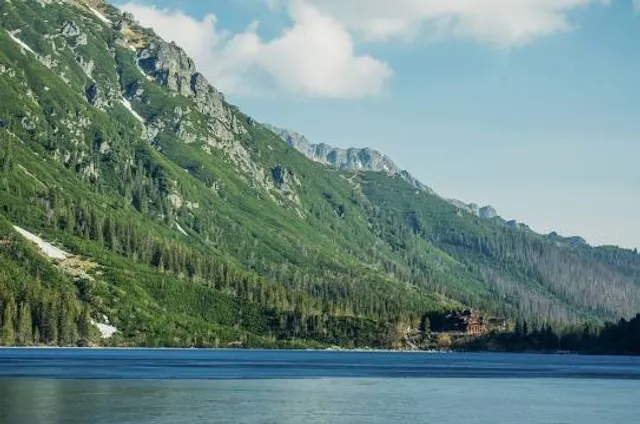
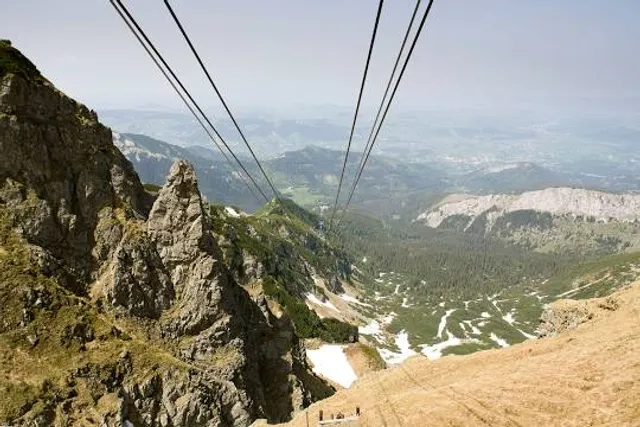
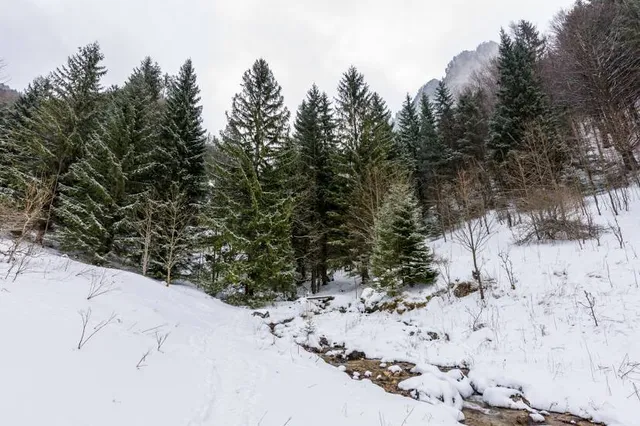
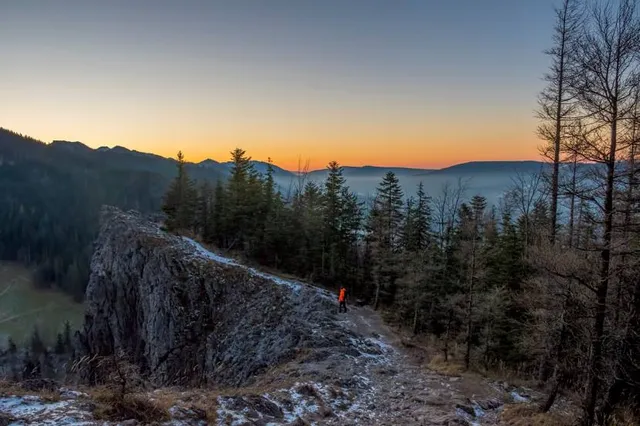
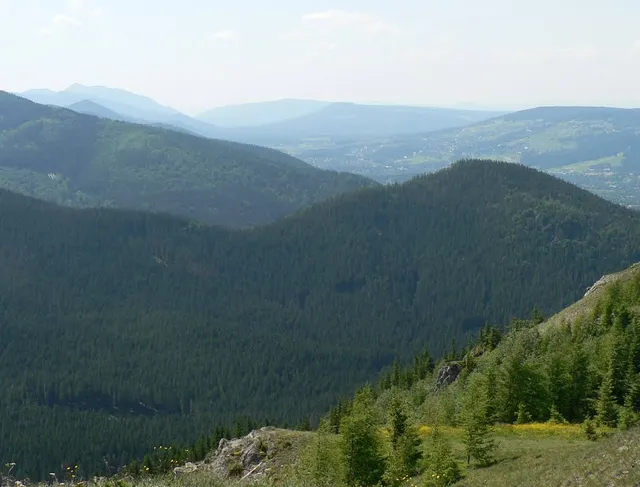
Tatra National Park is a breathtaking destination and a paradise for nature lovers and outdoor enthusiasts. Located in the majestic Tatra Mountains, this park offers a variety of trails that make it a dream spot for hikers of all skill levels. From leisurely walks through scenic valleys to challenging ascents to high-altitude peaks, there’s something for everyone. The stunning landscapes include lush forests, cascading waterfalls, and crystal-clear mountain lakes, making every step of the journey a memorable experience.
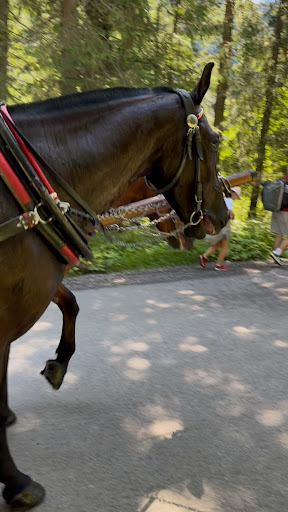
One unique feature of Tatra National Park is the option to take a traditional horse-drawn carriage ride to some of its most iconic spots, such as Morskie Oko, one of the park’s most famous lakes. This charming experience allows visitors to enjoy the beautiful surroundings without the strain of a hike, making it a great option for families or those looking for a more relaxed adventure.
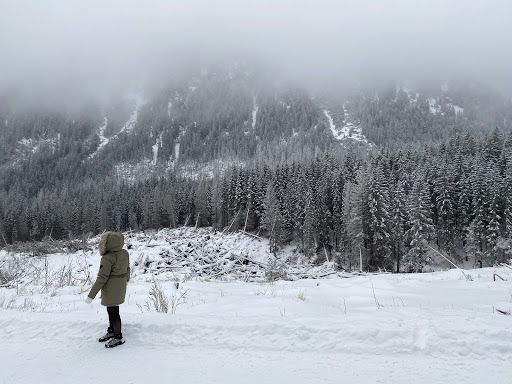
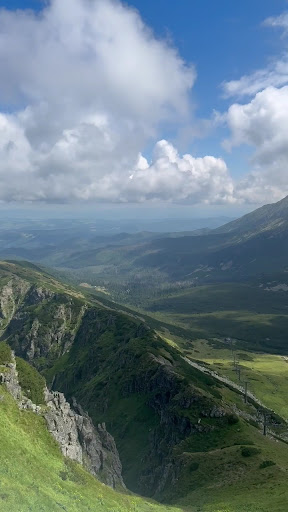
However, to fully enjoy the incredible views the park has to offer, it’s essential to check the weather beforehand. Fog and clouds can roll in quickly, obscuring the stunning panoramas, so planning your visit on a clear day is highly recommended. The effort will be well worth it when you see the sweeping vistas of the Tatra peaks and valleys.
Tatra National Park is more than just a destination; it’s an unforgettable experience that immerses you in the beauty of nature. Whether you’re hiking, riding a horse-drawn carriage, or simply soaking in the scenery, this park is a must-visit for anyone...
Read moreTatra National Park (Polish: Tatrzański Park Narodowy; abbr. TPN) is a national park located in the Tatra Mountains in Tatra County, in the Lesser Poland Voivodeship in central-southern Poland. The park is headquartered in the town of Zakopane. The Tatra Mountains form a natural border between Poland to the north and Slovakia to the south, and the two countries have cooperated since the early 20th century on efforts to protect the area. Slovakia created an adjoining national park, and UNESCO later designated the area a transboundary biosphere reserve.
The first calls for protection of the Tatras came at the end of the 19th century. In 1925, the first efforts to create a national park, in cooperation with Czechoslovakia, took place. Formally the park was created in 1937, on an area that belonged to the state forests authority. In 1947, a separate administrative unit, Tatra Park, was created.
In 1954, by decision of the Polish Government, Tatra National Park was created. It was established originally with an area of 215.56 km2 (83.23 sq mi), but it is currently slightly smaller, at 211.64 km2 (81.71 sq mi). Of this, 151.91 km2 (58.65 sq mi) is forest and the remainder mainly meadows. Strictly protected zones account for 115.14 km2 (44.46 sq mi), of which 61.49 km2 (23.74 sq mi) are forest ecosystems.
In 1992, the Polish and Slovakian national parks in the Tatras were jointly designated a transboundary biosphere reserve by UNESCO, under its Man and the...
Read moreThe Polish Animals Rights NGOs have appealed several times to the Director of the Tatra National Park (TNP), as well as to the local government to stop immediately the animal abuse on the Road to the Morskie Oko lake in the Tatra National Park. The horses that work in TNP pulling carts with tourist (the road is closed for cars) die not only in the slaughterhouses, but they also die of exhaustion during and after their work. When animal rights activists finally desperately tried to stop the overloaded carts, the owners and the carters tried to pass through the peaceful protesters with their carts. Some of the carters have also severely beaten several the protesters. The conflict between the Tatra National Park, the local government on one side, and Animals Rights Activists on the other, started in 2009, when one of the tourists filmed a horse dying on the road. The road to Morskie Oko Lake is a steep, 7 kilometers-long road, where 2 horses are forced to pull a wagon with up to 16 people on it. The data gathered by the Polish Horse Breeders Association show that since the 1st January 2012 until the first half of June 2013, 44 horses were taken to the slaughterhouse. Some of them were as young as 4-years old, and had worked on road for a couple of months only. During the same period, three horses died, among those, two in August (the peak of the tourist season). To resume: during 18 months, 20% of horses died...
Read more