HTML SitemapExplore
logo
Find Things to DoFind The Best Restaurants

Great Market Square — Attraction in Zamość

Name
Great Market Square
Description
Nearby attractions
Rynek Wodny
22-400 Zamość, Poland
Przewodnik
Rynek Wodny, 22-400 Zamość, Poland
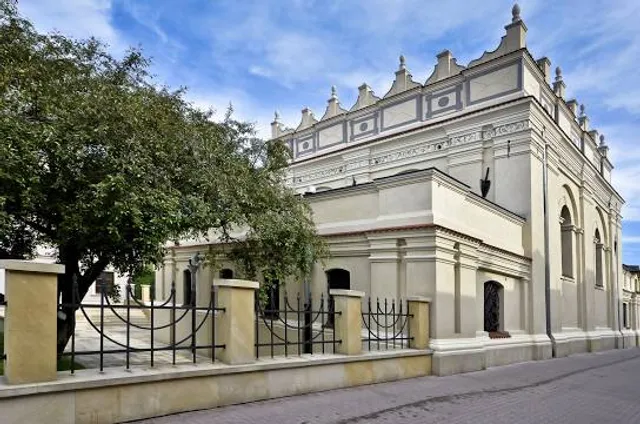
Zamosc Synagogue
Pereca 14, 22-400 Zamość, Poland
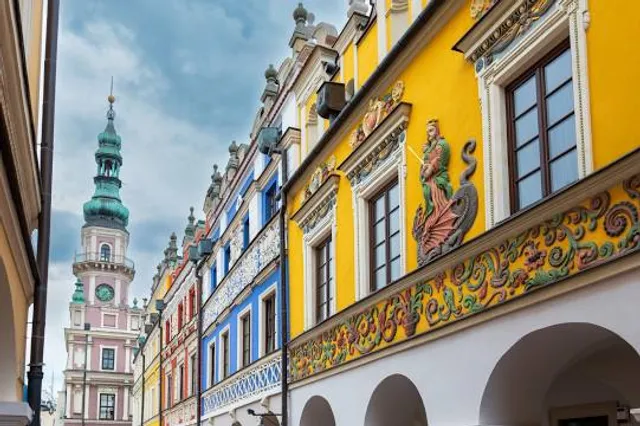
Kamienice Ormiańskie
Ormiańska 1/3, 22-400 Zamość, Poland
Church of the Annunciation
Stanisława Staszica 1, 22-400 Zamość
Muzeum Sakralne Katedry Zamojskiej
Kolegiacka 3, 22-400 Zamość, Poland
Twierdza Zamość
Bastion VII, Waleriana Łukasińskiego 4, 22-400 Zamość, Poland
Brama Szczebrzeska
Szczebrzeska 2A, 22-400 Zamość, Poland
Nowa Brama Lubelska
Waleriana Łukasińskiego 15, 22-400 Zamość, Poland
Podziemna trasa turystyczna
Waleriana Łukasińskiego 7, 22-400 Zamość, Poland
Nearby restaurants
Nearby hotels
Hotel Zamojski & SPA
Kołłątaja 2/4/6, 22-400 Zamość, Poland
Arte Hotel Zamość – Hotel & Restauracja
Rynek Wielki 9, 22-400 Zamość, Poland
Corner Pokoje
Żeromskiego 6, 22-400 Zamość, Poland
Hotel Renesans
Grecka 6, 22-400 Zamość, Poland
Hotel Senator
Rynek Solny 4, 22-400 Zamość, Poland
Hotel77
Ludwika Zamenhofa 7, 22-400 Zamość, Poland
Hotel Sukcesor
Plac Wolności 3, 22-400 Zamość, Poland
Pokoje Nad Arkadami
Ormiańska 14, 22-400 Zamość, Poland
Apartament Ormiańska Zamość
Ormiańska 7, 22-400 Zamość, Poland
Gościniec Kanclerz
Partyzantów 6, 22-400 Zamość, Poland
Related posts
Keywords
Great Market Square tourism.Great Market Square hotels.Great Market Square bed and breakfast. flights to Great Market Square.Great Market Square attractions.Great Market Square restaurants.Great Market Square travel.Great Market Square travel guide.Great Market Square travel blog.Great Market Square pictures.Great Market Square photos.Great Market Square travel tips.Great Market Square maps.Great Market Square things to do.
Great Market Square things to do, attractions, restaurants, events info and trip planning
Great Market Square
PolandLublin VoivodeshipZamośćGreat Market Square

Basic Info

Great Market Square

Rynek Wielki 8, 22-400 Zamość, Poland
4.8(6.3K)
Open until 12:00 AM
Save
spot

Ratings & Description

Info

Cultural
Outdoor
Family friendly
attractions: Rynek Wodny, Przewodnik, Zamosc Synagogue, Kamienice Ormiańskie, Church of the Annunciation, Muzeum Sakralne Katedry Zamojskiej, Twierdza Zamość, Brama Szczebrzeska, Nowa Brama Lubelska, Podziemna trasa turystyczna, restaurants:
logoLearn more insights from Wanderboat AI.
Website
turystyka.zamosc.pl
Open hoursSee all hours
MonOpen 24 hoursOpen

Plan your stay

hotel
Pet-friendly Hotels in Zamość
Find a cozy hotel nearby and make it a full experience.

hotel
Affordable Hotels in Zamość
Find a cozy hotel nearby and make it a full experience.

hotel
The Coolest Hotels You Haven't Heard Of (Yet)
Find a cozy hotel nearby and make it a full experience.

hotel
Trending Stays Worth the Hype in Zamość
Find a cozy hotel nearby and make it a full experience.

Reviews

Nearby attractions of Great Market Square

Rynek Wodny

Przewodnik

Zamosc Synagogue

Kamienice Ormiańskie

Church of the Annunciation

Muzeum Sakralne Katedry Zamojskiej

Twierdza Zamość

Brama Szczebrzeska

Nowa Brama Lubelska

Podziemna trasa turystyczna
Rynek Wodny

Rynek Wodny

4.6

(215)

Open 24 hours
Click for details
Przewodnik

Przewodnik

4.9

(79)

Open 24 hours
Click for details
Zamosc Synagogue

Zamosc Synagogue

4.4

(184)

Closed
Click for details
Kamienice Ormiańskie

Kamienice Ormiańskie

5.0

(24)

Open until 12:00 AM
Click for details
Get the Appoverlay
Get the AppOne tap to find yournext favorite spots!
Wanderboat LogoWanderboat

Your everyday Al companion for getaway ideas

CompanyAbout Us
InformationAI Trip PlannerSitemap
SocialXInstagramTiktokLinkedin
LegalTerms of ServicePrivacy Policy

Get the app

© 2025 Wanderboat. All rights reserved.
logo

Reviews of Great Market Square

4.8
(6,321)
avatar
5.0
1y

Old City Zamosc in Poland is a true gem that takes you back in time. This UNESCO World Heritage Site is a beautifully preserved Renaissance town that exudes charm and history at every corner.

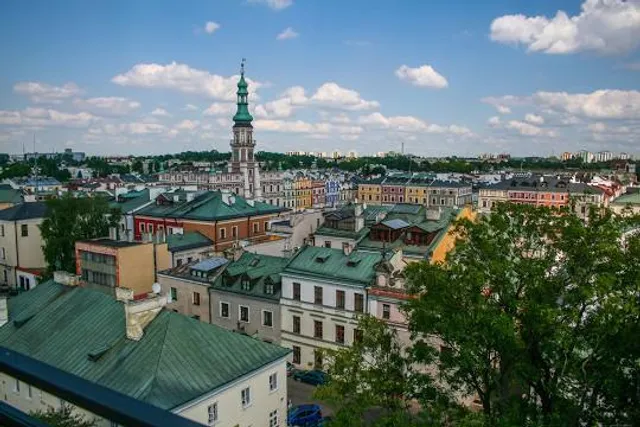
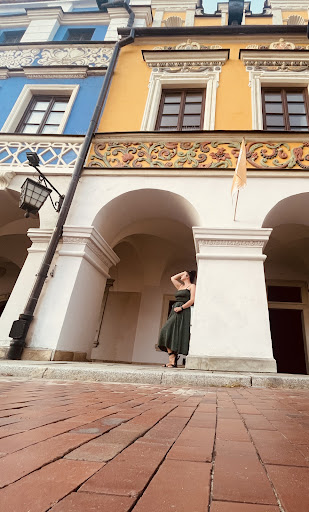
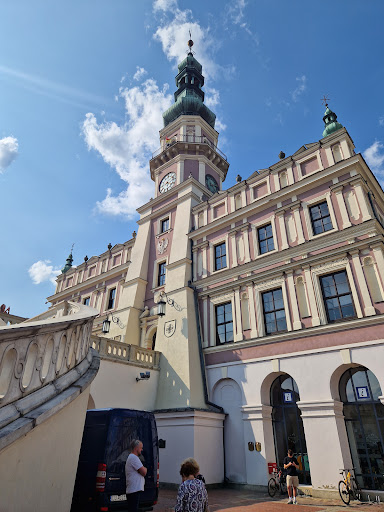
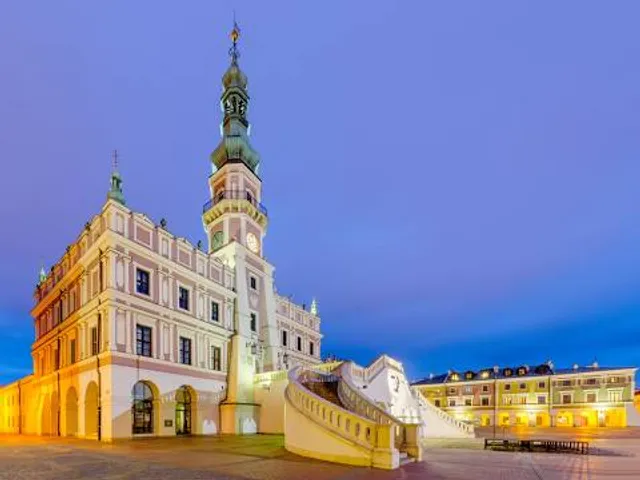
The main square, known as the Rynek, is the heart of the city and is surrounded by stunning buildings with intricate facades. The Town Hall, with its impressive tower, stands tall and proud, while the arcades and colorful houses add a vibrant touch to the square.

Walking through the narrow cobblestone streets of Old City Zamosc is like stepping into a fairy tale. The architecture is simply breathtaking, with ornate details and elegant balconies. The city walls, complete with bastions and gates, provide a sense of security and add to the medieval atmosphere.

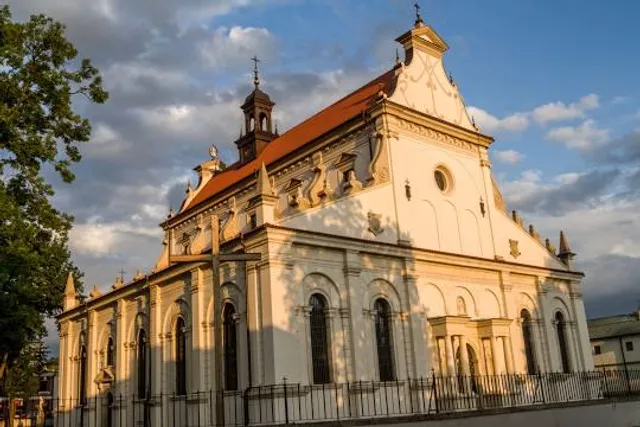
One of the highlights of Zamosc is the Zamosc Cathedral, a magnificent church with a rich history. Its interior is adorned with beautiful frescoes and intricate woodwork, creating a serene and spiritual atmosphere.

The Zamosc Synagogue is another must-visit attraction. This historic synagogue, dating back to the 17th century, is a testament to the city's multicultural past. Its architecture is a blend of Renaissance and Baroque styles, and it now serves as a museum that showcases the history of the Jewish community in Zamosc.

In addition to its architectural wonders, Zamosc also offers a vibrant cultural scene. The city hosts numerous festivals and events throughout the year, including the Zamosc Culture Days and the Zamosc Film Festival. These events showcase the city's rich cultural heritage and provide a platform for artists and performers to showcase their talents.

Overall, Old City Zamosc in Poland is a hidden gem that deserves more recognition. Its well-preserved architecture, rich history, and vibrant cultural scene make it a must-visit destination for anyone interested in exploring the beauty and...

   Read more
avatar
5.0
2y

The entire old town of Zamość is almost perfectly preserved and stunning. It has the exact same layout as it did when constructed in late 1500s. And a fascinating history too. Built by a nobleman Jan Zamoyski as his private, heavily fortified town that welcomed religious minorities (hence the Armenian tenement houses - now housing a museum - and four different temples, including a synagogue). The very street layout reflects its military purpose: all streets intersect at right angles to facilitate the transport of heavy machinery. It withstood two sieges lain by the Cossacks and the Swedes in the 17th century. In 1772, it became part of the Austrian partition and when Napoleon came to this part of Europe and created the Dutchy of Warsaw, it was the Polish military that managed to take the city from the Austrian over the course of one night! After Napoleon fell, Zamość became part of the Russia-controlled kingdom of Poland. The same military engineers who had been modernizing the town under Napoleon stayed in the city and finished their job. It became heavily militarized in 1820s. In the November Uprising of 1930-1931 Zamość held out the longest, even after Warsaw capitulated. The end of the military lusture of the town came in 1860s with the dawn of new projectile technology. If you are a military history enthusiast, it's a fascinating thing to see. A couple hundred meters away, you can find a tour of the fortifications and a remaining bastion. There are many tours available in the Great Market area, but I only encountered Polish guides. That's why I thought a short translation might come...

   Read more
avatar
5.0
7y

Zamosc Rynek Wielki is a wonderful place, a huge square where Italian-style Renaissance architecture mingles with the remnants of medieval Polish designs. The highlight is undoubtedly the Old Town Hall, known in Polish as the Stary Ratusz. As one steps on the elegant paving of the spectacular Rynek Wielki, one is amazed to find a huge lofty building that occupies half the north side of the square. (This square is a real square since each side measures 100m). Elegant in design, imposing and stately, the Old Town Hall of Zamosc is a unique building of illustrious proportions with a slim tower that matches its exquisite design. Nobody can ever miss its stately exterior stairway, a double curved flight of steps that leads up directly to the Town Hall’s first floor. On the ground floor, one finds the very efficient tourist information office and the chic restaurant named....well, Restauracja Ratuszowa. Near the Town Hall, the Muzeum Okregowe occupies two of the most elegant houses on the square. The other 3 sides of the square are lined with medieval arcaded houses which are not as spectacular as the houses on the north side. Come here, spend the night in one of the hotels in Zamosc. You will then have the opportunity to join in the fun that characterizes the square every summer evening when all the bars on the square put tables outside in designated areas. Polish beer (Tyskie, Warka, Zywiec, Okocim, Lech) is...

   Read more
Page 1 of 7
Previous
Next

Posts

Sylvia DobekSylvia Dobek
Old City Zamosc in Poland is a true gem that takes you back in time. This UNESCO World Heritage Site is a beautifully preserved Renaissance town that exudes charm and history at every corner. The main square, known as the Rynek, is the heart of the city and is surrounded by stunning buildings with intricate facades. The Town Hall, with its impressive tower, stands tall and proud, while the arcades and colorful houses add a vibrant touch to the square. Walking through the narrow cobblestone streets of Old City Zamosc is like stepping into a fairy tale. The architecture is simply breathtaking, with ornate details and elegant balconies. The city walls, complete with bastions and gates, provide a sense of security and add to the medieval atmosphere. One of the highlights of Zamosc is the Zamosc Cathedral, a magnificent church with a rich history. Its interior is adorned with beautiful frescoes and intricate woodwork, creating a serene and spiritual atmosphere. The Zamosc Synagogue is another must-visit attraction. This historic synagogue, dating back to the 17th century, is a testament to the city's multicultural past. Its architecture is a blend of Renaissance and Baroque styles, and it now serves as a museum that showcases the history of the Jewish community in Zamosc. In addition to its architectural wonders, Zamosc also offers a vibrant cultural scene. The city hosts numerous festivals and events throughout the year, including the Zamosc Culture Days and the Zamosc Film Festival. These events showcase the city's rich cultural heritage and provide a platform for artists and performers to showcase their talents. Overall, Old City Zamosc in Poland is a hidden gem that deserves more recognition. Its well-preserved architecture, rich history, and vibrant cultural scene make it a must-visit destination for anyone interested in exploring the beauty and charm of Poland.
Beata SochaBeata Socha
The entire old town of Zamość is almost perfectly preserved and stunning. It has the exact same layout as it did when constructed in late 1500s. And a fascinating history too. Built by a nobleman Jan Zamoyski as his private, heavily fortified town that welcomed religious minorities (hence the Armenian tenement houses - now housing a museum - and four different temples, including a synagogue). The very street layout reflects its military purpose: all streets intersect at right angles to facilitate the transport of heavy machinery. It withstood two sieges lain by the Cossacks and the Swedes in the 17th century. In 1772, it became part of the Austrian partition and when Napoleon came to this part of Europe and created the Dutchy of Warsaw, it was the Polish military that managed to take the city from the Austrian over the course of one night! After Napoleon fell, Zamość became part of the Russia-controlled kingdom of Poland. The same military engineers who had been modernizing the town under Napoleon stayed in the city and finished their job. It became heavily militarized in 1820s. In the November Uprising of 1930-1931 Zamość held out the longest, even after Warsaw capitulated. The end of the military lusture of the town came in 1860s with the dawn of new projectile technology. If you are a military history enthusiast, it's a fascinating thing to see. A couple hundred meters away, you can find a tour of the fortifications and a remaining bastion. There are many tours available in the Great Market area, but I only encountered Polish guides. That's why I thought a short translation might come in handy here.
S SS S
Rynek w Zamościu jest niesamowity, po prostu trzeba go zobaczyć. A dla wnikliwych Trochę informacji z Wikipedii... Po każdej stronie tego rynku (pierzei) znajdują się zabytkowe kamienice[1][2] z podcieniami oraz ratusz, główny obiekt tego placu. Nie jest on położony w jego centrum, jak w większości rynków, m.in. z okresu średniowiecza, lecz w jego północnej pierzei, po stronie zachodniej (na zachód od ulicy Solnej biegnącej na północ od rynku) i nieznacznie wysunięty do środka Rynku Wielkiego. Wiąże się to z wolą założyciela miasta, Jana Zamoyskiego, dla którego najważniejszym obiektem w jego mieście był pałac, dla jakiego ratusz miał nie stanowić konkurencji wśród najokazalszych budowli. Posiada 52-metrową wieżę zegarową oraz szerokie, wachlarzowe schody dobudowane w XVIII wieku. Od zachodniej i wschodniej pierzei rynku biegną po 3 ulice (S. Staszica w obu kierunkach, Grodzka w obu kierunkach, H. Kołłątaja na zachód, Ormiańska na wschód), natomiast w osi północ-południe po jednej (na północ ul. Solna w kierunku Rynku Solnego i ul. B. Moranda na południe w kierunku Rynku Wodnego). Wyjątkowo od północnej krawędzi Rynku Wielkiego biegnie na północ druga ulica, Ratuszowa, jaka pojawiła się w XVII wieku po oddzieleniu ratusza od kamienic po jego zachodniej stronie. Jako główna arteria uchodziła prowadząca do pałacu ("głowy" miasta) ulica Grodzka, jaka przecina rynek ("serce") na linii wschód-zachód, stanowiąca jego "kręgosłup", od którego odbiegały dwa "ramiona"[3], tj. wspomniane ulice Solna i B. Moranda.
See more posts
See more posts
hotel
Find your stay

Pet-friendly Hotels in Zamość

Find a cozy hotel nearby and make it a full experience.

Old City Zamosc in Poland is a true gem that takes you back in time. This UNESCO World Heritage Site is a beautifully preserved Renaissance town that exudes charm and history at every corner. The main square, known as the Rynek, is the heart of the city and is surrounded by stunning buildings with intricate facades. The Town Hall, with its impressive tower, stands tall and proud, while the arcades and colorful houses add a vibrant touch to the square. Walking through the narrow cobblestone streets of Old City Zamosc is like stepping into a fairy tale. The architecture is simply breathtaking, with ornate details and elegant balconies. The city walls, complete with bastions and gates, provide a sense of security and add to the medieval atmosphere. One of the highlights of Zamosc is the Zamosc Cathedral, a magnificent church with a rich history. Its interior is adorned with beautiful frescoes and intricate woodwork, creating a serene and spiritual atmosphere. The Zamosc Synagogue is another must-visit attraction. This historic synagogue, dating back to the 17th century, is a testament to the city's multicultural past. Its architecture is a blend of Renaissance and Baroque styles, and it now serves as a museum that showcases the history of the Jewish community in Zamosc. In addition to its architectural wonders, Zamosc also offers a vibrant cultural scene. The city hosts numerous festivals and events throughout the year, including the Zamosc Culture Days and the Zamosc Film Festival. These events showcase the city's rich cultural heritage and provide a platform for artists and performers to showcase their talents. Overall, Old City Zamosc in Poland is a hidden gem that deserves more recognition. Its well-preserved architecture, rich history, and vibrant cultural scene make it a must-visit destination for anyone interested in exploring the beauty and charm of Poland.
Sylvia Dobek

Sylvia Dobek

hotel
Find your stay

Affordable Hotels in Zamość

Find a cozy hotel nearby and make it a full experience.

Get the Appoverlay
Get the AppOne tap to find yournext favorite spots!
The entire old town of Zamość is almost perfectly preserved and stunning. It has the exact same layout as it did when constructed in late 1500s. And a fascinating history too. Built by a nobleman Jan Zamoyski as his private, heavily fortified town that welcomed religious minorities (hence the Armenian tenement houses - now housing a museum - and four different temples, including a synagogue). The very street layout reflects its military purpose: all streets intersect at right angles to facilitate the transport of heavy machinery. It withstood two sieges lain by the Cossacks and the Swedes in the 17th century. In 1772, it became part of the Austrian partition and when Napoleon came to this part of Europe and created the Dutchy of Warsaw, it was the Polish military that managed to take the city from the Austrian over the course of one night! After Napoleon fell, Zamość became part of the Russia-controlled kingdom of Poland. The same military engineers who had been modernizing the town under Napoleon stayed in the city and finished their job. It became heavily militarized in 1820s. In the November Uprising of 1930-1931 Zamość held out the longest, even after Warsaw capitulated. The end of the military lusture of the town came in 1860s with the dawn of new projectile technology. If you are a military history enthusiast, it's a fascinating thing to see. A couple hundred meters away, you can find a tour of the fortifications and a remaining bastion. There are many tours available in the Great Market area, but I only encountered Polish guides. That's why I thought a short translation might come in handy here.
Beata Socha

Beata Socha

hotel
Find your stay

The Coolest Hotels You Haven't Heard Of (Yet)

Find a cozy hotel nearby and make it a full experience.

hotel
Find your stay

Trending Stays Worth the Hype in Zamość

Find a cozy hotel nearby and make it a full experience.

Rynek w Zamościu jest niesamowity, po prostu trzeba go zobaczyć. A dla wnikliwych Trochę informacji z Wikipedii... Po każdej stronie tego rynku (pierzei) znajdują się zabytkowe kamienice[1][2] z podcieniami oraz ratusz, główny obiekt tego placu. Nie jest on położony w jego centrum, jak w większości rynków, m.in. z okresu średniowiecza, lecz w jego północnej pierzei, po stronie zachodniej (na zachód od ulicy Solnej biegnącej na północ od rynku) i nieznacznie wysunięty do środka Rynku Wielkiego. Wiąże się to z wolą założyciela miasta, Jana Zamoyskiego, dla którego najważniejszym obiektem w jego mieście był pałac, dla jakiego ratusz miał nie stanowić konkurencji wśród najokazalszych budowli. Posiada 52-metrową wieżę zegarową oraz szerokie, wachlarzowe schody dobudowane w XVIII wieku. Od zachodniej i wschodniej pierzei rynku biegną po 3 ulice (S. Staszica w obu kierunkach, Grodzka w obu kierunkach, H. Kołłątaja na zachód, Ormiańska na wschód), natomiast w osi północ-południe po jednej (na północ ul. Solna w kierunku Rynku Solnego i ul. B. Moranda na południe w kierunku Rynku Wodnego). Wyjątkowo od północnej krawędzi Rynku Wielkiego biegnie na północ druga ulica, Ratuszowa, jaka pojawiła się w XVII wieku po oddzieleniu ratusza od kamienic po jego zachodniej stronie. Jako główna arteria uchodziła prowadząca do pałacu ("głowy" miasta) ulica Grodzka, jaka przecina rynek ("serce") na linii wschód-zachód, stanowiąca jego "kręgosłup", od którego odbiegały dwa "ramiona"[3], tj. wspomniane ulice Solna i B. Moranda.
S S

S S

See more posts
See more posts