HTML SitemapExplore
logo
Find Things to DoFind The Best Restaurants

Sanctuary of Our Lady of Sameiro — Attraction in Braga

Name
Sanctuary of Our Lady of Sameiro
Description
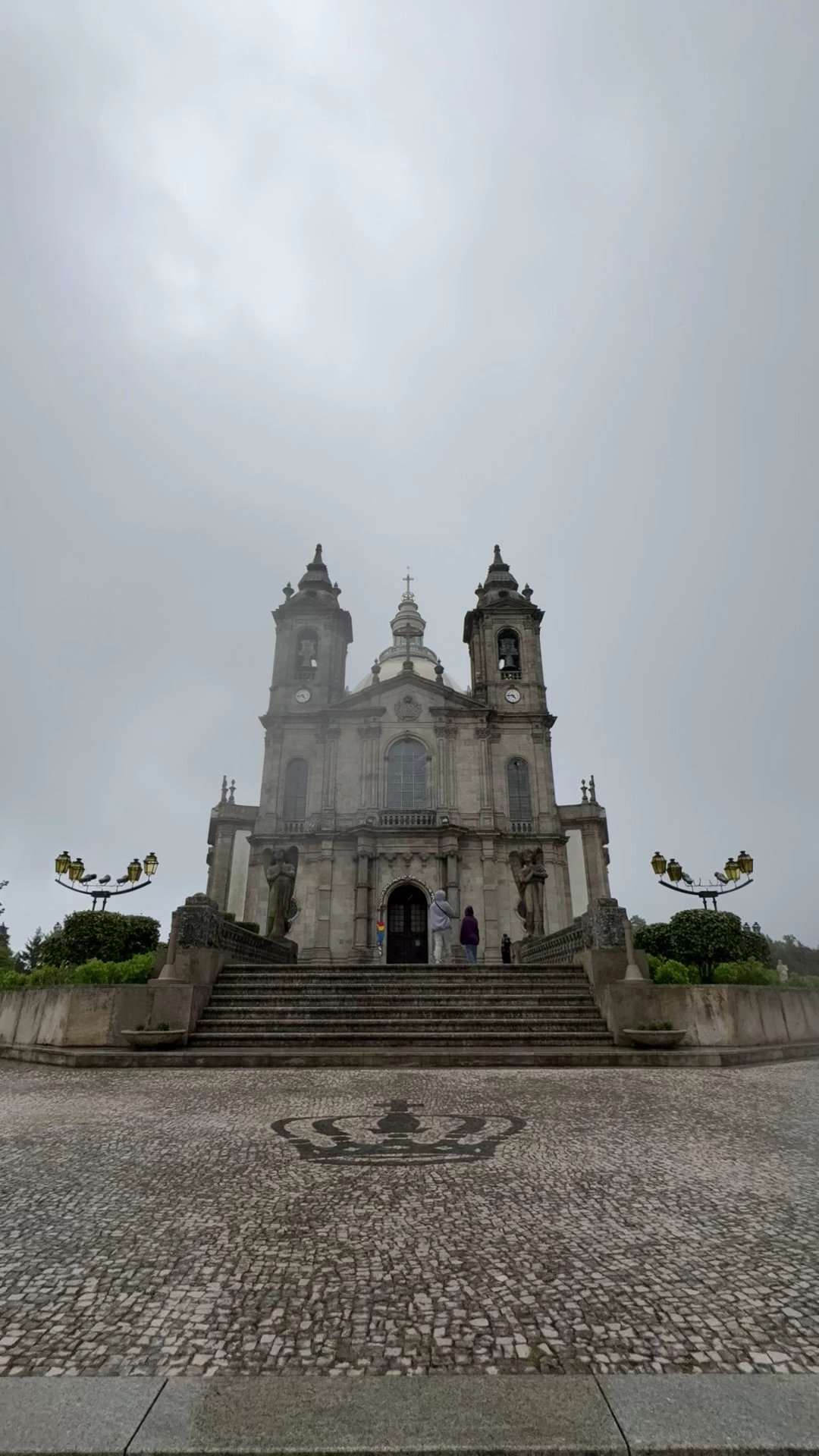
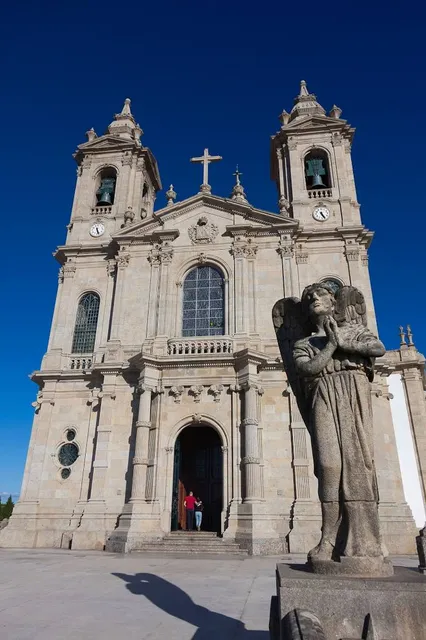
The Sanctuary of Our Lady of Sameiro or Sanctuary of Sameiro is a sanctuary and Marian shrine in Espinho, in the surroundings of the city of Braga, Portugal.
Nearby attractions
Nearby restaurants
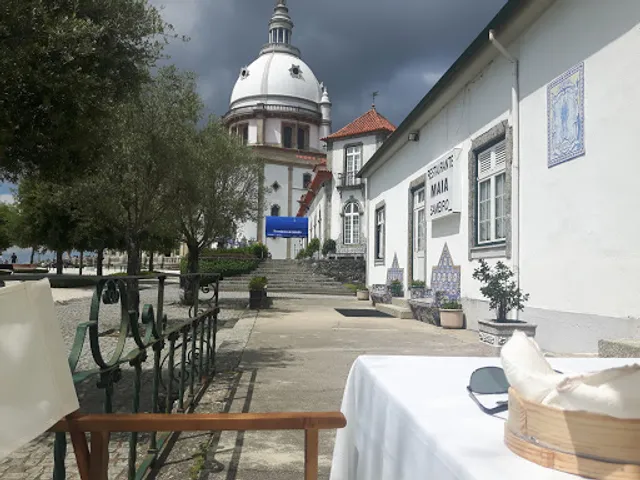
Sameiro Maia
Av. Nossa Sra. do Sameiro 42, 4715-606 Braga, Portugal
Restaurante O Raul
Av. do Santuārio 15, 4715-616 Braga, Portugal
Related posts
Keywords
Sanctuary of Our Lady of Sameiro tourism.Sanctuary of Our Lady of Sameiro hotels.Sanctuary of Our Lady of Sameiro bed and breakfast. flights to Sanctuary of Our Lady of Sameiro.Sanctuary of Our Lady of Sameiro attractions.Sanctuary of Our Lady of Sameiro restaurants.Sanctuary of Our Lady of Sameiro travel.Sanctuary of Our Lady of Sameiro travel guide.Sanctuary of Our Lady of Sameiro travel blog.Sanctuary of Our Lady of Sameiro pictures.Sanctuary of Our Lady of Sameiro photos.Sanctuary of Our Lady of Sameiro travel tips.Sanctuary of Our Lady of Sameiro maps.Sanctuary of Our Lady of Sameiro things to do.
Sanctuary of Our Lady of Sameiro things to do, attractions, restaurants, events info and trip planning
Sanctuary of Our Lady of Sameiro
PortugalBragaSanctuary of Our Lady of Sameiro

Basic Info

Sanctuary of Our Lady of Sameiro

Av. Nossa Sra. do Sameiro 44, 4715-616 Braga, Portugal
4.8(4.8K)
Closed
Save
spot

Ratings & Description

Info

The Sanctuary of Our Lady of Sameiro or Sanctuary of Sameiro is a sanctuary and Marian shrine in Espinho, in the surroundings of the city of Braga, Portugal.

Cultural
Outdoor
Accessibility
attractions: , restaurants: Sameiro Maia, Restaurante O Raul
logoLearn more insights from Wanderboat AI.
Phone
+351 253 303 402
Website
santuariodosameiro.pt
Open hoursSee all hours
Fri10 AM - 1 PM, 2 - 5 PMClosed

Plan your stay

hotel
Pet-friendly Hotels in Braga
Find a cozy hotel nearby and make it a full experience.

hotel
Affordable Hotels in Braga
Find a cozy hotel nearby and make it a full experience.

hotel
The Coolest Hotels You Haven't Heard Of (Yet)
Find a cozy hotel nearby and make it a full experience.

hotel
Trending Stays Worth the Hype in Braga
Find a cozy hotel nearby and make it a full experience.

Reviews

Things to do nearby

Explore three magical waterfalls
Thu, Dec 4 • 10:00 AM
4845-081, Vilar da Veiga, Portugal
View details

Taste authentic wines and visit our vineyards
Thu, Dec 4 • 11:00 AM
4890, Basto (São Clemente), Portugal
View details
Magic Mike - Jantar com Espetáculos em Braga
Fri, Dec 5 • 8:00 PM
Adaúfe, Avenida Imaculada Conceição, 407, 4710-820
View details

Nearby restaurants of Sanctuary of Our Lady of Sameiro

Sameiro Maia

Restaurante O Raul

Sameiro Maia

Sameiro Maia

4.0

(290)

$$

Click for details
Restaurante O Raul

Restaurante O Raul

3.7

(150)

Click for details
Get the Appoverlay
Get the AppOne tap to find yournext favorite spots!
Wanderboat LogoWanderboat

Your everyday Al companion for getaway ideas

CompanyAbout Us
InformationAI Trip PlannerSitemap
SocialXInstagramTiktokLinkedin
LegalTerms of ServicePrivacy Policy

Get the app

© 2025 Wanderboat. All rights reserved.
logo

Reviews of Sanctuary of Our Lady of Sameiro

4.8
(4,831)
avatar
5.0
2y

On June 14, 1863, the first stone was laid for a monument in honor of the Immaculate Conception of Mary on Mount Sameiro, currently the monument is in Santa Marta das Cortiças (Esporões). On August 29, 1869, the monument was blessed and inaugurated, with an image by Emídio Carlos Amatucci. On August 31, 1873, construction began on a chapel commemorating the First Vatican Council and the dogma of pontifical infallibility. On August 8, 1877, the statutes of the Brotherhood of the Immaculate Conception of Monte Sameiro were created. On August 7, 1878, the image of Nossa Senhora do Sameiro, the work of the Italian sculptor Eugénio Maccagnani (1852-1930), arrived in Braga. On August 29, 1880, the image was solemnly taken to Sameiro and enthroned in the chapel, which had been consecrated the day before. On January 9, 1883, the monument was destroyed for an unknown reason – lightning, according to some, a storm combined with poor construction, according to others, a criminal explosion, according to still others.[1] On July 28, 1884, construction began on a new monument. On May 9, 1886, the new monument was inaugurated. On August 31, 1890, the first stone of the current Sanctuary was laid. On June 12, 1904, the image of the Virgin was crowned by the Apostolic Nuncio, Monsignor José Macchi, special delegate of Pope Pius X. On July 12, 1936, construction of the dome began. 1940, 2 columns, weighing 6 tons each, made of marble from Estremoz, are destined for the altar of Senhora do Sameiro. On June 12, 1941, the Sanctuary's altar was consecrated. On June 7, 1953, the monumental cross was inaugurated, the work of architect David Moreira da Silva. On June 13, 1954, the monuments to the Sacred Heart of Jesus and to Pope Pius IX (the latter sculpted by Raul Xavier) were inaugurated. Between 1959 and 1960, the statues by Raul Xavier that constitute the Portico of the Marian doctors were inaugurated: Cirilo de Alexandria (August 30, 1959), Bernardo de Claraval (May 29, 1960), António de Lisboa (December 8 1959) and Afonso Maria de Ligório (August 24, 1960). On June 17, 1979, the Crypt was inaugurated, under the initial temple. On May 15, 1982, it was visited by Pope John Paul II. On June 3, 1984, the statue of Pope John Paul II was inaugurated. On December 8, 2004, in commemoration of the 150th anniversary of the proclamation of the dogma of the Immaculate Conception, Pope John Paul II, through his Vatican delegate, Eugênio Sales, distinguished the Sanctuary of Sameiro with the Golden Rose. In 2006, Óscar Casares conceived the panel "Salve Regina" for the Main Altar of the Crypt of...

   Read more
avatar
4.0
2y

Wie Bom Jesus do Monte besitzt auch die Basilika Unserer Lieben Frau von Sameiro den Rang einer Basilica minor. Sie ist die erste portugiesische Kirche, die dem 1854 ausgerufenen Dogma der Unbefleckten Empfängnis gewidmet ist.

Der Wallfahrtsort liegt auf der höchsten Erhebung östlich von Braga. Hier ist alles größer: Die Kirche, der Vorplatz, die Treppenanlage. Allerdings bei weitem nicht so schön wie der Bom Jesus. Allein die Treppe erstreckt sich auf einer Länge von 300 Metern etwa 40 Meter den Hang hinauf, bietet allerdings nichts, was der raffinierten Barockanlage von Bom Jesus vergleichbar wäre. Mal abgesehen von der Aussicht. Ihrem Status als einem der meistbesuchten Orte der Marienverehrung in Portugal tut das jedoch keinen Abbruch.

Der Bau des Santuário de Nossa Senhora do Sameiro begann 1863 unter der Leitung von Pater Martinho da Silva. Als erstes wurde eine marmorne Marienstatue des Italieners Emídio Carlos Amatucci aufgestellt. 1880 wurde dann eine erste Kapelle fertig, die ein Bildnis der Schutzheiligen bewahrte, das der Bildhauer Eugenio Maccagnani in Rom geschaffen hatte und 1880 in das Heiligtum brachte.

Der Bau der Kirche begann schließlich 1890, mit der Grundsteinlegung durch Antonio Honorato, den damaligen Erzbischof von Braga. Man erbaute eine wuchtige neoklassizistische Kirche über kreuzförmigem Grundriss, mit einer hohen Kuppel als Vierungsturm und einer Doppelturmfassade im Westen. Die Bauarbeiten zogen sich jedoch in die Länge: 1941 konnte der Hochaltar aus Granit mit flankierenden roten Marmorsäulen und der 1904 mit einer Krone Roque Gameiros gekrönten Marienstatue im Zentrum geweiht werden, zu dem auch ein silberner Tabernakel gehört. 1953 konnte die Kirche vollends fertiggestellt werden.

1979 wurde für die vielen Pilger eine Krypta errichtet, in der dann auch Pater Martinho da Silva beigesetzt wurde. 1982 besuchte Papst Johannes Paul II. das Marienheiligtum. 2004 schließlich wurde ein beleuchtetes Kreuz über einer Armillarsphäre auf die...

   Read more
avatar
5.0
4y

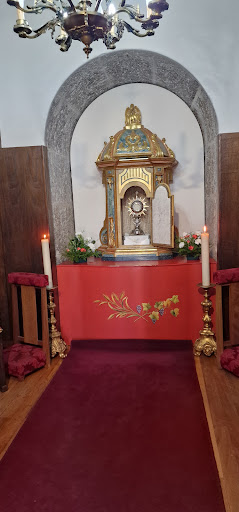
Implantado no cimo do monte com o mesmo nome, e situado a 566 metros de altitude, o Santuário de Nossa Senhora do Sameiro é um dos locais de culto mariano mais visitados em Portugal, proporcionando uma vista privilegiada sobre a cidade de Braga. Todos os anos atrai muitos devotos, especialmente durante as peregrinações do primeiro domingo de junho e do último terceiro de agosto. A sua fundação deve-se a Martinho Silva, presbítero da arquidiocese de Braga, que dinamizou o culto mariano neste local a partir da década de sessenta do século XIX. Construído ao longo de várias décadas, o complexo religioso integra, entre outros elementos, o recinto para a missa campal, a Casa das Estampas, a Casa do Reitor, a Capela do Santíssimo Sacramento, a igreja principal, a cripta e a ampla escadaria monumental, no topo da qual se encontram os monumentos do Sagrado Coração de Jesus e da Nossa Senhora da Conceição.

No altar-mor pode admirar-se o sacrário de prata e a imagem da padroeira, feita em Roma pelo escultor Eugénio Maccagnani e trazida para o local em 1880. Ao longo do século XX o santuário tem sido enriquecido com obras de arte que testemunham diferentes sensibilidades estéticas e religiosas: na cripta encontra-se um conjunto de painéis de azulejo concebidos por Querubim Lapa; no presbitério foi pintado, entre 2005 e 2006, um grande painel da autoria de Oscar Casares; e, mais recentemente, Clara Meneres foi responsável pelas quatro grandes esculturas dos arcanjos São Miguel, São Rafael e São Gabriel, acompanhados pelo Anjo Custódio da Pátria.

A 8 de dezembro de 2004, o papa João Paulo II concedeu ao santuário a Rosa de Ouro, distinção atribuída pelos pontífices a personalidades, santuários, igrejas ou cidades em reconhecimento por serviços relevantes prestados à Igreja ou para bem...

   Read more
Page 1 of 7
Previous
Next

Posts

Artur VictoriaArtur Victoria
On June 14, 1863, the first stone was laid for a monument in honor of the Immaculate Conception of Mary on Mount Sameiro, currently the monument is in Santa Marta das Cortiças (Esporões). On August 29, 1869, the monument was blessed and inaugurated, with an image by Emídio Carlos Amatucci. On August 31, 1873, construction began on a chapel commemorating the First Vatican Council and the dogma of pontifical infallibility. On August 8, 1877, the statutes of the Brotherhood of the Immaculate Conception of Monte Sameiro were created. On August 7, 1878, the image of Nossa Senhora do Sameiro, the work of the Italian sculptor Eugénio Maccagnani (1852-1930), arrived in Braga. On August 29, 1880, the image was solemnly taken to Sameiro and enthroned in the chapel, which had been consecrated the day before. On January 9, 1883, the monument was destroyed for an unknown reason – lightning, according to some, a storm combined with poor construction, according to others, a criminal explosion, according to still others.[1] On July 28, 1884, construction began on a new monument. On May 9, 1886, the new monument was inaugurated. On August 31, 1890, the first stone of the current Sanctuary was laid. On June 12, 1904, the image of the Virgin was crowned by the Apostolic Nuncio, Monsignor José Macchi, special delegate of Pope Pius X. On July 12, 1936, construction of the dome began. 1940, 2 columns, weighing 6 tons each, made of marble from Estremoz, are destined for the altar of Senhora do Sameiro. On June 12, 1941, the Sanctuary's altar was consecrated. On June 7, 1953, the monumental cross was inaugurated, the work of architect David Moreira da Silva. On June 13, 1954, the monuments to the Sacred Heart of Jesus and to Pope Pius IX (the latter sculpted by Raul Xavier) were inaugurated. Between 1959 and 1960, the statues by Raul Xavier that constitute the Portico of the Marian doctors were inaugurated: Cirilo de Alexandria (August 30, 1959), Bernardo de Claraval (May 29, 1960), António de Lisboa (December 8 1959) and Afonso Maria de Ligório (August 24, 1960). On June 17, 1979, the Crypt was inaugurated, under the initial temple. On May 15, 1982, it was visited by Pope John Paul II. On June 3, 1984, the statue of Pope John Paul II was inaugurated. On December 8, 2004, in commemoration of the 150th anniversary of the proclamation of the dogma of the Immaculate Conception, Pope John Paul II, through his Vatican delegate, Eugênio Sales, distinguished the Sanctuary of Sameiro with the Golden Rose. In 2006, Óscar Casares conceived the panel "Salve Regina" for the Main Altar of the Crypt of the Sanctuary.
Thus Wurstbursch Kögl de Waldinutzy, Attaknabe (De x-träjm Soup man)Thus Wurstbursch Kögl de Waldinutzy, Attaknabe (De x-träjm Soup man)
Wie Bom Jesus do Monte besitzt auch die Basilika Unserer Lieben Frau von Sameiro den Rang einer Basilica minor. Sie ist die erste portugiesische Kirche, die dem 1854 ausgerufenen Dogma der Unbefleckten Empfängnis gewidmet ist. Der Wallfahrtsort liegt auf der höchsten Erhebung östlich von Braga. Hier ist alles größer: Die Kirche, der Vorplatz, die Treppenanlage. Allerdings bei weitem nicht so schön wie der Bom Jesus. Allein die Treppe erstreckt sich auf einer Länge von 300 Metern etwa 40 Meter den Hang hinauf, bietet allerdings nichts, was der raffinierten Barockanlage von Bom Jesus vergleichbar wäre. Mal abgesehen von der Aussicht. Ihrem Status als einem der meistbesuchten Orte der Marienverehrung in Portugal tut das jedoch keinen Abbruch. Der Bau des Santuário de Nossa Senhora do Sameiro begann 1863 unter der Leitung von Pater Martinho da Silva. Als erstes wurde eine marmorne Marienstatue des Italieners Emídio Carlos Amatucci aufgestellt. 1880 wurde dann eine erste Kapelle fertig, die ein Bildnis der Schutzheiligen bewahrte, das der Bildhauer Eugenio Maccagnani in Rom geschaffen hatte und 1880 in das Heiligtum brachte. Der Bau der Kirche begann schließlich 1890, mit der Grundsteinlegung durch Antonio Honorato, den damaligen Erzbischof von Braga. Man erbaute eine wuchtige neoklassizistische Kirche über kreuzförmigem Grundriss, mit einer hohen Kuppel als Vierungsturm und einer Doppelturmfassade im Westen. Die Bauarbeiten zogen sich jedoch in die Länge: 1941 konnte der Hochaltar aus Granit mit flankierenden roten Marmorsäulen und der 1904 mit einer Krone Roque Gameiros gekrönten Marienstatue im Zentrum geweiht werden, zu dem auch ein silberner Tabernakel gehört. 1953 konnte die Kirche vollends fertiggestellt werden. 1979 wurde für die vielen Pilger eine Krypta errichtet, in der dann auch Pater Martinho da Silva beigesetzt wurde. 1982 besuchte Papst Johannes Paul II. das Marienheiligtum. 2004 schließlich wurde ein beleuchtetes Kreuz über einer Armillarsphäre auf die Kuppel gesetzt.
Graziela MerliGraziela Merli
Implantado no cimo do monte com o mesmo nome, e situado a 566 metros de altitude, o Santuário de Nossa Senhora do Sameiro é um dos locais de culto mariano mais visitados em Portugal, proporcionando uma vista privilegiada sobre a cidade de Braga. Todos os anos atrai muitos devotos, especialmente durante as peregrinações do primeiro domingo de junho e do último terceiro de agosto. A sua fundação deve-se a Martinho Silva, presbítero da arquidiocese de Braga, que dinamizou o culto mariano neste local a partir da década de sessenta do século XIX. Construído ao longo de várias décadas, o complexo religioso integra, entre outros elementos, o recinto para a missa campal, a Casa das Estampas, a Casa do Reitor, a Capela do Santíssimo Sacramento, a igreja principal, a cripta e a ampla escadaria monumental, no topo da qual se encontram os monumentos do Sagrado Coração de Jesus e da Nossa Senhora da Conceição. No altar-mor pode admirar-se o sacrário de prata e a imagem da padroeira, feita em Roma pelo escultor Eugénio Maccagnani e trazida para o local em 1880. Ao longo do século XX o santuário tem sido enriquecido com obras de arte que testemunham diferentes sensibilidades estéticas e religiosas: na cripta encontra-se um conjunto de painéis de azulejo concebidos por Querubim Lapa; no presbitério foi pintado, entre 2005 e 2006, um grande painel da autoria de Oscar Casares; e, mais recentemente, Clara Meneres foi responsável pelas quatro grandes esculturas dos arcanjos São Miguel, São Rafael e São Gabriel, acompanhados pelo Anjo Custódio da Pátria. A 8 de dezembro de 2004, o papa João Paulo II concedeu ao santuário a Rosa de Ouro, distinção atribuída pelos pontífices a personalidades, santuários, igrejas ou cidades em reconhecimento por serviços relevantes prestados à Igreja ou para bem da sociedade.
See more posts
See more posts
hotel
Find your stay

Pet-friendly Hotels in Braga

Find a cozy hotel nearby and make it a full experience.

On June 14, 1863, the first stone was laid for a monument in honor of the Immaculate Conception of Mary on Mount Sameiro, currently the monument is in Santa Marta das Cortiças (Esporões). On August 29, 1869, the monument was blessed and inaugurated, with an image by Emídio Carlos Amatucci. On August 31, 1873, construction began on a chapel commemorating the First Vatican Council and the dogma of pontifical infallibility. On August 8, 1877, the statutes of the Brotherhood of the Immaculate Conception of Monte Sameiro were created. On August 7, 1878, the image of Nossa Senhora do Sameiro, the work of the Italian sculptor Eugénio Maccagnani (1852-1930), arrived in Braga. On August 29, 1880, the image was solemnly taken to Sameiro and enthroned in the chapel, which had been consecrated the day before. On January 9, 1883, the monument was destroyed for an unknown reason – lightning, according to some, a storm combined with poor construction, according to others, a criminal explosion, according to still others.[1] On July 28, 1884, construction began on a new monument. On May 9, 1886, the new monument was inaugurated. On August 31, 1890, the first stone of the current Sanctuary was laid. On June 12, 1904, the image of the Virgin was crowned by the Apostolic Nuncio, Monsignor José Macchi, special delegate of Pope Pius X. On July 12, 1936, construction of the dome began. 1940, 2 columns, weighing 6 tons each, made of marble from Estremoz, are destined for the altar of Senhora do Sameiro. On June 12, 1941, the Sanctuary's altar was consecrated. On June 7, 1953, the monumental cross was inaugurated, the work of architect David Moreira da Silva. On June 13, 1954, the monuments to the Sacred Heart of Jesus and to Pope Pius IX (the latter sculpted by Raul Xavier) were inaugurated. Between 1959 and 1960, the statues by Raul Xavier that constitute the Portico of the Marian doctors were inaugurated: Cirilo de Alexandria (August 30, 1959), Bernardo de Claraval (May 29, 1960), António de Lisboa (December 8 1959) and Afonso Maria de Ligório (August 24, 1960). On June 17, 1979, the Crypt was inaugurated, under the initial temple. On May 15, 1982, it was visited by Pope John Paul II. On June 3, 1984, the statue of Pope John Paul II was inaugurated. On December 8, 2004, in commemoration of the 150th anniversary of the proclamation of the dogma of the Immaculate Conception, Pope John Paul II, through his Vatican delegate, Eugênio Sales, distinguished the Sanctuary of Sameiro with the Golden Rose. In 2006, Óscar Casares conceived the panel "Salve Regina" for the Main Altar of the Crypt of the Sanctuary.
Artur Victoria

Artur Victoria

hotel
Find your stay

Affordable Hotels in Braga

Find a cozy hotel nearby and make it a full experience.

Get the Appoverlay
Get the AppOne tap to find yournext favorite spots!
Wie Bom Jesus do Monte besitzt auch die Basilika Unserer Lieben Frau von Sameiro den Rang einer Basilica minor. Sie ist die erste portugiesische Kirche, die dem 1854 ausgerufenen Dogma der Unbefleckten Empfängnis gewidmet ist. Der Wallfahrtsort liegt auf der höchsten Erhebung östlich von Braga. Hier ist alles größer: Die Kirche, der Vorplatz, die Treppenanlage. Allerdings bei weitem nicht so schön wie der Bom Jesus. Allein die Treppe erstreckt sich auf einer Länge von 300 Metern etwa 40 Meter den Hang hinauf, bietet allerdings nichts, was der raffinierten Barockanlage von Bom Jesus vergleichbar wäre. Mal abgesehen von der Aussicht. Ihrem Status als einem der meistbesuchten Orte der Marienverehrung in Portugal tut das jedoch keinen Abbruch. Der Bau des Santuário de Nossa Senhora do Sameiro begann 1863 unter der Leitung von Pater Martinho da Silva. Als erstes wurde eine marmorne Marienstatue des Italieners Emídio Carlos Amatucci aufgestellt. 1880 wurde dann eine erste Kapelle fertig, die ein Bildnis der Schutzheiligen bewahrte, das der Bildhauer Eugenio Maccagnani in Rom geschaffen hatte und 1880 in das Heiligtum brachte. Der Bau der Kirche begann schließlich 1890, mit der Grundsteinlegung durch Antonio Honorato, den damaligen Erzbischof von Braga. Man erbaute eine wuchtige neoklassizistische Kirche über kreuzförmigem Grundriss, mit einer hohen Kuppel als Vierungsturm und einer Doppelturmfassade im Westen. Die Bauarbeiten zogen sich jedoch in die Länge: 1941 konnte der Hochaltar aus Granit mit flankierenden roten Marmorsäulen und der 1904 mit einer Krone Roque Gameiros gekrönten Marienstatue im Zentrum geweiht werden, zu dem auch ein silberner Tabernakel gehört. 1953 konnte die Kirche vollends fertiggestellt werden. 1979 wurde für die vielen Pilger eine Krypta errichtet, in der dann auch Pater Martinho da Silva beigesetzt wurde. 1982 besuchte Papst Johannes Paul II. das Marienheiligtum. 2004 schließlich wurde ein beleuchtetes Kreuz über einer Armillarsphäre auf die Kuppel gesetzt.
Thus Wurstbursch Kögl de Waldinutzy, Attaknabe (De x-träjm Soup man)

Thus Wurstbursch Kögl de Waldinutzy, Attaknabe (De x-träjm Soup man)

hotel
Find your stay

The Coolest Hotels You Haven't Heard Of (Yet)

Find a cozy hotel nearby and make it a full experience.

hotel
Find your stay

Trending Stays Worth the Hype in Braga

Find a cozy hotel nearby and make it a full experience.

Implantado no cimo do monte com o mesmo nome, e situado a 566 metros de altitude, o Santuário de Nossa Senhora do Sameiro é um dos locais de culto mariano mais visitados em Portugal, proporcionando uma vista privilegiada sobre a cidade de Braga. Todos os anos atrai muitos devotos, especialmente durante as peregrinações do primeiro domingo de junho e do último terceiro de agosto. A sua fundação deve-se a Martinho Silva, presbítero da arquidiocese de Braga, que dinamizou o culto mariano neste local a partir da década de sessenta do século XIX. Construído ao longo de várias décadas, o complexo religioso integra, entre outros elementos, o recinto para a missa campal, a Casa das Estampas, a Casa do Reitor, a Capela do Santíssimo Sacramento, a igreja principal, a cripta e a ampla escadaria monumental, no topo da qual se encontram os monumentos do Sagrado Coração de Jesus e da Nossa Senhora da Conceição. No altar-mor pode admirar-se o sacrário de prata e a imagem da padroeira, feita em Roma pelo escultor Eugénio Maccagnani e trazida para o local em 1880. Ao longo do século XX o santuário tem sido enriquecido com obras de arte que testemunham diferentes sensibilidades estéticas e religiosas: na cripta encontra-se um conjunto de painéis de azulejo concebidos por Querubim Lapa; no presbitério foi pintado, entre 2005 e 2006, um grande painel da autoria de Oscar Casares; e, mais recentemente, Clara Meneres foi responsável pelas quatro grandes esculturas dos arcanjos São Miguel, São Rafael e São Gabriel, acompanhados pelo Anjo Custódio da Pátria. A 8 de dezembro de 2004, o papa João Paulo II concedeu ao santuário a Rosa de Ouro, distinção atribuída pelos pontífices a personalidades, santuários, igrejas ou cidades em reconhecimento por serviços relevantes prestados à Igreja ou para bem da sociedade.
Graziela Merli

Graziela Merli

See more posts
See more posts