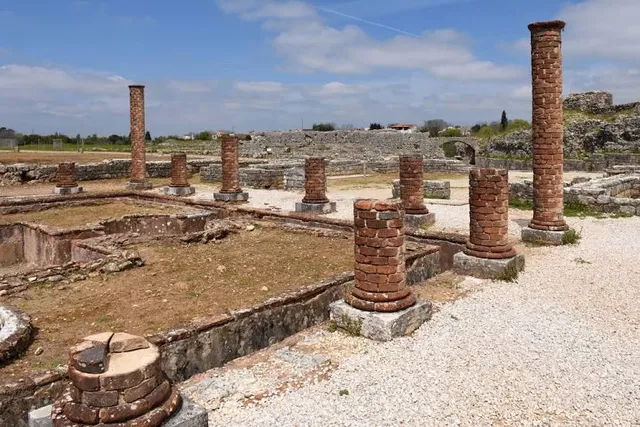
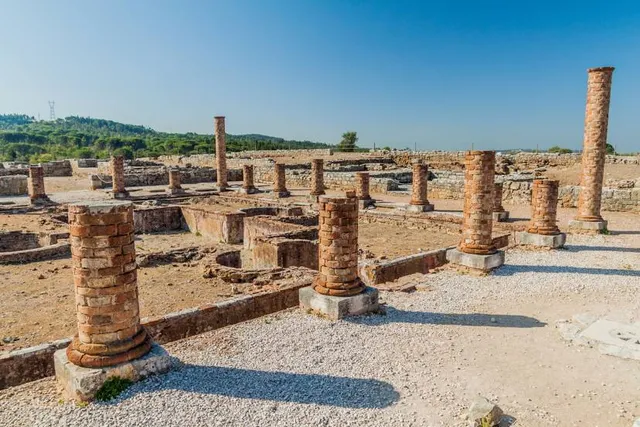
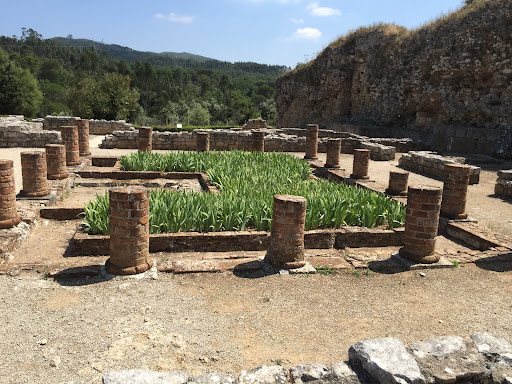
Conímbriga Ruins is a Roman archaeological site located in Condeixa-a-Nova, about 16 kilometers from Coimbra. It is one of the largest and best-preserved Roman settlements in the Iberian Peninsula, and is classified as a Portuguese National Monument.
Cónia or Cónio was founded by the Celts in the 2nd century BC and was conquered by the Romans in the 1st century AD. When was renamed to Conímbriga. It quickly became a prosperous city, serving as a major trade center on the Roman road network. Conímbriga was home to a population of around 10,000 people, and had all the amenities of a typical Roman city, including a forum, temples, baths, an amphitheater, and a necropolis.
At the 5th century AD, the Suevi arrived. The relationship between the Suevi and the local population was complex. While there was conflict, there was also some degree of integration. Nonetheless, the Suevi's raids and pillaging caused widespread devastation and it was gradually abandoned.
These events played a significant role in the history of Coimbra. Coimbra was much smaller and peripheral, called Emínio, at that time. And, Dioceses, were not only centers of religious authority, but also of political and administrative power. The Suevi's arrival led to the fortification of Emínio to protect it from attack. The bishop of Conímbriga moved to Emínio, together with the Episcopal Curia, bringing the local population. That was when the place called Emínio changed its name to Coimbra and began to represent greater political relevance.
It was not until the 19th century that Conímbriga was rediscovered, and archaeological excavations began. Guided tours are available in several languages and Conímbriga also has a small museum that houses a collection of artifacts found during the excavations. These artifacts include mosaics, statues, pottery, and coins.
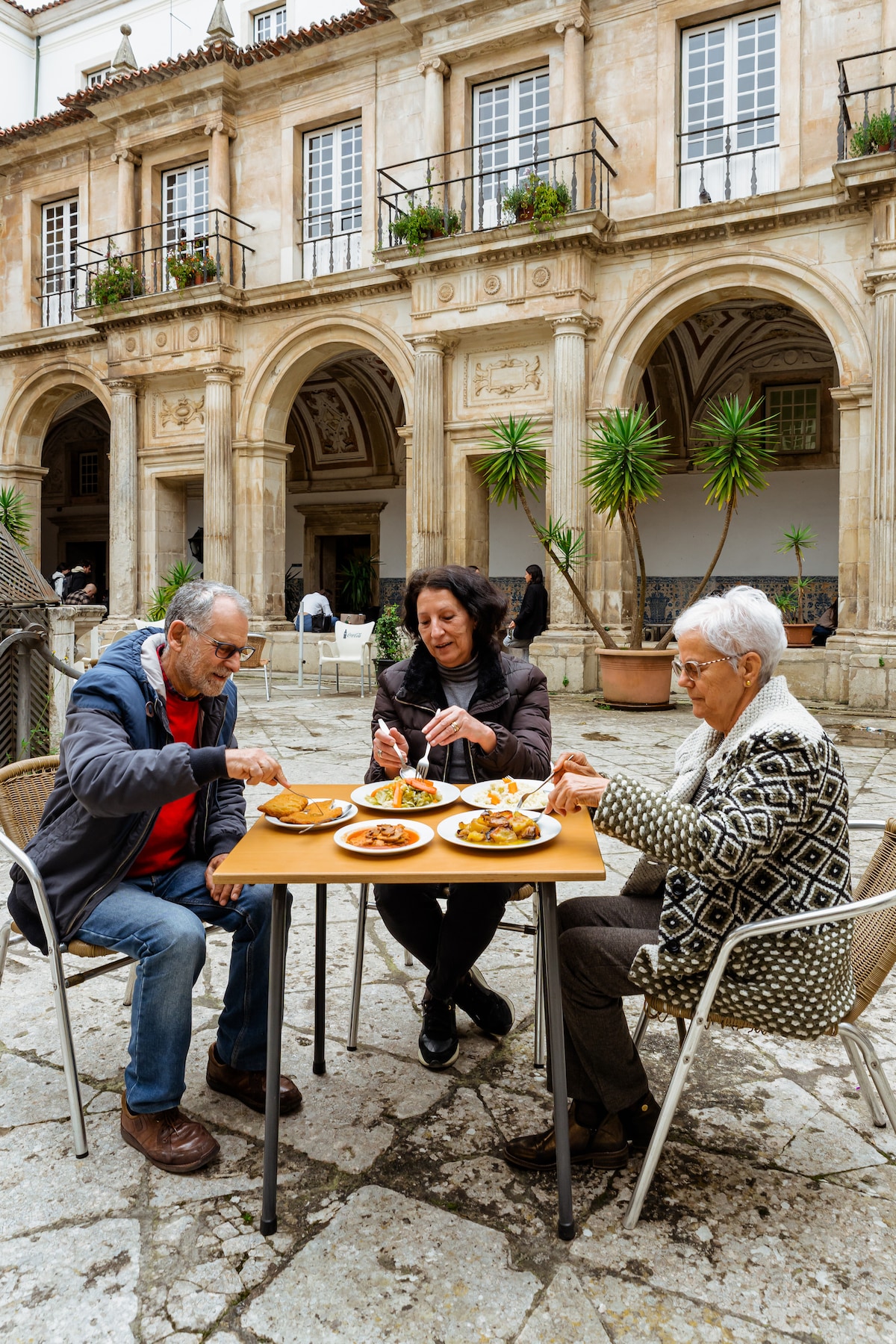
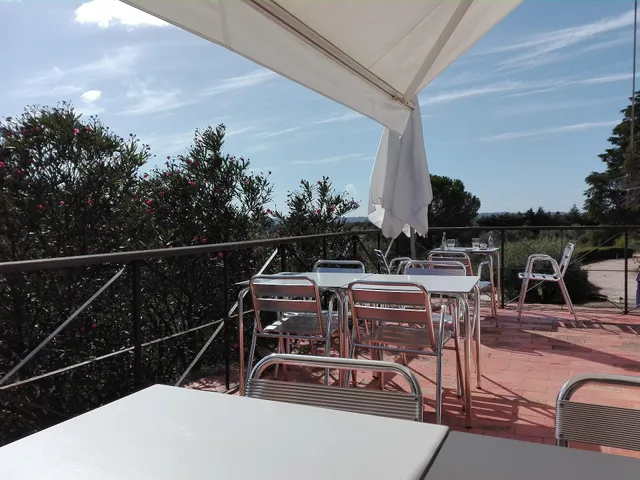
For family travelers, it's a beautiful place to spend a morning or afternoon. And during the visit, make a brief stop and rest. There is a small cafe on site to buy drinks and snacks and also wooded spaces with picnic tables separated from the archaeological area, which has some uneven levels and may require more attention with young children.
I hope you enjoy your...
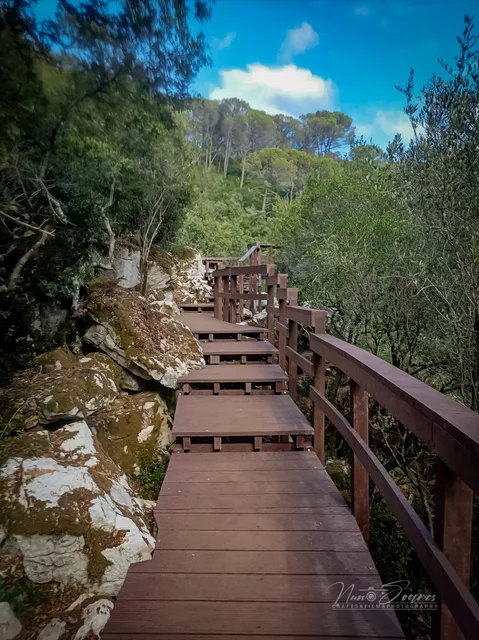
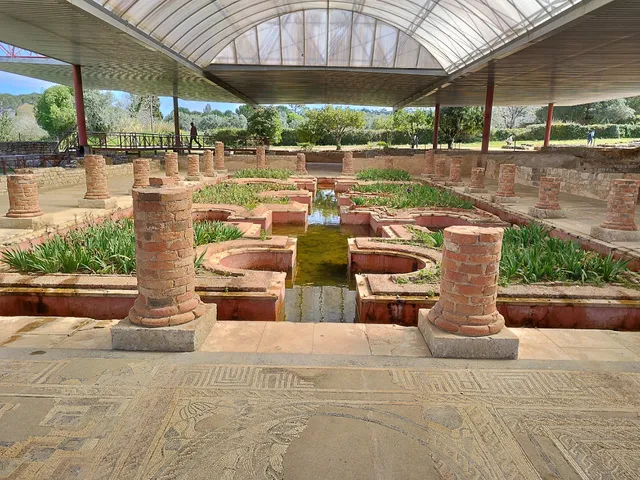
Read moreWell worth the trip out from Coimbra to see these extensive Roman ruins and the museum. The ruins are mostly open air with roped path and elevated walkways except for the restored fountain area which is covered by a large steel canopy. Many of the floor tile mosaics are exposed and in excellent condition.
There’s been many questions and few responses on how to reach these ruins if you are not driving yourself. Transdev, a local bus company who provides local bus service through much of northern Portugal, operates a 9:30 outbound to the museum parking lot and a 13:25 return bus. The logistics in Coimbra is confusing. The outbound bus leaves from the central bus station in Coimbra; however, DO NOT enter the bus station looking for or to catch the bus. Instead, stand at the exterior sidewalk bus stop located one or two doors down from the bus station (direction towards downtown Coimbra), on the same side of the street as the bus station. The bus stop signs note many bus numbers and routes, but not Transdev or Conimbriga. Watch for the Transdev bus pulling out from the bus station driveway, turning right and stopping at the bus stop. The route sign on the bus will say Conimbriga. Double check and ask the driver. The driver collects the bus toll in cash. At the ruins, the 13:25 bus was already waiting a little after 13:15 and actually left the parking lot a few minutes early. So leave plenty of time to catch the bus. I suggest walking the ruins first and going through the museum second, as it is close to the...
Read moreMuseum and Ruins of Conimbriga Don't miss a wonderful Conimbriga when you visit Coimbra. Sometimes tourists bypass Conimbriga. But it is interesting to visit. Conimbriga gave its name to Coimbra. The name of the city comes from the Celtic word “briga”, meaning fortified place. It was the first Celtic settlement in the ninth century BC. Later, in the I century AC Conimbriga became prosperous by the Romans. A huge forum, aqueduct, piping system for heating baths and even sewage system surprise modern tourists. Conimbriga has preserved the remains of luxury homes and public areas with stunning elements of mosaic floors. The city has fallen during the barbarian invasions, about 468. By 589, Conímbriga became to be the episcopal seat, and was transferred to Coimbra. In 1910 Conimbriga received the status of national cultural monument. In 1962 was founded the archaeological Museum of Conimbriga, which presents the artifacts found in the excavations. Although Conimbriga is not the largest Roman city in Portugal, it is best preserved. Before you go to the excavations, we recommend visiting the local Museum to understand what was on the place of the current ruins. You can have a delicious lunch (salads&sandwiches) on bar of Museum. Admission: 4,50€ OPEN - All year, Monday to Sunday from 10h00 to 19h00 Visit it by...
Read more