HTML SitemapExplore
logo
Find Things to DoFind The Best Restaurants

National Tile Museum — Attraction in Lisbon

Name
National Tile Museum
Description
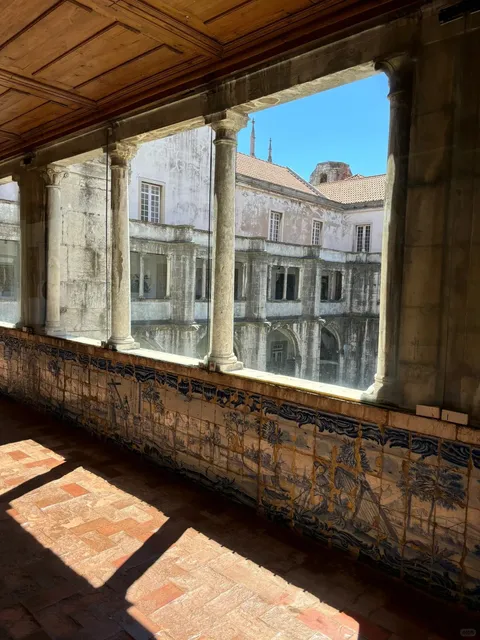
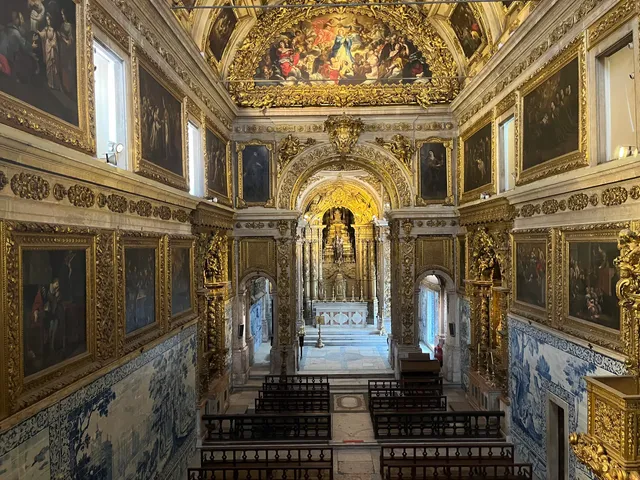
The Museu Nacional do Azulejo, occasionally known in English as the National Tile Museum, is an art museum in Lisbon, Portugal dedicated to the azulejo, traditional tilework of Portugal and the former Portuguese Empire, as well as of other Iberophone cultures.
Nearby attractions
Palácio de Xabregas
Rua de Xabregas 40, 1900-015 Lisboa, Portugal
Forte de Santa Apolónia
Calçada das Lajes, 1900-039 Lisboa, Portugal
Monastery of Santos-o-Novo
P. das Comendadeiras de Santos, 1900-312 Lisboa, Portugal
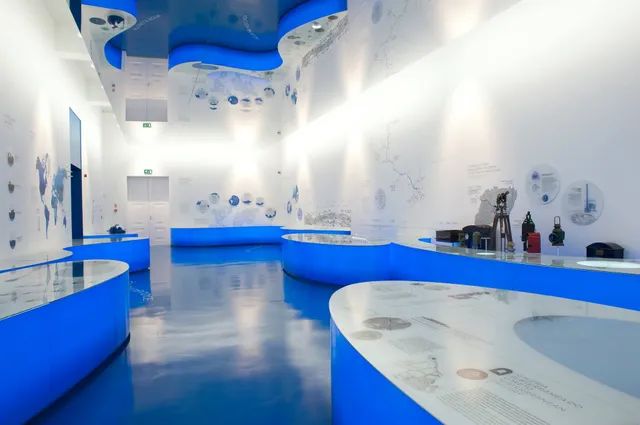
Water Museum
Rua do Alviela 12, 1170-012 Lisboa, Portugal
Church of Nossa Senhora da Porciúncula
Cc dos Barbadinhos 6, 1170-012 Lisboa, Portugal
Parque da Mata da Madre de Deus
R. José Bateira, 1900-278 Lisboa, Portugal
Casa Capitão
Rua do Grilo 119, 1950-146 Lisboa, Portugal
Nearby restaurants
Tribo da Terra
Rua de Xabregas 75, 1900-439 Lisboa, Portugal
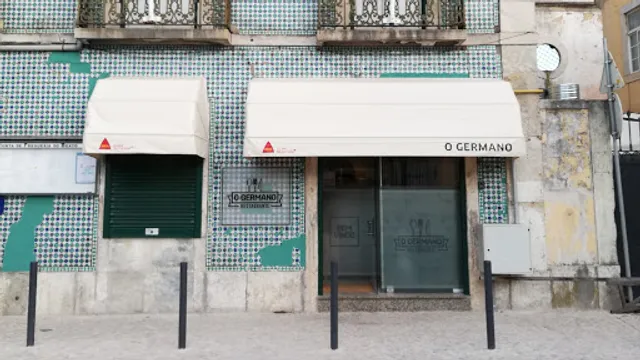
O Germano
Rua de Xabregas 71, 1900-439 Lisboa, Portugal
Marítima de Xabregas
Rua da Manutenção 40, 1900-320 Lisboa, Portugal
Churrasqueira Eusebio's
Calçada da Cruz da Pedra 1, 1900-173 Lisboa, Portugal
Restaurante Pastelaria Ideal
Calçada da Cruz da Pedra A, 1900-173 Lisboa, Portugal
Famintos
R. Paio Peres Correia 7C, 1900-363 Lisboa, Portugal
Cinnamon Restaurante Indiano | Penha de França
Av. Afonso III 70B, 1900-048 Lisboa, Portugal
Leitaria Tejo
Rua de Xabregas 21, 1900-438 Lisboa, Portugal
Soul kitchen & bar
Rua da Manutenção 76, 1900-321 Lisboa, Portugal
O Alfredo
Av. Afonso III 67A, 1900-041 Lisboa, Portugal
Related posts
Lisbon Tile Museum in Portugal 😍Portugal | National Tile Museum 🧩🪇🌴🇵🇹 | National Tile Museum in Lisbon, Portugal 😍Portugal Ceramic Tile MuseumLisbon | Highly recommend the National Tile Museum!!Lisbon 🌇✨ | National Tile Museum 🏛️🌺
Keywords
National Tile Museum tourism.National Tile Museum hotels.National Tile Museum bed and breakfast. flights to National Tile Museum.National Tile Museum attractions.National Tile Museum restaurants.National Tile Museum travel.National Tile Museum travel guide.National Tile Museum travel blog.National Tile Museum pictures.National Tile Museum photos.National Tile Museum travel tips.National Tile Museum maps.National Tile Museum things to do.
National Tile Museum things to do, attractions, restaurants, events info and trip planning
National Tile Museum
PortugalLisbonNational Tile Museum

Basic Info

National Tile Museum

R. Me. Deus 4, 1900-312 Lisboa, Portugal
4.6(6.5K)
Closed
Save
spot

Ratings & Description

Info

The Museu Nacional do Azulejo, occasionally known in English as the National Tile Museum, is an art museum in Lisbon, Portugal dedicated to the azulejo, traditional tilework of Portugal and the former Portuguese Empire, as well as of other Iberophone cultures.

Cultural
Accessibility
Family friendly
attractions: Palácio de Xabregas, Forte de Santa Apolónia, Monastery of Santos-o-Novo, Water Museum, Church of Nossa Senhora da Porciúncula, Parque da Mata da Madre de Deus, Casa Capitão, restaurants: Tribo da Terra, O Germano, Marítima de Xabregas, Churrasqueira Eusebio's, Restaurante Pastelaria Ideal, Famintos, Cinnamon Restaurante Indiano | Penha de França, Leitaria Tejo, Soul kitchen & bar, O Alfredo
logoLearn more insights from Wanderboat AI.
Phone
+351 21 810 0340
Website
museunacionaldoazulejo.pt
Open hoursSee all hours
Fri10 AM - 6 PMClosed

Plan your stay

hotel
Pet-friendly Hotels in Lisbon
Find a cozy hotel nearby and make it a full experience.

hotel
Affordable Hotels in Lisbon
Find a cozy hotel nearby and make it a full experience.

hotel
The Coolest Hotels You Haven't Heard Of (Yet)
Find a cozy hotel nearby and make it a full experience.

hotel
Trending Stays Worth the Hype in Lisbon
Find a cozy hotel nearby and make it a full experience.

Reviews

Nearby attractions of National Tile Museum

Palácio de Xabregas

Forte de Santa Apolónia

Monastery of Santos-o-Novo

Water Museum

Church of Nossa Senhora da Porciúncula

Parque da Mata da Madre de Deus

Casa Capitão

Palácio de Xabregas

Palácio de Xabregas

4.4

(269)

Open 24 hours
Click for details
Forte de Santa Apolónia

Forte de Santa Apolónia

3.5

(39)

Open until 12:00 AM
Click for details
Monastery of Santos-o-Novo

Monastery of Santos-o-Novo

4.2

(208)

Open 24 hours
Click for details
Water Museum

Water Museum

4.3

(504)

Open 24 hours
Click for details

Things to do nearby

Daytrip to Sintra from Lisbon - A True Experience
Fri, Dec 5 • 8:30 AM
1249-970, Lisbon, Portugal
View details
Portuguese Cuisine: 17 Tastings Lisbon Food Tour
Thu, Dec 4 • 11:00 AM
1100-053, Lisbon, Portugal
View details
Best of Lisbon walking tour
Thu, Dec 4 • 2:30 PM
1100-200, Lisbon, Portugal
View details

Nearby restaurants of National Tile Museum

Tribo da Terra

O Germano

Marítima de Xabregas

Churrasqueira Eusebio's

Restaurante Pastelaria Ideal

Famintos

Cinnamon Restaurante Indiano | Penha de França

Leitaria Tejo

Soul kitchen & bar

O Alfredo

Tribo da Terra

Tribo da Terra

4.7

(152)

Click for details
O Germano

O Germano

4.6

(146)

Click for details
Marítima de Xabregas

Marítima de Xabregas

4.1

(682)

Click for details
Churrasqueira Eusebio's

Churrasqueira Eusebio's

4.5

(135)

Click for details
Get the Appoverlay
Get the AppOne tap to find yournext favorite spots!
Wanderboat LogoWanderboat

Your everyday Al companion for getaway ideas

CompanyAbout Us
InformationAI Trip PlannerSitemap
SocialXInstagramTiktokLinkedin
LegalTerms of ServicePrivacy Policy

Get the app

© 2025 Wanderboat. All rights reserved.
logo

Reviews of National Tile Museum

4.6
(6,495)
avatar
5.0
2y

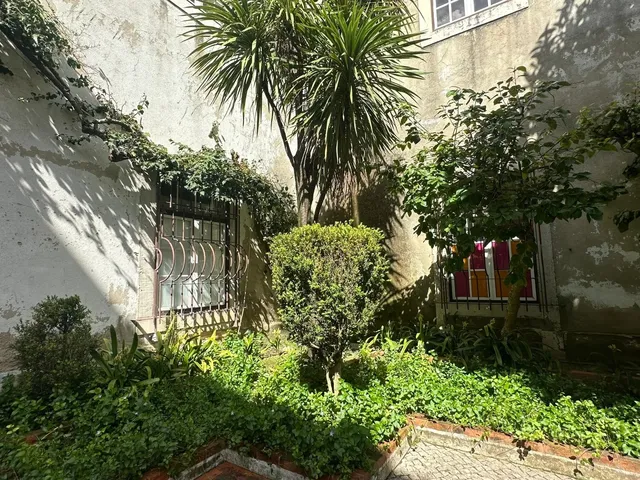
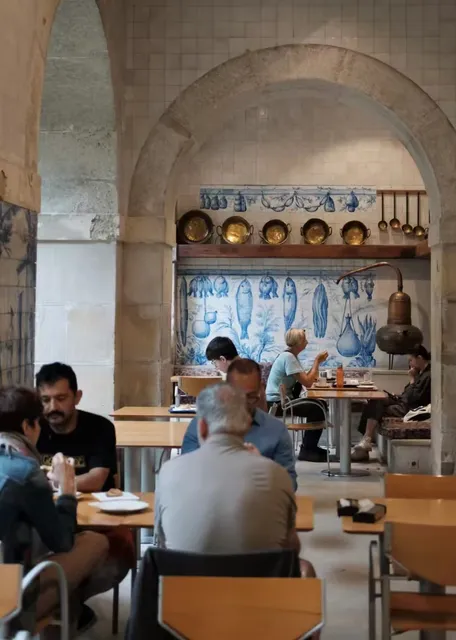
Besides all the great things one can do outside in Lisbon, there are plenty of things to do indoors. Exhibitions, palaces with access for the public, fairies and, of course, the museums. One of it to pay a visit is the National Tiles Museum. To be honest, I didn’t expect to be that huge as it turned out it actually is. And it is worth to spend some time in there. You should bring around two hours to make it through all the rooms, halls, chapels, churches and so on. Be careful when you decide about a time to go there. At times it is quite overcrowded and not only you have to wait in the line at the entry to get your ticket. It is, of course, then also very crowded inside which can be inconvenient, for sure. Saying this, it might be good to consider to get your tickets upfront online. The fee is actually 8€, which is fair considering what you’ll get in return. Once you entered the place and got off to your journey throughout the century old art of tiles creation and crafting, you are fairly free to choose which way you wanna take, which room to visit, which floor to climb next. It’s like having a walk through the history of Portugal from a unique point of view. And all the preceding centuries are well presented in this regard, until you arrive in the present. If you like to take pictures, keep your camera (or, as it is nowadays, your smartphone at the ready and shoot, shoot, shoot. The place also contains a shop where you can get a lot of precious pieces related to the topic. Not to forget the café. This is a cosy space on the ground floor with lots of seats inside and as well in a yard. A lot of plants will surround you outside and the atmosphere is nothing but comforting. I have to admit I was surprised by the prices there. Really reasonable given the quality you get back for your money. So, if you’re in the mood or are thirsty and/or hungry, don’t hesitate to...

   Read more
avatar
5.0
3y

I don't normally review museums, but in case you're on the fence as to whether or not to visit this one, I thought I'd share some photos to help you decide. In general the museums in Portugal have been a little underwhelming to me compared with those in Spain, but this one certainly bucks that trend and offers something unique to Portugal. Having visited so many art galleries and museums recently I was getting a little bored of seeing very similar exhibits and variations on the same themes, so to be presented with a huge collection of azulejos dating from the 15th century to the modern day was fascinating and very welcome. The building the museum is housed in is also very interesting and photogenic. Another plus was that it wasn't overly crowded, even on a Tuesday afternoon in late August, and costs a very reasonable €5 (standard adult) to enter. Bus 728 takes you very close to it (by Lidl), and runs all the way to/from the other side of the bridge (to the Jerónimos Monetary) and through the centre for €2 each, if paying on bus. The icing on the cake is the cafe/restaurant, which I wouldn't normally dream of using as most museum cafes are very overpriced, but this one had cold drinks for under €2 and sandwiches also for €2 (though I just bought a drink). In conclusion, I'd say this museum is well worth visiting and offers good value. Allow at least an hour to see everything, but you could easily spend a couple...

   Read more
avatar
4.0
1y

Museu Nacional do Azulejo: Uma visita imperdível

A minha visita ao Museu Nacional do Azulejo, localizado no antigo Convento da Madre de Deus, fundado em 1509 pela rainha D. Leonor, viúva de D. João II, foi uma oportunidade de conhecer a história do azulejo em Portugal, desde o século XV até aos dias de hoje. O Museu abriga no seu espólio uma extensa coleção que vai desde como o azulejo é fabricado, até à sua história, tendências e outros aspetos importantes que envolvem esse elemento decorativo e simbólico. A partir do século XVI, difundiu-se o uso do azulejo como revestimento de parede. Passa a ser uma arte que se destina a cobrir integralmente e ter a capacidade de transformar as estruturas arquitectónicas. É, também, associado ao azulejo uma mensagem que se pretende transmitir (função catequista), aspecto central da produção portuguesa, que a diferencia da produção de azulejos noutros locais. A visita ao museu começa com uma breve introdução à história do azulejo em Portugal. A cultura islâmica foi a primeira grande referência para os azulejos em Portugal. Os primeiros azulejos foram introduzidos em Portugal no século XV, vindos da Espanha. No início, eram utilizados para decorar igrejas e palácios, mas rapidamente se tornaram uma forma popular de decoração em toda a sociedade portuguesa. A visita segue depois para as salas onde estão expostas as coleções do museu. A primeira sala apresenta azulejos do século XV e XVI, dos quais se destacam os azulejos do Palácio Nacional da Ajuda, que retratam cenas de caça e de guerra. O painel conhecido como Nossa Senhora da Vida é uma das peças mais importantes da coleção do Museu e uma das peças chave da produção portuguesa do século XVI. Simula um retábulo em três partes, pintado sobre uma superfície de 1.498 azulejos, apresentando ao centro uma pintura com a Adoração dos Pastores, como se tratasse de uma pintura sobre tábua, com uma fina moldura de madeira. A segunda sala apresenta azulejos do século XVII, dos quais se destacam os azulejos de padrão, que são caracterizados por padrões geométricos repetidos. Destacam-se, os azulejos de cores azul, verde e amarelo, embora também apareçam os padrões de azul sobre fundo branco. A terceira sala apresenta azulejos do século XVIII, dos quais se destacam os azulejos barrocos, que são caracterizados por cenas religiosas e mitológicas. A quarta sala apresenta azulejos do século XIX e XX, dos quais se destacam os azulejos de temática histórica e social. A visita termina com uma sala que apresenta um painel de azulejos com uma vista de Lisboa antes do terramoto de 1755. Este painel é uma das peças mais impressionantes do museu e é um testemunho da importância do azulejo na história de Portugal. O painel foi encomendado pelo rei D. João V e foi concluído em 1738. O painel mede 34 metros de comprimento por 4,5 metros de altura e é composto por cerca de 15.000 azulejos. O painel representa uma vista da cidade de Lisboa a partir do rio Tejo. O painel é dividido em duas partes. A parte superior representa a cidade de Lisboa, com os seus edifícios mais emblemáticos, como o Castelo de São Jorge, o Mosteiro dos Jerónimos e a Torre de Belém. A parte inferior representa o rio Tejo, com as suas embarcações. A representação da cidade de Lisboa é muito realista e permite ao visitante ter uma ideia do que a cidade era antes do terramoto de 1755. O Museu Nacional do Azulejo é um museu muito bem organizado e com uma coleção de azulejos de grande qualidade. A visita é muito informativa e permite ao visitante conhecer a história do azulejo em Portugal de forma detalhada. Os azulejos expostos no museu são de uma beleza deslumbrante e são uma obra-prima da arte portuguesa. A visita é uma oportunidade única de apreciar estas obras de arte de perto. O museu poderia ter mais informações sobre a história do convento da Madre de Deus. Esta informação seria útil para contextualizar a visita e para compreender melhor a importância do convento na história da produção de azulejos...

   Read more
Page 1 of 7
Previous
Next

Posts

Lisbon Tile Museum in Portugal 😍
EmileEmile
Lisbon Tile Museum in Portugal 😍
Portugal | National Tile Museum 🧩🪇🌴
TateTate
Portugal | National Tile Museum 🧩🪇🌴
🇵🇹 | National Tile Museum in Lisbon, Portugal 😍
Emily AndersonEmily Anderson
🇵🇹 | National Tile Museum in Lisbon, Portugal 😍
See more posts
See more posts
hotel
Find your stay

Pet-friendly Hotels in Lisbon

Find a cozy hotel nearby and make it a full experience.

Lisbon Tile Museum in Portugal 😍
Emile

Emile

hotel
Find your stay

Affordable Hotels in Lisbon

Find a cozy hotel nearby and make it a full experience.

Get the Appoverlay
Get the AppOne tap to find yournext favorite spots!
Portugal | National Tile Museum 🧩🪇🌴
Tate

Tate

hotel
Find your stay

The Coolest Hotels You Haven't Heard Of (Yet)

Find a cozy hotel nearby and make it a full experience.

hotel
Find your stay

Trending Stays Worth the Hype in Lisbon

Find a cozy hotel nearby and make it a full experience.

🇵🇹 | National Tile Museum in Lisbon, Portugal 😍
Emily Anderson

Emily Anderson

See more posts
See more posts