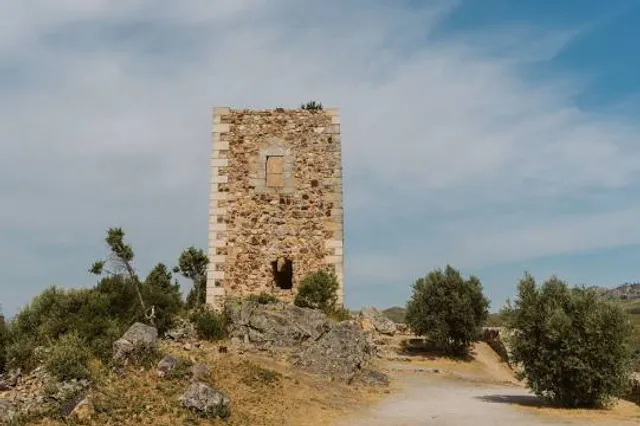
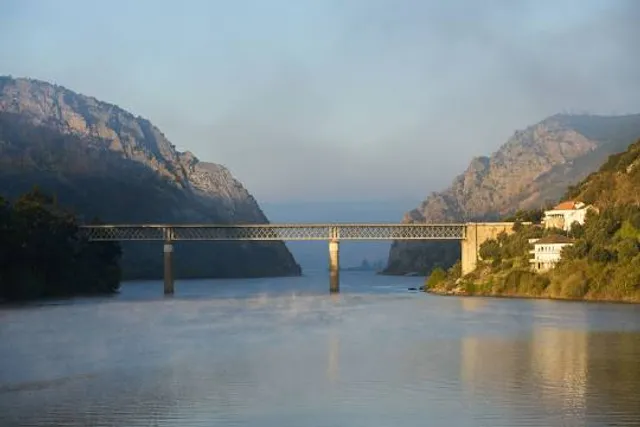
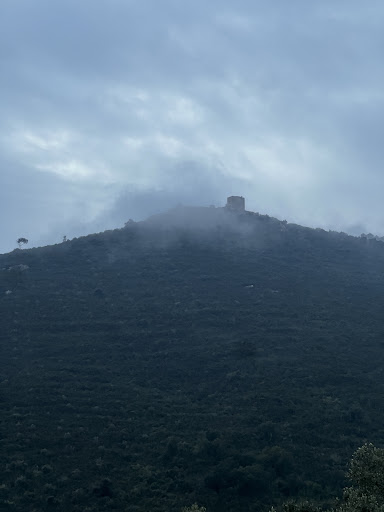
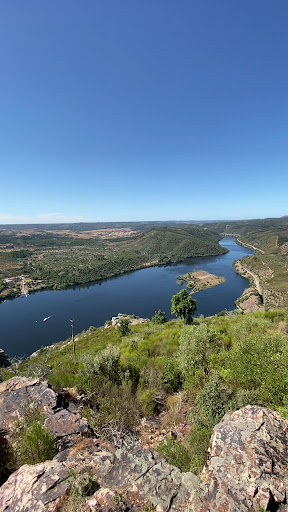
The Castle of King Wamba, perched above the landscape, offers visitors a deep connection with both nature and history. Accessible via a well-maintained walking trail, it provides stunning panoramic views of the Portas de Ródão and the Tejo River. The castle is enveloped in local legend, with tales of lost love and desperate pursuit adding mystery to its ruins. The quiet solitude of the site and its historical significance make it a memorable spot to visit, especially for those seeking tranquility and scenic beauty.
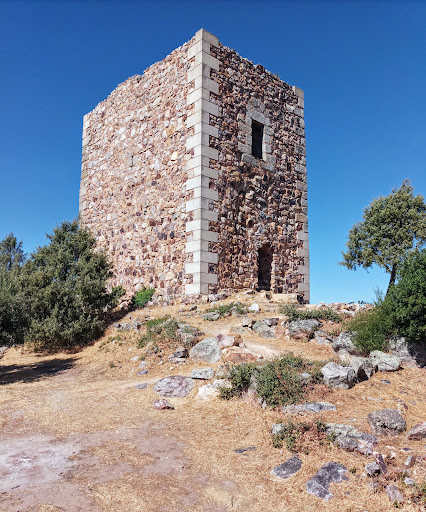
The Castle of King Wamba also known as Castle of Ródão, is now represented by the Torre da Atalaia, a military tower built around the 12th–13th centuries by the Knights Templar. It was originally constructed by King Wamba, a Visigothic king, and later occupied by the Moors. After being donated to King Sancho I, the tower played a key role in the Christian reconquest and was used as a strategic artillery base during the 1807 French invasion. The tower underwent restoration in the late 19th century by Marques de Alorna, with the most recent conservation work in 2007.
The tower, which is all that remains of the original castle, features only its walls standing. Inside, a steel staircase allows visitors to reach the top, offering a panoramic view of the Portas de Ródão from its highest point.
The location of the castle is easily accessible by car, with a well-maintained access road leading directly to a convenient parking area nearby, making it hassle-free to visit. Additionally, there are public restrooms which are clean...
Read moreCastelo de Ródão
Type: castle, tower, ruin Visits: possible Price: free Time spent: 20-30 min Parking: large WC: available, 2 min walk Bike parking: not available Path for disabled: not available
According to the legend, there was a tower in the 7th century and existed until the land was invaded. During the Reconquista period it was rebuilt and a chapel was built close to...
Read moreImplanta-se no topo do morro norte do monumento geológico denominado por Portas do Ródão, sobranceiro ao rio Tejo, sendo classificado como Imóvel de Interesse Público (Decreto n.º 45/93, DR de 30 novembro 1993, n.º 280).
Seria construído no final do século XII ou início do século XIII, num local de grande importância estratégica, com planta trapezoidal irregular e paramentos aprumados, de que conserva atualmente dois panos de muralha e torre de menagem no interior do recinto, seguindo o esquema dos castelos românicos. A torre, disposta no local mais elevado, tem planta retangular, paramentos aprumados e teria três pisos, já que no Tombo de 1505 se refere a existência de dois pisos sobradados, com acesso sobrelevado, virado ao rio, por portal em arco apontado, de provável feitura trecentista, tendo o tímpano inscrito e siglado. No interior, o pavimento do segundo piso apoiava-se na espessura do muro, mais grosso inferiormente, criando ressalto, e era pouco iluminado, por pequenas...
Read more