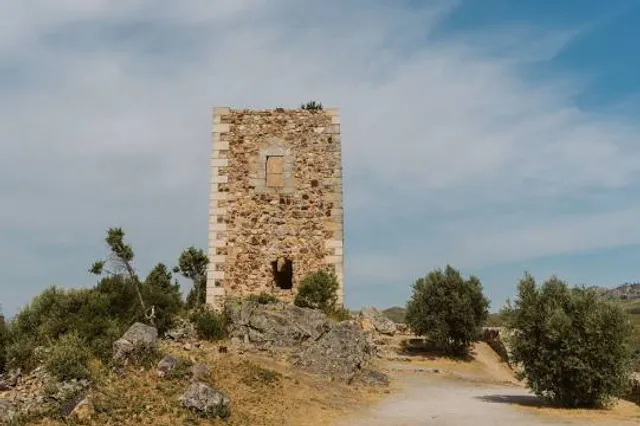
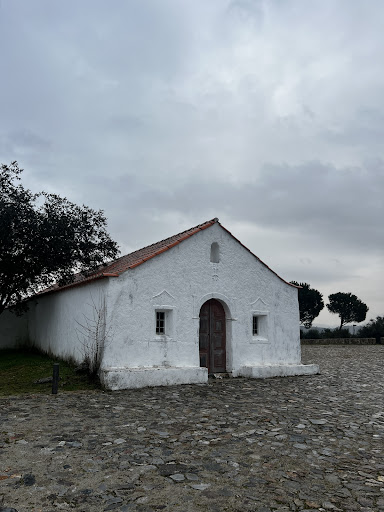
Visiting the Portas de Ródão Natural Monument was an unforgettable experience, even on a cloudy day. The clouds drifted over the imposing rock formations, creating a magical atmosphere. We climbed to the Castle of King Wamba, where we enjoyed breathtaking panoramic views. On the way to the castle, we passed by the Chapel of Our Lady of the Castle (Ermida de Nossa Senhora do Castelo). The entire surrounding area, from the chapel to the castle, was completely deserted, which enhanced the sense of peace and immersion in nature.
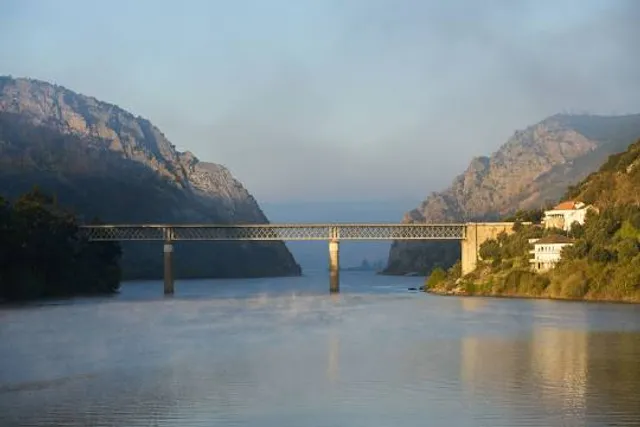
Later, we went down to the area near the Barca de Ródão Railway Tunnel, close to the bridge, to admire the Portas de Ródão from a different perspective. Although the sun was hidden behind the clouds, the contrast of light in the late afternoon created an incredible visual spectacle. The sunset, which takes place on the opposite side of the Portas, adds a unique light and a special atmosphere, making this the ideal time to visit.
Winter is also a great time to visit. The combination of clouds and wind creates a medieval atmosphere—gloomy but stunning, like stepping into an old folk tale.
I highly recommend this experience, especially in the late afternoon, to fully appreciate the beauty and tranquility of this...
Read moreNuma das minhas viagens a Castelo Branco, em pleno inverno, uma paragem em Vila Velha de Rodão para uma visita a este Monumento Nacional.
Um dia claro e com uma bonita luz que deu uma bonita foto deste monumento nacional.
Ainda aproveita para visita a Torre do Rei Wamba (Diz a lenda que foi construído pelo último Rei Visigodo e situa-se num local belíssimo à beira do Tejo. Tem fama de amaldiçoado e misterioso: o castelo do Rei Wamba).
Um pouco de história :
"As Portas de Ródão são uma formação geológica situada perto de Vila Velha de Ródão, resultante da intersecção do duro relevo quartzítico da Serra das Talhadas com o curso do rio Tejo. Neste local há um estreitamento do vale, que aqui corre entre duas paredes escarpadas, que atingem cerca de 170 m de altura, fazendo lembrar duas "portas", uma a norte no distrito de Castelo Branco, Beira Baixa, e outra a sul no concelho de Nisa, distrito de Portalegre, Alto Alentejo.
O encaixe do Tejo começou por erosão remontante, há cerca de 2,6 milhões de anos, aproveitando acidentes tectónicos associados à falha do Pônsul, e decorreu em várias etapas, reflectidas em terraços fluviais e plataformas embutidas por erosão, mais visíveis na margem direita a montante das Portas.
O grande lago e as grandes profundidades imediatamente a jusante das Portas testemunham a imponência da queda de água que aqui terá existido antes de se atingir a actual fase de equilíbrio.
No topo da "porta" norte, que é facilmente acessível por estrada, situa-se o pequeno castelo do Rei Wamba. Deste local vislumbra-se um vasto panorama sobre o vale do Tejo a jusante das Portas, com o Conhal do Arneiro, na margem esquerda, e o povoado paleolítico de Vilas Ruivas, na margem direita.
As Portas de Ródão são igualmente um local privilegiado de observação da avifauna, servindo de habitat à maior colónia de grifos de Portugal, assim como à cegonha-preta ou ao milhafre-real.
É um dos geossítios do Geoparque Naturtejo da Meseta...
Read moreVery informative area of the town indicating that a neolithic settlement was here 30 million years ago. It was also a stopping point for the Roman army around the time of Christ. The river is at its shollowist in the dry season to enable large scale crossing. There is also so much nature to observe here in current times. OK so the town is a little drab but the Waterside element has so much to offer. Boat trips, nice restaurant, motorhome parking with services in a quiet safe place. We kind of fell in love with this area of the town. An unexpected unexpectedly...
Read more