HTML SitemapExplore
logo
Find Things to DoFind The Best Restaurants

Bellu Cemetery — Attraction in Bucharest

Name
Bellu Cemetery
Description
Nearby attractions
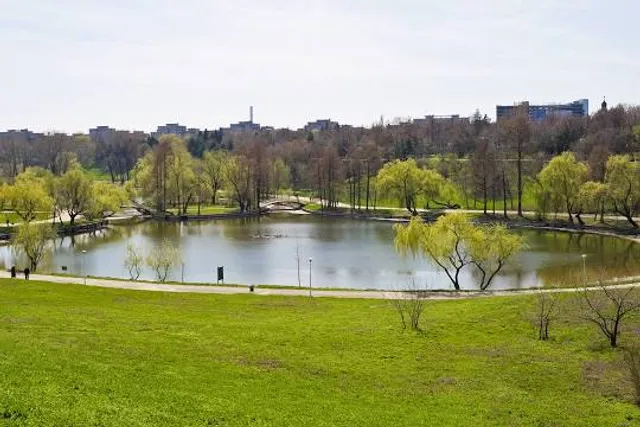
Tineretului Park
Sector 4, București, Romania
Children's Town Bucharest
București0 041701, Romania
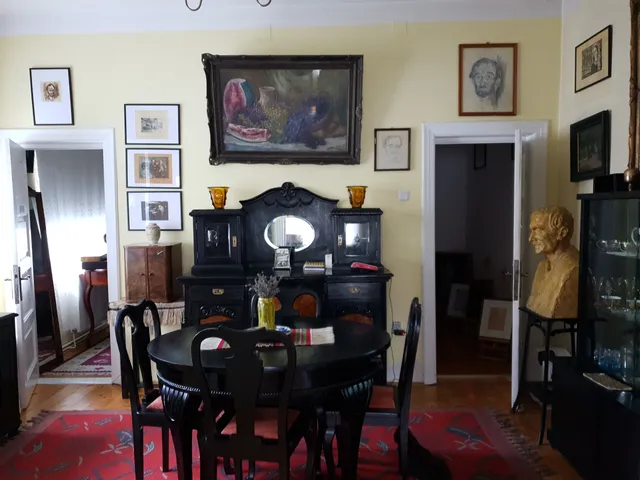
"George Bacovia" Memorial Museum
Strada George Bacovia 63, București 040691, Romania
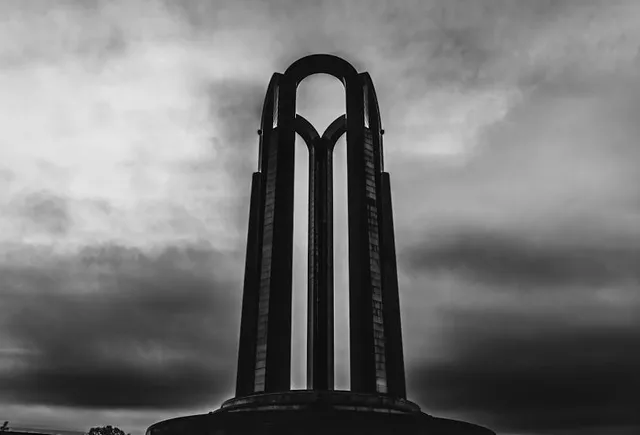
Tomb of the Unknown Soldier
Strada General Candiano Popescu 105, București, Romania
Lacul Tineretului
Bucharest, Romania
Roata Panoramică din Parcul Tineretului
Calea Piscului, București, Romania
Nearby restaurants
Related posts
Keywords
Bellu Cemetery tourism.Bellu Cemetery hotels.Bellu Cemetery bed and breakfast. flights to Bellu Cemetery.Bellu Cemetery attractions.Bellu Cemetery restaurants.Bellu Cemetery travel.Bellu Cemetery travel guide.Bellu Cemetery travel blog.Bellu Cemetery pictures.Bellu Cemetery photos.Bellu Cemetery travel tips.Bellu Cemetery maps.Bellu Cemetery things to do.
Bellu Cemetery things to do, attractions, restaurants, events info and trip planning
Bellu Cemetery
RomaniaBucharestBellu Cemetery

Basic Info

Bellu Cemetery

Calea Șerban Vodă 249, București 040208, Romania
4.5(150)
Open until 8:00 PM
Save
spot

Ratings & Description

Info

Cultural
Scenic
attractions: Tineretului Park, Children's Town Bucharest, "George Bacovia" Memorial Museum, Tomb of the Unknown Soldier, Lacul Tineretului, Roata Panoramică din Parcul Tineretului, restaurants:
logoLearn more insights from Wanderboat AI.
Phone
+40 372 739 095
Website
accu.ro
Open hoursSee all hours
Fri7 AM - 8 PMOpen

Plan your stay

hotel
Pet-friendly Hotels in Bucharest
Find a cozy hotel nearby and make it a full experience.
hotel
Affordable Hotels in Bucharest
Find a cozy hotel nearby and make it a full experience.
hotel
The Coolest Hotels You Haven't Heard Of (Yet)
Find a cozy hotel nearby and make it a full experience.
hotel
Trending Stays Worth the Hype in Bucharest
Find a cozy hotel nearby and make it a full experience.

Reviews

Nearby attractions of Bellu Cemetery

Tineretului Park

Children's Town Bucharest

"George Bacovia" Memorial Museum

Tomb of the Unknown Soldier

Lacul Tineretului

Roata Panoramică din Parcul Tineretului

Tineretului Park

Tineretului Park

4.5

(14.2K)

Open 24 hours
Click for details
Children's Town Bucharest

Children's Town Bucharest

4.5

(9.8K)

Open until 10:00 PM
Click for details
"George Bacovia" Memorial Museum

"George Bacovia" Memorial Museum

4.8

(179)

Open 24 hours
Click for details
Tomb of the Unknown Soldier

Tomb of the Unknown Soldier

4.5

(735)

Open until 12:00 AM
Click for details

Things to do nearby

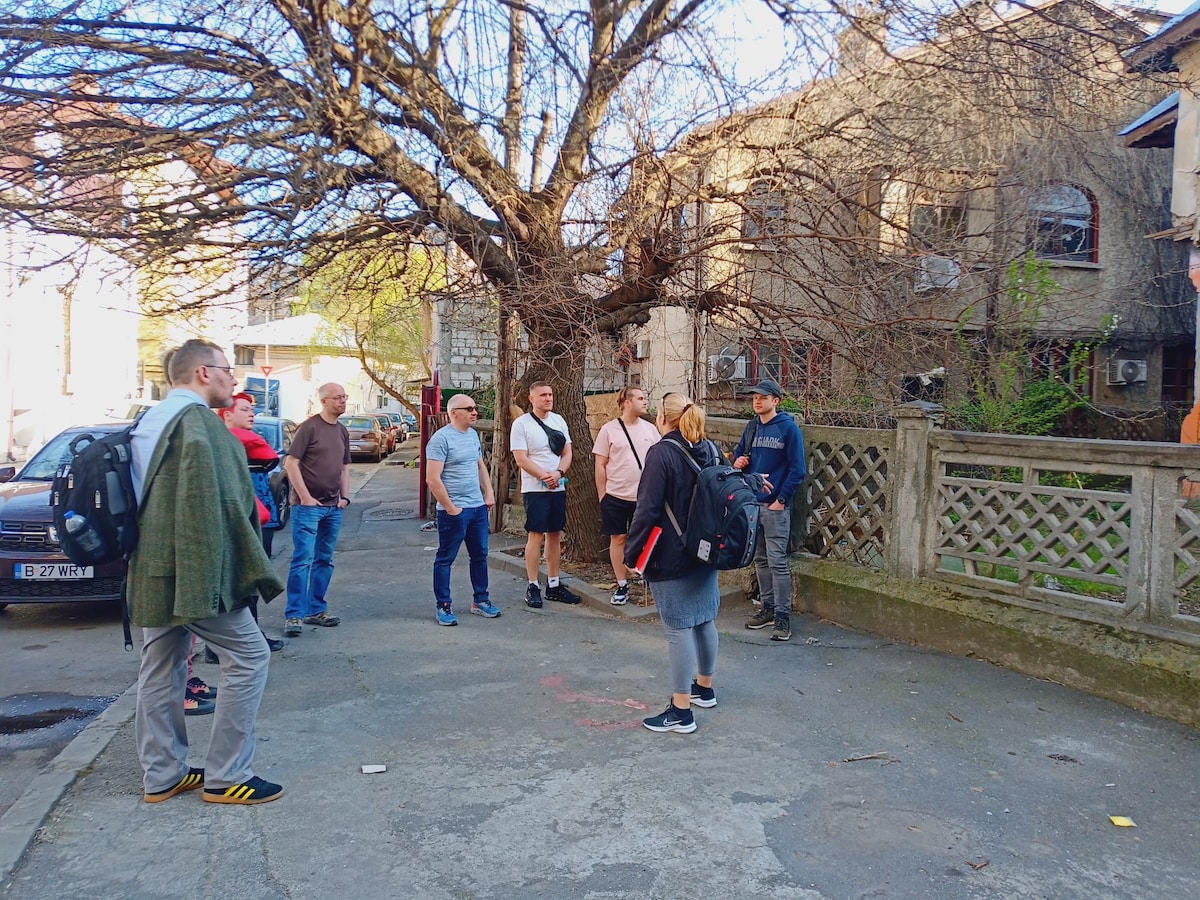
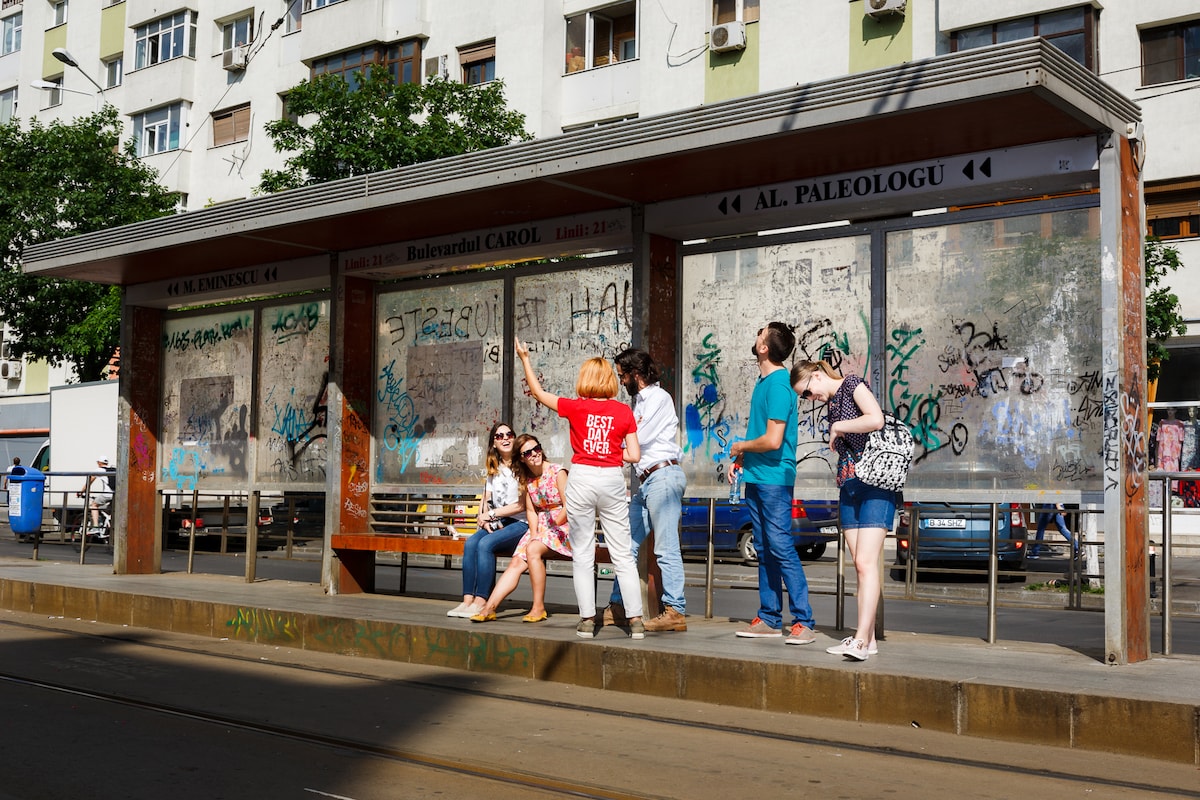
Bucharest Highlights Walking Tour
Fri, Dec 5 • 9:00 AM
Bucharest, Bucharest, 030167, Romania
View details
Explore Bucharests history through photos
Fri, Dec 5 • 2:30 PM
Bucharest, Bucharest, 010062, Romania
View details
Get the Appoverlay
Get the AppOne tap to find yournext favorite spots!
Wanderboat LogoWanderboat

Your everyday Al companion for getaway ideas

CompanyAbout Us
InformationAI Trip PlannerSitemap
SocialXInstagramTiktokLinkedin
LegalTerms of ServicePrivacy Policy

Get the app

© 2025 Wanderboat. All rights reserved.
logo

Reviews of Bellu Cemetery

4.5
(150)
avatar
5.0
2y

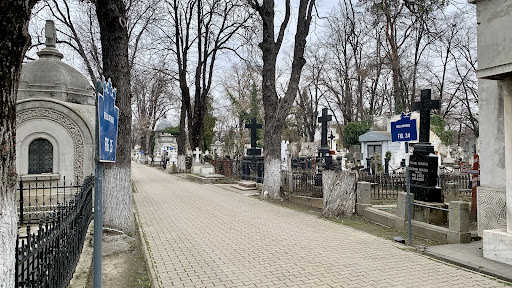
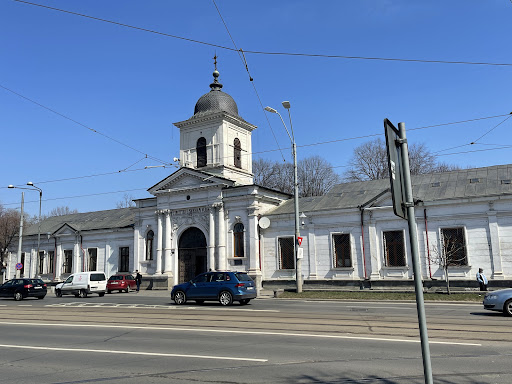
Until the middle of the 19th century, the people of Bucharest buried their dead in churchyards. There were a few cemeteries outside the city, where the poor, the common people, or those who died from plagues were buried. To be in step with the modern world, the Bucharest legislators abolished these cemeteries and decided in 1831 "Legislation for burials outside the city". In 1852, a commission of the City Council discussed the creation of other cemeteries outside Bucharest. One of these was located on Șerban-Vodă Street, where there was a large orange garden belonging to Baron Barbu Bellu (1825-1900), Minister of Religions and Justice. The land of about 15 hectares was donated by Bellu to the City Council, which, on November 26, 1852, decided to start the construction of the cemetery. The architect Alexandru Orăscu draws up the plans for erecting the chapel on the site where the church of Bellu the Elder (1799-1853), the baron's father, had once been. The interior was made by the painter Constantin Lecca. In the fall of 1855, the landscaping of the land began, the first burials were in 1856, and in September 1858 the cemetery began to operate legally. In 1859 the government passed the law by moving the buried from the city to this new cemetery. C. A. Rosetti, the initiator of the organization of the Bellu Cemetery, is the first concessionaire that we can find in the Cemeteries Archive. In November 1859 he bought a permanent place here for his daughter, Elena. He was followed by the writer Cezar Bolliac who, in 1860, buried his wife, Arisita, the daughter of the Izvoranu nobleman, here.

Since 1862, the Bellu Cemetery has been under the wing of the Bucharest Municipality, so when the old chapel was falling down, the mayor Pache Protopopescu laid the foundation stone for the new chapel that will be built in the style of the Karlsbad cathedral. It will be painted at first by Mihail Popp, and later repainted by Dimitrie Belisarie and Arthur Verona. Bellu Cemetery was 17 hectares in 1859, and currently measures 28 hectares.

In the Bellu cemetery there is also the Alley of Artists, the perimeter where the artists are buried.

The ensemble "Șerban Vodă - Bellu Cemetery" is listed in the List of Historical Monuments 2010 - Bucharest Municipality - at no. crt. 22438, LMI code...

   Read more
avatar
4.0
6y

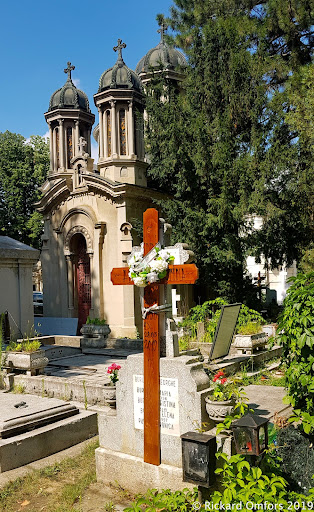
A visit during the tour, Dark Side of Bucharest. We had a very friendly and nice guide with us. She told many stories about the cemetery and some secrets about famous people beeing there.

The area has a very dark and sad history and not only for the ordinary reasons, also because of how some people has been handle by others.

You can get a lot of special photos and videos there.

There is also some nice view with arts, flowers and other plants.

One nice cat came to the group and...

   Read more
avatar
4.0
5y

Până la jumătatea secolului al XIX-lea bucureștenii își îngropau morții în curțile bisericilor. Existau câteva cimitire în afara orașului, unde erau înmormântați săracii, oamenii de rând sau cei morți în urma molimelor. Pentru a fi în pas cu lumea modernă, legiuitorii bucureșteni au desființat aceste cimitire și au hotărât în 1831 „Legiuirea pentru înmormântări afară din oraș”. În anul 1852 o comisie a Sfatului Orășenesc discută crearea altor cimitire în afara Bucureștiului. Unul dintre acestea era situat pe ulița Șerban-Vodă, unde se afla o grădină mare de portocali aparținând baronului Barbu Bellu (1825-1900), ministrul Cultelor și Justiției. Terenul de circa 15 hectare a fost donat de Bellu Sfatului Orășenesc care, la 26 noiembrie 1852, hotărăște începerea lucrărilor de amenajare a cimitirului. Arhitectul Alexandru Orăscuîntocmește planurile pentru ridicarea capelei pe locul unde fusese cândva biserica lui Bellu cel Bătrân (1799-1853), tatăl baronului. Interiorul era realizat de pictorul Constantin Lecca. În toamna lui 1855 încep amenajările terenului, primele înmormântări fiind în 1856, iar în septembrie 1858 cimitirul începe să funcționeze legal. În 1859 guvernul trece la aplicarea legii, prin mutarea celor înhumați din oraș în acest nou cimitir. C. A. Rosetti, inițiatorul organizării Cimitirului Bellu, este primul concesionar pe care îl putem găsi în Arhiva...

   Read more
Page 1 of 7
Previous
Next

Posts

Petre Mitrea (QoL Research)Petre Mitrea (QoL Research)
Until the middle of the 19th century, the people of Bucharest buried their dead in churchyards. There were a few cemeteries outside the city, where the poor, the common people, or those who died from plagues were buried. To be in step with the modern world, the Bucharest legislators abolished these cemeteries and decided in 1831 "Legislation for burials outside the city". In 1852, a commission of the City Council discussed the creation of other cemeteries outside Bucharest. One of these was located on Șerban-Vodă Street, where there was a large orange garden belonging to Baron Barbu Bellu (1825-1900), Minister of Religions and Justice. The land of about 15 hectares was donated by Bellu to the City Council, which, on November 26, 1852, decided to start the construction of the cemetery. The architect Alexandru Orăscu draws up the plans for erecting the chapel on the site where the church of Bellu the Elder (1799-1853), the baron's father, had once been. The interior was made by the painter Constantin Lecca. In the fall of 1855, the landscaping of the land began, the first burials were in 1856, and in September 1858 the cemetery began to operate legally. In 1859 the government passed the law by moving the buried from the city to this new cemetery. C. A. Rosetti, the initiator of the organization of the Bellu Cemetery, is the first concessionaire that we can find in the Cemeteries Archive. In November 1859 he bought a permanent place here for his daughter, Elena. He was followed by the writer Cezar Bolliac who, in 1860, buried his wife, Arisita, the daughter of the Izvoranu nobleman, here. Since 1862, the Bellu Cemetery has been under the wing of the Bucharest Municipality, so when the old chapel was falling down, the mayor Pache Protopopescu laid the foundation stone for the new chapel that will be built in the style of the Karlsbad cathedral. It will be painted at first by Mihail Popp, and later repainted by Dimitrie Belisarie and Arthur Verona. Bellu Cemetery was 17 hectares in 1859, and currently measures 28 hectares. In the Bellu cemetery there is also the Alley of Artists, the perimeter where the artists are buried. The ensemble "Șerban Vodă - Bellu Cemetery" is listed in the List of Historical Monuments 2010 - Bucharest Municipality - at no. crt. 22438, LMI code B-IV-a-B-20118.
Rickard ORickard O
A visit during the tour, Dark Side of Bucharest. We had a very friendly and nice guide with us. She told many stories about the cemetery and some secrets about famous people beeing there. The area has a very dark and sad history and not only for the ordinary reasons, also because of how some people has been handle by others. You can get a lot of special photos and videos there. There is also some nice view with arts, flowers and other plants. One nice cat came to the group and followed us.
Liliana PopaLiliana Popa
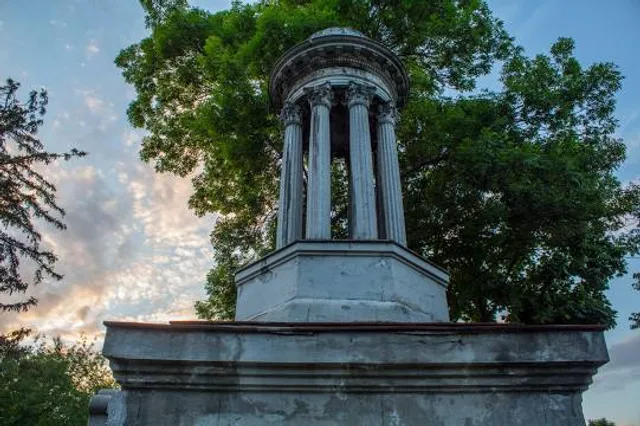
remarkable citizens of Romania. A large number of personalities of Romanian culture are buried here, including national poets Mihai Eminescu, George Cosbuc, Mihail Sadoveanu, Ion Luca Caragiale, etc. the great actor Toma Caragiu, Constantin Tănase, architect GM Cantacuzino. It has some interesting monuments, especially from the beginning of the 20th century. Free entrance and toilet available.
See more posts
See more posts
hotel
Find your stay

Pet-friendly Hotels in Bucharest

Find a cozy hotel nearby and make it a full experience.

Until the middle of the 19th century, the people of Bucharest buried their dead in churchyards. There were a few cemeteries outside the city, where the poor, the common people, or those who died from plagues were buried. To be in step with the modern world, the Bucharest legislators abolished these cemeteries and decided in 1831 "Legislation for burials outside the city". In 1852, a commission of the City Council discussed the creation of other cemeteries outside Bucharest. One of these was located on Șerban-Vodă Street, where there was a large orange garden belonging to Baron Barbu Bellu (1825-1900), Minister of Religions and Justice. The land of about 15 hectares was donated by Bellu to the City Council, which, on November 26, 1852, decided to start the construction of the cemetery. The architect Alexandru Orăscu draws up the plans for erecting the chapel on the site where the church of Bellu the Elder (1799-1853), the baron's father, had once been. The interior was made by the painter Constantin Lecca. In the fall of 1855, the landscaping of the land began, the first burials were in 1856, and in September 1858 the cemetery began to operate legally. In 1859 the government passed the law by moving the buried from the city to this new cemetery. C. A. Rosetti, the initiator of the organization of the Bellu Cemetery, is the first concessionaire that we can find in the Cemeteries Archive. In November 1859 he bought a permanent place here for his daughter, Elena. He was followed by the writer Cezar Bolliac who, in 1860, buried his wife, Arisita, the daughter of the Izvoranu nobleman, here. Since 1862, the Bellu Cemetery has been under the wing of the Bucharest Municipality, so when the old chapel was falling down, the mayor Pache Protopopescu laid the foundation stone for the new chapel that will be built in the style of the Karlsbad cathedral. It will be painted at first by Mihail Popp, and later repainted by Dimitrie Belisarie and Arthur Verona. Bellu Cemetery was 17 hectares in 1859, and currently measures 28 hectares. In the Bellu cemetery there is also the Alley of Artists, the perimeter where the artists are buried. The ensemble "Șerban Vodă - Bellu Cemetery" is listed in the List of Historical Monuments 2010 - Bucharest Municipality - at no. crt. 22438, LMI code B-IV-a-B-20118.
Petre Mitrea (QoL Research)

Petre Mitrea (QoL Research)

hotel
Find your stay

Affordable Hotels in Bucharest

Find a cozy hotel nearby and make it a full experience.

Get the Appoverlay
Get the AppOne tap to find yournext favorite spots!
A visit during the tour, Dark Side of Bucharest. We had a very friendly and nice guide with us. She told many stories about the cemetery and some secrets about famous people beeing there. The area has a very dark and sad history and not only for the ordinary reasons, also because of how some people has been handle by others. You can get a lot of special photos and videos there. There is also some nice view with arts, flowers and other plants. One nice cat came to the group and followed us.
Rickard O

Rickard O

hotel
Find your stay

The Coolest Hotels You Haven't Heard Of (Yet)

Find a cozy hotel nearby and make it a full experience.

hotel
Find your stay

Trending Stays Worth the Hype in Bucharest

Find a cozy hotel nearby and make it a full experience.

remarkable citizens of Romania. A large number of personalities of Romanian culture are buried here, including national poets Mihai Eminescu, George Cosbuc, Mihail Sadoveanu, Ion Luca Caragiale, etc. the great actor Toma Caragiu, Constantin Tănase, architect GM Cantacuzino. It has some interesting monuments, especially from the beginning of the 20th century. Free entrance and toilet available.
Liliana Popa

Liliana Popa

See more posts
See more posts