HTML SitemapExplore
logo
Find Things to DoFind The Best Restaurants

Red Lake — Attraction in Gheorgheni

Name
Red Lake
Description
Red Lake is a census-designated place within the Lower Red Lake unorganized territory located in Beltrami County, Minnesota, United States. As of the 2020 census, Red Lake had a total population of 1,786. The Red Lake Indian Reservation is based in Red Lake.
Nearby attractions
Nearby restaurants
Related posts
Keywords
Red Lake tourism.Red Lake hotels.Red Lake bed and breakfast. flights to Red Lake.Red Lake attractions.Red Lake restaurants.Red Lake travel.Red Lake travel guide.Red Lake travel blog.Red Lake pictures.Red Lake photos.Red Lake travel tips.Red Lake maps.Red Lake things to do.
Red Lake things to do, attractions, restaurants, events info and trip planning
Red Lake
RomaniaHarghitaGheorgheniRed Lake

Basic Info

Red Lake

Romania
4.6(2.3K)
Open 24 hours
Save
spot

Ratings & Description

Info

Red Lake is a census-designated place within the Lower Red Lake unorganized territory located in Beltrami County, Minnesota, United States. As of the 2020 census, Red Lake had a total population of 1,786. The Red Lake Indian Reservation is based in Red Lake.

Outdoor
Adventure
Family friendly
attractions: , restaurants:
logoLearn more insights from Wanderboat AI.

Plan your stay

hotel
Pet-friendly Hotels in Gheorgheni
Find a cozy hotel nearby and make it a full experience.
hotel
Affordable Hotels in Gheorgheni
Find a cozy hotel nearby and make it a full experience.
hotel
The Coolest Hotels You Haven't Heard Of (Yet)
Find a cozy hotel nearby and make it a full experience.
hotel
Trending Stays Worth the Hype in Gheorgheni
Find a cozy hotel nearby and make it a full experience.

Reviews

Get the Appoverlay
Get the AppOne tap to find yournext favorite spots!
Wanderboat LogoWanderboat

Your everyday Al companion for getaway ideas

CompanyAbout Us
InformationAI Trip PlannerSitemap
SocialXInstagramTiktokLinkedin
LegalTerms of ServicePrivacy Policy

Get the app

© 2025 Wanderboat. All rights reserved.
logo

Reviews of Red Lake

4.6
(2,314)
avatar
5.0
2y

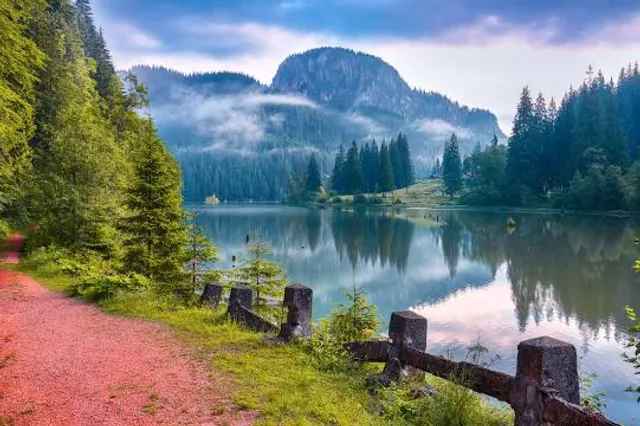
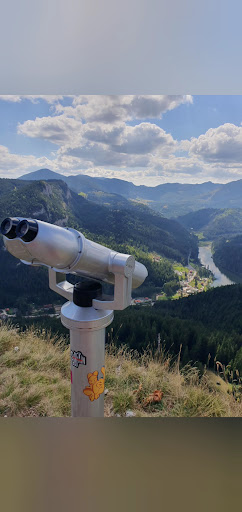
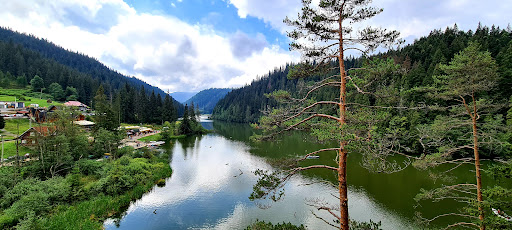
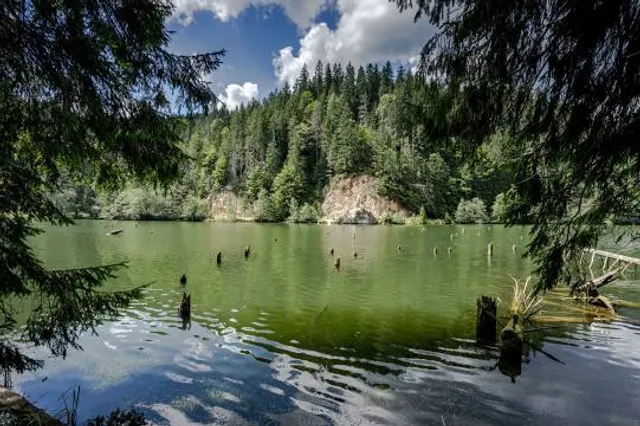
Red Lake is a natural dam lake in Harghita County, Romania. It is located in the Hășmaș Mountains, on the upper course of the Bicaz River, and lies at the foot of the Hășmașul Mare Peak [ro], near the Bicaz Gorge, at a distance of 26 km (16 mi) from Gheorgheni and 30 km (19 mi) from Bicaz.

The lake formed following the collapse of a slope due to the earthquake of January 23, 1838 at 18:45, measuring 6.9 magnitude on the Richter scale, VIII intensity. The landslide blocked the course of the Bicaz River and the lake formed behind this dam.

The Red Lake is located between Suhardul Mic and Suhardul Mare peaks on the north side, the Podu Calului Mountains to the south-west, the Licaș and Chișhovoș Mountains to the north-west, the Făgetul Ciucului peak to the north-east, and Muntele Ucigaș (The Killer Mount) to the east.

My personal opinion: We are going here every season and we have the same good time every time, the path is easy and accessible for everyone. Even sitting next to the lake and enjoying the view makes the trip worth the time. The drive is wonderful up through the mountain pass narrow in places. Everything is beautiful and the path is kept clean. The location provides a well marked (red cross on white background) circular walk around the lake which takes an hour or so. There is parking available although we were staying at Hotel Lacu Rosu, so this wasn’t needed. The location is an excellent stopping off between Gura Humorului and Brasov. There are lots of stalls selling the usual tourist stuff and nearby toilets so even if not staying overnight it is a useful stopping off point. It was very quiet, almost deserted during our mid October visit but can imagine it gets very busy in mid-summer. Please do not...

   Read more
avatar
4.0
3y

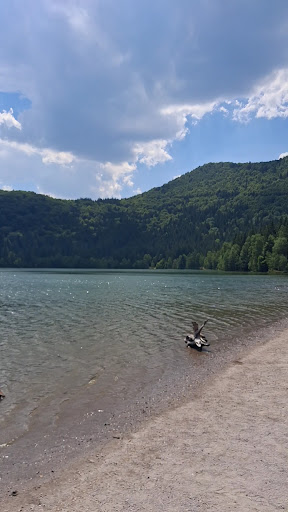
Almost 200years old natural lake, could possibly dry up by end of the century. Dead tree trunks in the lake tell the story of its quick formation * (see below). Complete walk around it possible in ab 40-60mins (although crossing of the creek (the one near the boats) might be a bit difficult). Some benches also placed around it to sit down. There were boats to rent during the summer, but not all of the lake could be sailed on.. some parts were understandably closed/protected. Cristal clear water, you could see some fish on the top. Some wild ducks also present. Virgin forest surrounding, clean fresh air. Definitely worth the trail walk.

Unfortunately cleanliness of the surroundings was lacking.. no trashbins and way to many toilet papers along the trail. Only one public toilet station (only 3 RON entrance), which was at the end of the market area.

The lake's name come from the hungarian 'gyilkos' meaning killer, then translated to romanian 'roşu', meaning red. The word 'killer/ red' comes from the legend of the lake's formation. A young girl who promised her heart to someone was taken against her will by another to be married.. her cries evoked a huge storm, causing the mountains to shake and rocks to fall and kill her, her robber and the sheep herd of the village. These rocks acted as a natural dam and...

   Read more
avatar
5.0
4y

Gyilkos - tó

A Békás-szorostól csak pár kilométerre fekvő Gyilkos-tó, Erdély egyik legszebb torlasztava, mely 983 m tengerszint feletti magasságban található. A tó földcsuszamlás, völgyelzáródás által jött létre 1837-ben. A tóból fenyőfák állnak ki . A Gyilkos nevet onnan kapta, hogy a folklór szerint a drasztikusan és váratlanul feltöltődő tóban nyájak és pásztorok lelték halálukat. A környék meseszép , valódi látványosság a magashegyi vidék : haragoszöld rétek, mezők , legelõk, sietős száguldó patakok, hatalmas fenyvesek, tekervényes kacskaringós utak, magasztosan meseszép látképpel . Legszívesebben 100 méterenként megállna az ember nézelõdni, fényképezni. Nehéz elszakadni ettõl a csodálatos helytõl, de ha elindulunk a Hagymás-patak völgyén keresztül, rövidesenn elérhetünk a 983 m magasan elterülõ páratlan természeti ritkasághoz, a Gyilkos-tóhoz. Orbán Balázs a „Székelyföld leírása” című művében nem leplezi csodálatát, amikor így ír: „ A legmeglepõbb, a legelragadóbb képek egyike áll elõttünk. Még ma is, aki felsõ Olaszország nagyszerű és Svájcnak nagyszerű tavait látta, bámulattal fog e látvány elõtt megállni. Nagyobbszerű tüneményt talán igen, de szebbet, vonzóbbat bizonnyal nem rejtenek a havasok keblökben.” Ennél megragadóbban aligha lehetne szólni Székelyföld egyik legelbűvölőbb természeti ritkaságáról. 1837 egyik tomboló ítéletidőnek éjjelén a semmibõl képződött. A gyilkos-hely szétázott földje lecsúszott a szurdokba és elrekesztette az ott folyó Hagymás, Cohárd, Vereskõ és Likas patakok medrét. Az így létrejött gát hatására tóvá duzzadva alakult ki ez a természeti különlegesség. A tó létrejöttének számtalan mondáját alátámasztja a titokzatos, sejtelmes atmoszféra, melyet a tó medrébõl még ma is kiálló megkövesedett fatörzsek látképe tesz mélyrehatóvá. A látványos benyomást a tó köré tömörülő csúcsok teszik lenyűgözővé, úgymint a Kis-Cohárd (1352 m), Nagy-Cohárd (1507 m) és a Gyilkos-kõ (1406 m). A tó vize gyakorta és rendszeresen vörhenyes színű, amely nevéhez társítva már-már borzongatóan félelmetesen hat. A bűnős a jelenségben a Vereskõ-patak, amely nagyobb csapadékozás idején kioldja a környezet vasokker tartalmát, és megszínezi a tó vizét. A mítosz másik verziója mindazonáltal az állítások ellenére konokul tartja magát, mely szerint a tó kialakulásakor a föld csordapásztorokat is maga alá temetett, s az õ vérük festi vörössé a vizet. A tó körül magas szintű idegenforgalmi ellátás jött létre, a Békás-szoros közellétének jóvoltából. Amennyiben csak néhány órát töltünk a Gyilkos-tó környékén, akkor is béreljünk csónakot, amivel a kidõlt fenyõcsonkok között ügyesen taktikázva csónakázhatunk a tó egy részén. Emlékei között majd csodálatosan nagyszerű helyet foglal majd el az az egy, vagy fél óra, amit a tavon tölt. Béke, csend , harmónia, elragadó természeti szépség , rejtelmes hangulat, kihívás, mellettünk szelíden úszó tõkésrécék, körbe-körbe impozáns és grandiózus hegyormok, kristálytiszta levegõ. Ugye jól hangzik? Akinek több ideje van, mindenképpen sétáljon föl a Kis-Cohárd-sziklához (kék háromszög jelzés kb. másfél óra oda-vissza), ahonnan káprázatos látvány az ajándékunk a Gyilkos-tóra és a környék meseszép hegycsúcsaira. A környék, a Gyilkos-tó és a Békás-szoros 1996-tól nemzeti park. Egy könnyed séta alkalmából érdemes a tavat körbe is kerülni, hiszen jól járható, jelzéssel ellátott ösvényen fedezhetjük fel ezt az egyedülálló...

   Read more

Page 1 of 7
Previous
Next

Posts

Vieru Andrei-SilviuVieru Andrei-Silviu
Red Lake is a natural dam lake in Harghita County, Romania. It is located in the Hășmaș Mountains, on the upper course of the Bicaz River, and lies at the foot of the Hășmașul Mare Peak [ro], near the Bicaz Gorge, at a distance of 26 km (16 mi) from Gheorgheni and 30 km (19 mi) from Bicaz. The lake formed following the collapse of a slope due to the earthquake of January 23, 1838 at 18:45, measuring 6.9 magnitude on the Richter scale, VIII intensity. The landslide blocked the course of the Bicaz River and the lake formed behind this dam. The Red Lake is located between Suhardul Mic and Suhardul Mare peaks on the north side, the Podu Calului Mountains to the south-west, the Licaș and Chișhovoș Mountains to the north-west, the Făgetul Ciucului peak to the north-east, and Muntele Ucigaș (The Killer Mount) to the east. My personal opinion: We are going here every season and we have the same good time every time, the path is easy and accessible for everyone. Even sitting next to the lake and enjoying the view makes the trip worth the time. The drive is wonderful up through the mountain pass narrow in places. Everything is beautiful and the path is kept clean. The location provides a well marked (red cross on white background) circular walk around the lake which takes an hour or so. There is parking available although we were staying at Hotel Lacu Rosu, so this wasn’t needed. The location is an excellent stopping off between Gura Humorului and Brasov. There are lots of stalls selling the usual tourist stuff and nearby toilets so even if not staying overnight it is a useful stopping off point. It was very quiet, almost deserted during our mid October visit but can imagine it gets very busy in mid-summer. Please do not litter. Thank you.
CJCJ
Almost 200years old natural lake, could possibly dry up by end of the century. Dead tree trunks in the lake tell the story of its quick formation * (see below). Complete walk around it possible in ab 40-60mins (although crossing of the creek (the one near the boats) might be a bit difficult). Some benches also placed around it to sit down. There were boats to rent during the summer, but not all of the lake could be sailed on.. some parts were understandably closed/protected. Cristal clear water, you could see some fish on the top. Some wild ducks also present. Virgin forest surrounding, clean fresh air. Definitely worth the trail walk. Unfortunately cleanliness of the surroundings was lacking.. no trashbins and way to many toilet papers along the trail. Only one public toilet station (only 3 RON entrance), which was at the end of the market area. * The lake's name come from the hungarian 'gyilkos' meaning killer, then translated to romanian 'roşu', meaning red. The word 'killer/ red' comes from the legend of the lake's formation. A young girl who promised her heart to someone was taken against her will by another to be married.. her cries evoked a huge storm, causing the mountains to shake and rocks to fall and kill her, her robber and the sheep herd of the village. These rocks acted as a natural dam and created the lake.
Enikő BihariEnikő Bihari
Gyilkos - tó A Békás-szorostól csak pár kilométerre fekvő Gyilkos-tó, Erdély egyik legszebb torlasztava, mely 983 m tengerszint feletti magasságban található. A tó földcsuszamlás, völgyelzáródás által jött létre 1837-ben. A tóból fenyőfák állnak ki . A Gyilkos nevet onnan kapta, hogy a folklór szerint a drasztikusan és váratlanul feltöltődő tóban nyájak és pásztorok lelték halálukat. A környék meseszép , valódi látványosság a magashegyi vidék : haragoszöld rétek, mezők , legelõk, sietős száguldó patakok, hatalmas fenyvesek, tekervényes kacskaringós utak, magasztosan meseszép látképpel . Legszívesebben 100 méterenként megállna az ember nézelõdni, fényképezni. Nehéz elszakadni ettõl a csodálatos helytõl, de ha elindulunk a Hagymás-patak völgyén keresztül, rövidesenn elérhetünk a 983 m magasan elterülõ páratlan természeti ritkasághoz, a Gyilkos-tóhoz. Orbán Balázs a „Székelyföld leírása” című művében nem leplezi csodálatát, amikor így ír: „ A legmeglepõbb, a legelragadóbb képek egyike áll elõttünk. Még ma is, aki felsõ Olaszország nagyszerű és Svájcnak nagyszerű tavait látta, bámulattal fog e látvány elõtt megállni. Nagyobbszerű tüneményt talán igen, de szebbet, vonzóbbat bizonnyal nem rejtenek a havasok keblökben.” Ennél megragadóbban aligha lehetne szólni Székelyföld egyik legelbűvölőbb természeti ritkaságáról. 1837 egyik tomboló ítéletidőnek éjjelén a semmibõl képződött. A gyilkos-hely szétázott földje lecsúszott a szurdokba és elrekesztette az ott folyó Hagymás, Cohárd, Vereskõ és Likas patakok medrét. Az így létrejött gát hatására tóvá duzzadva alakult ki ez a természeti különlegesség. A tó létrejöttének számtalan mondáját alátámasztja a titokzatos, sejtelmes atmoszféra, melyet a tó medrébõl még ma is kiálló megkövesedett fatörzsek látképe tesz mélyrehatóvá. A látványos benyomást a tó köré tömörülő csúcsok teszik lenyűgözővé, úgymint a Kis-Cohárd (1352 m), Nagy-Cohárd (1507 m) és a Gyilkos-kõ (1406 m). A tó vize gyakorta és rendszeresen vörhenyes színű, amely nevéhez társítva már-már borzongatóan félelmetesen hat. A bűnős a jelenségben a Vereskõ-patak, amely nagyobb csapadékozás idején kioldja a környezet vasokker tartalmát, és megszínezi a tó vizét. A mítosz másik verziója mindazonáltal az állítások ellenére konokul tartja magát, mely szerint a tó kialakulásakor a föld csordapásztorokat is maga alá temetett, s az õ vérük festi vörössé a vizet. A tó körül magas szintű idegenforgalmi ellátás jött létre, a Békás-szoros közellétének jóvoltából. Amennyiben csak néhány órát töltünk a Gyilkos-tó környékén, akkor is béreljünk csónakot, amivel a kidõlt fenyõcsonkok között ügyesen taktikázva csónakázhatunk a tó egy részén. Emlékei között majd csodálatosan nagyszerű helyet foglal majd el az az egy, vagy fél óra, amit a tavon tölt. Béke, csend , harmónia, elragadó természeti szépség , rejtelmes hangulat, kihívás, mellettünk szelíden úszó tõkésrécék, körbe-körbe impozáns és grandiózus hegyormok, kristálytiszta levegõ. Ugye jól hangzik? Akinek több ideje van, mindenképpen sétáljon föl a Kis-Cohárd-sziklához (kék háromszög jelzés kb. másfél óra oda-vissza), ahonnan káprázatos látvány az ajándékunk a Gyilkos-tóra és a környék meseszép hegycsúcsaira. A környék, a Gyilkos-tó és a Békás-szoros 1996-tól nemzeti park. Egy könnyed séta alkalmából érdemes a tavat körbe is kerülni, hiszen jól járható, jelzéssel ellátott ösvényen fedezhetjük fel ezt az egyedülálló természeti csodát.
See more posts
See more posts
hotel
Find your stay

Pet-friendly Hotels in Gheorgheni

Find a cozy hotel nearby and make it a full experience.

Red Lake is a natural dam lake in Harghita County, Romania. It is located in the Hășmaș Mountains, on the upper course of the Bicaz River, and lies at the foot of the Hășmașul Mare Peak [ro], near the Bicaz Gorge, at a distance of 26 km (16 mi) from Gheorgheni and 30 km (19 mi) from Bicaz. The lake formed following the collapse of a slope due to the earthquake of January 23, 1838 at 18:45, measuring 6.9 magnitude on the Richter scale, VIII intensity. The landslide blocked the course of the Bicaz River and the lake formed behind this dam. The Red Lake is located between Suhardul Mic and Suhardul Mare peaks on the north side, the Podu Calului Mountains to the south-west, the Licaș and Chișhovoș Mountains to the north-west, the Făgetul Ciucului peak to the north-east, and Muntele Ucigaș (The Killer Mount) to the east. My personal opinion: We are going here every season and we have the same good time every time, the path is easy and accessible for everyone. Even sitting next to the lake and enjoying the view makes the trip worth the time. The drive is wonderful up through the mountain pass narrow in places. Everything is beautiful and the path is kept clean. The location provides a well marked (red cross on white background) circular walk around the lake which takes an hour or so. There is parking available although we were staying at Hotel Lacu Rosu, so this wasn’t needed. The location is an excellent stopping off between Gura Humorului and Brasov. There are lots of stalls selling the usual tourist stuff and nearby toilets so even if not staying overnight it is a useful stopping off point. It was very quiet, almost deserted during our mid October visit but can imagine it gets very busy in mid-summer. Please do not litter. Thank you.
Vieru Andrei-Silviu

Vieru Andrei-Silviu

hotel
Find your stay

Affordable Hotels in Gheorgheni

Find a cozy hotel nearby and make it a full experience.

Get the Appoverlay
Get the AppOne tap to find yournext favorite spots!
Almost 200years old natural lake, could possibly dry up by end of the century. Dead tree trunks in the lake tell the story of its quick formation * (see below). Complete walk around it possible in ab 40-60mins (although crossing of the creek (the one near the boats) might be a bit difficult). Some benches also placed around it to sit down. There were boats to rent during the summer, but not all of the lake could be sailed on.. some parts were understandably closed/protected. Cristal clear water, you could see some fish on the top. Some wild ducks also present. Virgin forest surrounding, clean fresh air. Definitely worth the trail walk. Unfortunately cleanliness of the surroundings was lacking.. no trashbins and way to many toilet papers along the trail. Only one public toilet station (only 3 RON entrance), which was at the end of the market area. * The lake's name come from the hungarian 'gyilkos' meaning killer, then translated to romanian 'roşu', meaning red. The word 'killer/ red' comes from the legend of the lake's formation. A young girl who promised her heart to someone was taken against her will by another to be married.. her cries evoked a huge storm, causing the mountains to shake and rocks to fall and kill her, her robber and the sheep herd of the village. These rocks acted as a natural dam and created the lake.
CJ

CJ

hotel
Find your stay

The Coolest Hotels You Haven't Heard Of (Yet)

Find a cozy hotel nearby and make it a full experience.

hotel
Find your stay

Trending Stays Worth the Hype in Gheorgheni

Find a cozy hotel nearby and make it a full experience.

Gyilkos - tó A Békás-szorostól csak pár kilométerre fekvő Gyilkos-tó, Erdély egyik legszebb torlasztava, mely 983 m tengerszint feletti magasságban található. A tó földcsuszamlás, völgyelzáródás által jött létre 1837-ben. A tóból fenyőfák állnak ki . A Gyilkos nevet onnan kapta, hogy a folklór szerint a drasztikusan és váratlanul feltöltődő tóban nyájak és pásztorok lelték halálukat. A környék meseszép , valódi látványosság a magashegyi vidék : haragoszöld rétek, mezők , legelõk, sietős száguldó patakok, hatalmas fenyvesek, tekervényes kacskaringós utak, magasztosan meseszép látképpel . Legszívesebben 100 méterenként megállna az ember nézelõdni, fényképezni. Nehéz elszakadni ettõl a csodálatos helytõl, de ha elindulunk a Hagymás-patak völgyén keresztül, rövidesenn elérhetünk a 983 m magasan elterülõ páratlan természeti ritkasághoz, a Gyilkos-tóhoz. Orbán Balázs a „Székelyföld leírása” című művében nem leplezi csodálatát, amikor így ír: „ A legmeglepõbb, a legelragadóbb képek egyike áll elõttünk. Még ma is, aki felsõ Olaszország nagyszerű és Svájcnak nagyszerű tavait látta, bámulattal fog e látvány elõtt megállni. Nagyobbszerű tüneményt talán igen, de szebbet, vonzóbbat bizonnyal nem rejtenek a havasok keblökben.” Ennél megragadóbban aligha lehetne szólni Székelyföld egyik legelbűvölőbb természeti ritkaságáról. 1837 egyik tomboló ítéletidőnek éjjelén a semmibõl képződött. A gyilkos-hely szétázott földje lecsúszott a szurdokba és elrekesztette az ott folyó Hagymás, Cohárd, Vereskõ és Likas patakok medrét. Az így létrejött gát hatására tóvá duzzadva alakult ki ez a természeti különlegesség. A tó létrejöttének számtalan mondáját alátámasztja a titokzatos, sejtelmes atmoszféra, melyet a tó medrébõl még ma is kiálló megkövesedett fatörzsek látképe tesz mélyrehatóvá. A látványos benyomást a tó köré tömörülő csúcsok teszik lenyűgözővé, úgymint a Kis-Cohárd (1352 m), Nagy-Cohárd (1507 m) és a Gyilkos-kõ (1406 m). A tó vize gyakorta és rendszeresen vörhenyes színű, amely nevéhez társítva már-már borzongatóan félelmetesen hat. A bűnős a jelenségben a Vereskõ-patak, amely nagyobb csapadékozás idején kioldja a környezet vasokker tartalmát, és megszínezi a tó vizét. A mítosz másik verziója mindazonáltal az állítások ellenére konokul tartja magát, mely szerint a tó kialakulásakor a föld csordapásztorokat is maga alá temetett, s az õ vérük festi vörössé a vizet. A tó körül magas szintű idegenforgalmi ellátás jött létre, a Békás-szoros közellétének jóvoltából. Amennyiben csak néhány órát töltünk a Gyilkos-tó környékén, akkor is béreljünk csónakot, amivel a kidõlt fenyõcsonkok között ügyesen taktikázva csónakázhatunk a tó egy részén. Emlékei között majd csodálatosan nagyszerű helyet foglal majd el az az egy, vagy fél óra, amit a tavon tölt. Béke, csend , harmónia, elragadó természeti szépség , rejtelmes hangulat, kihívás, mellettünk szelíden úszó tõkésrécék, körbe-körbe impozáns és grandiózus hegyormok, kristálytiszta levegõ. Ugye jól hangzik? Akinek több ideje van, mindenképpen sétáljon föl a Kis-Cohárd-sziklához (kék háromszög jelzés kb. másfél óra oda-vissza), ahonnan káprázatos látvány az ajándékunk a Gyilkos-tóra és a környék meseszép hegycsúcsaira. A környék, a Gyilkos-tó és a Békás-szoros 1996-tól nemzeti park. Egy könnyed séta alkalmából érdemes a tavat körbe is kerülni, hiszen jól járható, jelzéssel ellátott ösvényen fedezhetjük fel ezt az egyedülálló természeti csodát.
Enikő Bihari

Enikő Bihari

See more posts
See more posts