Tsaritsyno Museum-Reserve things to do, attractions, restaurants, events info and trip planning
Basic Info
Tsaritsyno Museum-Reserve
Dol'skaya Ulitsa, 1, Moscow, Russia, 115569
4.8(21K)
Closed

tickets
Save
spot
spot
Ratings & Description
Info
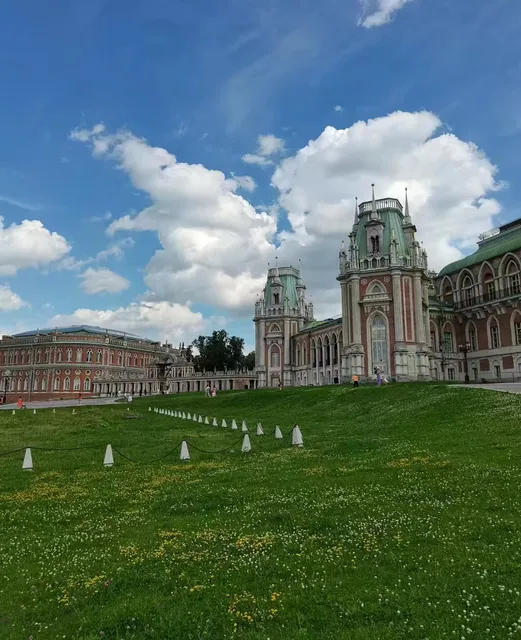
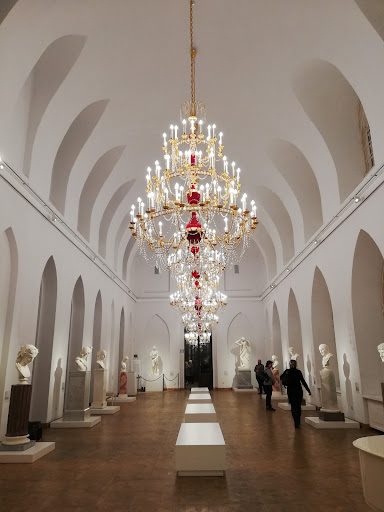
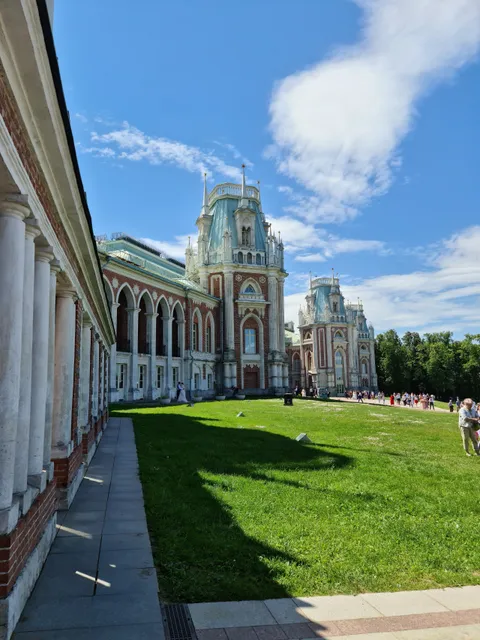
Tsaritsyno is a palace museum and park reserve in the south of Moscow. It was founded in 1775 as the summer residence of Empress Catherine II, but the construction remained incomplete. For most of its history, it was a half-abandoned park with picturesque ruins.
Cultural
Outdoor
Family friendly
attractions: Tsaritsynskiy Park, Grand Palace, Khlebnyy Dom, Tsentral'naya Polyana, Figurnyy Most, Monument To Architects Vasily Bazhenov And Matvey Kazakov, Vtoroy Kavalerskiy Korpus, restaurants: , local businesses: Orekhovo, Khram Ikony Bozh'yey Materi Zhivonosnyy Istochnik, Tretiy Kavalerskiy Korpus
 Learn more insights from Wanderboat AI.
Phone
+7 495 322-44-33
Website
tsaritsyno-museum.ru
Open hoursSee all hours
Sun6 AM - 12 AMClosed
Plan your stay

Pet-friendly Hotels in Orekhovo-Borisovo Severnoye District
Find a cozy hotel nearby and make it a full experience.

Affordable Hotels in Orekhovo-Borisovo Severnoye District
Find a cozy hotel nearby and make it a full experience.

The Coolest Hotels You Haven't Heard Of (Yet)
Find a cozy hotel nearby and make it a full experience.

Trending Stays Worth the Hype in Orekhovo-Borisovo Severnoye District
Find a cozy hotel nearby and make it a full experience.
Reviews
Live events

Escape the Fate in Москва
Sun, Feb 22 • 6:00 PM
Adrenaline Stadium, Adrenaline Stadium, Moscow, MC, Russia
View details
Nearby attractions of Tsaritsyno Museum-Reserve
Tsaritsynskiy Park
Grand Palace
Khlebnyy Dom
Tsentral'naya Polyana
Figurnyy Most
Monument To Architects Vasily Bazhenov And Matvey Kazakov
Vtoroy Kavalerskiy Korpus
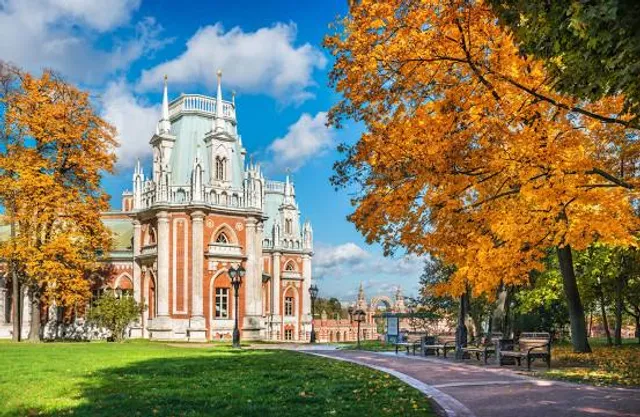
Tsaritsynskiy Park
4.8
(5.9K)
Closed
Click for details
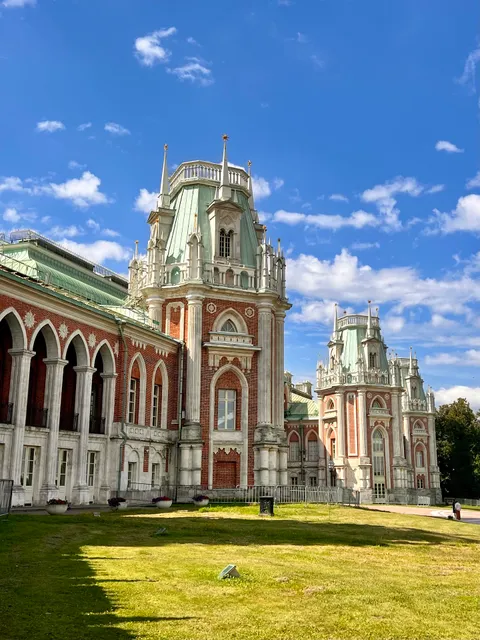
Grand Palace
4.8
(1.6K)
Closed
Click for details
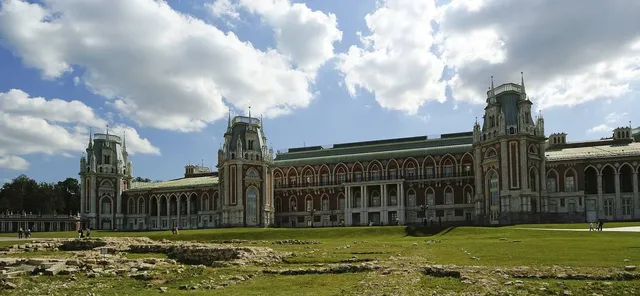
Khlebnyy Dom
4.5
(804)
Closed
Click for details
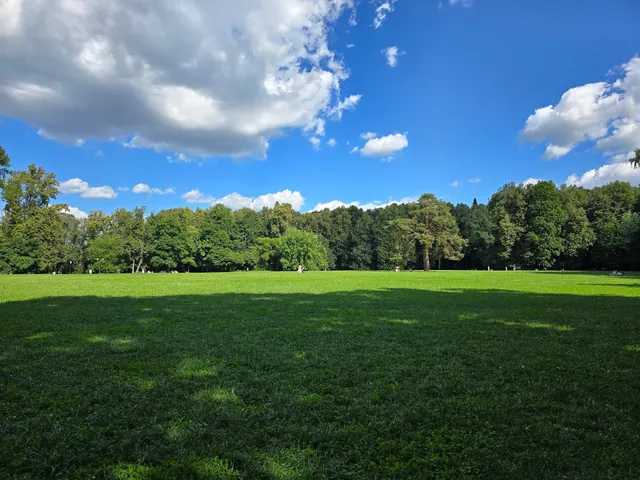
Tsentral'naya Polyana
4.9
(24)
Closed
Click for details
Nearby local services of Tsaritsyno Museum-Reserve
Orekhovo
Khram Ikony Bozh'yey Materi Zhivonosnyy Istochnik
Tretiy Kavalerskiy Korpus
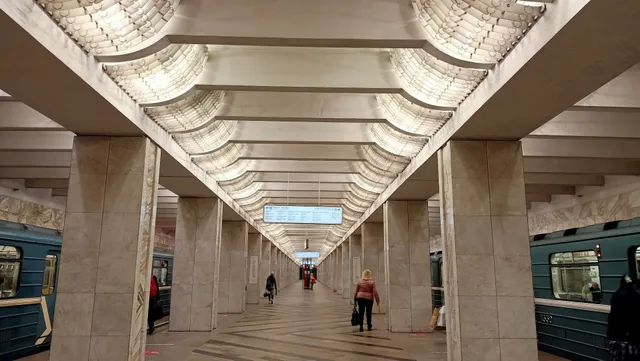
Orekhovo
4.6
(59)
Click for details
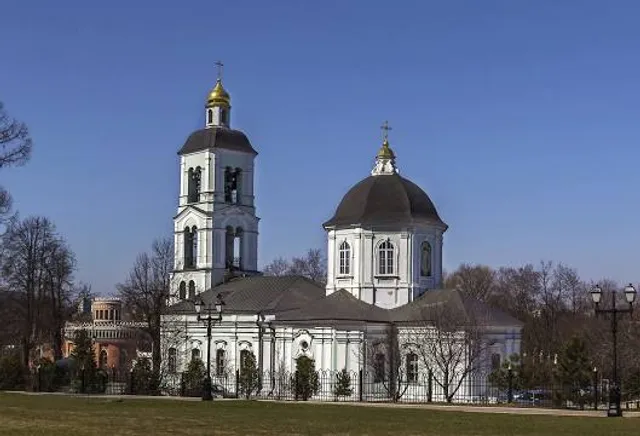
Khram Ikony Bozh'yey Materi Zhivonosnyy Istochnik
4.8
(196)
Click for details
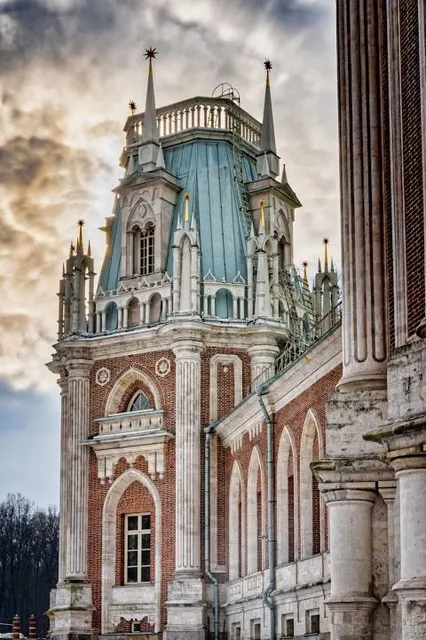
Tretiy Kavalerskiy Korpus
4.8
(76)
Click for details