moved in, bringing an old Russian icon, The Theotokos of Kursk, which previously survived two fires, including one in the monastery near Kursk, in Russia, after the October Revolution. That same year, the remains of the Saint Zosimus were discovered.1
The influx of monks revived the monastery while rediscovered remains of Saint Zosimus resulted in large popularity and growing number of visitors. The economy of the monastery developed, and new buildings were added to the complex, including large konak and several auxiliary structures. The fast development was soon cut short by World War II. Before the liberation, and entrance of the Soviet Red Army, Russian monks left Tuman. After the war, the monastery stagnated, but the konak, some of the other buildings, and Zosimus' cave were slowly being repaired. As the number of monks dwindled, Tuman became a female monastery in 1966, on the recommendation of Hrizostom Vojinović sr], the bishop of Braničevo.[4]
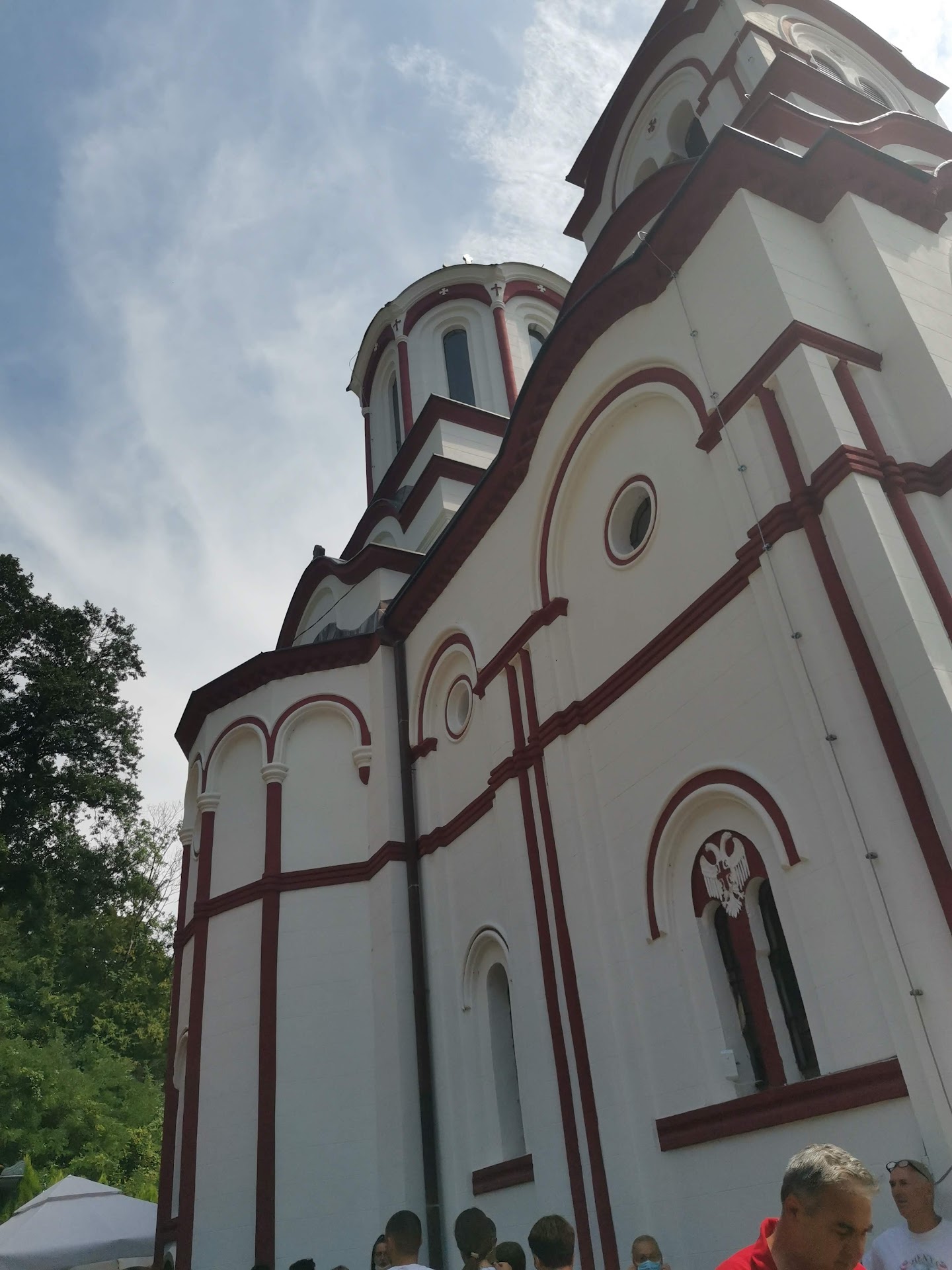
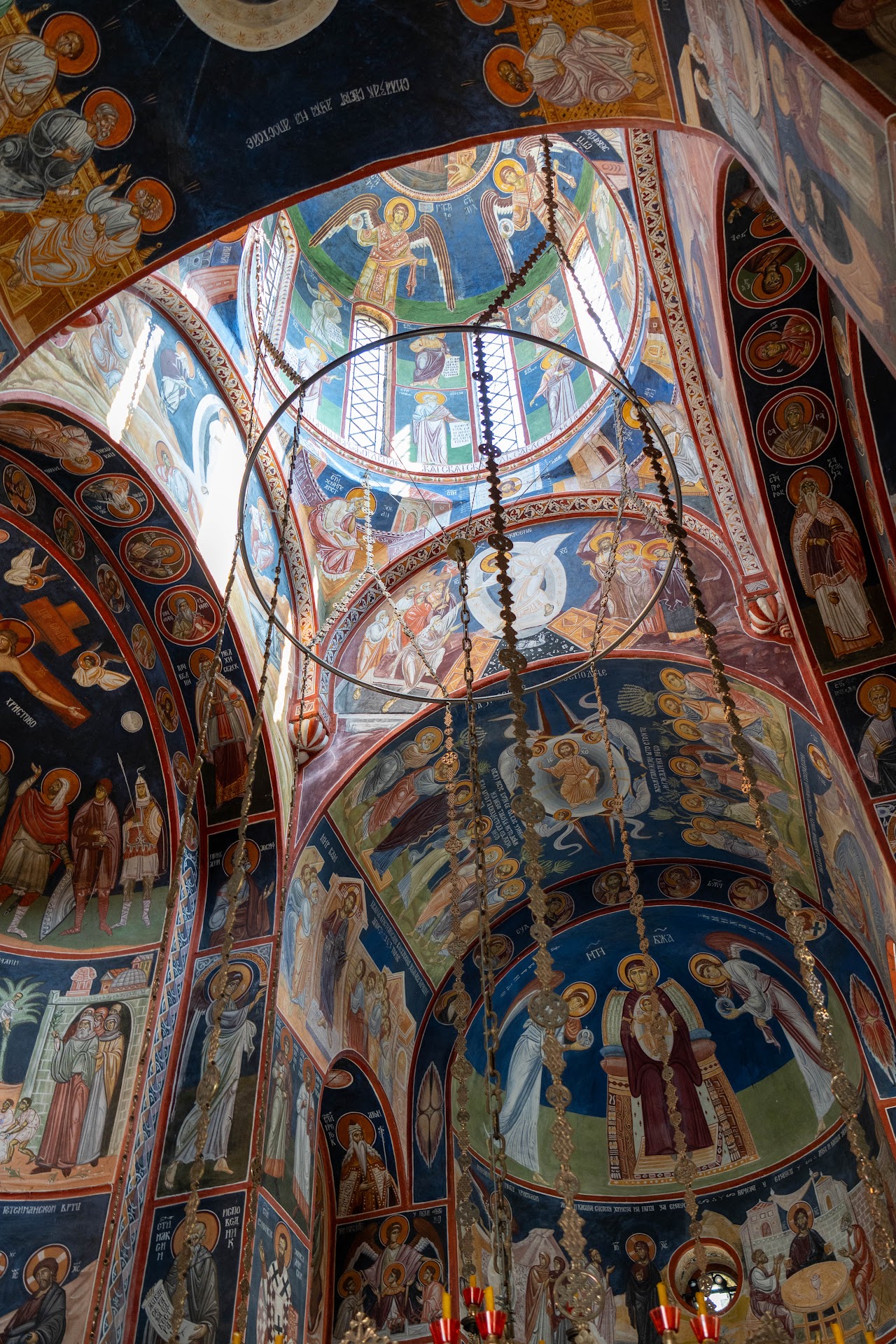
Renaissance of the monastery began under the administration of hegumania Matrona. In 1991 the stone iconostasis was built and the frescoes were painted on the walls. Due to the declining number of nuns, bishop of Braničevo Ignatije Midić turns the monastery into male again in 2014, when three monks arrived. A massive renovation ensued from 2016 to 2018, including reconstruction of the church itself, old and new konak, churchyard, poustinia of the Saint Zosimus (800 m (2,600 ft) south of the monastery) and a diner. Across the church, on the left bank of the Tumanska reka is an reception-inn (gostoprimnica), actually an adapted watermill which was closed in the 1960s. Next to the old one, the new watermill, with the traditional millstone was built, and is in use, mostly for grinding corn. Also, the mini-zoo was formed.[14]
The monastery has its own economy, mostly concentrated on the animal husbandry, like cattle, sheep, goats, poultry nd donkeys but also some wild animals, in and out of the mini-zoo: emus, ostriches, swans, geese, ducks, ruddy shelducks, llamas, donkeys, ponies, black-headed sheep, pygmy goats, turtles, hares, hedgehogs and badgers. Some animals were donated by the Belgrade and Jagodina Zoo. There is also a garden, hoop house, trout fish pond and 150 beehives.[1
The monastery continued to grow and by the early 2020s it had 12 monks and several nuns, having, on average, the youngest brethren in Serbia. In 2022, construction of the auxiliary, two-floor building began. It will host the logging and hospitality area for 120 guests, a library with 50,000 books, and a...
Read more
 Learn more insights from Wanderboat AI.