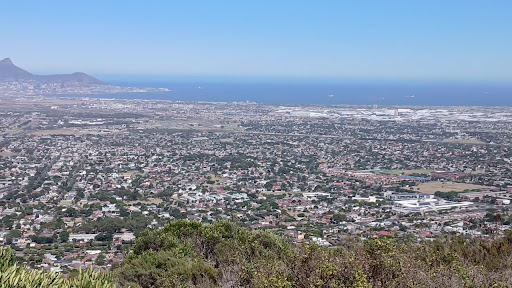
Nestled just a short drive from the bustling heart of Cape Town ππ¨ lies the tranquil escape of Tygerberg Nature Reserve ποΈ, a true gem offering a refreshing immersion into the Cape Floral Kingdom πΈπΌ and breathtaking panoramic vistas.
From almost every vantage point within the reserve, you are treated to an awe-inspiring 270-degree spectacle π of the sprawling cityscape ποΈ, Table Mountain β°οΈ standing majestically in the distance, the shimmering waters of Table Bay π, and the rolling hills stretching towards the horizon. Itβs a view that truly captures the diverse beauty of the Cape Peninsula πΏπ¦.
The reserve boasts a well-maintained network of walking and hiking trails π₯Ύ catering to various fitness levels. Whether you're looking for a leisurely stroll to soak in the scenery πΆββοΈ or a more challenging hike to reach higher elevations πͺ, Tygerberg has something to offer.
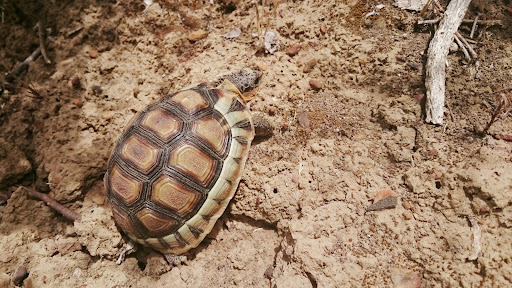
The trails are clearly marked and provide ample opportunities to encounter the region's unique fynbos vegetation π±, with its vibrant array of indigenous plants πΊ and the occasional glimpse of local wildlife π¦, including bontebok, grey rhebok, and a variety of bird species π¦.
Beyond the stunning views and invigorating hikes, Tygerberg Nature Reserve provides excellent facilities for visitors.
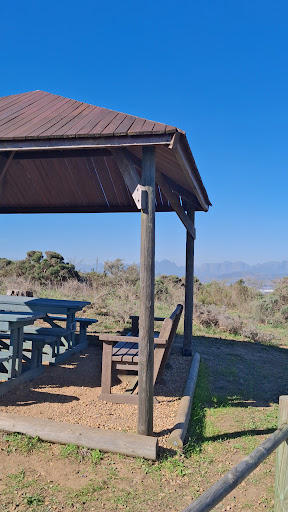
Picnic spots π§Ί are strategically located, offering idyllic settings to enjoy a meal while surrounded by nature's beauty π³.
The visitor center βΉοΈ provides informative displays about the local flora and fauna, enhancing your appreciation for the ecological significance of the reserve. The staff are friendly and knowledgeable π, always ready to offer assistance and guidance.
While the reserve offers a fantastic experience year-round, visiting during the spring months (August to October) is particularly rewarding as the fynbos bursts into a riot of color with wildflowers in full bloom π·, adding an extra layer of magic β¨ to the already stunning landscape. Sunset views π from Tygerberg are also particularly spectacular, painting the sky with hues of orange, pink, and purple as the city lights begin to twinkle below β¨π.
For anyone seeking a respite from urban life, a chance to connect with nature π§ββοΈ, and the opportunity to witness some of the most captivating views of Cape Town, Tygerberg Nature Reserve is an absolute must-visit β .
It's a place where you can breathe fresh air π¬οΈ, stretch your legs, and simply marvel at the beauty that surrounds you...
Β Β Β Read moreThe nature reserve seems small but when you combine all the various routes you can get in quite a decent walk of around 10km with some fun inclines. There are also much shorter walks for the less fit. Some of the paths are closed in winter though because they get very slippery from the moss that grows on the clay soil. From the top, on a clear day, you get a nice view of the Cape all around. It is in the middle of the suburbs so you don't get that feeling of being out in nature, but still, it's a nice place to walk and picnic (they're currently upgrading the picnic area - there isn't much natural shade because they are systematically cutting down the trees - apparently they were becoming more and more unstable because of something called pitch canker, but they were not indigenous in any case). Entrance is very cheap: R15 per adult and I think R8 per child, but the fact that entrance is controlled means that it is generally very safe. If you are lucky you might spot an elusive Caracal, but you are far more likely to see the resident Bontebok (though they seem to be in hiding this winter); there are also often Jackal Buzzards circling the hills as well as plenty of other birds to look out for, such as Cape Robins, Cape White Eyes, Malachite Sunbirds,...
Β Β Β Read moreThis nature reserve one of the few surviving pockets of the highly threatenedΒ Swartland Shale RenosterveldΒ vegetation type.[1]Β The 300 ha reserve has an exceptional number of species. There are nearly five hundred different plant species here, twelve of which are threatened with extinction and eight of which exist only in Cape Town. Three of the plant species of Tygerberg exist only within the boundaries of the reserve itself. In addition, there are over a hundred bird species and a variety of wild mammals such as honey badger, roaming leopard, pipe squirrels and wall snakes, reptiles and amphibians are also common. The Plattekloof Dam is located just west of the hills, and is being restored to a natural wetland. The park hosts theΒ Kristo Pienaar Environmental Education CentreΒ with its library and resource centre. This is a popular venue for school excursions and education programmes.[2]
The name Tygerberg (βTiger Mountainβ) comes from the characteristic spots, or βheuweltjiesβ which exist inΒ Shale Renosterveld. They can be seen from a distance, covering these hills, and early settlers thus named the hills after an animal that they mistakenly believed had spots on...
Β Β Β Read more