have just returned home from an experience that I absolutely would not repeat or recommend to anyone. I study veterinary medicine in Italy and the idea of seeing "exotic" animals up close , helping in some way in the arduous task of fighting poaching in my own small way and restoring injured animals to health and then granting them freedom again made me happy and eager to get started. Instead, I found upon my arrival a great little zoo full of sad animals, most of whom surviving with probably no future chance of being free. The staff members told us that these animals cannot be released because they would not survive in the wild. However, every day many people pay the tickets for a tour, so it’s clear that keeping animals in the cages has an important economic gain for the center. Animals are often fed with carcasses of other animals killed precisely by poachers and delivered to the center as food.. There seems to be something absurd about this concept... I found a hostile environment where no one greeted me with a smile, no one was kind to me, no one explained rules to follow other than that we all wake up at dawn and "clean up," take a break and then clean up again. With my bare hands , without gloves and without any protection, thus risking diseases easily transmitted especially by birds and their dropping. I also cut kilos and kilos of meat and dismembered and eviscerated chicks, food for the sad animals. I ate very little and very badly. Food was little and insufficient for the number of volunteers. This is not a way of volunteering in my concept of volunteering. I offer my labor, all my energy , all my efforts for free, but in return I would like to be fed sufficiently , housed in accordance with common hygienic standards and protected in my health. Moreover, which is really absurd, I paid a large amount of money for all this . And while it is true that , as someone on the staff said, our money only served to feed the animals in your zoo, this does not exonerate from the responsibility of having run the center's organization very poorly. I have felt very sad in this place, as sad as the animals in your great little zoo. And I'm sorry, I'm so sorry, to have sacrificed all my savings for this experience , which maybe will be good as they say all experiences are , even the worst ones, but surely it is and will remain one of the most miserable of my life. I do not wish this adventure on anyone, and to anyone who will ask me to talk about it , I will only tell of my enormous sadness and the sadness, also enormous, of the animals in these...
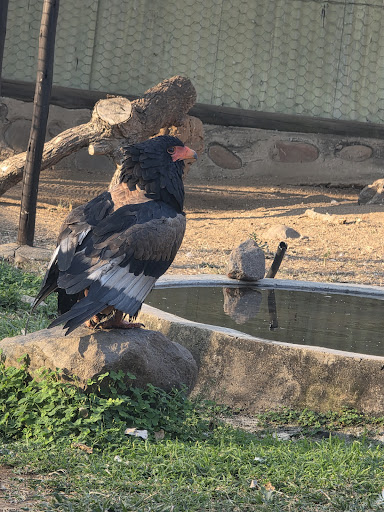
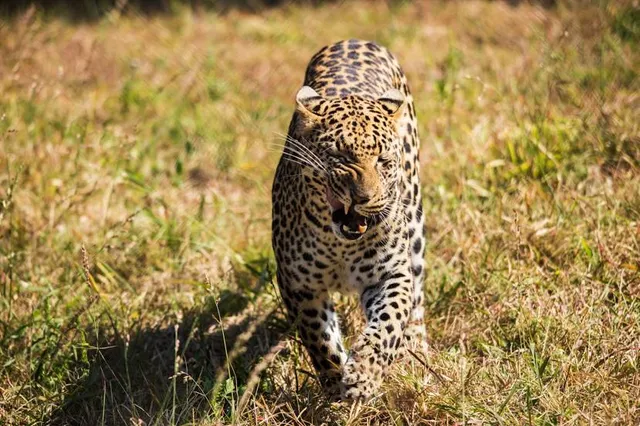
Read moreI was hoping the one star reviews were exaggerations, or that management has recently changed drastically and those are outdated reviews - but unfortunately, I was wrong. Moholoholo is a roadside zoo moonlighting as a wildlife rehabilitation centre. The centre preaches they do a lot of work locally, helping treat, rehabilitate and release wildlife in need. When not possible due to 'untreatable ailments', those animals are not released and will spend the rest of their lives at Moholoholo. This is a heartbreaking idea. The enclosures for all the animals are far too small. One aviary the size of a small room enclosed over 10 different birds of prey - how this is ethical is beyond me. However, it was when the tour showed us the large carnivores that I knew this place was a cash grab. Somehow, they have at least 1 of all the large African carnivores that can't be released into the wild and must permanently reside at the Centre, including a black leopard - this alone arises suspicions. Two large male lions rescued from canned hunting pace along the fence of an enclosure the size of a back yard - no enrichment, no opportunity to move away from human sight. This is also the case with the male and female lions, the leopards housed right next to the lions (a constant source of stress for them, being housed to their natural enemies; the guide even noted that recently the lions killed one of the leopards through the fence), hyenas, cheetahs, and wild dogs. All of the animals in tiny enclosures with no enrichment, and no opportunity to move away from humans. A young leopard was in an especially small enclosure, pacing back and forth across the fence line. The majority of animals were showing signs of zoochosis, especially the leopards and cheetahs. Two of the large cheetahs were even bred at Moholoholo, not rescued from the wild. This is heartbreaking to hear, as this means they have never had, and will never have the chance of running at their full potential - as their enclosures are far too small. Overall, a visit that left me and my group very sad. This place is a clear cash grab, and the little rehabilitation work they do is outshined by their pitiful treatment of their animals. Please visit other reputable sanctuaries in the area, such as SanWild Sanctuary or actual wildlife reserves. Do not give this place any money for the exploitation of...
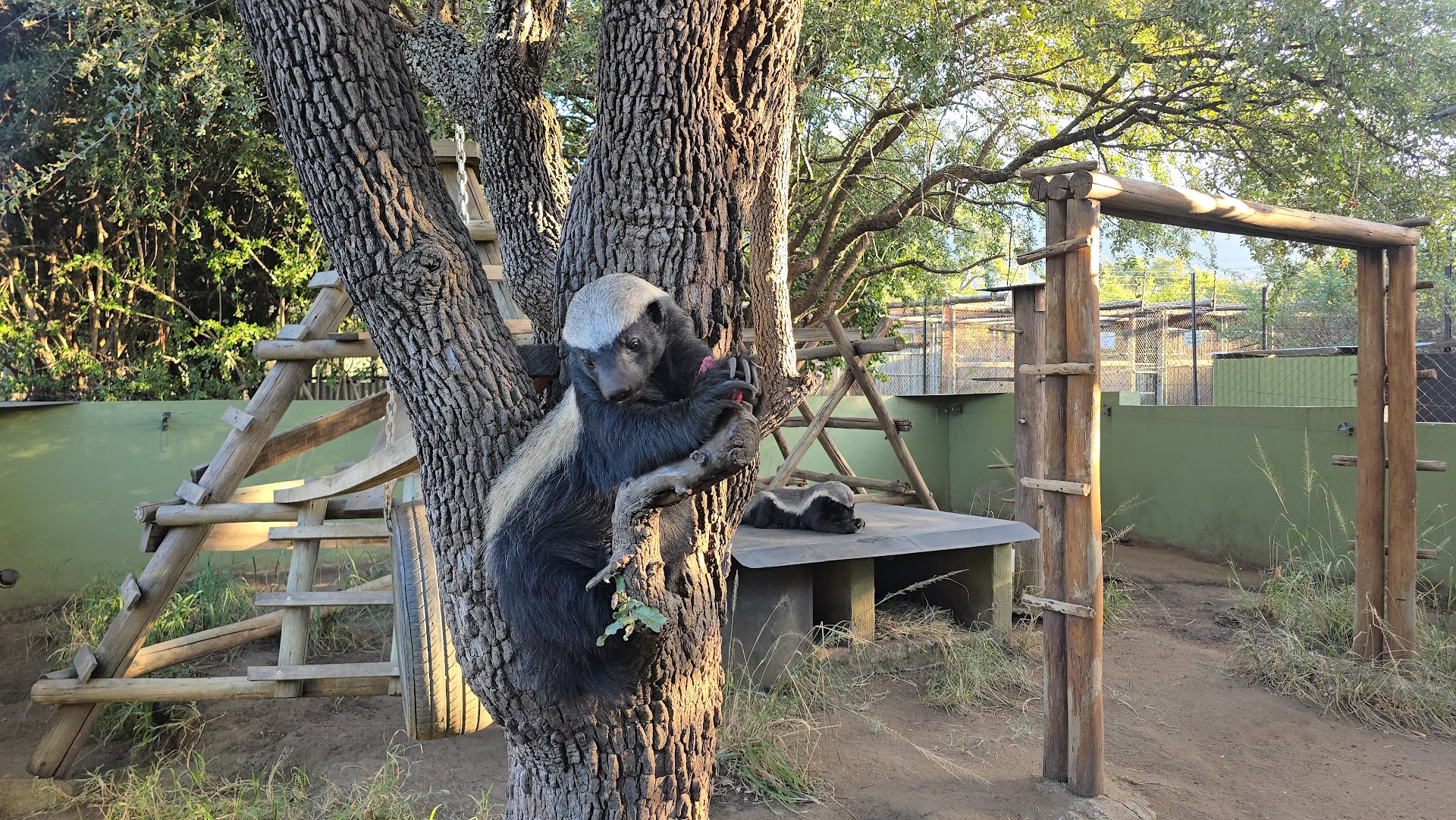
Read moreOne of the most amazing "no thrill" experiences Ive had in my life. Moholoholo Rehabilitation does what the name states, it rehabilitates and saves animals from human cruelty and occasional natural mishap. They are not shy in educating you about, but for now let me review the experience. For a very modest and affordable rate, you will get in-between an hour or two worth of animal sights up close, in detail, yet safe. The tour guides do a brilliant job explaining the backstory/s of the animal in question, and then of the species itself too, as well as there state of endangerment ( if applicable, which sadly most of the animals there are ). You will spend a decent amount of time at each enclosure, and they allow photos and questions, and respond warmly to them. You get to go into some of the enclosures where there is little to no serious threat, provided that you behave and not try to pet any of the animals. The site itself is clean, green and very relaxing, and even some of the animals there by their own accord are cute and special, I.E chickens, some wild raptors/birds of prey, rabbits etc. The onsite museum is a very emotional sight as it shows many animals and their deaths by human hands (blood and traps visible), but as said its an absolute must for them to show us how tough and important there toles are in saving and protecting these animals. They need to always do this and I absolutely applaud them for it, because its an eye opener and made me think so deeply about animals and our impact on them. The food and drink kiosk for food can have an improved variety, but its by no means terrible. They also have another store with shirts and other items. P.S not all animals are equally spent time on, so if you are more interested on seeing or speaking about (Cheetahs, or The honey badgers, just for example), make sure to ask the guide upfront, or else the lions, or birds might get 10 minutes each, and some others only 3 minutes or so. An absolute joy to have attended and I will return every chance I get, and would love to donate when I am...
Read more