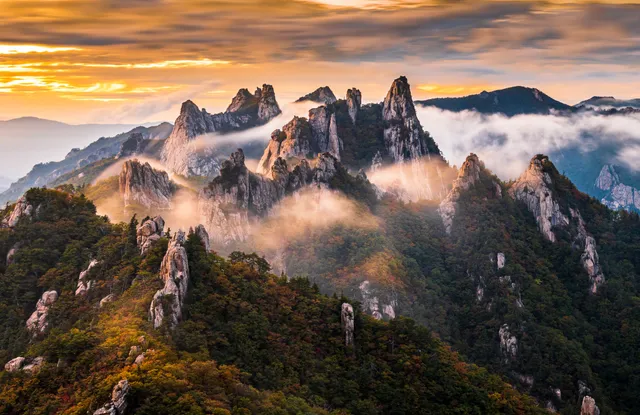
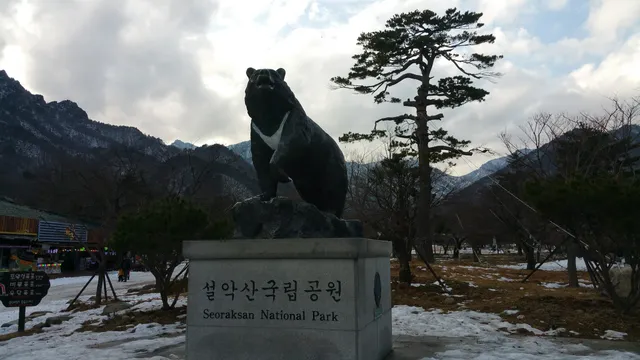
Seoraksan National Park, located in the Seorak district, is a magnificent testament to the natural beauty and ecological diversity of South Korea. Recognized as a UNESCO Biosphere Reserve, this park is celebrated for its breathtaking landscapes, rich biodiversity, and the dramatic peaks of the Taebaek mountain range. It is a sanctuary for nature lovers, hikers, and anyone looking to immerse themselves in the serene beauty of the Korean wilderness.
The park's centerpiece, Seoraksan Mountain, stands as a majestic backdrop, with its rugged peaks, deep valleys, and sheer cliffs painting a picture of nature's grandeur. The highest peak, Daecheongbong, rises to 1,708 meters, offering challenging trails and unforgettable vistas for adventurous hikers. The beauty of Seoraksan National Park is not only in its heights but also in the diversity of its natural landscapes, including hot springs, dense forests, and crystal-clear streams that cascade into stunning waterfalls.
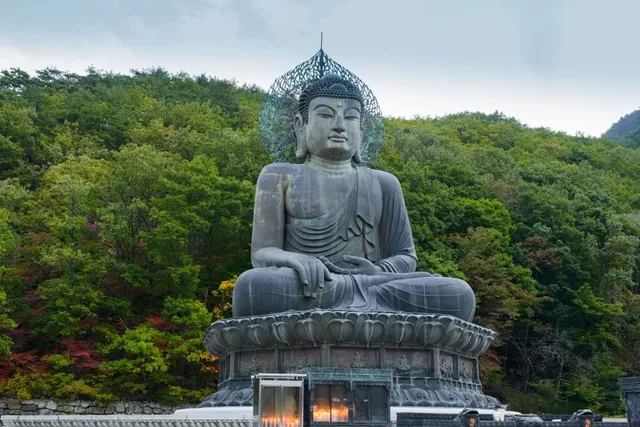
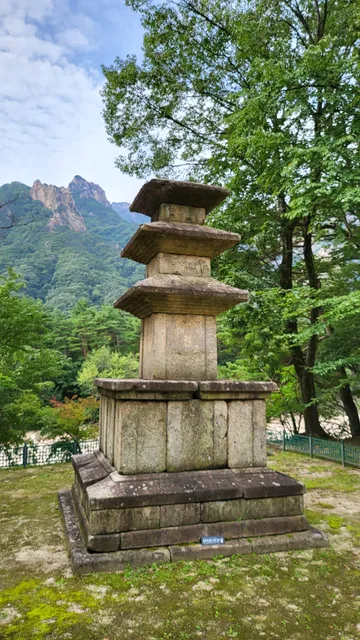
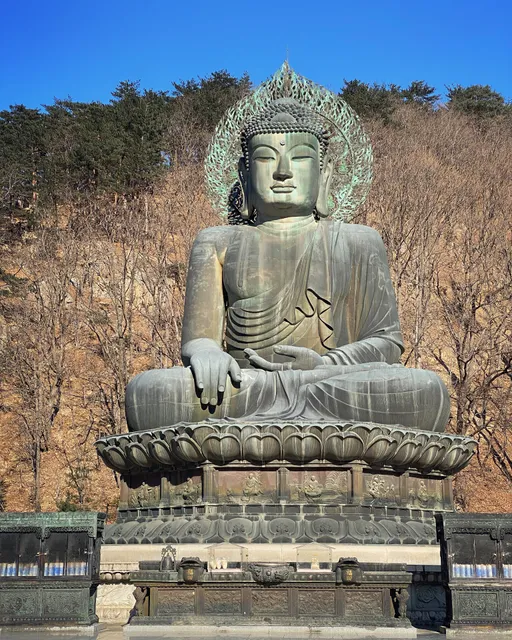
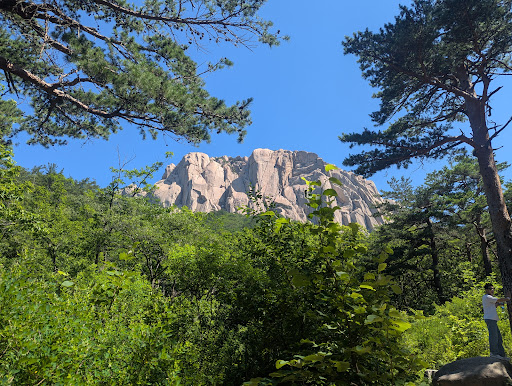
One of the park's most iconic sights is the Ulsanbawi Rock, a massive granite formation that offers panoramic views of the surrounding mountains and the East Sea. Another highlight is the Sinheungsa Temple, an ancient Buddhist temple that provides a peaceful retreat and a touch of spiritual serenity amidst the natural splendor. The temple is home to the Great Unification Buddha, a towering bronze statue that symbolizes peace and unity.
Seoraksan National Park is a haven for biodiversity, home to a wide array of flora and fauna, some of which are rare and endemic. The changing seasons bring an ever-shifting palette of colors, from the lush greens of summer to the fiery reds and golds of autumn, making every visit unique. The park's ecological importance and natural beauty make it a critical site for conservation efforts and environmental education.
The park is well-equipped to welcome visitors, with well-marked trails, visitor centers, and accommodations ranging from camping sites to comfortable lodges. Whether you're seeking a leisurely walk through the woods, a challenging mountain hike, or simply a peaceful place to reconnect with nature, Seoraksan National Park offers an array of experiences that cater to all levels of outdoor enthusiasts.
In summary, Seoraksan National Park in the Seorak district is a jewel of South Korea's natural heritage. Its stunning landscapes, rich biodiversity, and the spiritual ambiance of its ancient temples offer a deeply fulfilling experience for those who traverse its trails. It stands as a testament to the beauty of the Korean landscape, inviting visitors from around the world to explore its wonders and find solace in its...
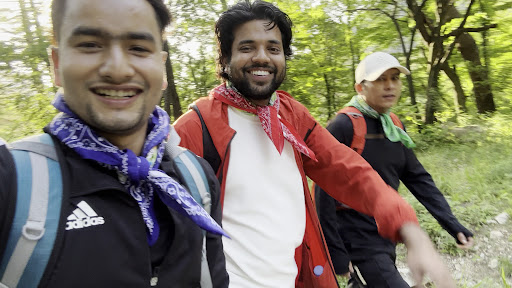
Read moreAmazing hiking experience ! in on of the toughest route it takes our 17 hours to complete the Hiking trip with best view !!! if you are looking for best view, tought route with adventures hike then you have to start from Sogongwon, go up from Biseondae to Geumganggul/Madeungryeong three-way intersection, ride the dinosaur ridge, go up from Meolmigogae to Daecheongbong, steam to the top, come back to Meoromigogae, and come down to Biseondae.
Seoraksan National park was designated the 5th national park in Korea in 1970 and chosen as a nature preservation area on November 5, 1965 Also, internationally recognized for its rare species, Seoraksan is the area in Korea to have been designated as a Biosphere Preservation District by UNESCO in 1982, and in IUCN recognized its rich natural resources and labeled it category Ⅱ(National Park). The total area of Seoraksan National park is 398.539㎢ and it is divided among the areas of Inge-gun, Goseong-gun, Yangyang-gun, and Sokcho-si, Naeseorak (Inner) is in Inje, Naeseorak (South) is the area from Hangyerteong (Ridge) to Osaek, and Oeseorak (Outer) lies in the eastern area across Sokcho-si, Yangyang-gun, and Goseong-gun. Including its main peak, Daecheongbong, Seoraksan has a total of 30 imposing peaks spread across its territory such as Hwachaebong, Hangyeryeong, and Madeungryeong.
Over 2,000 animal species live in Seoraksan, including the Korea goral, Musk deer, and Other. There are also more than 1,400 rare plant species, such as the Edelweiss,...
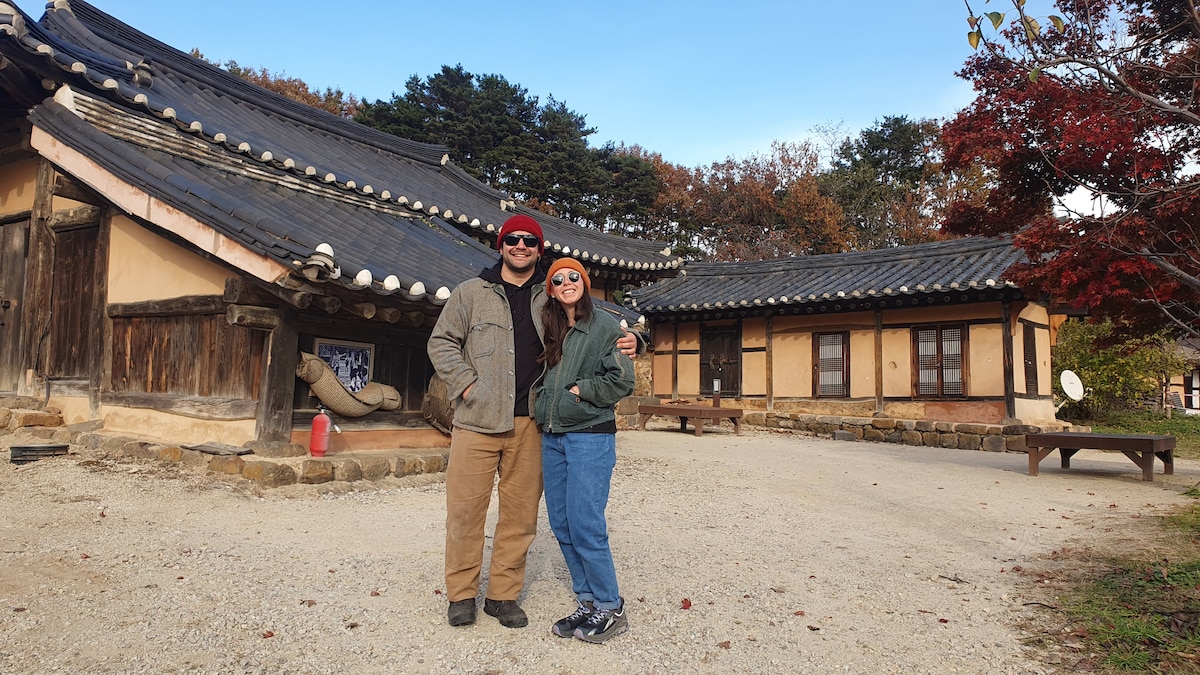
Read moreI love this place so much. It's got a lot of beautiful views and nice walks, though recently when we visited some of the paths had to be closed due to typhoon related flood damage. There's a huge Buddha statue and a temple within the park, as well as restaurants, gift shops, coffee shops, a cable car, a small hanok area (where we did a tea tasting last summer but it was closed recently - probably due to coronavirus), and nature trails. I can't really identify everything correctly so apologies if I'm butchering what's available to experience inside the park, but it's just such a gorgeous place. We've visited during the hottest part of summer (take an umbrella to hide from the sun!) and during the cooler months following typhoon season, and both were great in different ways. The recent damage is sad to see because hubby and I had hoped to revisit some of the forest trails now that we could explore without sweating to death, but we still had a pleasant and lengthy walk even when it started raining halfway through. The place just oozes peace. Check it out!
Parking was 5,000 won. Park entry...
Read more