HTML SitemapExplore
logo
Find Things to DoFind The Best Restaurants

Cripta de la Colònia Güell — Attraction in Santa Coloma de Cervelló

Name
Cripta de la Colònia Güell
Description
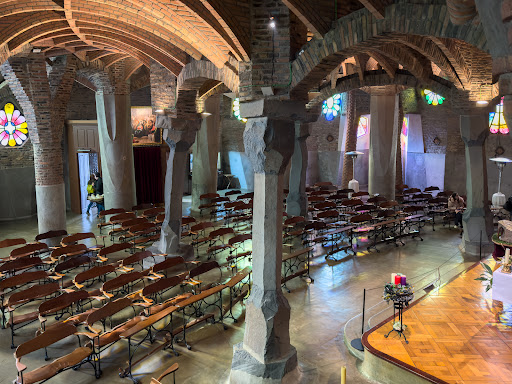
The Church of Colònia Güell is an unfinished work by Antoni Gaudí. It was built as a place of worship for the people on a hillside in a manufacturing area in Santa Coloma de Cervelló, near Barcelona. Colònia Güell was the brainchild of Count Eusebi de Güell; who enlisted the help of architect Antoni Gaudí in 1898.
Nearby attractions
Advanced Leisure Services
Carrer Claudi Güell, 6, 08690 La Colònia Güell, Barcelona, Spain
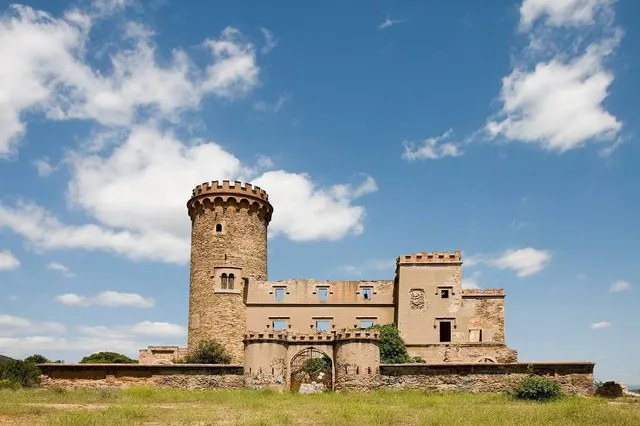
Torre Salvana
Barri de Can Julià, 08690 Santa Coloma de Cervelló, Barcelona, Spain
Casa del Mestre de la Colònia Güell
Carrer Barrau, 25, 08690 La Colònia Güell, Barcelona, Spain
Nearby restaurants
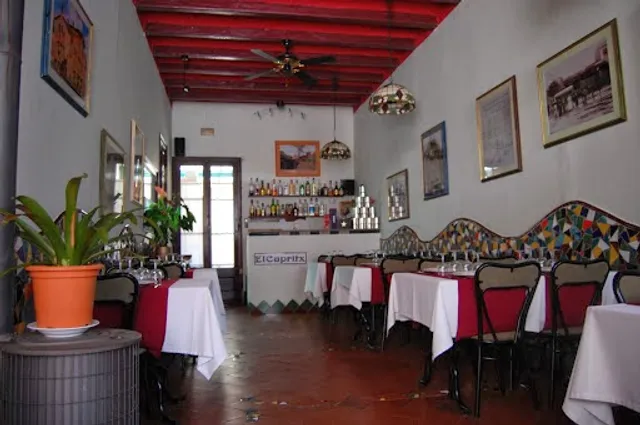
Restaurant Capritx
Carrer Reixach, 16, 08690 La Colònia Güell, Barcelona, Spain
BAR SPORT
Carrer Barrau, 4, 08690 La Colònia Güell, Barcelona, Spain
Restaurant Galisteo
Plaça Vapor Vell de Sants, 1, 08690 Santa Coloma de Cervelló, Barcelona, Spain
Pollos Alast Cooperativa
Carrer Ciutat Cooperativa, 22, 08830 Sant Boi de Llobregat, Barcelona, Spain
Chino Cope
Carrer Ciutat Cooperativa, 80, 08830 Sant Boi de Llobregat, Barcelona, Spain
El Racó de Can Valentí
Av. Santa Coloma, 18, 08690 Santa Coloma de Cervelló, Barcelona, Spain
Bar Paterna Mercado cooperativa
Carrer Pau Casals, 7, 08830 Sant Boi de Llobregat, Barcelona, Spain
La placeta
Carrer de Frederic Mompou, 35, 08830 Sant Boi de Llobregat, Barcelona, Spain
The Garrison - Sociedad Recreativa
Plaça del Pi Tallat, 1, 08690 Santa Coloma de Cervelló, Barcelona, Spain
Nearby hotels
Related posts
Keywords
Cripta de la Colònia Güell tourism.Cripta de la Colònia Güell hotels.Cripta de la Colònia Güell bed and breakfast. flights to Cripta de la Colònia Güell.Cripta de la Colònia Güell attractions.Cripta de la Colònia Güell restaurants.Cripta de la Colònia Güell travel.Cripta de la Colònia Güell travel guide.Cripta de la Colònia Güell travel blog.Cripta de la Colònia Güell pictures.Cripta de la Colònia Güell photos.Cripta de la Colònia Güell travel tips.Cripta de la Colònia Güell maps.Cripta de la Colònia Güell things to do.
Cripta de la Colònia Güell things to do, attractions, restaurants, events info and trip planning
Cripta de la Colònia Güell
SpainCataloniaSanta Coloma de CervellóCripta de la Colònia Güell

Basic Info

Cripta de la Colònia Güell

Carrer Claudi Güell, 6, 08690 La Colònia Güell, Barcelona, Spain
4.5(1.4K)
Closed
Save
spot

Ratings & Description

Info

The Church of Colònia Güell is an unfinished work by Antoni Gaudí. It was built as a place of worship for the people on a hillside in a manufacturing area in Santa Coloma de Cervelló, near Barcelona. Colònia Güell was the brainchild of Count Eusebi de Güell; who enlisted the help of architect Antoni Gaudí in 1898.

Cultural
Accessibility
attractions: Advanced Leisure Services, Torre Salvana, Casa del Mestre de la Colònia Güell, restaurants: Restaurant Capritx, BAR SPORT, Restaurant Galisteo, Pollos Alast Cooperativa, Chino Cope, El Racó de Can Valentí, Bar Paterna Mercado cooperativa, La placeta, The Garrison - Sociedad Recreativa
logoLearn more insights from Wanderboat AI.
Phone
+34 936 30 58 07
Website
gaudicoloniaguell.org
Open hoursSee all hours
Sun10 AM - 3 PMClosed

Plan your stay

hotel
Pet-friendly Hotels in Santa Coloma de Cervelló
Find a cozy hotel nearby and make it a full experience.

hotel
Affordable Hotels in Santa Coloma de Cervelló
Find a cozy hotel nearby and make it a full experience.

hotel
The Coolest Hotels You Haven't Heard Of (Yet)
Find a cozy hotel nearby and make it a full experience.

hotel
Trending Stays Worth the Hype in Santa Coloma de Cervelló
Find a cozy hotel nearby and make it a full experience.

Reviews

Nearby attractions of Cripta de la Colònia Güell

Advanced Leisure Services

Torre Salvana

Casa del Mestre de la Colònia Güell

Advanced Leisure Services

Advanced Leisure Services

4.4

(897)

Closed
Click for details
Torre Salvana

Torre Salvana

4.1

(274)

Open until 12:00 AM
Click for details
Casa del Mestre de la Colònia Güell

Casa del Mestre de la Colònia Güell

4.5

(49)

Open 24 hours
Click for details

Things to do nearby

Fun Tapas Adventure Through the Citys Hidden Gems
Mon, Dec 8 • 6:00 PM
08004, Barcelona, Catalonia, Spain
View details
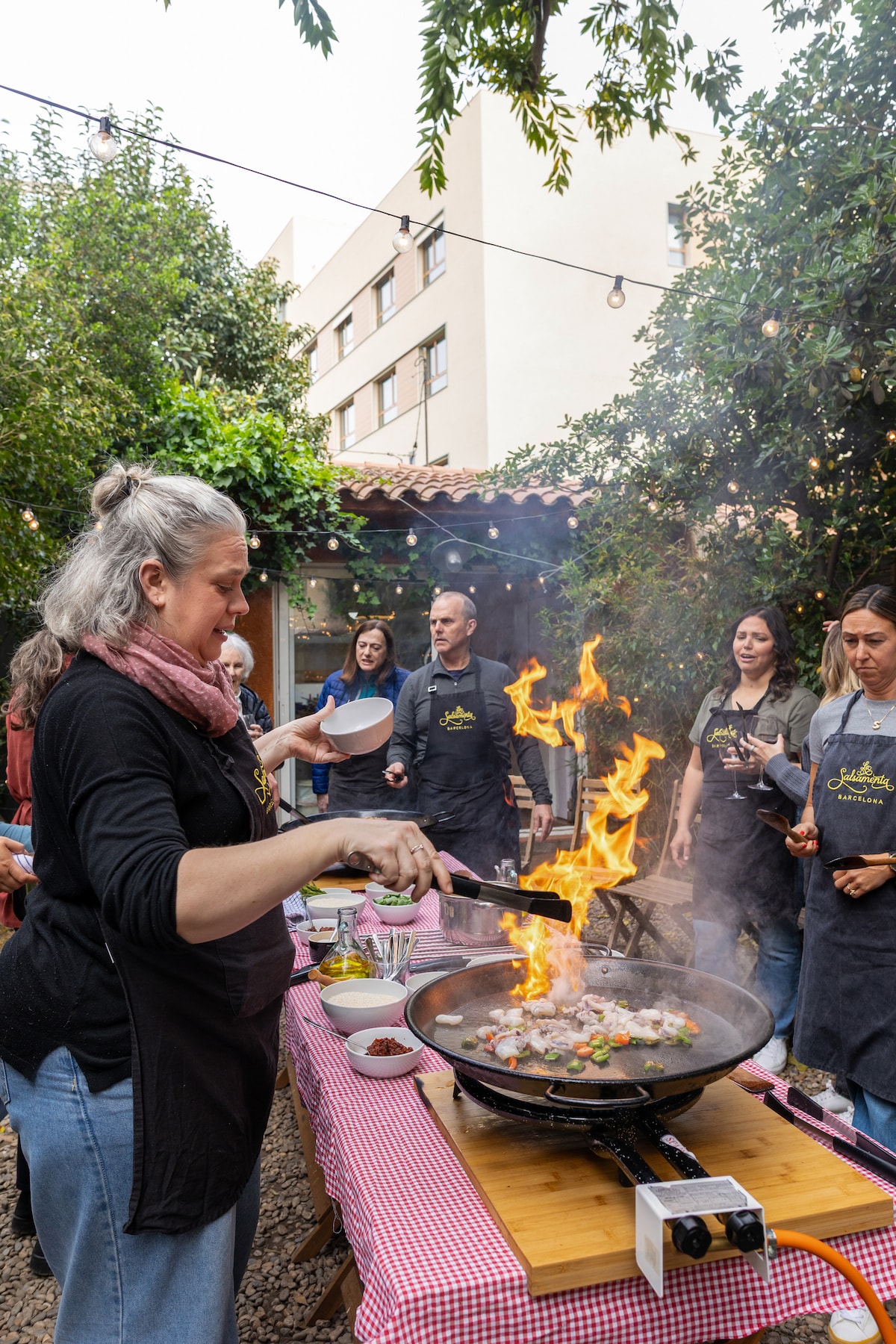
Pro Chefs Paella & Boqueria Market tour & Tapas
Sun, Dec 7 • 8:00 PM
08001, Barcelona, Catalonia, Spain
View details

Paella Maestro Market Tour Paella, Tapas & Sangria
Mon, Dec 8 • 11:30 AM
08034, Barcelona, Catalonia, Spain
View details

Nearby restaurants of Cripta de la Colònia Güell

Restaurant Capritx

BAR SPORT

Restaurant Galisteo

Pollos Alast Cooperativa

Chino Cope

El Racó de Can Valentí

Bar Paterna Mercado cooperativa

La placeta

The Garrison - Sociedad Recreativa

Restaurant Capritx

Restaurant Capritx

4.2

(214)

Click for details
BAR SPORT

BAR SPORT

4.2

(446)

Click for details
Restaurant Galisteo

Restaurant Galisteo

4.5

(59)

Click for details
Pollos Alast Cooperativa

Pollos Alast Cooperativa

4.6

(37)

Click for details
Get the Appoverlay
Get the AppOne tap to find yournext favorite spots!
Wanderboat LogoWanderboat

Your everyday Al companion for getaway ideas

CompanyAbout Us
InformationAI Trip PlannerSitemap
SocialXInstagramTiktokLinkedin
LegalTerms of ServicePrivacy Policy

Get the app

© 2025 Wanderboat. All rights reserved.
logo

Reviews of Cripta de la Colònia Güell

4.5
(1,423)
avatar
5.0
35w

First, go to the visitors center to buy your ticket. On Sundays the church may be closed for worship for 1 hour, but during this time you can visit the other buildings of Colònia Güell.

The Crypt of Colònia Güell was designed by Antoni Gaudí as part of a larger, unfinished church for the workers of Colònia Güell, a textile colony established in the late 19th century by industrialist Eusebi Güell.

Construction took place between 1908 and 1915, but only the lower section—the crypt—was completed after work halted due to financial constraints following Güell’s death.

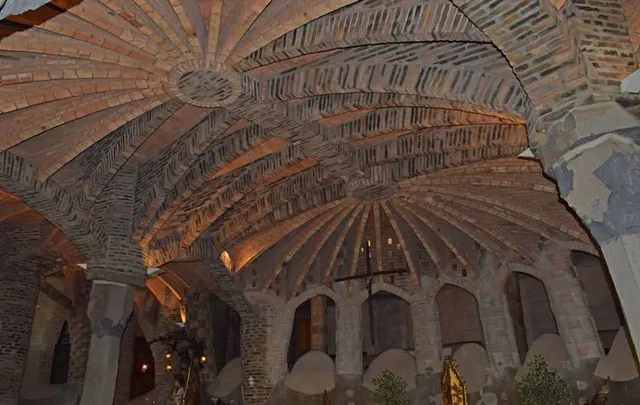
The crypt is notable for its innovative architectural solutions, serving as a testing ground for the structural solutions Gaudí later used in the Sagrada Família. The structure incorporates catenary arches, hyperbolic paraboloids, and twisted columns, achieving a balance between organic form and structural efficiency. Gaudí also experimented with diverse materials, including basalt, brick, stone, and mosaics, blending them harmoniously with the surrounding natural landscape.

The interior features tilted columns that distribute weight efficiently, allowing for large open spaces. The stained glass windows, in irregular shapes, diffuse light dynamically. The integration of architecture and nature—seen in elements like the irregularly shaped floor plan and the use of earthy materials—exemplifies Gaudí’s organic...

   Read more
avatar
2.0
16w

The crypt is interesting. The Colonia... Well. There was not much to see, for me it wasn't worth the long trip from Barcelona (the Crypta maybe was, though). Some points to know before anyway: visiting the Colonia Güell is FREE, as it's a normal city area without entrance control! to visit the Crypta, even if you have a ticket, don't climb up the street to the Crypta directly, you have first to go the information point which is below (not far, but you don't want to climb this street several times if it's 40 degrees Celsius, believe me), to get your ticket "validated" (they can't control the ticket at the official Crypta entrance - and no sign whatsoever of course...) don't load the ticket on your wallet, it's useless. They need the confirmation email (don't delete it...). So the ticket itself is actually useless too. the day I went, the staff people at the Crypta didn't speak anything but Catalan. No Spanish (??!!), no English (oops, touristic place??), no French, no German - we didn't try anything else. So be prepared with Google translate if you happen to want to know something. For info, there are toilets opposite to the information point (where they do speak Spanish and a...

   Read more
avatar
5.0
2y

Si queréis un 20% de descuento en la entrada, entrad a la web TURISME BAIX LLOBREGAT y os descargáis los descuentos, hay muchos sitios para visitar. 🥰📸 Mucho aparcamiento GRATUITO 🎊👏 Compré las entradas por la web, luego una vez allí teneis que ir a buscar los aparatos de autoguia y mapa al punto de información, que está al carrer Claudi Güell núm 6. También se puede comprar entradas aquí mismo. Se puede entrar gratuitamente en hora de misa a las 11h, pero como hay bastante seguridad no os dejarán hacer fotos por el exterior y dentro. Así que yo recomiendo pagar y disfrutar todo el tiempo del mundo. Recomiendo si no se quiere entrar a la Cripta, pasear por el pueblo. Es muy acogedor con parque, plaza donde sentarse y disfrutar en una terraza. Cuenta con varios edificios modernistas expectaculares como: Ca l'Espinal, Escuela y casa del profesor, Casa Ordal, Ateneu Unió con su Teatro, la Cooperativa de Consumo (actualmente es Punto de Información), la casa parroquial, la casa del secretario.

Tanto dentro como fuera de la Cripta es precioso contemplar todos sus detalles arquitectónicos y decorativos. En el exterior veremos varias ballenas 🐳 en la pared, hecha en trencadis con trocitos de cristal azul, símbolos como alfa, el omega, las cruces y los monogramas de Cristo en griego (XP). y subir a la terraza exterior.

En el interior está la imagen de la Virgen de Montserrat, vidrieras coloristas en forma de flor 🌸 o mariposa 🦋 Se puede subir detrás del precioso altar. Bóvedas a la catalana sobre columnas de ladrillo y piedra procedentes de una cantera propiedad de los Güell en la comarca cercana del Garraf.

La Cripta Güell fue declarada Bien de Interés Cultural-Conjunto Histórico en 1990 e incorporada en 2005 como Patrimonio Mundial por la UNESCO.

Visita muy recomendada para ir también con niños.

Un poco de HISTORIA:

La Colonia Güell se fundó en 1890 en Santa Coloma de Cervello. Por el industrial y empresario Eusebio Güell. Traslado la industria textil que tenía en Barcelona para alejarse de los conflictos de movimientos sindicales de aquellos momentos de la ciudad.

Este complejo industrial y urbano lo equipó de casas para los obreros al lado de la fábrica, equipamientos culturales, deportivos y religiosos. En un principio no se contempló la construcción de una iglesia ya que se utilizó una pequeña capilla existente, cuando ésta quedó pequeña por el crecimiento de la población de la colonia, Güell decidió encargar a Gaudí una iglesia de nueva planta que pudiera acoger a todos los habitantes. Incorporó la corriente Modernista a las nuevas construcciones, encargando proyectos a diversos arquitectos importantes como Francesc Berenguer, Joan Rubio y Gaudí construyó la Iglesia.

Gaudí tras varios estudios inició en 1908 la construcción del templo. En principio se preveía la iglesia con dos naves, interior y superior, rematada con varias torres y un cimborrio, pero no se finalizó. Solo se terminó la primera planta, la Cripta. Veremos en la parte superior, en la terraza los restos de obra que dejó Gaudí.

Al comenzar la Guerra Civil 1936, la fábrica fue colectivizada. Años más tarde la familia Güell, la volvió a recuperar y en 1945 la vendió a otra familia de industriales. La industria textil fue cerrada en 1973 durante la crisis del sector.

Actualmente la Colonia Güell es un lugar tranquilo, precioso para visitar y perderse por sus bonitas calles, contemplando edificios modernistas y disfrutar de la naturaleza de alrededor.

Cerca está la...

   Read more
Page 1 of 7
Previous
Next

Posts

Kent WangKent Wang
First, go to the visitors center to buy your ticket. On Sundays the church may be closed for worship for 1 hour, but during this time you can visit the other buildings of Colònia Güell. The Crypt of Colònia Güell was designed by Antoni Gaudí as part of a larger, unfinished church for the workers of Colònia Güell, a textile colony established in the late 19th century by industrialist Eusebi Güell. Construction took place between 1908 and 1915, but only the lower section—the crypt—was completed after work halted due to financial constraints following Güell’s death. The crypt is notable for its innovative architectural solutions, serving as a testing ground for the structural solutions Gaudí later used in the Sagrada Família. The structure incorporates catenary arches, hyperbolic paraboloids, and twisted columns, achieving a balance between organic form and structural efficiency. Gaudí also experimented with diverse materials, including basalt, brick, stone, and mosaics, blending them harmoniously with the surrounding natural landscape. The interior features tilted columns that distribute weight efficiently, allowing for large open spaces. The stained glass windows, in irregular shapes, diffuse light dynamically. The integration of architecture and nature—seen in elements like the irregularly shaped floor plan and the use of earthy materials—exemplifies Gaudí’s organic approach to design.
ppg nakita73ppg nakita73
Si queréis un 20% de descuento en la entrada, entrad a la web TURISME BAIX LLOBREGAT y os descargáis los descuentos, hay muchos sitios para visitar. 🥰📸 Mucho aparcamiento GRATUITO 🎊👏 Compré las entradas por la web, luego una vez allí teneis que ir a buscar los aparatos de autoguia y mapa al punto de información, que está al carrer Claudi Güell núm 6. También se puede comprar entradas aquí mismo. Se puede entrar gratuitamente en hora de misa a las 11h, pero como hay bastante seguridad no os dejarán hacer fotos por el exterior y dentro. Así que yo recomiendo pagar y disfrutar todo el tiempo del mundo. Recomiendo si no se quiere entrar a la Cripta, pasear por el pueblo. Es muy acogedor con parque, plaza donde sentarse y disfrutar en una terraza. Cuenta con varios edificios modernistas expectaculares como: Ca l'Espinal, Escuela y casa del profesor, Casa Ordal, Ateneu Unió con su Teatro, la Cooperativa de Consumo (actualmente es Punto de Información), la casa parroquial, la casa del secretario. Tanto dentro como fuera de la Cripta es precioso contemplar todos sus detalles arquitectónicos y decorativos. En el exterior veremos varias ballenas 🐳 en la pared, hecha en trencadis con trocitos de cristal azul, símbolos como alfa, el omega, las cruces y los monogramas de Cristo en griego (XP). y subir a la terraza exterior. En el interior está la imagen de la Virgen de Montserrat, vidrieras coloristas en forma de flor 🌸 o mariposa 🦋 Se puede subir detrás del precioso altar. Bóvedas a la catalana sobre columnas de ladrillo y piedra procedentes de una cantera propiedad de los Güell en la comarca cercana del Garraf. La Cripta Güell fue declarada Bien de Interés Cultural-Conjunto Histórico en 1990 e incorporada en 2005 como Patrimonio Mundial por la UNESCO. Visita muy recomendada para ir también con niños. Un poco de HISTORIA: La Colonia Güell se fundó en 1890 en Santa Coloma de Cervello. Por el industrial y empresario Eusebio Güell. Traslado la industria textil que tenía en Barcelona para alejarse de los conflictos de movimientos sindicales de aquellos momentos de la ciudad. Este complejo industrial y urbano lo equipó de casas para los obreros al lado de la fábrica, equipamientos culturales, deportivos y religiosos. En un principio no se contempló la construcción de una iglesia ya que se utilizó una pequeña capilla existente, cuando ésta quedó pequeña por el crecimiento de la población de la colonia, Güell decidió encargar a Gaudí una iglesia de nueva planta que pudiera acoger a todos los habitantes. Incorporó la corriente Modernista a las nuevas construcciones, encargando proyectos a diversos arquitectos importantes como Francesc Berenguer, Joan Rubio y Gaudí construyó la Iglesia. Gaudí tras varios estudios inició en 1908 la construcción del templo. En principio se preveía la iglesia con dos naves, interior y superior, rematada con varias torres y un cimborrio, pero no se finalizó. Solo se terminó la primera planta, la Cripta. Veremos en la parte superior, en la terraza los restos de obra que dejó Gaudí. Al comenzar la Guerra Civil 1936, la fábrica fue colectivizada. Años más tarde la familia Güell, la volvió a recuperar y en 1945 la vendió a otra familia de industriales. La industria textil fue cerrada en 1973 durante la crisis del sector. Actualmente la Colonia Güell es un lugar tranquilo, precioso para visitar y perderse por sus bonitas calles, contemplando edificios modernistas y disfrutar de la naturaleza de alrededor. Cerca está la Torre Salvans.
Karen SKaren S
As avid fans of Gaudi and his architectural brilliance we loved our visit to the Crypt and Church at Colonial Guell. The makings of the forms that would mature into the Sagrada Familia are evident, and there is a familiarity, and yet an immaturity to some of the structures within the church. However, our overall impressions of Colonial Guell were not so positive. We suggest going with a guide and learning about the socio political context of the development of the “colony” and the advantages and disadvantages it represents. Unfortunately we opted for the audio guide and found that there was no grounding for us to base our learnings on. The audio guide was factual but not informative. In fact, it felt more like a hindrance. The area is not well signposted and the benefits of the architecture would have been advanced by tours of some of the buildings. Great to see where Gaudi may have developed his social leanings, including education for workers’ children, but overall a disappointing experience.
See more posts
See more posts
hotel
Find your stay

Pet-friendly Hotels in Santa Coloma de Cervelló

Find a cozy hotel nearby and make it a full experience.

First, go to the visitors center to buy your ticket. On Sundays the church may be closed for worship for 1 hour, but during this time you can visit the other buildings of Colònia Güell. The Crypt of Colònia Güell was designed by Antoni Gaudí as part of a larger, unfinished church for the workers of Colònia Güell, a textile colony established in the late 19th century by industrialist Eusebi Güell. Construction took place between 1908 and 1915, but only the lower section—the crypt—was completed after work halted due to financial constraints following Güell’s death. The crypt is notable for its innovative architectural solutions, serving as a testing ground for the structural solutions Gaudí later used in the Sagrada Família. The structure incorporates catenary arches, hyperbolic paraboloids, and twisted columns, achieving a balance between organic form and structural efficiency. Gaudí also experimented with diverse materials, including basalt, brick, stone, and mosaics, blending them harmoniously with the surrounding natural landscape. The interior features tilted columns that distribute weight efficiently, allowing for large open spaces. The stained glass windows, in irregular shapes, diffuse light dynamically. The integration of architecture and nature—seen in elements like the irregularly shaped floor plan and the use of earthy materials—exemplifies Gaudí’s organic approach to design.
Kent Wang

Kent Wang

hotel
Find your stay

Affordable Hotels in Santa Coloma de Cervelló

Find a cozy hotel nearby and make it a full experience.

Get the Appoverlay
Get the AppOne tap to find yournext favorite spots!
Si queréis un 20% de descuento en la entrada, entrad a la web TURISME BAIX LLOBREGAT y os descargáis los descuentos, hay muchos sitios para visitar. 🥰📸 Mucho aparcamiento GRATUITO 🎊👏 Compré las entradas por la web, luego una vez allí teneis que ir a buscar los aparatos de autoguia y mapa al punto de información, que está al carrer Claudi Güell núm 6. También se puede comprar entradas aquí mismo. Se puede entrar gratuitamente en hora de misa a las 11h, pero como hay bastante seguridad no os dejarán hacer fotos por el exterior y dentro. Así que yo recomiendo pagar y disfrutar todo el tiempo del mundo. Recomiendo si no se quiere entrar a la Cripta, pasear por el pueblo. Es muy acogedor con parque, plaza donde sentarse y disfrutar en una terraza. Cuenta con varios edificios modernistas expectaculares como: Ca l'Espinal, Escuela y casa del profesor, Casa Ordal, Ateneu Unió con su Teatro, la Cooperativa de Consumo (actualmente es Punto de Información), la casa parroquial, la casa del secretario. Tanto dentro como fuera de la Cripta es precioso contemplar todos sus detalles arquitectónicos y decorativos. En el exterior veremos varias ballenas 🐳 en la pared, hecha en trencadis con trocitos de cristal azul, símbolos como alfa, el omega, las cruces y los monogramas de Cristo en griego (XP). y subir a la terraza exterior. En el interior está la imagen de la Virgen de Montserrat, vidrieras coloristas en forma de flor 🌸 o mariposa 🦋 Se puede subir detrás del precioso altar. Bóvedas a la catalana sobre columnas de ladrillo y piedra procedentes de una cantera propiedad de los Güell en la comarca cercana del Garraf. La Cripta Güell fue declarada Bien de Interés Cultural-Conjunto Histórico en 1990 e incorporada en 2005 como Patrimonio Mundial por la UNESCO. Visita muy recomendada para ir también con niños. Un poco de HISTORIA: La Colonia Güell se fundó en 1890 en Santa Coloma de Cervello. Por el industrial y empresario Eusebio Güell. Traslado la industria textil que tenía en Barcelona para alejarse de los conflictos de movimientos sindicales de aquellos momentos de la ciudad. Este complejo industrial y urbano lo equipó de casas para los obreros al lado de la fábrica, equipamientos culturales, deportivos y religiosos. En un principio no se contempló la construcción de una iglesia ya que se utilizó una pequeña capilla existente, cuando ésta quedó pequeña por el crecimiento de la población de la colonia, Güell decidió encargar a Gaudí una iglesia de nueva planta que pudiera acoger a todos los habitantes. Incorporó la corriente Modernista a las nuevas construcciones, encargando proyectos a diversos arquitectos importantes como Francesc Berenguer, Joan Rubio y Gaudí construyó la Iglesia. Gaudí tras varios estudios inició en 1908 la construcción del templo. En principio se preveía la iglesia con dos naves, interior y superior, rematada con varias torres y un cimborrio, pero no se finalizó. Solo se terminó la primera planta, la Cripta. Veremos en la parte superior, en la terraza los restos de obra que dejó Gaudí. Al comenzar la Guerra Civil 1936, la fábrica fue colectivizada. Años más tarde la familia Güell, la volvió a recuperar y en 1945 la vendió a otra familia de industriales. La industria textil fue cerrada en 1973 durante la crisis del sector. Actualmente la Colonia Güell es un lugar tranquilo, precioso para visitar y perderse por sus bonitas calles, contemplando edificios modernistas y disfrutar de la naturaleza de alrededor. Cerca está la Torre Salvans.
ppg nakita73

ppg nakita73

hotel
Find your stay

The Coolest Hotels You Haven't Heard Of (Yet)

Find a cozy hotel nearby and make it a full experience.

hotel
Find your stay

Trending Stays Worth the Hype in Santa Coloma de Cervelló

Find a cozy hotel nearby and make it a full experience.

As avid fans of Gaudi and his architectural brilliance we loved our visit to the Crypt and Church at Colonial Guell. The makings of the forms that would mature into the Sagrada Familia are evident, and there is a familiarity, and yet an immaturity to some of the structures within the church. However, our overall impressions of Colonial Guell were not so positive. We suggest going with a guide and learning about the socio political context of the development of the “colony” and the advantages and disadvantages it represents. Unfortunately we opted for the audio guide and found that there was no grounding for us to base our learnings on. The audio guide was factual but not informative. In fact, it felt more like a hindrance. The area is not well signposted and the benefits of the architecture would have been advanced by tours of some of the buildings. Great to see where Gaudi may have developed his social leanings, including education for workers’ children, but overall a disappointing experience.
Karen S

Karen S

See more posts
See more posts