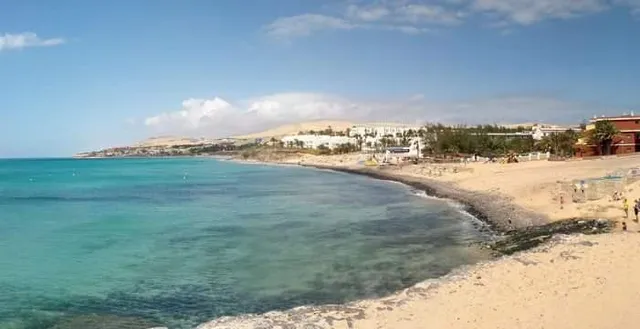
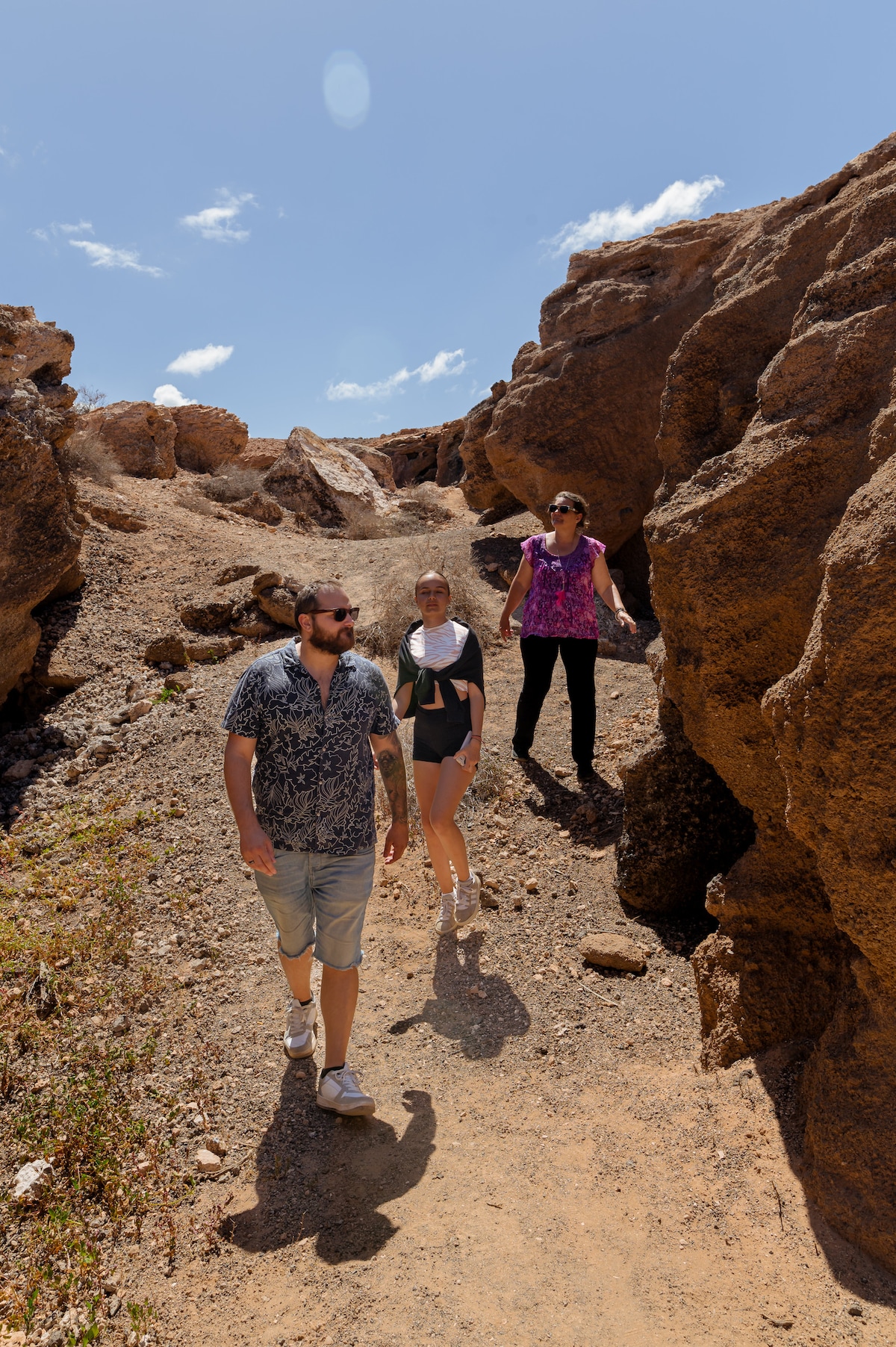
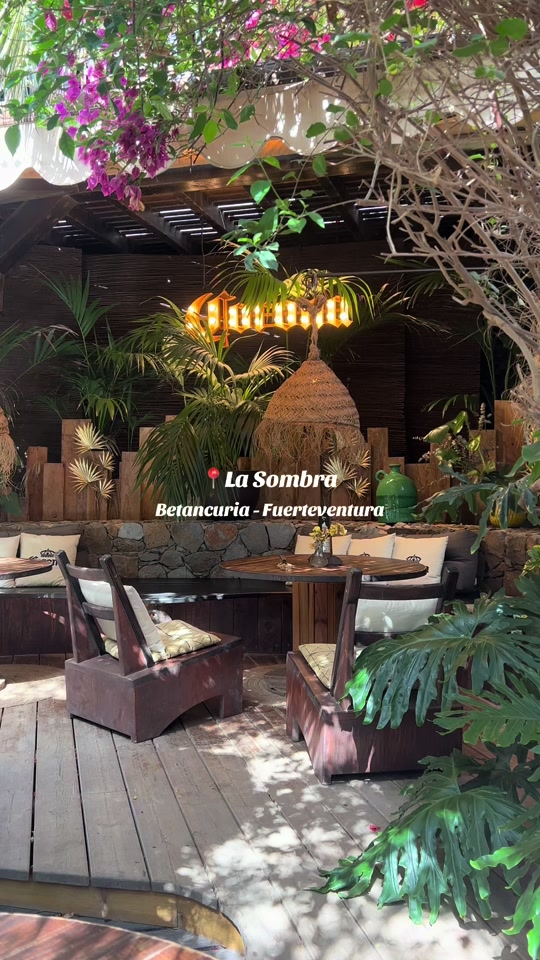
The best thing you can do, if you want to visit this island thoroughly, is to stay here for 8/10 days. The island is not big, in fact from south to north should be about 1 hour and a half of drive. In the middle of the island you find one type of desert which is very rocky whereas at north the scenery turns yellowish, there are many dunes, and the sand turns white. So, considering the size of this island, you get to experience different kinds of sceneries which is what makes this island very interesting. When it comes to transportation there isn't too much so I suggest to rent a car. Renting a car is very cheap as well as getting gas. Keep in mind that you will definitely need a car because this island is not very much for relaxation. This island is for people that like to explore, hike etc. Plan your trip before you drive because many roads are not paved. In fact, when you rent a car, tires are never included in the insurance. The island is always windy...very windy, so if you want to stay at the beach, you may have issues with umbrellas. The best thing to do, in my opinion, is to use a tent with some rocks/heavy things inside so it's more stable. There are many many goats around the island. They are everywhere and can jump in front of you as you drive, so make sure you drive slow. The sun is strong, so bring lots of sunscreen. The restaurants aren't too expensive. One good thing to know is that they use garlic everywhere and they always serve you potatoes. So, even if you don't order potatoes, you will still get some. They tend to serve a lot of food, too. The locals are very friendly...
Read moreThe climate on Fuerteventura is pleasant throughout the year. The island is hence referred to as the island of eternal spring. The sea regulates air temperature, diverting hot Sahara winds away from the island. The island's name in English translates as "strong fortune" or "strong wind", the Spanish word for wind being viento. During the winter months, temperatures average a high of 22 °C (72 °F) and a low of around 15 °C (59 °F), whereas during the summer a mean high of 28 °C (82 °F) and a low of 20 °C (68 °F) can be expected. Precipitation is about 147 mm (6 in) per year, most of which falls in autumn and winter. December is the month with highest rainfall. A sandstorm known as the Calima (similar to the Sirocco wind, which blows to the North of the Sahara, to Europe) may blow from the Sahara Desert to the Northwest, and can cause high temperatures, low visibility and drying air. Temperatures during this phenomenon rise temporarily by approximately 10 degrees Celsius. The wind brings in fine red dust, The fine white sand is not blown in from Sahara, It is made up of dead coral reef and local seabed upheaval. visibility can drop to between 100 to 200 m (328.08 to 656.17 ft) or even lower and can even bring African locusts...
Read moreWhat a disappointment. Don’t waste your time here. Unless you’re a die-hard surfer (and even then), this rocky, barren island has nothing to offer. The landscape is nothing but lava and sand, bleak and lifeless, with a few sad goat farms scattered around. The interior looks more like a war zone than a holiday destination, while the coastline is scarred by massive, soulless hotel complexes that destroy any trace of charm.
Corralejo, where we stayed, felt like a hollow tourist trap — a handful of typical alleys suffocated by souvenir shops. You absolutely need a car to get anywhere, but honestly, there’s nowhere worth going. Beaches are battered by relentless wind, and everything feels either ultra-touristy or completely deserted.
The only upside? In the middle of August, the island was half-empty… but that’s simply because no one wants to be here. A sad, artificial destination built for package tourism, with nothing authentic, nothing inspiring....
Read more