Dunumadalawa Forest Reserve
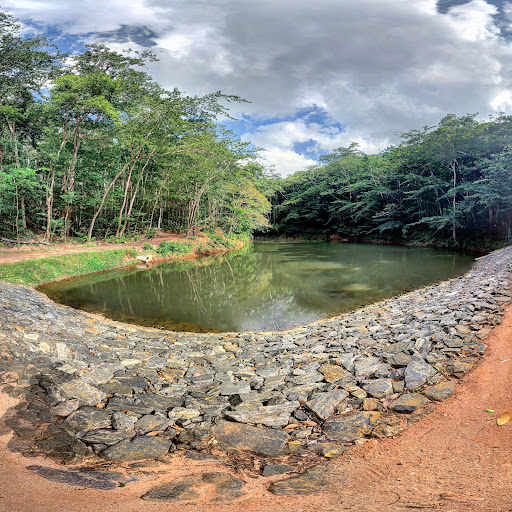
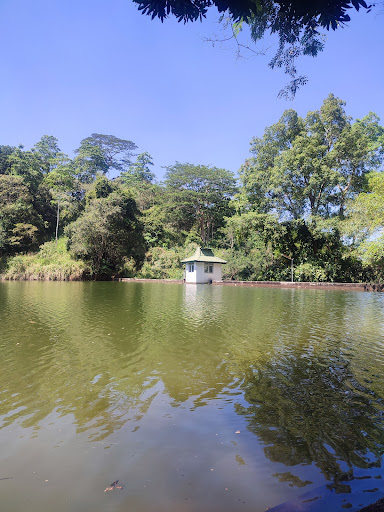
The Dunumadalawa Forest Reserve is a vital and ecologically rich protected area located in the central part of Sri Lanka, near the town of Kandy, in the Central Province. Spanning across approximately 1,000 hectares (10 square kilometers), the reserve is renowned for its role in preserving the island's unique biodiversity and its proximity to the Knuckles Mountain Range, a UNESCO World Heritage Site.
Ecological Significance
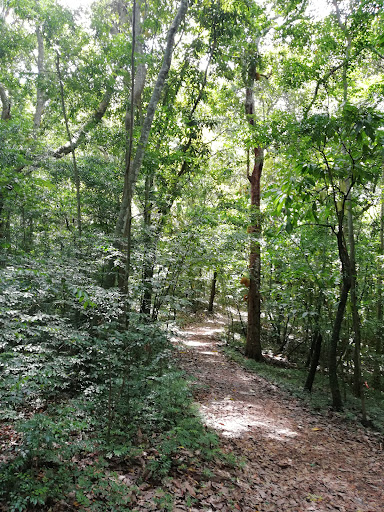
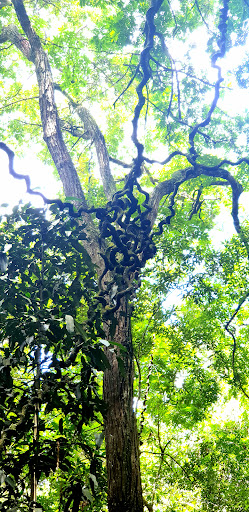
Dunumadalawa is part of the Sri Lankan Wet Zone, characterized by its tropical rainforests, which support a variety of plant and animal species. The reserve is a critical habitat for several endemic species of flora and fauna, some of which are threatened or endangered. The forest is home to a diverse range of vegetation types, including tall trees, vines, and ferns, which are commonly found in Sri Lanka's wet zone forests.
Flora and Fauna
The forest reserve houses over 250 species of plants, many of which are medicinal or commercially valuable. Among its trees, you can find Cinnamon (Cinnamomum verum), Mango (Mangifera indica), Mahogany (Swietenia mahagoni), and Rosewood (Dalbergia spp.).
The rich vegetation in Dunumadalawa creates an ideal habitat for numerous animal species. Notably, the reserve is home to a variety of wildlife, including:
Sri Lankan Leopard (Panthera pardus kotiya)
Purple-faced Leaf Monkey (Trachypithecus vetulus)
Sri Lankan Elephant (Elephas maximus maximus)
Sri Lankan Frogmouth (Batrachostomus moniliger)
Indian Giant Squirrel (Ratufa indica)
Several species of endemic birds, reptiles, and amphibians
Conservation Importance
Dunumadalawa serves as a biodiversity hotspot and plays a significant role in protecting the fragile ecosystems of the Central Highlands of Sri Lanka. It is part of the larger Kandy District Conservation Area, which includes various reserves and parks like the Udawatta Kele Sanctuary and Knuckles Forest Reserve. These forests are crucial for the conservation of many endemic species and provide ecosystem services such as water purification, soil conservation, and carbon sequestration.
Ecotourism and Research
The forest is an attractive destination for ecotourism and research, although it remains relatively less developed compared to other tourist hotspots in Sri Lanka. Visitors can enjoy activities such as bird watching, hiking, and nature walks through the forest's diverse landscapes. Researchers often use Dunumadalawa as a site for studying the unique biodiversity of Sri Lanka's wet zone forests.
Due to its remote and serene nature, it offers an unspoiled sanctuary for wildlife enthusiasts and environmentalists. However, efforts to balance conservation with sustainable tourism are crucial in maintaining the integrity of the forest.
Threats and Conservation Challenges
Despite its protected status, the Dunumadalawa Forest Reserve faces several challenges. The most significant threat comes from human encroachment, including illegal logging, poaching, and land conversion for agriculture. Additionally, climate change poses a growing risk, as rising temperatures and shifting rainfall patterns could alter the forest's ecological balance.
To counter these threats, various conservation initiatives, including reforestation programs, anti-poaching patrols, and community engagement efforts, are being implemented by local authorities and environmental organizations. Promoting sustainable land-use practices and raising awareness about the forest's ecological importance are essential to ensuring the long-term preservation of Dunumadalawa.
Conclusion
The Dunumadalawa Forest Reserve is an invaluable natural asset in Sri Lanka, offering a haven for diverse species and contributing significantly to the island's ecological heritage. By continuing conservation efforts and promoting sustainable tourism, Sri Lanka can safeguard this essential reserve for future generations, preserving both its biodiversity and its cultural...
Read more
 Learn more insights from Wanderboat AI.