Lankaramaya | ලංකාරාමය things to do, attractions, restaurants, events info and trip planning
Basic Info
Lankaramaya | ලංකාරාමය
Lankarama Dagoba, Lankarama Rd, Anuradhapura, Sri Lanka
4.7(400)
Open 24 hours
Save
spot
spot
Ratings & Description
Info
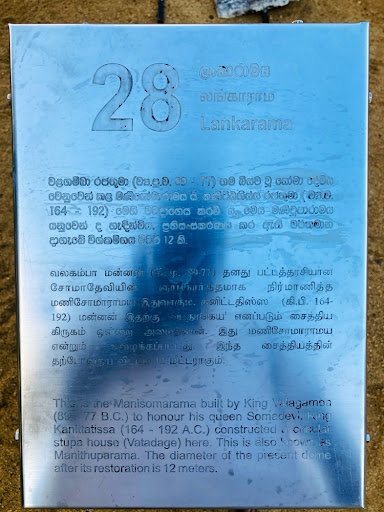
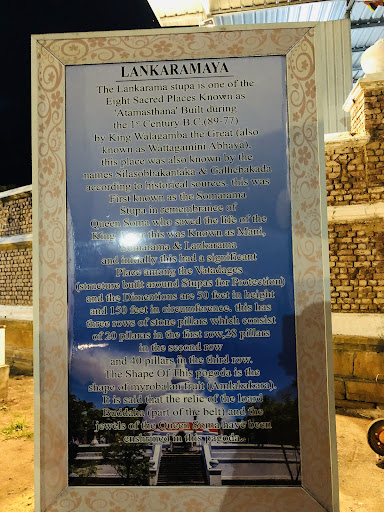
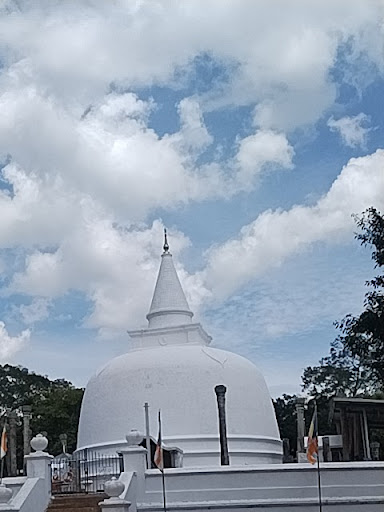
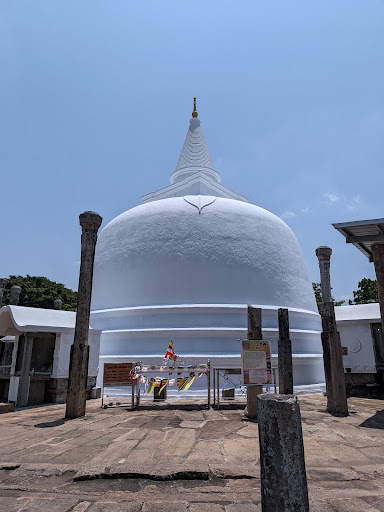
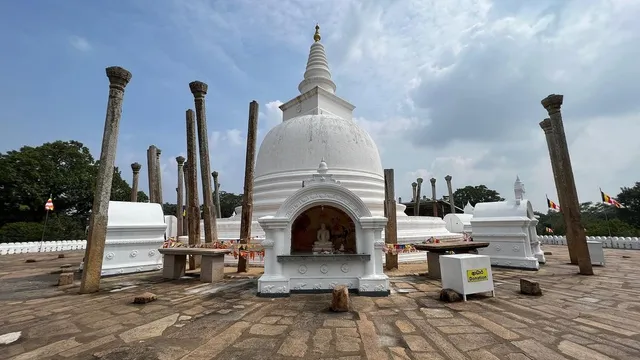
Lankarama is a stupa built by King Valagamba, in an ancient place at Galhebakada in the ancient kingdom of Anuradhapura, Sri Lanka. Nothing is known about the ancient form of the stupa, and later this was renovated.
Cultural
Scenic
Family friendly
Accessibility
attractions: Ath Pokuna, Abhayagiri Museum | අභයගිරි කෞතුකාගාරය, ධාතු මන්දිරය - Relic House, Main Refectory of Abayagiri Monastery - අභයගිරි ප්රධාන දාන ශාලාව, Square Stupa Abhayagiri Monastery, Samadhi Buddha Statue සමාධි බුද්ධ ප්රතිමාව, Anuradhapura Moonstone, Rathna Prasadaya & Guardstone - පොහොය ගෙය සහ මුරගල, Yathuru Pokuna (Circular Pond), Samadhi Buddha Statue, restaurants:
 Learn more insights from Wanderboat AI.
Phone
+94 252 221 884
Plan your stay

Pet-friendly Hotels in North Central Province
Find a cozy hotel nearby and make it a full experience.

Affordable Hotels in North Central Province
Find a cozy hotel nearby and make it a full experience.

The Coolest Hotels You Haven't Heard Of (Yet)
Find a cozy hotel nearby and make it a full experience.

Trending Stays Worth the Hype in North Central Province
Find a cozy hotel nearby and make it a full experience.
Reviews
Nearby attractions of Lankaramaya | ලංකාරාමය
Ath Pokuna
Abhayagiri Museum | අභයගිරි කෞතුකාගාරය
ධාතු මන්දිරය - Relic House
Main Refectory of Abayagiri Monastery - අභයගිරි ප්රධාන දාන ශාලාව
Square Stupa Abhayagiri Monastery
Samadhi Buddha Statue සමාධි බුද්ධ ප්රතිමාව
Anuradhapura Moonstone
Rathna Prasadaya & Guardstone - පොහොය ගෙය සහ මුරගල
Yathuru Pokuna (Circular Pond)
Samadhi Buddha Statue
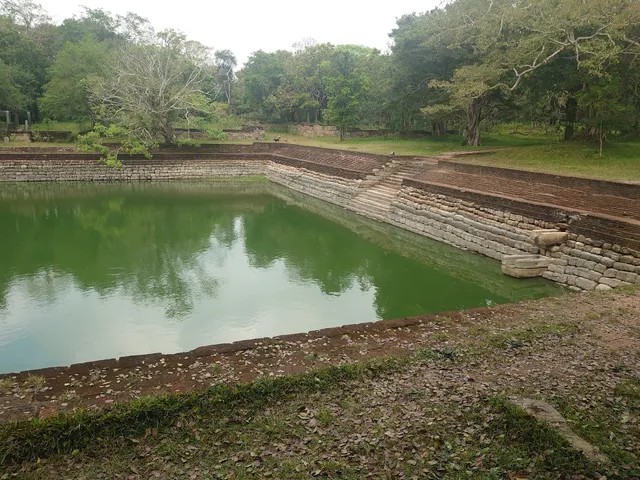
Ath Pokuna
4.8
(124)
Open 24 hours
Click for details
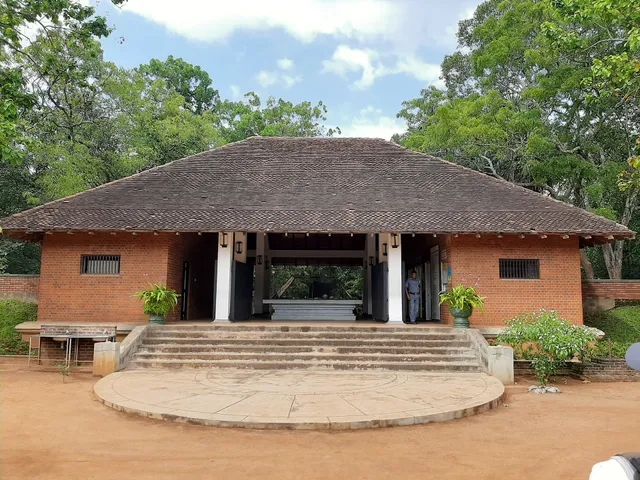
Abhayagiri Museum | අභයගිරි කෞතුකාගාරය
4.5
(210)
Closed
Click for details
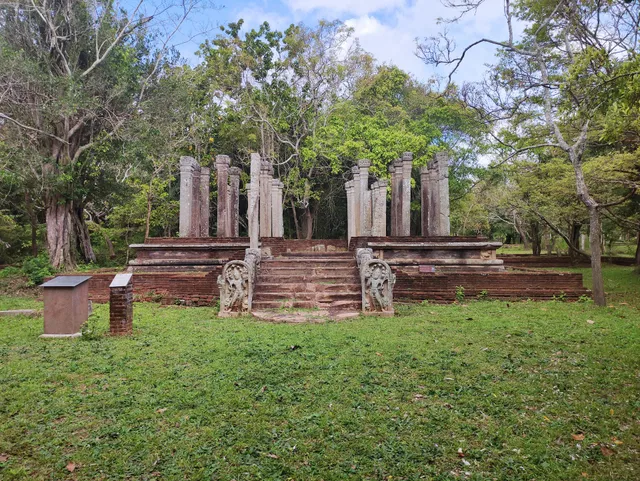
ධාතු මන්දිරය - Relic House
4.9
(12)
Open 24 hours
Click for details
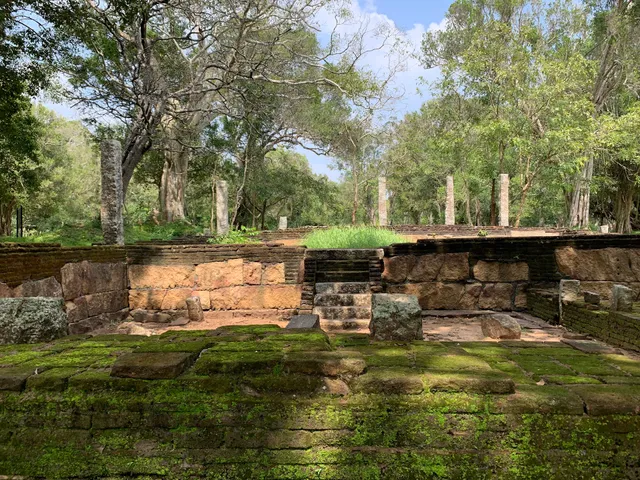
Main Refectory of Abayagiri Monastery - අභයගිරි ප්රධාන දාන ශාලාව
4.7
(22)
Open 24 hours
Click for details
Things to do nearby
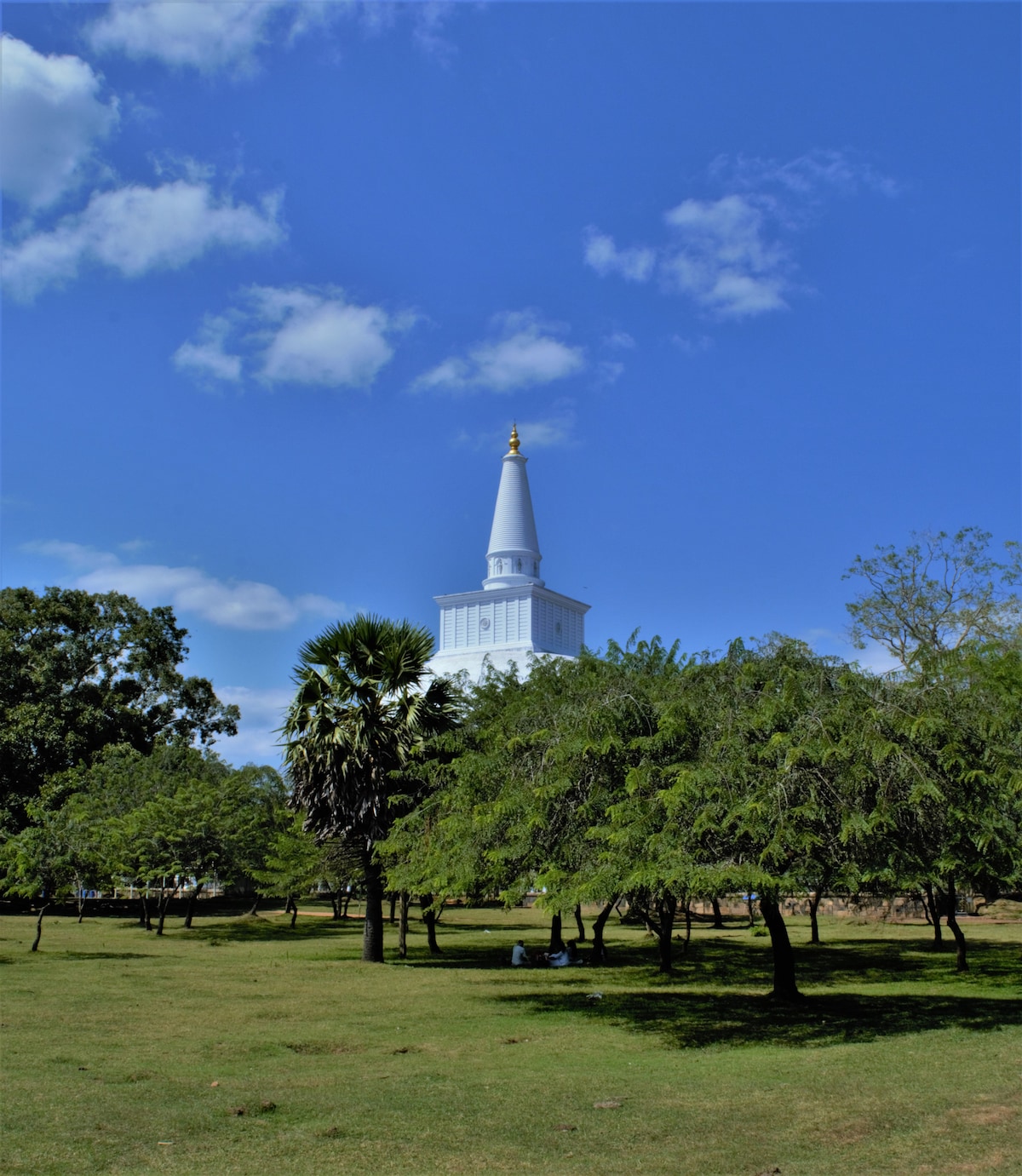
Tour Anuradhapura with a local tour guide
Wed, Jan 14 • 8:30 AM
Anuradhapura, North Central Province -, Sri Lanka
View details
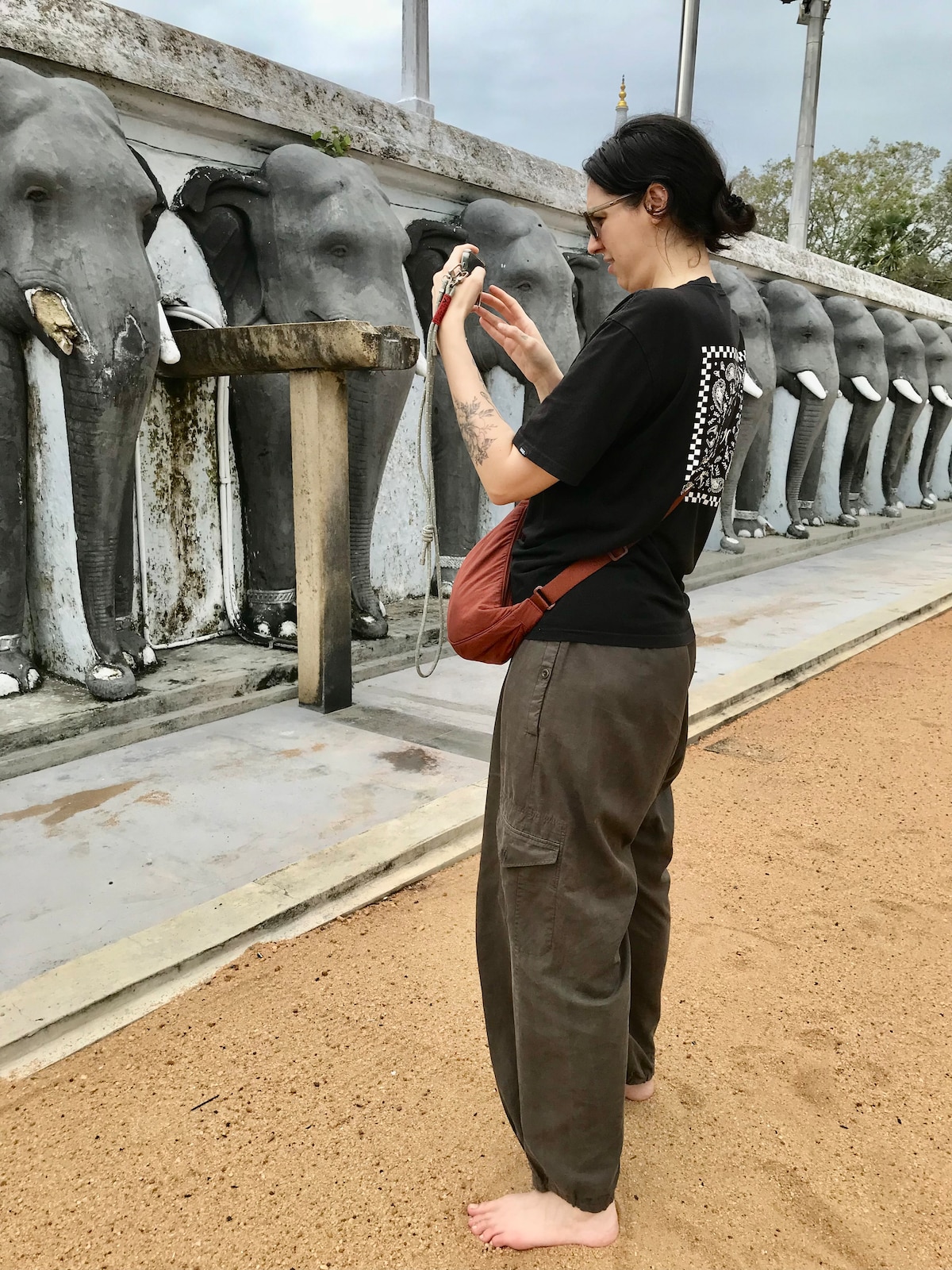
Enjoy a Private Guided Tour in Anuradhapura
Mon, Jan 12 • 12:00 AM
Anuradhapura, North Central Province 00000, Sri Lanka
View details
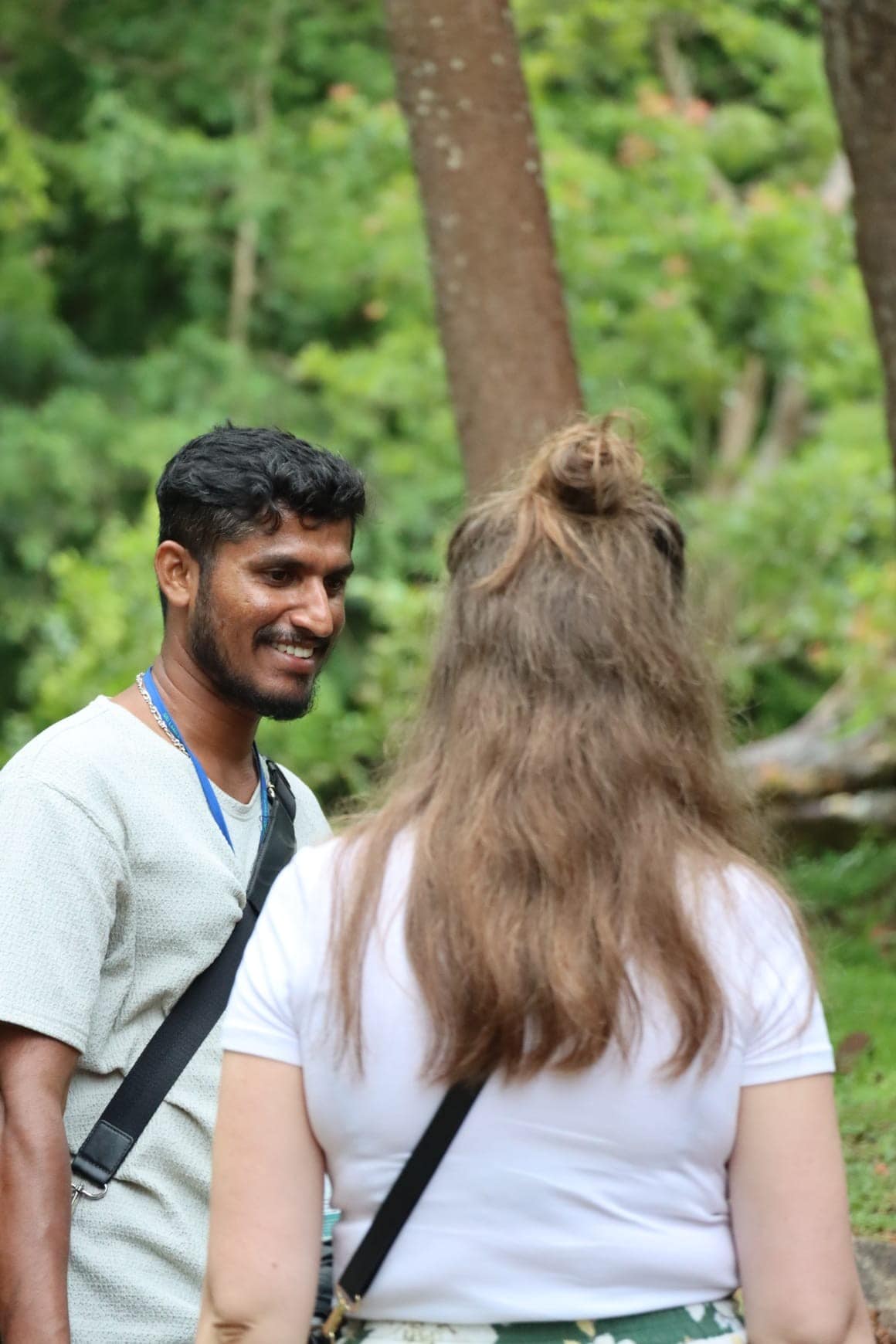
Guided Excursion to Anuradhapura & Mihintale
Sun, Jan 11 • 12:00 AM
Anuradhapura, North Central Province 50000, Sri Lanka
View details