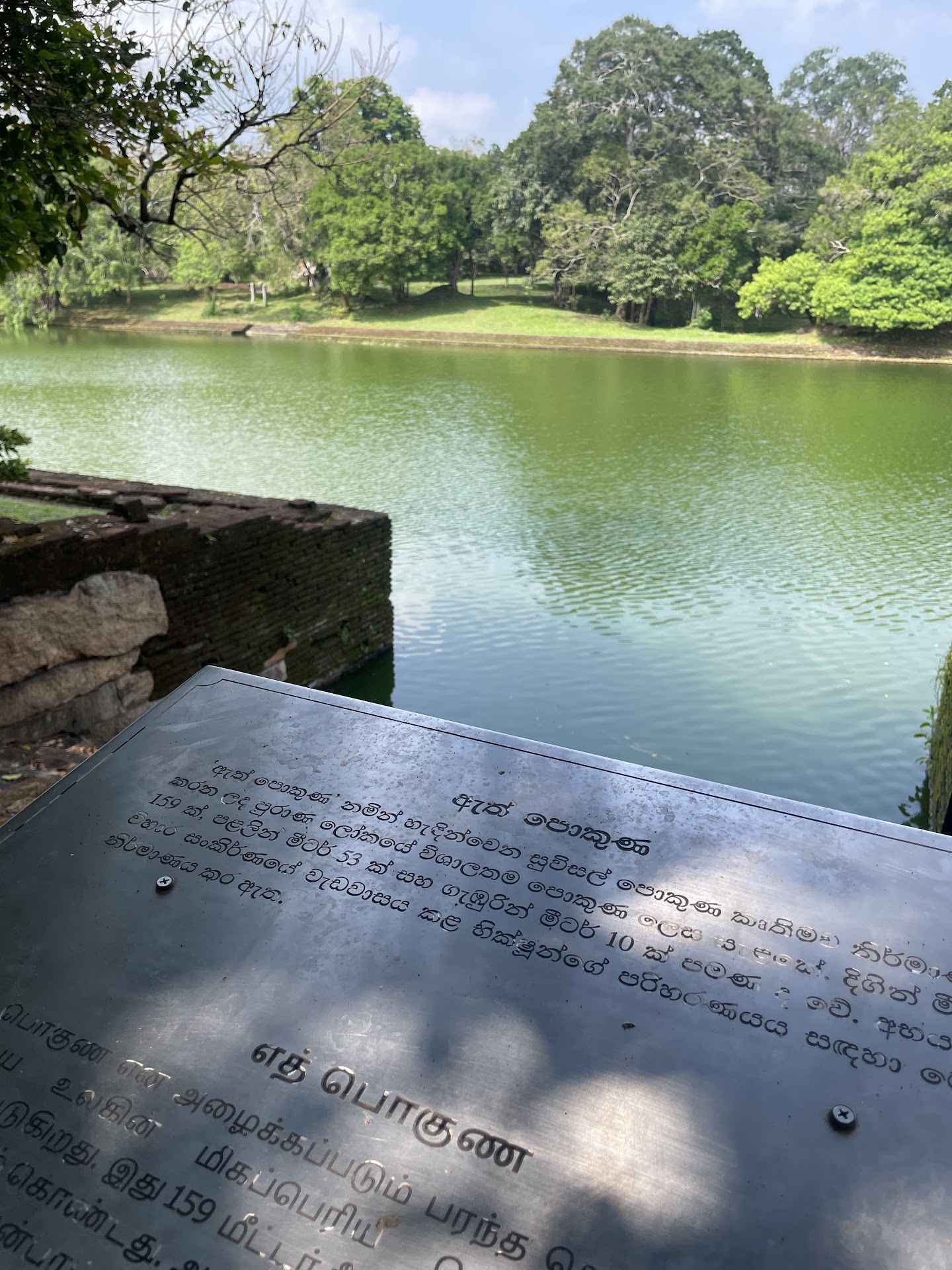
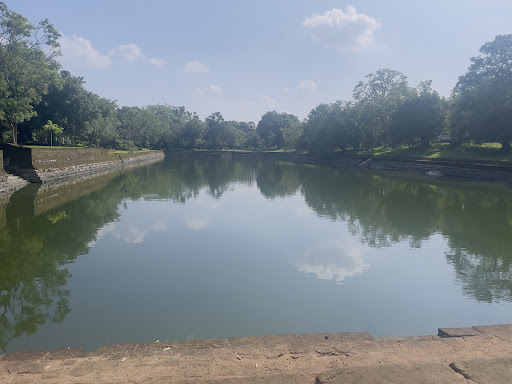
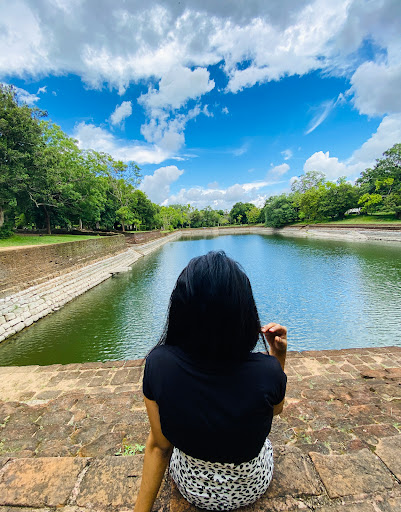
Ath Pokuna things to do, attractions, restaurants, events info and trip planning
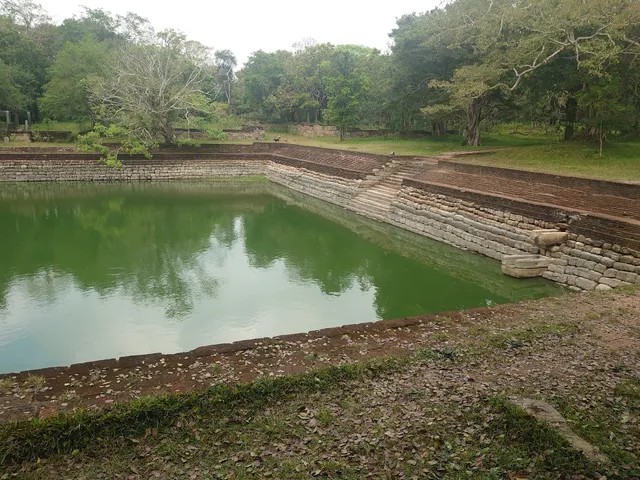
Basic Info
Ath Pokuna
999R+97H, Watawandana Rd, Anuradhapura, Sri Lanka
4.8(133)
Open 24 hours
Save
spot
spot
Ratings & Description
Info
Outdoor
Scenic
attractions: Main Refectory of Abayagiri Monastery - අභයගිරි ප්රධාන දාන ශාලාව, Samadhi Buddha Statue සමාධි බුද්ධ ප්රතිමාව, Lankaramaya | ලංකාරාමය, Rathna Prasadaya & Guardstone - පොහොය ගෙය සහ මුරගල, Anuradhapura Moonstone, Square Stupa Abhayagiri Monastery, ධාතු මන්දිරය - Relic House, Abhayagiri Museum | අභයගිරි කෞතුකාගාරය, Dighapashana Cave (Sudassana Padhanagaraya), Yathuru Pokuna (Circular Pond), restaurants: , local businesses: Elephant Pond, Anuradhapura Moonstone |සඳකඩ පහන, Abhayagiriya, Abhayagiri Pagoda, Abhayagiriya Buddha Mandiraya
 Learn more insights from Wanderboat AI.
Plan your stay

Pet-friendly Hotels in Sri Lanka
Find a cozy hotel nearby and make it a full experience.

Affordable Hotels in Sri Lanka
Find a cozy hotel nearby and make it a full experience.

The Coolest Hotels You Haven't Heard Of (Yet)
Find a cozy hotel nearby and make it a full experience.

Trending Stays Worth the Hype in Sri Lanka
Find a cozy hotel nearby and make it a full experience.
Reviews
Live events
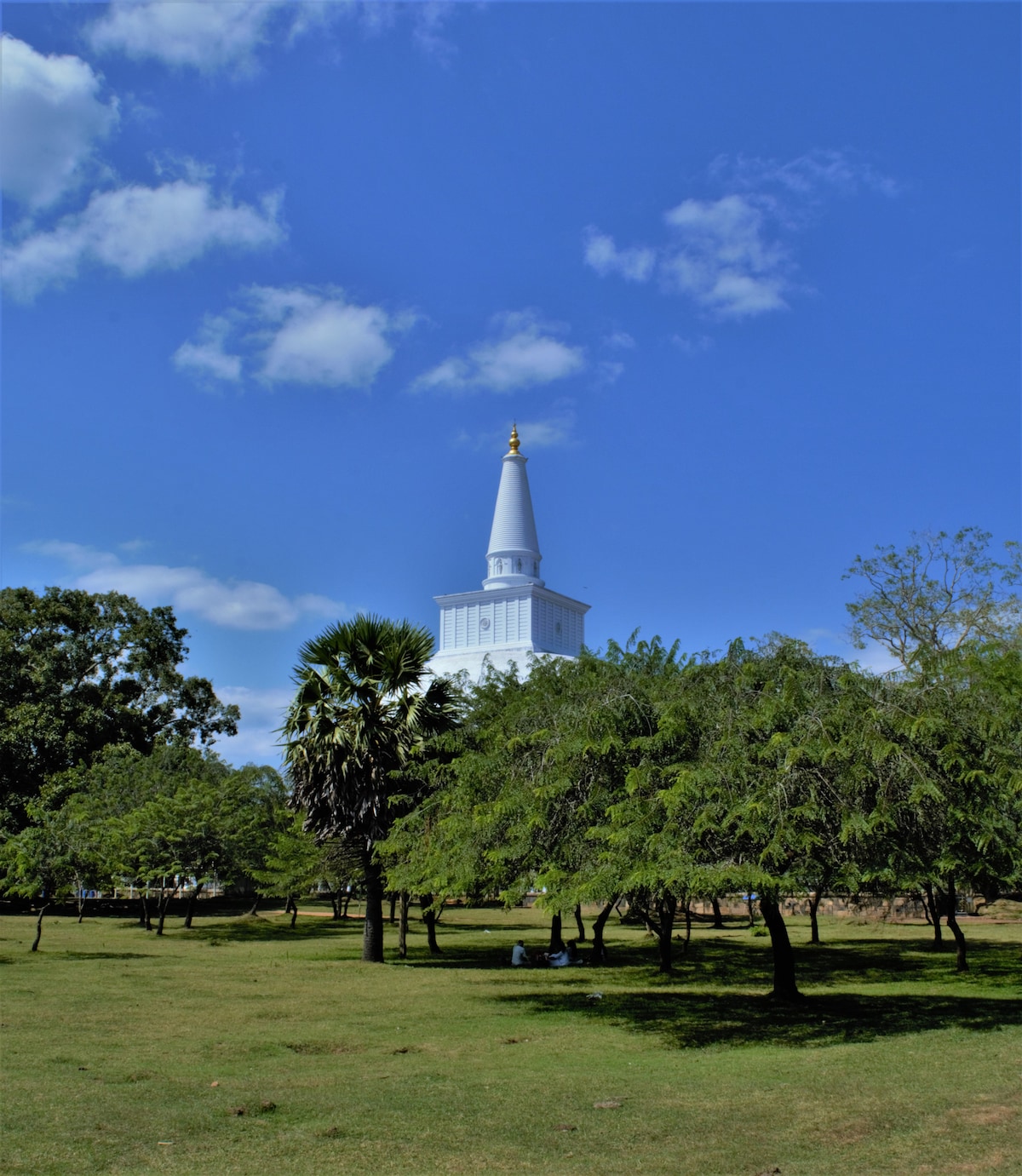
Tour Anuradhapura with a local tour guide
Fri, Feb 20 • 8:30 AM
Anuradhapura, North Central Province -, Sri Lanka
View details
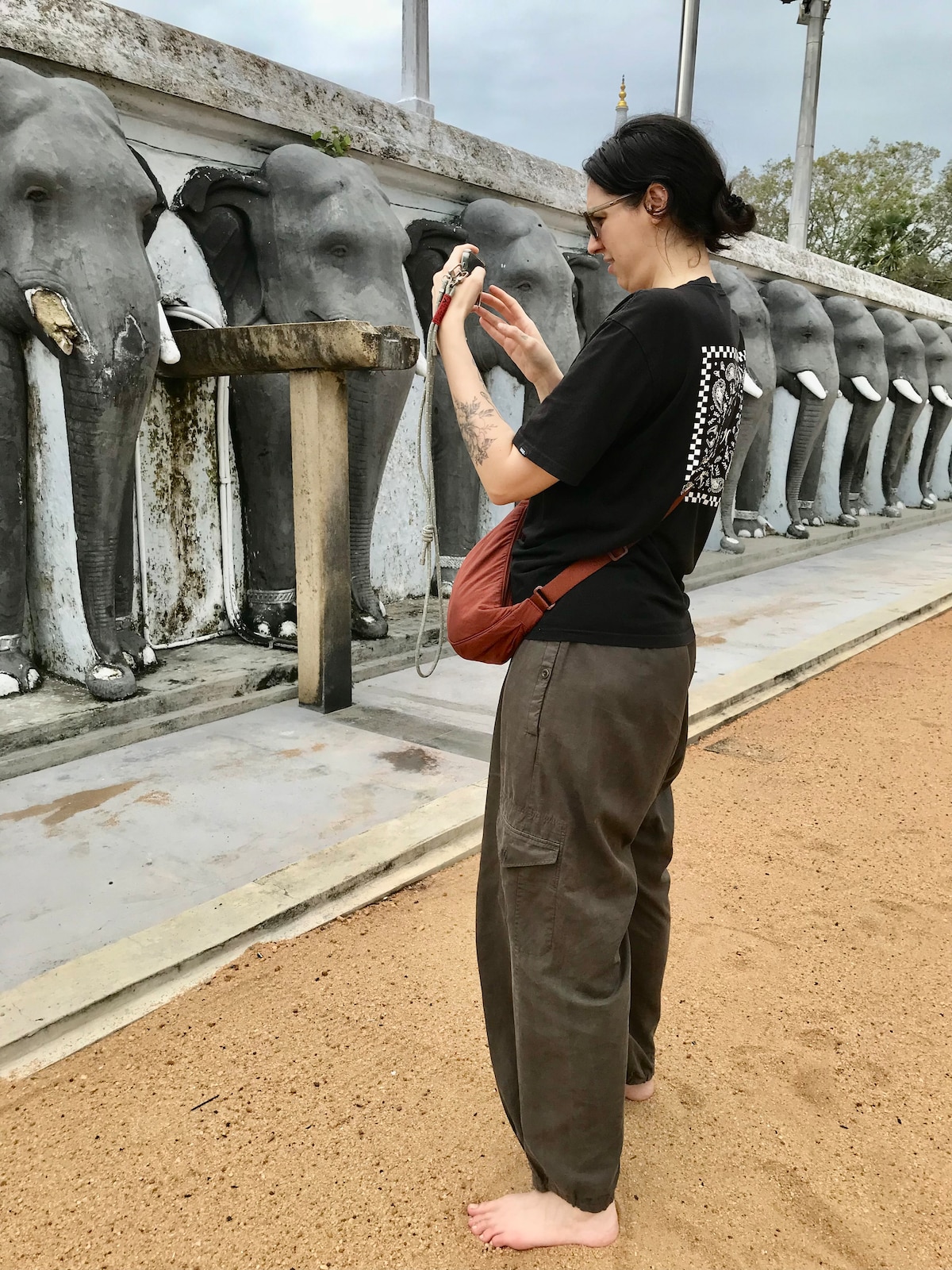
Delve Into Ancient Anuradhapura with Lucky
Fri, Feb 20 • 12:00 AM
Anuradhapura, North Central Province 00000, Sri Lanka
View details

Private Guided Tour to Anuradhapura & Mihintale
Fri, Feb 20 • 12:00 AM
Anuradhapura, North Central Province 50000, Sri Lanka
View details
Nearby attractions of Ath Pokuna
Main Refectory of Abayagiri Monastery - අභයගිරි ප්රධාන දාන ශාලාව
Samadhi Buddha Statue සමාධි බුද්ධ ප්රතිමාව
Lankaramaya | ලංකාරාමය
Rathna Prasadaya & Guardstone - පොහොය ගෙය සහ මුරගල
Anuradhapura Moonstone
Square Stupa Abhayagiri Monastery
ධාතු මන්දිරය - Relic House
Abhayagiri Museum | අභයගිරි කෞතුකාගාරය
Dighapashana Cave (Sudassana Padhanagaraya)
Yathuru Pokuna (Circular Pond)
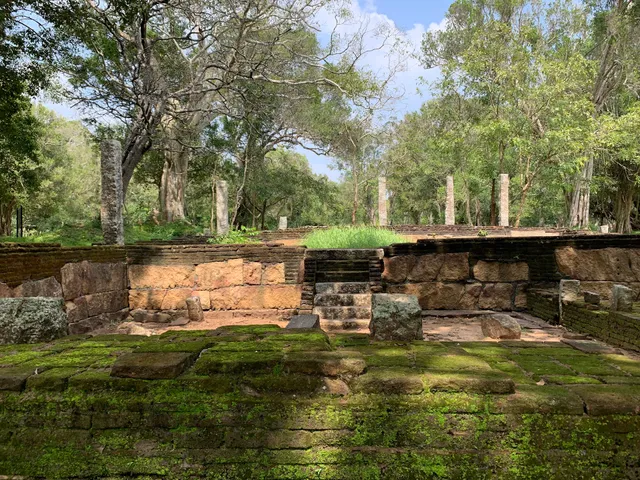
Main Refectory of Abayagiri Monastery - අභයගිරි ප්රධාන දාන ශාලාව
4.7
(24)
Open 24 hours
Click for details
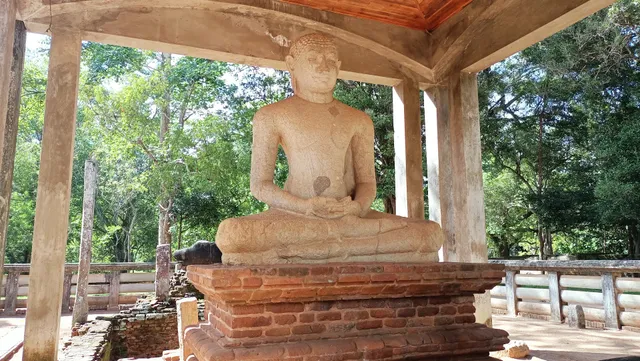
Samadhi Buddha Statue සමාධි බුද්ධ ප්රතිමාව
4.8
(22)
Open 24 hours
Click for details
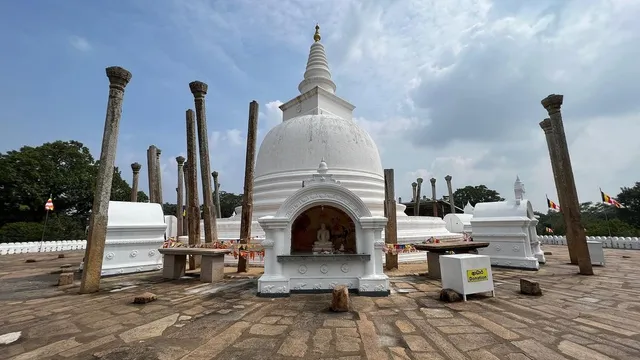
Lankaramaya | ලංකාරාමය
4.7
(390)
Open 24 hours
Click for details
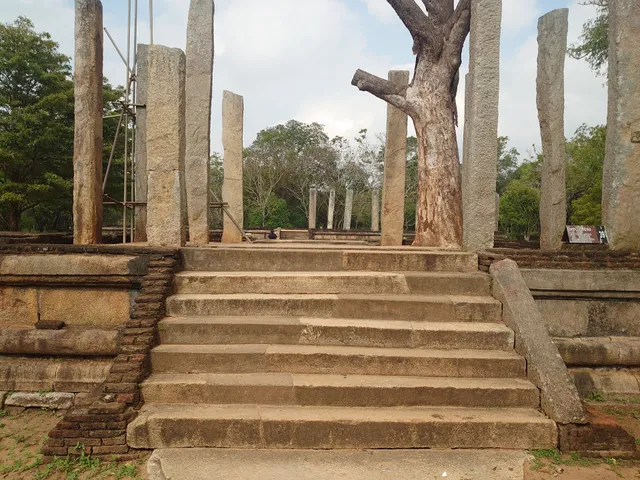
Rathna Prasadaya & Guardstone - පොහොය ගෙය සහ මුරගල
4.7
(54)
Open until 12:00 AM
Click for details
Nearby local services of Ath Pokuna
Elephant Pond
Anuradhapura Moonstone |සඳකඩ පහන
Abhayagiriya
Abhayagiri Pagoda
Abhayagiriya Buddha Mandiraya
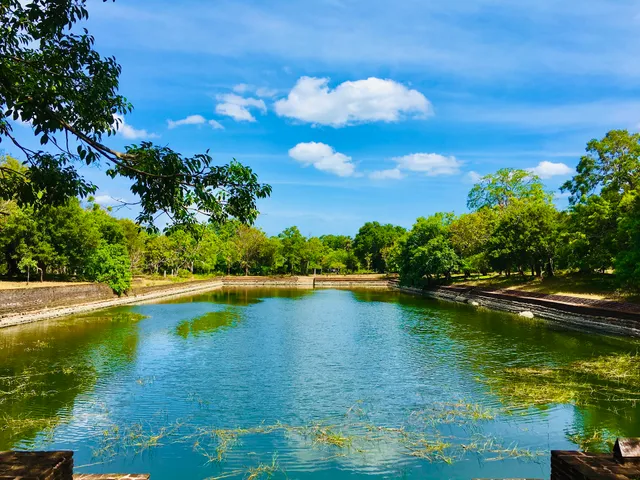
Elephant Pond
4.9
(32)
Click for details
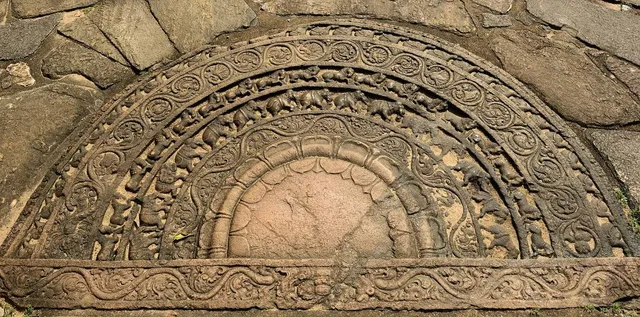
Anuradhapura Moonstone |සඳකඩ පහන
4.8
(250)
Click for details
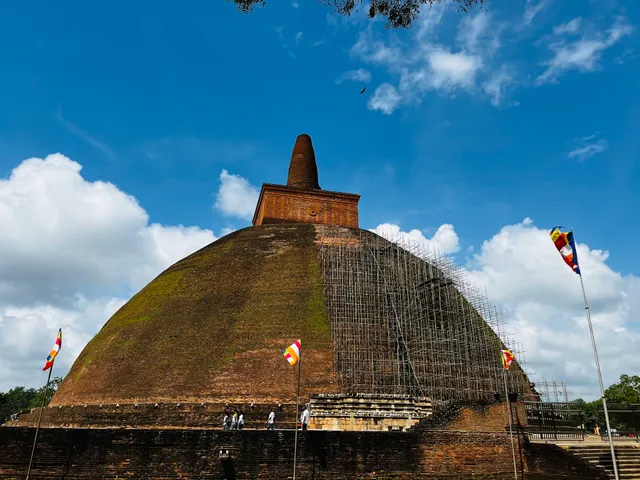
Abhayagiriya
4.8
(853)
Click for details
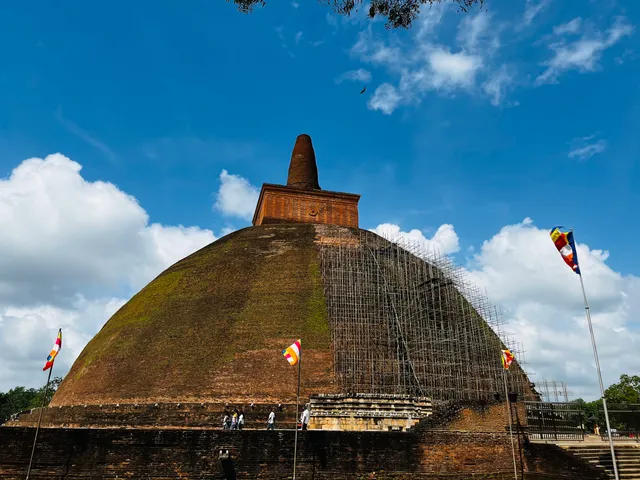
Abhayagiri Pagoda
4.8
(539)
Click for details