HTML SitemapExplore
logo
Find Things to DoFind The Best Restaurants

Batticaloa Dutch Fort — Attraction in Puliyanthivu East

Name
Batticaloa Dutch Fort
Description
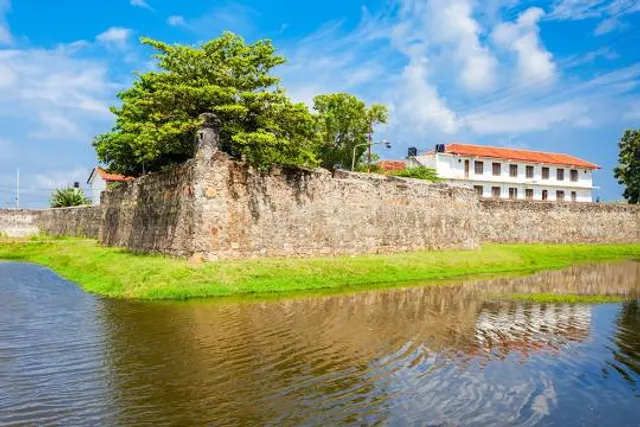
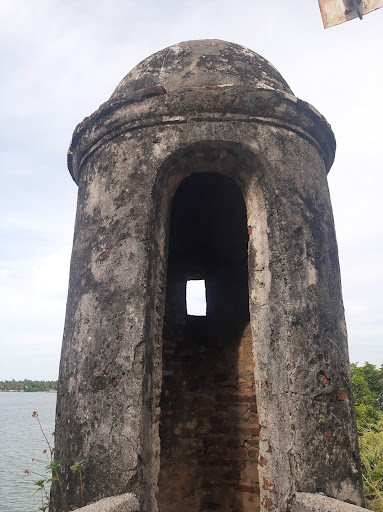
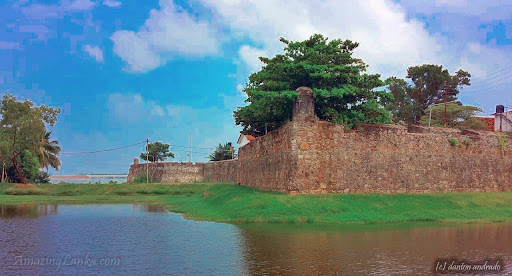
The Batticaloa Fort was built by the Portuguese in 1628 and was captured by the Dutch on 18 May 1638. From 1795, the fort was used by the British. The fort has a structure of four bastions and is protected by the Batticaloa Lagoon on two sides and a canal on the other two sides.
Nearby attractions
Batticaloa Gate
PM7X+CVR, Batticaloa, Sri Lanka
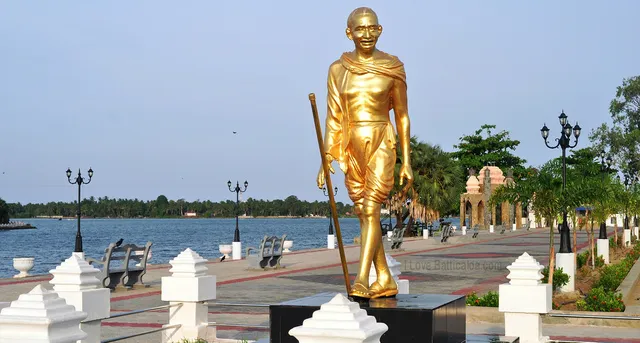
Batticaloa Ghandi Park
PM7X+GHC, Bazaar St, Batticaloa, Sri Lanka
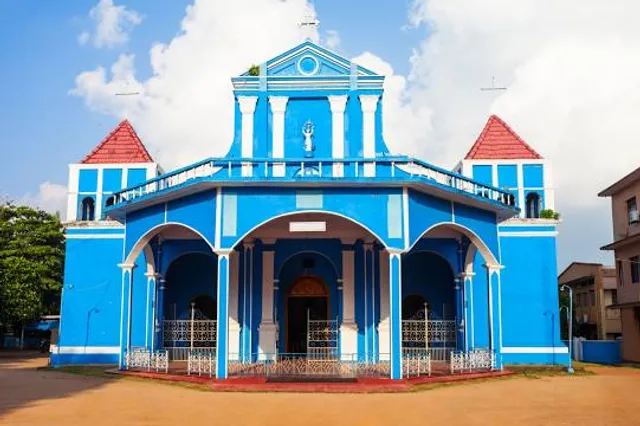
St. Mary's Cathedral, Batticaloa
PM6W+WCV, Batticaloa, Sri Lanka
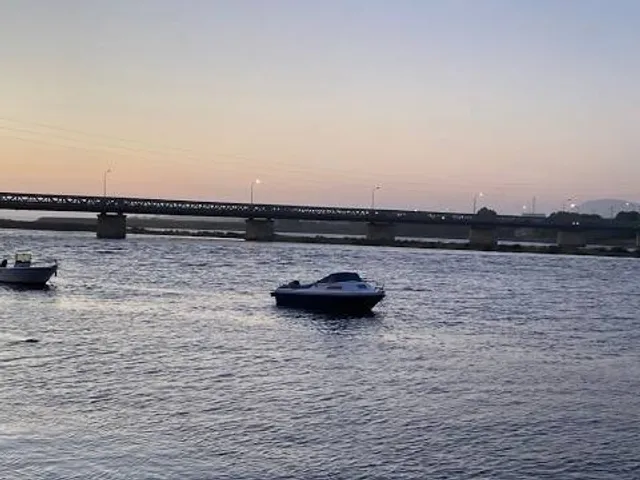
New Kallady Bridge - Batticaloa
PP94+MRX, Kallady, Sri Lanka
Nearby restaurants
KFC Batticaloa
65, A15 Central Road, Batticaloa 30000, Sri Lanka
Nearby hotels
15 LMD
15 Lady Manning Dr, Batticaloa 30000, Sri Lanka
Treatooo Hotel
103 Lady Manning Dr, Batticaloa 37000, Sri Lanka
Sri Construction Circuit bungalow
18 St Michael's St, Batticaloa 30000, Sri Lanka
Batti Rest
12 Hospital Rd, Batticaloa, Sri Lanka
East Gate 8-9
46, 9 Hospital Rd, Batticaloa 30000, Sri Lanka
Lagoon Breeze Resort
Mariyamman 1st Cross Rd, Kallady, Sri Lanka
Myls Garden - Guest House
117 New Kalmunai Rd, Kallady 30000, Sri Lanka
Related posts
Keywords
Batticaloa Dutch Fort tourism.Batticaloa Dutch Fort hotels.Batticaloa Dutch Fort bed and breakfast. flights to Batticaloa Dutch Fort.Batticaloa Dutch Fort attractions.Batticaloa Dutch Fort restaurants.Batticaloa Dutch Fort travel.Batticaloa Dutch Fort travel guide.Batticaloa Dutch Fort travel blog.Batticaloa Dutch Fort pictures.Batticaloa Dutch Fort photos.Batticaloa Dutch Fort travel tips.Batticaloa Dutch Fort maps.Batticaloa Dutch Fort things to do.
Batticaloa Dutch Fort things to do, attractions, restaurants, events info and trip planning
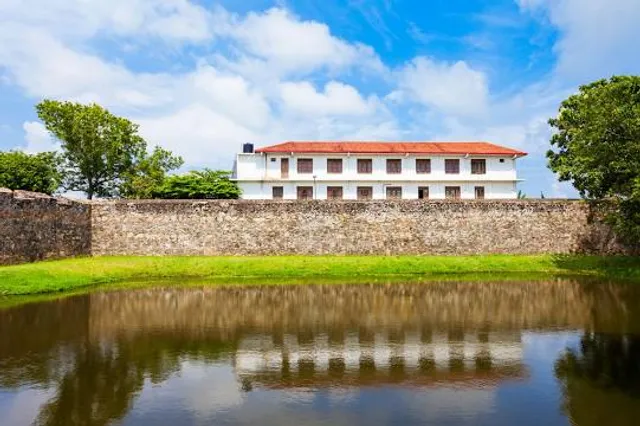
Batticaloa Dutch Fort
Sri LankaEastern ProvincePuliyanthivu EastBatticaloa Dutch Fort

Basic Info

Batticaloa Dutch Fort

PP62+PRH, Fort Road, Batticaloa, Sri Lanka
4.1(639)
Open 24 hours
Save
spot

Ratings & Description

Info

The Batticaloa Fort was built by the Portuguese in 1628 and was captured by the Dutch on 18 May 1638. From 1795, the fort was used by the British. The fort has a structure of four bastions and is protected by the Batticaloa Lagoon on two sides and a canal on the other two sides.

Cultural
Scenic
Family friendly
Accessibility
attractions: Batticaloa Gate, Batticaloa Ghandi Park, St. Mary's Cathedral, Batticaloa, New Kallady Bridge - Batticaloa, restaurants: KFC Batticaloa
logoLearn more insights from Wanderboat AI.

Plan your stay

hotel
Pet-friendly Hotels in Puliyanthivu East
Find a cozy hotel nearby and make it a full experience.
hotel
Affordable Hotels in Puliyanthivu East
Find a cozy hotel nearby and make it a full experience.
hotel
The Coolest Hotels You Haven't Heard Of (Yet)
Find a cozy hotel nearby and make it a full experience.
hotel
Trending Stays Worth the Hype in Puliyanthivu East
Find a cozy hotel nearby and make it a full experience.

Reviews

Nearby attractions of Batticaloa Dutch Fort

Batticaloa Gate

Batticaloa Ghandi Park

St. Mary's Cathedral, Batticaloa

New Kallady Bridge - Batticaloa

Batticaloa Gate

Batticaloa Gate

4.4

(270)

Open until 12:00 AM
Click for details
Batticaloa Ghandi Park

Batticaloa Ghandi Park

4.3

(530)

Open until 10:00 PM
Click for details
St. Mary's Cathedral, Batticaloa

St. Mary's Cathedral, Batticaloa

4.5

(51)

Open 24 hours
Click for details
New Kallady Bridge - Batticaloa

New Kallady Bridge - Batticaloa

4.5

(253)

Open 24 hours
Click for details

Nearby restaurants of Batticaloa Dutch Fort

KFC Batticaloa

KFC Batticaloa

KFC Batticaloa

3.8

(537)

Click for details
Get the Appoverlay
Get the AppOne tap to find yournext favorite spots!
Wanderboat LogoWanderboat

Your everyday Al companion for getaway ideas

CompanyAbout Us
InformationAI Trip PlannerSitemap
SocialXInstagramTiktokLinkedin
LegalTerms of ServicePrivacy Policy

Get the app

© 2025 Wanderboat. All rights reserved.
logo

Posts

Travel With RizviTravel With Rizvi
Today (30th Aug 2023) was a poya day, a public holiday in Sri Lanka, One of my friends told me that Batticola fort is now a district secretariat and they will not allow visitors to see the fort However, we went there and asked the watchman to show the fort. He agreed and told us there was a guide who would help us. But we did not find the guide, so we went to see the fort by ourselves. When we finished, we found the guide. He was friendly and asked for 500 rupees to explain the history of Batticola fort and show us some places. He said it would normally take 30 minutes, but we did not have time, so we told him we would come back next time and we left. 🔰Adventure :Batticaloa fort may look ordinary nowadays, but I imagine it was full of adventure in the past. (🌟10) 🔰Challenges : The fort has four bastions and is protected by the Batticaloa Lagoon on two sides and a canal on the other two sides (🌟12) 🔰Disturbance : No one disturb us, we enjoyed ourselves. (🌟8) 🔰Entertainment : We enjoyed (🌟10) 🔰Highlights : The fort was originally constructed by the Portuguese (1628), then captured by the Dutch, and finally taken over by the British. (🌟14) 🔰Learn : It is one of the most picturesque of the small Dutch forts of Sri Lanka, situated on an island, still in good condition (🌟12) 🔰Nature : Batticaloa Lagoon, Sunrise, Natural wind (🌟12) 🔰Relax : 50% I feel (🌟10) 🔰People : 🔰Safe : TOTAL 🌟 = 88 out of 100 = 44 out of 10 = 4.4 out of 5 = 2.2 Conclusion : Batticaloa fort, a historical place with a good view you have to visit once in your life #TravelWithRizvi #Travel_With_Rizvi #TWR
Sri TravelsSri Travels
History and Significance of the Fort Built in the year 1628 by the Portuguese, the Batticaloa Fort is one of the few remaining strongholds of what once was the result of rapid European expansionism that took place during the 17th century. Located on the island of Puliyanthivu, the Batticaloa Fort has switched hands between several colonial powers, namely from the Portuguese to the Dutch in the year 1638, and from the Dutch to the British in the year 1745. It was used as an important administrative complex during the British colonial era, and still houses many functional government buildings. Intriguingly, the Batticaloa Fort was destroyed at one point, after it was captured by the Dutch, as it was initially deemed unnecessary. The Dutch realising its importance decided to rebuild the fort in 1665, and included some new additions, such as fortified bastions.
Guru EyeGuru Eye
My visit to the Dutch Fort in Batticaloa was made truly memorable by the knowledgeable guides who expertly explained the fort's rich history. Their insights brought the history of the fort and its significance to life, making the visit much more meaningful. The fort itself is a testament to Dutch colonial architecture, with its impressive walls and layout. Situated near the lagoon, the fort offers scenic views and a peaceful atmosphere, perfect for a leisurely stroll and reflection. I was particularly impressed by the efforts made to preserve and maintain the fort, ensuring that its historical value is protected for future generations. I highly recommend visiting the Dutch Fort in Batticaloa, especially for history enthusiasts. The combination of its historical significance and the expertise of the guides makes it a must-visit attraction in Batticaloa.
See more posts
See more posts
hotel
Find your stay

Pet-friendly Hotels in Puliyanthivu East

Find a cozy hotel nearby and make it a full experience.

Today (30th Aug 2023) was a poya day, a public holiday in Sri Lanka, One of my friends told me that Batticola fort is now a district secretariat and they will not allow visitors to see the fort However, we went there and asked the watchman to show the fort. He agreed and told us there was a guide who would help us. But we did not find the guide, so we went to see the fort by ourselves. When we finished, we found the guide. He was friendly and asked for 500 rupees to explain the history of Batticola fort and show us some places. He said it would normally take 30 minutes, but we did not have time, so we told him we would come back next time and we left. 🔰Adventure :Batticaloa fort may look ordinary nowadays, but I imagine it was full of adventure in the past. (🌟10) 🔰Challenges : The fort has four bastions and is protected by the Batticaloa Lagoon on two sides and a canal on the other two sides (🌟12) 🔰Disturbance : No one disturb us, we enjoyed ourselves. (🌟8) 🔰Entertainment : We enjoyed (🌟10) 🔰Highlights : The fort was originally constructed by the Portuguese (1628), then captured by the Dutch, and finally taken over by the British. (🌟14) 🔰Learn : It is one of the most picturesque of the small Dutch forts of Sri Lanka, situated on an island, still in good condition (🌟12) 🔰Nature : Batticaloa Lagoon, Sunrise, Natural wind (🌟12) 🔰Relax : 50% I feel (🌟10) 🔰People : 🔰Safe : TOTAL 🌟 = 88 out of 100 = 44 out of 10 = 4.4 out of 5 = 2.2 Conclusion : Batticaloa fort, a historical place with a good view you have to visit once in your life #TravelWithRizvi #Travel_With_Rizvi #TWR
Travel With Rizvi

Travel With Rizvi

hotel
Find your stay

Affordable Hotels in Puliyanthivu East

Find a cozy hotel nearby and make it a full experience.

Get the Appoverlay
Get the AppOne tap to find yournext favorite spots!
History and Significance of the Fort Built in the year 1628 by the Portuguese, the Batticaloa Fort is one of the few remaining strongholds of what once was the result of rapid European expansionism that took place during the 17th century. Located on the island of Puliyanthivu, the Batticaloa Fort has switched hands between several colonial powers, namely from the Portuguese to the Dutch in the year 1638, and from the Dutch to the British in the year 1745. It was used as an important administrative complex during the British colonial era, and still houses many functional government buildings. Intriguingly, the Batticaloa Fort was destroyed at one point, after it was captured by the Dutch, as it was initially deemed unnecessary. The Dutch realising its importance decided to rebuild the fort in 1665, and included some new additions, such as fortified bastions.
Sri Travels

Sri Travels

hotel
Find your stay

The Coolest Hotels You Haven't Heard Of (Yet)

Find a cozy hotel nearby and make it a full experience.

hotel
Find your stay

Trending Stays Worth the Hype in Puliyanthivu East

Find a cozy hotel nearby and make it a full experience.

My visit to the Dutch Fort in Batticaloa was made truly memorable by the knowledgeable guides who expertly explained the fort's rich history. Their insights brought the history of the fort and its significance to life, making the visit much more meaningful. The fort itself is a testament to Dutch colonial architecture, with its impressive walls and layout. Situated near the lagoon, the fort offers scenic views and a peaceful atmosphere, perfect for a leisurely stroll and reflection. I was particularly impressed by the efforts made to preserve and maintain the fort, ensuring that its historical value is protected for future generations. I highly recommend visiting the Dutch Fort in Batticaloa, especially for history enthusiasts. The combination of its historical significance and the expertise of the guides makes it a must-visit attraction in Batticaloa.
Guru Eye

Guru Eye

See more posts
See more posts

Reviews of Batticaloa Dutch Fort

4.1
(639)
avatar
4.0
4y

The Batticaloa Fort was built by the Portuguese in 1628 and was captured by the Dutch on 18 May 1638. From 1795, the fort was used by the British. The fort has a structure of four bastions and is protected by the Batticaloa Lagoon on two sides and a canal on the other two sides As a country that had been repeatedly colonised, Sri Lanka’s architecture from the past few centuries is a bit of a mix-and-match of various cultures. This includes the Batticaloa Dutch Fort, located approximately 40 minutes from Pasikuda.

The Beginnings The fort was originally built by the Portuguese in 1628 and used as an administrative centre. It was established on a small island, with the fort protruding into one of the swamps of the Batticaloa Lagoon, which borders it. It was later captured by the Dutch 10 years later. Over a century passed before the fort, again, switched hands and was taken over by the British in 1745.

Present-day Fort Today, the fort still stands strong, though arguably not as formidable as it used to, and houses a few government departments within it. The fort has four bastions, with the Batticaloa Lagoon and two canals on either side of its walls. The location of the fort also holds some religious significance, as indicated by the Ruhuna era stupa that remains on its premises. The stupa, which has been traced back to the 1st century B.C.

The Batticaloa Dutch Fort took some damage during the 2004 tsunami, which battered its fortifications and outer structure; and over the years, sea erosion has certainly taken a toll on it. Despite this, surrounded by the lulling lagoon and lush greenery, it still stands as a marvellous piece of architecture reminiscent of times gone by, ramparts, canons and all!

Promising you open views of the coast and some truly astonishing dated monuments, the Batticaloa Dutch Fort is a must-see for any...

   Read more
avatar
5.0
9y

Originally a Portuguese settlement, the Fort of Batticaloa was first constructed in 1628 as a trading and administrative center. Set upon a small island, the fort protrudes into a swampy lagoon, surveying the brackish waters protected by the city’s outer banks. The Dutch had arrived in 1602, drawn to the prospects of trade and the abundance of pepper and cinnamon grown by the local community. However, it was not until King Rajasinghe in Kandy urged Dutch intervention that the European colonial power took action, capturing the fort in 1638 and establishing sovereignty in the region. Bordered by a moat on two sides and the lagoon on the others, the stone fort remained in Dutch hands for nearly two centuries before the British entered the country in the late 18th century and took control of the Dutch fortifications. The site has significant religious implications dating back to the 1st century B.C., evidenced by a Buddhist stupa and shatra from the Ruhuna Kingdom that remains in the area. Sea erosion, insufficient funding, encroaching development, and the tsunami of 2004 have all conspired to damage the structure and its surrounding fortifications. Further, ethnic violence that has rocked the island for much of the last 30 years has prevented conservation efforts while dividing communities and threatening security in the area. However, plans to open the fort for public use can help unite the community and have the potential to further promote the fort as a religious and historic symbol.

Following are the time line of fort been under influence of power

1622 – Construction began by Portuguese

1628 – Construction completed

1638 – Dutch captured

1639 – Fort destroyed by Dutch

1665 – Reconstruction started

1682 – Renovation

1707 – Front bastion and complex completed

1766 – Ceded to Kandyan kingdom

1796 –...

   Read more
avatar
5.0
7y

The Batticaloa Fort was built by the Portuguese in 1628 and was captured by the Dutch on 18 May 1638. From 1745, the fort was used by the British.

The fort has a structure of four bastions and is protected by the Batticaloa Lagoon on two sides and a canal on the other two sides. The fort is still in reasonable condition and currently houses several local administrative departments of the Sri Lanka government in new buildings, which are located within the old structure.

1622 – Construction began by Portuguese 1628 – Construction completed 1638 – Dutch captured 1639 – Fort destroyed by Dutch 1665 – Reconstruction started 1682 – Renovation 1707 – Front bastion and complex completed 1766 – Ceded to Kandyan kingdom 1796 – Captured by British

மட்டக்களப்புக் கோட்டை அல்லது மட்டக்களப்பு இடச்சுக் கோட்டை (ஒல்லாந்து கோட்டை) அல்லது மட்டக்களப்பு போர்த்துக்கீச கோட்டை என அழைக்கப்படும் கோட்டையானது 1628ஆம் ஆண்டு போர்த்துக்கேயரால் கட்டப்பட்டு, ஒல்லாந்துக்காரரால் 1638இல் கைப்பற்றப்பட்டது.இலங்கையிலுள்ள அழகிய சிறிய ஒல்லாந்துக் கோட்டைகளில் இதுவும் ஒன்று. மட்டக்களப்பு தீவுகளில் ஒன்றான புளியத்தீவில் அமைந்துள்ள இது, இன்னும் பழுதடையாமல் காணப்படுகிறது.

1622 – போர்த்துக்கேயரால் கட்டுமானம் ஆரம்பிக்கப்பட்டது 1628 – கட்டுமானம் நிறைவுற்றது 1638 – ஒல்லாந்தரால் கைப்பற்றப்பட்டது 1639 – ஒல்லாந்தரால் கோட்டை அழிக்கப்பட்டது 1665 – மீள் கட்டுமானம் ஆரம்பமாகியது 1682 – செப்பணிடப்பட்டது 1707 – முன் கொத்தளமும் மேற்பகுதியும் கட்டி முடிக்கப்பட்டது 1766 – கண்டிய அரசுக்கு விட்டுக்கொடுக்கப்பட்டது 1796 – பிரித்தானியரால் கைப்பற்றப்பட்டது

මඩකලපුව බලකොටුව, 1628දී පෘතුගීසීන් විසින් ඉදිකරන ලද්දකි. එය 1638 මැයි 18 වන දී ලන්දේසින්ගේ පාලනයට නතුවිය. පසුව, 1745 වර්ෂයේ පටන් බලකොටුව බ්‍රිතාන්‍යයන් විසින්...

   Read more
Page 1 of 7
Previous
Next