We first visited in April 2022 but that was a brief visit(only the mine tour), we merely took a glance at the museum. We were quite impressed even during that short visit, and decided to revisit.
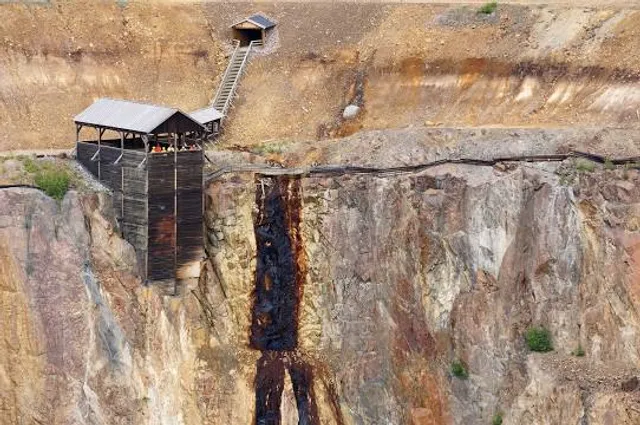
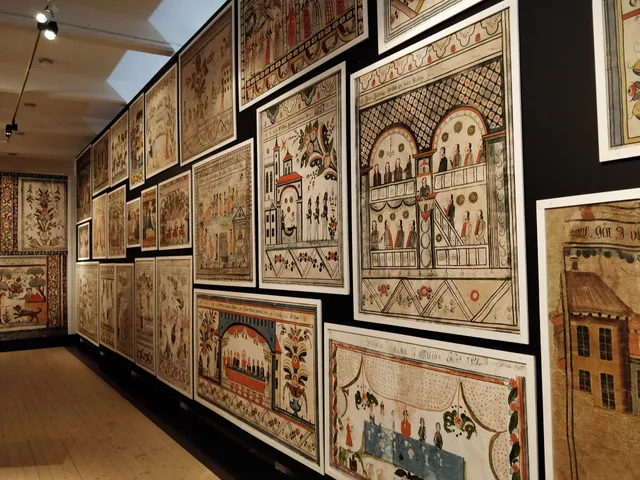
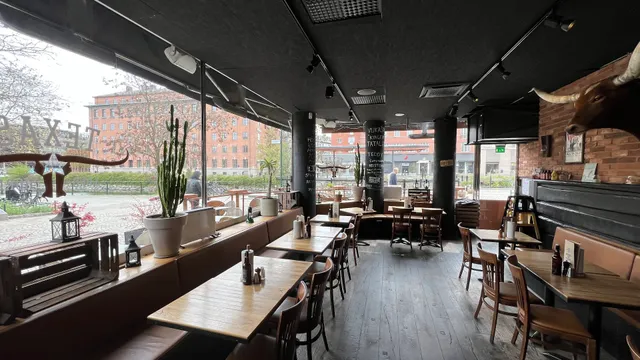
Today, we spent an entire day there: Reached early(0950), and viewed the sites like Creutz shaft, hoist, etc. Visited the museum, viewed partially but thoroughly. Lunch at the cafe. We avoided the restaurant this time as the menu didn't suit us but based on our 2022 visit, I would say the restaurant is decent and reliable. Guided tour in English at 1330. We actually had booked a Swedish tour as the English one at 1200 was full. During our interaction with reception, they informed us that there would be an additional English tour at 1330 due several visitors. Revisited and covered the remaining part of the museum. Left around 1600.
The museum is the best part, followed by the 1h guided tour. They have taken utmost efforts to provide information on English. The guides and the staff provided some interesting information apart from the tour as well. The kids also enjoyed a lot.
Overall, it is a must-visit sight if you are in Sweden even for a...
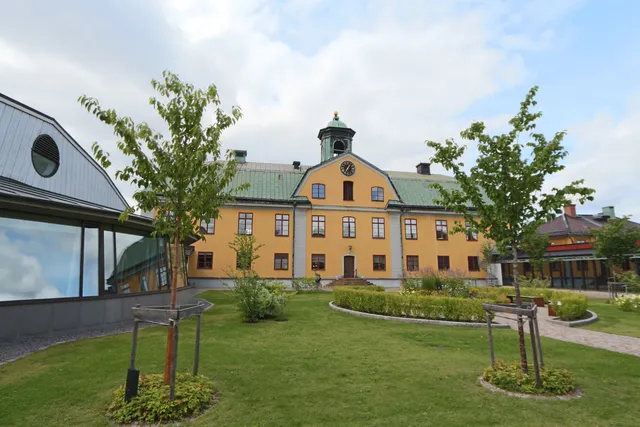
Read moreFalun Mine Museum: is a former copper mine, on which was mined as much as two thirds of Europe's copper needs, and it is part of the UNESCO World Heritage Site. Archaeological and geological researches have shown that a work on the mine began between the years 850 and 1080. The first privileges, the copper mine was given from the King Magnus III in 1347. The production peak occurred around 1650. The intense breaking resulted in the great fall on 25 June 1687. A large part of the mine collapsed and formed the giant Great Pit, which is 1.6 kilometers in circumference and 95 meters deep. The Museum displays the history of mining of Falun Mine, including the production of minerals, models of machinery, tools, and the people in the mine.
Falun Kupferbergwerk Museum: ist eine ehemalige Kupfermine, auf der bis zu zwei Drittel des Kupferbedarfs in Europa abgebaut wurden, und Teil des UNESCO-Weltkulturerbes. Archäologische und geologische Untersuchungen haben gezeigt, dass eine Arbeit an der Mine zwischen den Jahren 850 und 1080 begann. Die ersten Privilegien wurden die Kupfermine von dem König Magnus I. im Jahr 1347 gegeben. Die Produktionsspitze trat um Jahr 1650. Der intensive Bergbaukraft führte zum großen Fall auf 25. Juni 1687. Ein großer Teil der bergwerk brach zusammen und bildete die riesige Große Grube, die einen Umfang von 1,6 Kilometern und eine Tiefe von 95 Metern hat. Das Museum zeigt die Geschichte des Bergbaus von Falun Kupferbergwerk, einschließlich der Produktion von Mineralien, Modellen von Maschinen, Werkzeugen und den Menschen in der Mine.
Музей шахты в городе Фалунь: бывший медный рудник, на котором добывали две трети потребностей Европы в меди, и он входит в список Всемирного наследия ЮНЕСКО. Археологические и геологические исследования показали, что работы на шахте начались в период между 850 и 1080 годами. Первые привилегии, медный рудник, был дан королем Магнусом III в 1347 году. Пик добычи произошел около 1650 года. Интенсивная разработка привела к Великому падению 25 июня 1687 года. Большая часть шахты обрушилась и образовала гигантскую Большую яму, длина которой составляет 1,6 километра, а глубина - 95 метров. В музее представлена история разработки шахты Фалунь, включая производство минералов, образцов машин, инструментов и...
Read moreAmazing place to visit, especially if you are into industrial tours/ activity fan. Underground Tour is highly recommended. Have old sneakers ( mine floor is wet, dirty and slippery) on and smth warmer than a t-shirt. Old machinery sheds are absolutely fascinating, all kept in good condition and open for viewing: wheel shed, piping , drilling, shorting facilities etc. The place is equipped with parking lot ( 20 SEK per day, payable at the visitor center), small cafe/ pizzeria, toilets, picnic area with tables, souvenir shop. You can buy tickets online with choice of tour language or on the spot ( weekdays...
Read more